Understanding Disposal Requirements for Large Household Items
Getting rid of a large household item like a refrigerator, mattress, or sofa can be surprisingly complicated. You can’t just leave it by the curb with your regular trash. Doing so can lead to fines and citations. The reality is that there are specific appliance, mattress, and furniture disposal requirements in place for a reason. These items require a disposal process that differs from everyday household waste. For homeowners navigating junk removal, understanding these disposal laws is the difference between a smooth pickup and a costly citation.
For residents and property managers in Sacramento and surrounding communities, knowing these rules provides clarity and peace of mind. As part of understanding how disposal rules work, it helps to look at why these items are treated differently. Once you know what’s behind the regulations, the process becomes easier to manage and less confusing when planning a cleanout.
Why Some Household Items Cannot Be Discarded Normally
The special rules for bulky items aren’t just red tape; they are based on practical, operational, and environmental realities. Landfills and municipal waste systems are designed for household trash, and large items like appliances and furniture disrupt this system and pose unique challenges.
Material recovery requirements
Many large items are filled with valuable resources. An old washing machine is mostly steel, and a box spring contains a significant amount of recyclable metal. Restricted waste disposal policies are often in place to ensure these materials are recovered and reused rather than being buried and lost forever in a landfill.
Environmental safeguards
A refrigerator or air conditioner contains chemical refrigerants that can damage the ozone layer if released. An old television contains lead and other heavy metals that can contaminate soil and water. The law requires these hazardous components to be safely removed and managed to protect our environment.
Landfill restrictions
Bulky items take up a massive amount of valuable landfill space. A single mattress can occupy the same volume as dozens of bags of trash. To preserve the limited capacity of our landfills, many have strict rules or charge high fees to discourage the disposal of regulated household waste that could otherwise be recycled.
Municipal handling policies
The automated trucks that collect your weekly trash are not equipped to handle a 300-pound appliance or an eight-foot sofa. Cities must use specialized trucks and crews for bulky item disposal rules, which is a more expensive and labor-intensive process. The rules are in place to make this collection system efficient and safe for workers.
Appliance Disposal Laws and Recycling Requirements
Appliances are one of the most heavily regulated categories of household junk. From washing machines to refrigerators, these items contain a mix of valuable metals and potentially hazardous components, requiring a specific disposal pathway.
Appliances with regulated components
The term “white goods” includes items like refrigerators, freezers, air conditioners, stoves, water heaters, washers, and dryers. While they are mostly steel, many contain other regulated substances. For example, older appliances might have mercury switches or PCB capacitors that must be handled as hazardous waste.
Refrigerant handling requirements
Under federal law, refrigerants like Freon found in refrigerators, freezers, and AC units must be captured by a certified technician before the appliance is crushed or recycled. Releasing these chemicals into the atmosphere is illegal. This “de-gassing” process is a mandatory step in compliant refrigerator disposal laws.
Metal recovery expectations
The primary goal of appliance recycling is to recover the steel, copper, and aluminum. Once any hazardous materials are removed, the appliance’s metal shell is sent to a scrap yard where it is shredded and melted down to create new products. This process follows specific appliance recycling requirements.
Approved recycling pathways
Because of these complexities, you cannot just take an old appliance to the landfill. You must use an approved pathway, which could be a municipal pickup program that partners with a certified recycler, a scrap metal yard that has a certified technician on-site, or a professional junk removal service that manages the entire compliance process for you.
Many residents choose professional Sacramento junk hauling to ensure refrigerants are handled properly and appliances are routed to certified recycling facilities.
Mattress Disposal Regulations Many People Don’t Realize Exist
A mattress seems simple enough, but it has become one of the most regulated items in the waste stream. Their bulky, springy nature makes them a nightmare for landfills, leading states like California to enact specific mattress recycling laws.
Recycling mandates
California’s Bye Bye Mattress program requires that all used mattresses and box springs be recycled. These items are dismantled to recover the steel, wood, and foam inside. When you buy a new mattress, the recycling fee you pay helps fund this statewide program.
Landfill limitations
Because of the recycling mandate, many landfills and transfer stations in the Sacramento area will either refuse to accept mattresses or charge a significant penalty fee for them. This is to strongly incentivize residents and businesses to use the correct recycling channels instead.
Collection program participation
To comply with mattress disposal requirements, you must get your old mattress to a participating collection site or recycler. Some retailers will take your old one when they deliver a new one, and some municipal bulky waste programs will route them to a recycler. However, illegal mattress dumping on a roadside or in an alley bypasses this system and is subject to heavy fines.
When appointment windows are weeks out, scheduling same-day junk removal Sacramento can prevent mattresses from sitting curbside and creating compliance issues.
Sanitation considerations
Used mattresses can pose sanitation risks, as they can harbor bed bugs or other pests. Many donation centers refuse to accept used mattresses for this reason, making recycling the only viable and legal disposal option for most.
Furniture Disposal Rules and Bulky Waste Guidelines
Furniture disposal is generally less regulated than appliances or mattresses, but it still falls under local bulky waste regulations due to its size and weight. Knowing the rules can be the difference between a smooth pickup and a sofa left sitting on your curb for weeks.
Size-based restrictions
Most municipal programs have limits on the size and weight of furniture they will collect. An extremely large entertainment center may need to be broken down, and a heavy sleeper sofa might exceed the weight limit for a two-person crew.
Material considerations
A simple wooden table is easier to process than a pressboard desk held together with glue. While most furniture is not easily recyclable due to the mix of materials (wood, fabric, foam, metal, plastic), items made primarily of metal can often be separated for scrap recycling.
Donation pathways
For furniture that is still in good, usable condition, donation is always the best first option. Organizations like Habitat for Humanity ReStore or local charities can give your old couch or dresser a second life. However, items that are broken, stained, or torn do not qualify for donation.
Facility acceptance rules
If furniture cannot be donated, it is typically treated as landfill waste. Following the local couch disposal laws usually means scheduling a pickup through your city’s bulky waste program or hiring a junk removal service to haul it away. For more on this, see our Bulk Item Disposal Rules by City guide.
Hazard Components Found in Common Household Items
Many people are surprised to learn that everyday items in their home contain components that are considered hazardous and require special handling. A key reason for disposal laws is to keep these substances out of our landfills.
Refrigerants
As mentioned, Freon and other chlorofluorocarbons (CFCs) found in older cooling appliances are potent greenhouse gases that must be professionally captured.
Electronic elements
A “smart” appliance with a digital screen or circuit board contains e-waste. This can include small amounts of lead, cadmium, and other heavy metals that need to be processed by a certified electronics recycler.
Treated materials
The wood in some older furniture may be treated with chemicals like formaldehyde or have lead-based paint. These items cannot be chipped for mulch or burned, and must be disposed of as solid waste.
Composite construction
Items made from particleboard or MDF (medium-density fiberboard) are held together with industrial glues and resins. These materials are not recyclable and are treated as landfill-bound waste.
Restricted Disposal Practices to Avoid
Violating disposal laws often happens out of convenience or a simple misunderstanding of the rules. Being aware of these common mistakes is the easiest way to prevent a costly citation.
Unauthorized dumping
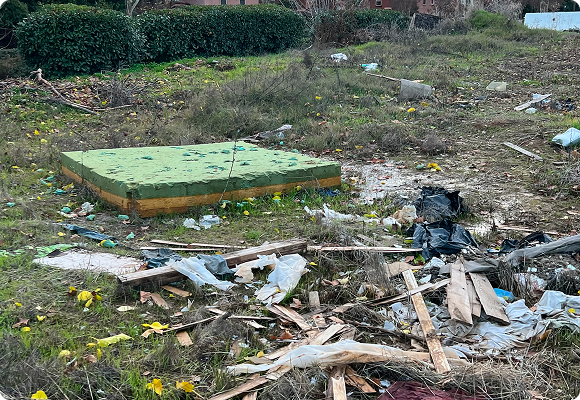
This is the most obvious violation. Leaving a mattress in a vacant lot, tossing an old microwave into a ditch, or abandoning a sofa behind a shopping center is illegal and carries significant fines.
Leaving items curbside without approval
Placing an appliance on the curb with a “free” sign is still considered illegal furniture dumping in most cities if it is not picked up. You are responsible for an item until it is legally removed. You must have a scheduled pickup appointment before setting it out.
Using non-approved containers
You cannot stuff appliance parts or broken furniture into your residential trash or recycling cart. These items are considered bulky waste violations and can result in your regular service being suspended.
Transporting items to unapproved facilities
Hauling an old AC unit to a random scrap yard that is not certified to handle refrigerants is a violation of the law for both you and the yard owner. Always use approved, licensed facilities.
Municipal Pickup and Recycling Programs
The good news is that most cities offer programs to help residents dispose of large items correctly. These services are typically funded by your utility bills and are the most cost-effective option if you can work within their framework.
Scheduled bulky item collection
Many cities have a system where you can schedule a pickup for a limited number of large items a few times per year. This is the standard pathway for furniture and other non-hazardous bulky goods.
On-demand pickup options
The City of Sacramento and other nearby jurisdictions use an appointment-based model. You go online or call to book a date to have your items collected. This city furniture pickup service is convenient but may require booking weeks in advance.
Designated drop-off locations
For items like e-waste or mattresses, some municipalities have designated drop-off points or host special collection events throughout the year.
Recycling initiatives
When you schedule an appliance pickup with your city, they are often routing that item to a certified recycler who will handle the refrigerant capture and metal recovery. These appliance recycling centers are a critical part of the disposal infrastructure.
Contractors, property investors, and businesses clearing offices often use experienced commercial junk removal services to handle bulk appliance and furniture disposal efficiently.
How Disposal Rules Can Vary by Location
It is crucial to remember that there is no single set of rules that applies everywhere. Disposal laws by city can differ significantly, even between neighboring communities in the Sacramento area.
Working with a team that handles junk removal in Sacramento daily ensures your items are processed according to your specific city’s requirements.
Program availability
A city like Roseville might have a different pickup schedule and frequency than Elk Grove. What is included in the free service can also vary.
Accepted item lists
One city may accept a television as part of a bulk pickup, while another may require you to take it to a special e-waste event. These local bulky waste rules are highly specific to your address.
Collection frequency
Most cities cap the number of free pickups you can get per year. Once you have used your allotment, you may have to pay for additional service or wait until the next calendar year.
Regional environmental policies
Local goals around landfill diversion and recycling influence the rules. A city with a strong zero-waste policy might have stricter requirements for separating recyclable materials from your bulk pile.
Explore More Disposal Guidelines
The rules for appliances, mattresses, and furniture are part of a larger regulatory landscape. To gain a complete understanding, we recommend exploring these related resources.
- Recycling Rules for Junk Removal Items: A comprehensive look at our recycling guidelines for all types of materials.
- Bulk Item Disposal Rules by City: Dive deeper into the specific bulk disposal rules for your local area.
- Illegal Dumping Laws in Sacramento County: Understand the specific dumping regulations and penalties in our region.
- Junk Removal Rules, Laws & Disposal: Our main hub for all local junk disposal laws and compliance information.
Why Understanding Disposal Laws Helps Prevent Costly Mistakes
Taking a few minutes to understand the rules for your large items is a small investment that pays off by helping you avoid stress, fines, and neighborhood complaints.
Avoid unexpected fines
Knowing the rules is the number one way to avoid dumping fines. By scheduling a pickup and following placement guidelines, you eliminate the risk of a costly citation.
Support responsible disposal
Following the law ensures that your old appliances and mattresses are recycled properly, conserving resources and preventing hazardous materials from harming the environment.
Reduce environmental impact
Proper disposal keeps toxic chemicals out of our soil and water and reduces the strain on our limited landfill space. It is a simple way to be a good steward of our community.
Prevent compliance issues
For landlords and property managers, ensuring tenant move-outs are handled in compliance with the law prevents your property from being slapped with blight violations or cleanup orders.
Many property owners rely on structured residential junk removal in Sacramento to clear appliances, mattresses, and furniture immediately after tenant turnover.
Working With Experienced Professionals Simplifies Compliance
Navigating different rules for appliances, mattresses, and furniture can be overwhelming, which is why many homeowners turn to a trusted Sacramento junk hauling team for compliant, full-service removal.
Familiarity with disposal requirements
We are experts in the local rules. We know which items require special handling and which facilities are certified to process them, providing fully compliant junk removal.
Responsible hauling practices
Our teams have the training and equipment to move heavy items safely out of your home. You don’t have to risk injury or damage to your property.
Proper material routing
We sort everything we collect and take it to the appropriate destination—donation centers for usable furniture, certified recyclers for appliances and mattresses, and licensed transfer stations for everything else.
Reduced risk of violations
When you hire Take Care Junk, the responsibility for compliant disposal becomes ours. You get the peace of mind that comes from knowing the job was done right, with no risk of a future violation traced back to you.
Need Help Disposing of Large Household Items Responsibly?
When disposal rules vary and item requirements aren’t always clear, working with an experienced team can help ensure materials are handled responsibly. Don’t let a bulky item become a source of stress.
We can take care of your old appliances, mattresses, and furniture the right way. Contact our team today to request a quote or schedule a pickup.
Appliance, Mattress & Furniture Disposal — FAQs
Can appliances be thrown away legally?
No, not in your regular trash. Appliances must be recycled at a facility that can safely remove hazardous components like refrigerants. An appliance disposal near me search will often lead you to a certified recycler or a junk removal service.
Do mattresses need to be recycled?
Yes. In California, it is mandated by law. Mattresses are dismantled to recover steel, wood, and foam. Landfills heavily discourage their disposal by charging high fees, making recycling the correct and most cost-effective option.
Are couches considered bulky waste?
Yes. Couches, along with other large furniture, are considered bulky waste. They are too large for standard trash collection and must be removed through a municipal bulk pickup program or a private hauling service.
What items require special disposal?
Any item containing hazardous components requires special disposal. This includes refrigerators, freezers, and AC units (refrigerants), as well as electronics like TVs and computers (heavy metals).
Do cities offer pickup programs?
Most cities in the Sacramento region offer some form of free bulk item pickup for residents, usually by appointment. However, there are limits on volume, frequency, and accepted items.
Can improper disposal lead to fines?
Yes. Leaving an appliance or mattress on the curb without a scheduled pickup is considered illegal dumping and can result in significant fines. Following furniture disposal laws helps you avoid these penalties.