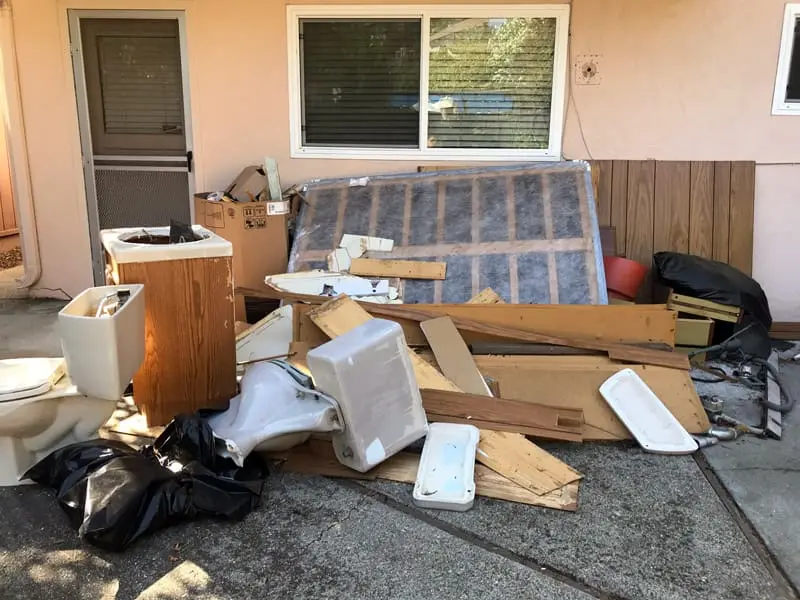
Dealing with a hoarding situation is more than just cleaning up a mess. It is a deeply complex and emotionally charged process that requires patience, understanding, and a structured approach. Hoarding is not a sign of laziness or poor housekeeping; it is a recognized mental health disorder that affects individuals and their families profoundly. Approaching cleanup without sensitivity can cause significant distress and may even worsen the situation.
This guide is designed to provide a comprehensive framework for navigating the challenges of hoarding cleanup. We will explore the psychological aspects of hoarding, outline practical steps for decluttering, and explain when it is necessary to call in professional help. Whether you are assisting a loved one or facing this challenge yourself, this article offers the tools and knowledge needed to manage the process with compassion and effectiveness.
If you need immediate help, professional cleanup and junk removal services can make the process faster and safer. Local cleanup and junk removal services can also help support larger cleanout projects.
Understanding Hoarding Disorder
Before any cleanup can begin, it is crucial to understand the nature of hoarding. Hoarding Disorder is characterized by a persistent difficulty in discarding or parting with possessions, regardless of their actual value. This behavior is driven by a perceived need to save items and the distress associated with discarding them.
The Psychology Behind Hoarding
Several psychological factors contribute to hoarding disorder:
- Emotional Attachment: Individuals who hoard often form strong emotional attachments to their possessions. Items may represent happy memories, important people, or a sense of security. Discarding them can feel like losing a part of themselves.
- Anxiety and Fear: The thought of throwing things away can trigger intense anxiety. This may stem from a fear of making the wrong decision, a fear of needing an item later, or a sense of responsibility for the objects.
- Perfectionism and Indecisiveness: Many individuals with hoarding tendencies struggle with perfectionism. They may fear making a mistake by discarding something valuable, leading to indecisiveness and an inability to let go of anything.
- Trauma and Loss: Hoarding can often be triggered or exacerbated by a traumatic event, such as the death of a loved one, a divorce, or a significant life change. The accumulation of objects can serve as a coping mechanism to fill an emotional void.
Recognizing these underlying factors is the first step toward a compassionate and successful cleanup. It transforms the process from a simple tidying exercise into a supportive journey that addresses the person’s well-being.
The Difference Between Clutter and Hoarding
It is important to distinguish between having a cluttered home and living in a hoarding situation. Clutter is a disorganized collection of items that can be cleared with relative ease. The living spaces, while messy, are generally usable.
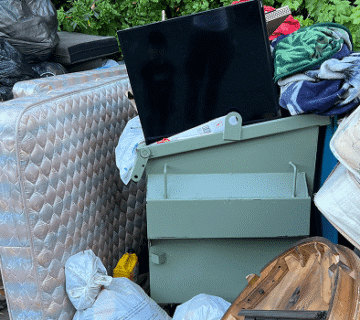
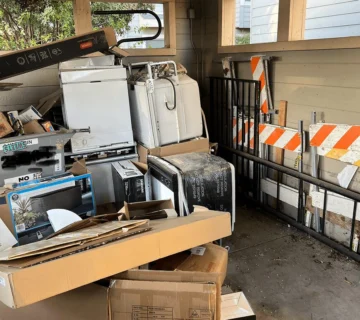
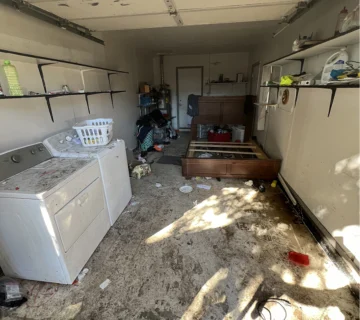
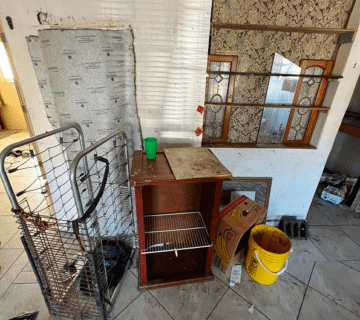
Hoarding, on the other hand, involves an excessive accumulation of items that renders parts of a home unusable. Hallways may be blocked, kitchens may be inaccessible for cooking, and beds may be covered with possessions. Hoarding poses significant health and safety risks, including fire hazards, pest infestations, and structural damage to the home. The level of accumulation is severe and significantly impacts the individual’s daily life and safety. In severe cases, homeowners often rely on same-day junk removal to safely remove large volumes of debris and restore safe access to the home.
A Step-by-Step Guide to Hoarding Cleanup
Embarking on a hoarding cleanup requires careful planning and a methodical approach. The goal is not just to clear the space but to do so in a way that respects the individual’s feelings and empowers them to make lasting changes.
Step 1: Building Trust and Getting Agreement
You cannot force someone to clean up their home. The most critical first step is to have an open, non-judgmental conversation. Express your concern for their safety and well-being. Avoid criticism, ultimatums, or blame.
- Start with Empathy: Acknowledge their attachment to their items. Use “I” statements to express your feelings, such as, “I am worried about your safety because the pathways are blocked.”
- Seek Professional Guidance: It may be helpful to involve a therapist or counselor who specializes in hoarding disorder. They can mediate conversations and provide coping strategies for the individual.
- Set Realistic Goals Together: Instead of aiming to clean the entire house at once, agree on a small, manageable starting point, like clearing a single chair or a small section of a room. This builds momentum and a sense of accomplishment.
Step 2: Creating a Detailed Plan
Once you have agreement, develop a structured plan for the cleanup. A plan provides clarity and reduces the overwhelming feeling that often accompanies such a large task.
- Assess Safety First: Before starting, identify immediate safety hazards. Are there tripping hazards, unstable piles, or signs of mold or pests? Address these issues first. Wear protective gear, including gloves, masks, and sturdy shoes.
- Establish a Sorting System: A popular and effective method is the four-box system. Prepare four distinct categories for sorting items:
- Keep: Items that are truly needed, used regularly, or hold significant sentimental value.
- Donate/Sell: Items that are in good condition but are no longer needed.
- Trash/Recycle: Items that are broken, expired, soiled, or otherwise unusable.
- Relocate: Items that belong in another room or need to be returned to someone else.
- Schedule Cleanup Sessions: Plan short, consistent cleanup sessions. Two to three hours at a time is often more productive than a full day, as it prevents emotional and physical burnout.
Step 3: The Sorting Process
This is often the most challenging phase of the cleanup. It requires patience and a gentle, guiding hand.
- Start Small: Begin with the area you agreed upon. Focus on one small section at a time. This could be a single shelf, a corner of a room, or one box.
- Let the Individual Lead: The person with the hoarding disorder should be the one to make the final decision about each item. Your role is to support and guide them, not to make decisions for them.
- Ask Guiding Questions: Help them evaluate items with gentle questions like:
- “When was the last time you used this?”
- “Do you have another one of these that works better?”
- “What is the worst thing that would happen if we let this go?”
- “Could someone else get more use out of this?”
- Celebrate Small Wins: Acknowledge and celebrate every small achievement. Clearing a small area is a significant step forward. Positive reinforcement helps build confidence and motivation.
Step 4: Cleaning and Repairing the Space
Once a section is cleared of items, the deep cleaning can begin. Years of accumulation often hide dirt, dust, and potential damage.
- Thorough Cleaning: Clean all surfaces, including walls, floors, and ceilings. You may need to rent industrial cleaning equipment like a carpet cleaner or a power washer.
- Inspect for Damage: Check for structural damage, mold, pest infestations, and electrical or plumbing issues. These problems are common in hoarding situations and may require professional repair.
- Organize the Kept Items: Once the area is clean and repaired, organize the items designated to be kept. Use clear storage bins, labels, and shelving to create an organized and functional space. This helps prevent a relapse into clutter.
Step 5: Removing the Junk
The final physical step is removing all the items designated for trash, recycling, and donation. This is often a massive undertaking that cannot be handled by regular municipal trash services. The sheer volume of junk, furniture, and e-waste can be overwhelming.
This is where professional assistance becomes invaluable. Professional junk removal services can clear large volumes of clutter quickly while ensuring items are disposed of responsibly. Attempting to haul away tons of debris yourself can be physically demanding and time-consuming. You would need to rent a large truck, make multiple trips to landfills and donation centers, and handle potentially hazardous materials correctly. For residents in the greater Sacramento area, local junk removal services are equipped to handle this task efficiently. Professional junk removal companies can manage large-scale cleanouts while ensuring items are disposed of responsibly.
When to Call a Professional Hoarding Cleanup Service
While the step-by-step guide is helpful, many hoarding situations are too complex or severe to handle alone. Recognizing when to call for professional help is crucial for the safety and success of the cleanup.
Signs You Need Professional Help
- Severe Health and Safety Risks: If the home has major biohazards, such as animal or human waste, severe mold, or a heavy pest infestation, you need a specialized biohazard cleaning team. These situations require professional equipment and expertise to handle safely.
- Structural Damage: If you notice sagging floors, cracked walls, or other signs of structural instability, a professional team should assess the situation before any cleanup begins.
- Overwhelming Volume: If the amount of accumulated stuff is simply too vast to tackle on your own, a professional junk removal service is the most practical solution. A team of professionals can clear a house in a fraction of the time it would take a few individuals.
- Emotional Resistance: If the individual with hoarding disorder is extremely resistant, combative, or emotionally distressed by the cleanup process, bringing in a professional team can help. Experienced hoarding cleanup services understand the psychology and are trained to work with sensitivity and compassion. They can act as a neutral third party, often reducing conflict.
The Benefits of a Professional Junk Removal Service
Hiring a professional service like Take Care Junk offers numerous advantages in a hoarding cleanup scenario. These teams are more than just movers; they are specialists in handling difficult situations with efficiency and care. Many families schedule residential junk removal services when clearing out homes affected by hoarding situations.
1. Efficiency and Speed
A professional team can accomplish in a day what might take a family weeks or months. They have the manpower, equipment, and experience to sort, remove, and haul away large quantities of items quickly. This speed can be a relief for families under pressure, especially if there are deadlines related to property sales or eviction notices. For large-scale cleanouts, a professional service is often the most efficient choice.
2. Safety and Expertise
Hoarding environments are often hazardous. Professional crews are trained to identify and handle risks. They come equipped with personal protective equipment (PPE) and the right tools for the job. They know how to safely remove heavy furniture, dismantle appliances, and deal with potentially dangerous materials. This protects you and your family from injury and exposure to harmful substances.
3. Proper Disposal and Recycling
A reputable junk removal service is committed to responsible disposal. They understand local regulations for waste and recycling.
- E-Waste: Electronics contain hazardous materials and cannot be thrown in the regular trash. Professionals ensure that e-waste is taken to certified recycling facilities. Property managers and landlords may also rely on commercial junk removal services when hoarding cleanup affects rental units or commercial properties. If electronics are mixed in with the clutter, they should be separated and taken to proper e-waste recycling facilities.
- Donations: They will sort through items and deliver usable goods to local charities, giving items a second life and reducing landfill waste.
- General Junk: They handle the disposal of all other trash, ensuring it goes to the proper landfills or transfer stations.
Using a local service helps ensure disposal practices align with local regulations.
4. Reduced Emotional and Physical Strain
Hoarding cleanup is emotionally draining and physically exhausting. Outsourcing the heavy lifting allows you to focus on providing emotional support to your loved one. A professional team takes on the burden of the physical labor, freeing you from the stress and strain of the cleanup. This is especially true for large items. If you’re dealing with old couches, dressers, or appliances, a furniture removal service can handle the task without you having to lift a finger.
Choosing the Right Professional Service in Sacramento
If you are in the Sacramento area, you have options for professional help. When selecting a service, look for a company that is experienced, insured, and has a compassionate approach to hoarding cleanup.
- Local Expertise: A local company understands the specific needs and resources of the community. Whether you need junk removal in Sacramento proper, Carmichael, or Citrus Heights, a local service will be familiar with the area’s donation centers and disposal facilities.
- Comprehensive Services: Look for a company that can handle everything from general junk to specific items like old mattresses or electronic waste. Specialized disposal services for items like mattresses can also be helpful.
- Empathy and Discretion: Hoarding is a sensitive issue. A good company will operate with discretion and treat the client and their home with respect. Check reviews and testimonials for feedback on their customer service approach.
- Transparent Pricing: Most companies base junk removal pricing on the volume of material being removed. Avoid services with vague pricing models.
Having access to a reliable junk removal partner is essential for managing a hoarding cleanup effectively.
Life After the Cleanup: Preventing a Relapse
Clearing the physical space is a major victory, but the journey is not over. The underlying hoarding disorder still needs to be addressed to prevent a relapse.
Ongoing Support Systems
- Therapy and Counseling: Continued therapy is vital. Cognitive Behavioral Therapy (CBT) is one of the most effective treatments for hoarding disorder. It helps individuals understand their thought patterns and develop healthier coping mechanisms.
- Support Groups: Connecting with others who have similar experiences can be incredibly empowering. Support groups provide a safe space to share struggles and strategies for maintaining a clutter-free life.
- Regular Check-ins: Family and friends should continue to provide support. Schedule regular, gentle check-ins to help maintain the new organizational systems. This isn’t about policing; it’s about being a supportive partner in their ongoing recovery.
Creating New Habits
- The “One In, One Out” Rule: For every new item that comes into the home, one item must leave. This simple rule helps prevent the slow re-accumulation of possessions.
- Designated “Hot Spots”: Identify areas where clutter tends to accumulate (e.g., the kitchen counter, a specific chair). Make a conscious effort to keep these spots clear daily.
- Scheduled Tidying: Set aside 15 minutes each day to put things away. This small habit can prevent messes from becoming overwhelming.
Conclusion
Hoarding cleanup is a challenging journey that requires a delicate balance of practical action and emotional sensitivity. By understanding the psychology behind hoarding, developing a structured plan, and approaching the situation with empathy, you can make a profound difference in the life of someone you care about.
Remember that you do not have to do it alone. Recognizing when to call for professional help is a sign of strength, not failure. Professional hoarding cleanup and junk removal services offer the efficiency, safety, and expertise needed to manage overwhelming situations. In areas like Arden-Arcade and the wider Sacramento region, local professionals can provide the hands-on support required to restore a home to a safe and livable condition. Reliable junk removal services help restore homes quickly while ensuring safe disposal and recycling of large volumes of clutter.
Ultimately, the goal of hoarding cleanup extends beyond just clearing a space. It is about opening the door to healing, recovery, and a new, more organized way of life. With patience, support, and the right resources, it is possible to navigate this difficult process and help a loved one reclaim their home and well-being.