Understanding Illegal Dumping Regulations in Sacramento County
For residents, business owners, and property managers in Sacramento County, maintaining a clean and safe environment is a shared responsibility. While most people strive to dispose of their waste correctly, confusion about local regulations can lead to unintentional violations. Illegal dumping is a significant issue that affects property values, public health, and the natural beauty of our region. Understanding illegal dumping laws in Sacramento County is the first step toward compliance and community stewardship. For anyone managing junk removal, understanding these laws is essential to avoiding citations, cleanup liability, and escalating fines.
Understanding how these rules apply in everyday situations makes it easier to avoid violations and handle waste responsibly. Once the basics are clear, it becomes much simpler to manage bulk items, construction debris, and restricted materials without risking fines or liability.
What Is Considered Illegal Dumping?
Before discussing fines or enforcement, it is crucial to establish a clear definition. Many individuals assume illegal dumping only refers to large-scale operations or dumping hazardous chemicals in a river. However, the legal definition is often broader than people realize. Unlawful dumping Sacramento officials target can include seemingly minor acts that accumulate to create major public nuisances.
Discarding items on public or private property
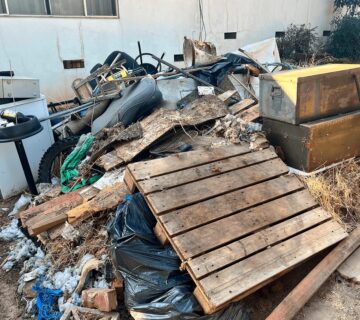
At its core, illegal dumping is the willful discarding of waste on any public or private property that is not licensed or permitted to accept that waste. This includes leaving a mattress on a sidewalk, dumping yard clippings in a park, or leaving bags of trash on a neighbor’s land without their consent. Even if the intent is for someone else to “find and use” the item, if it is placed on property not designated for disposal or donation, it falls under the definition of illegal trash dumping.
Leaving debris outside permitted disposal areas
A common misconception is that leaving items next to a dumpster or trash can is acceptable if the container is full. Legally, this is often treated as dumping. Waste must be fully contained within authorized receptacles. Placing overflow trash on the ground beside a bin in an apartment complex or public area is technically a violation of unlawful disposal laws.
Using unauthorized dumpsters
“Midnight dumping” involves placing your waste into a dumpster that you do not pay for or own. This is frequent in commercial areas where residents might use a business’s unlocked bin for their household trash. Since the business owner pays for that service based on volume and frequency, using their container without permission is a form of theft of service and constitutes illegal dumping.
Transporting waste to unapproved locations
California law requires that waste be transported to permitted facilities, such as transfer stations, landfills, or recycling centers. Hauling trash to a vacant lot, a dead-end street, or a rural roadside for disposal is a serious offense. This category of what counts as illegal dumping is often enforced strictly due to the high cleanup costs imposed on taxpayers and private landowners.
Common Situations That Lead to Illegal Dumping
Illegal dumping isn’t always the result of malicious intent. Often, it stems from a lack of planning, a misunderstanding of services, or a moment of convenience. By recognizing the scenarios that frequently lead to waste disposal violations, residents and property owners can take proactive steps to avoid them.
Bulk items left curbside without scheduling pickup
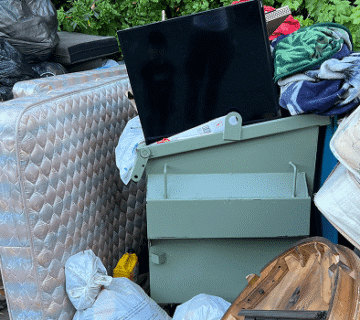
One of the most frequent violations involves illegal furniture dumping. A resident may drag an old sofa to the curb, assuming the city will pick it up automatically or that a “scraper” will take it. However, without scheduling a specific bulk waste appointment with local utility services, that sofa is considered illegally dumped debris. It creates an eyesore and a potential hazard for pedestrians and traffic.
Many of these violations could be avoided by working with a trusted junk hauling team that understands local bulk pickup requirements.
Construction debris abandoned after projects
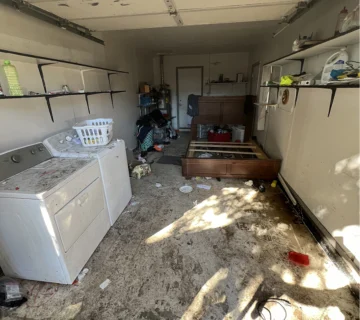
Small-scale renovations often generate more waste than expected. When a contractor or DIYer finishes a bathroom remodel, they may be left with piles of drywall, tile, and wood. If they lack the means to haul it to the landfill, this construction debris dumping laws violation often occurs in alleys or behind buildings. It is critical to plan for disposal logistics before the first hammer swings.
Furniture discarded in vacant lots
Vacant lots and rural roadsides are magnets for abandoned items. People often incorrectly assume that because a piece of land looks empty or unmaintained, it is an acceptable place to leave bulky items. This is false. Every piece of land has an owner, and leaving bulk waste disposal rules ignored on these properties forces the owner or the county to foot the bill for removal.
Appliances left near dumpsters
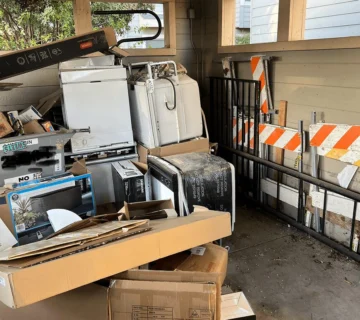
Refrigerators, washing machines, and water heaters are heavy and difficult to move. When tenants move out, they may drag these items to the enclosure area of an apartment complex and leave them outside the bins. This not only violates dumping laws but can also block access for the waste management trucks, leading to missed pickups for the entire property.
Overflow waste placed outside containers
During holidays or move-out seasons, standard residential bins often overflow. Rather than holding the trash for the next week or taking it to a facility, some residents stack bags on top of or next to the bins. This attracts pests, scatters litter, and creates sanitary issues that local codes strictly prohibit.
Typical Fines and Penalties in Sacramento County
Sacramento County takes enforcement seriously because the cost of cleaning up illegal dump sites is substantial. The penalties are designed to be punitive enough to discourage the behavior. While exact amounts can vary based on the severity of the offense and the specific jurisdiction (city vs. county), the financial consequences of dumping fines Sacramento enforces are significant.
Monetary fines
Fines for a first offense can start in the hundreds of dollars but quickly escalate into the thousands for subsequent violations or for dumping large quantities. Under California Penal Code Section 374.3, fines can range significantly depending on whether the violation is an infraction or a misdemeanor. It is not uncommon for an illegal dumping fine Sacramento issues to far exceed the cost of hiring a professional hauler.
In many cases, scheduling same-day junk removal is far less expensive than dealing with a citation and restitution fees.
Potential citations
Beyond the base fine, violators may receive citations that appear on their record. Law enforcement and code enforcement officers have the authority to issue these citations immediately upon finding evidence of ownership in the dumped waste, such as mail with an address found inside trash bags. The illegal dumping citation cost often includes administrative fees on top of the penalty itself.
Cleanup liability
Perhaps the most expensive component is the cleanup liability. If you are caught illegally dumping, you are often required to pay restitution for the actual cost of removing the debris and restoring the site. If hazardous materials or fluids leaked into the soil, these remediation costs can be astronomical.
Escalating penalties for repeated violations
The system is designed to penalize habitual offenders harshly. Penalties for illegal dumping increase with every offense. Repeat violators can face misdemeanor charges, probation, and in extreme cases involving commercial quantities or hazardous waste, even jail time. The county maintains records to track repeat incidents.
Why Illegal Dumping Is Taken Seriously
While it might seem like just a pile of trash to the offender, illegal dumping has ripple effects that damage the entire community. The rationale behind strict Sacramento disposal laws is grounded in public safety, economic health, and civic pride.
Public health concerns
Piles of trash are breeding grounds for vectors like rats, mice, mosquitoes, and cockroaches. These pests can spread diseases to nearby residents. Furthermore, illegally dumped tires collect stagnant water, becoming perfect incubators for mosquitoes that may carry West Nile virus.
Environmental damage
When trash degrades in an uncontrolled environment, it releases harmful byproducts. Unlike a sanitary landfill which is lined to prevent seepage, a roadside dump site allows contaminants to leach directly into the ground.
Neighborhood safety
Areas with visible illegal dumping often act as a signal of neglect, which can attract further criminal activity—a concept known as the “broken windows theory.” Piles of debris can also physically obstruct sidewalks, forcing pedestrians into the street, or block drainage channels, leading to localized flooding during rainstorms.
Increased municipal cleanup costs
Every dollar the county spends cleaning up an illegal dump site is a dollar that cannot be spent on parks, libraries, or road repairs. The waste disposal violations of a few impose a financial burden on the entire tax-paying community.
Environmental Consequences of Improper Disposal
The environmental footprint of illegal dumping extends far beyond the visual blight. The materials commonly dumped—electronics, appliances, chemicals, and construction materials—interact with the ecosystem in dangerous ways. Understanding the environmental impact illegal dumping causes helps highlight why professional disposal is necessary.
Soil and water contamination
Many household items contain toxic substances. Electronics contain lead and mercury; appliances contain refrigerants; renovation debris may contain asbestos or lead paint. When these are left exposed to the elements, rain washes these toxins into the soil and, eventually, into the local groundwater or storm drains that feed into the American and Sacramento Rivers. Improper waste disposal impact affects our water quality directly.
Hazards from appliances and chemicals
Old refrigerators and air conditioners contain chemical refrigerants that, if released into the atmosphere, contribute to ozone depletion and climate change. Batteries and leftover paints left in dump sites can leak acids and solvents that burn local vegetation and poison the immediate area.
Wildlife risks
Local wildlife is often drawn to dump sites by the smell of food waste or shelter potential. Animals can become entangled in plastic, cut by glass or metal, or poisoned by ingesting trash. Environmental dumping risks pose a direct threat to the birds, fish, and mammals that inhabit Sacramento County’s diverse ecosystems.
Long-term community effects
Soil that has been contaminated by years of illegal dumping may require expensive remediation before it can ever be used for housing or parks. This blights the land, rendering it useless for the community for decades and lowering the quality of life for neighbors.
How to Properly Dispose of Large or Restricted Items
The good news is that Sacramento County offers numerous legal, accessible avenues for disposing of waste. Avoiding fines is often as simple as knowing where to go. Compliance with appliance disposal regulations and bulk item rules is easier when you utilize the available infrastructure.
Municipal bulk pickup programs
Most residential waste service providers in the Sacramento area, including County Waste Management and city utilities, offer bulky item pickup appointments. Depending on your service area, you may be entitled to one or two free pickups per year. This is the primary method for legal junk disposal Sacramento residents should use for furniture and appliances.
Approved disposal facilities
For waste that cannot wait for a pickup, or for commercial loads, self-hauling to a licensed transfer station or landfill is the correct path. Facilities like the North Area Recovery Station or the Kiefer Landfill are equipped to handle bulk item disposal Sacramento residents generate, including safe handling of hazardous materials.
Recycling centers
Many items that are illegally dumped could have been recycled. Scrap metal yards will often take old appliances and metal furniture for free or even pay you for them. E-waste recycling events are frequently held to accept computers and TVs. Utilizing these centers ensures disposal law compliance while reducing landfill mass.
Professional removal services
For those who lack a truck or the ability to lift heavy items, hiring a professional junk removal service is the most reliable option. A licensed hauler ensures that your items are sorted, donated if possible, and disposed of at the proper facilities, completely removing the illegal trash dumping definition risk from your shoulders.
Reporting Illegal Dumping in Sacramento County
Community members play a vital role in curbing illegal dumping. By serving as the eyes and ears of the neighborhood, you can help enforcement agencies identify hotspots and catch violators. Knowing how to report illegal dumping Sacramento officials can act upon empowers you to protect your street.
When to report
If you witness dumping in progress, do not confront the dumper, as this can be dangerous. Instead, observe and report immediately. If you discover a dump site that has already been created, report it as soon as possible so it can be cleared before it attracts more debris.
Who to contact
In Sacramento County, the primary channel for reporting is typically through 311 (Sacramento County 311 Connect). You can call 311 or use their online portal or mobile app. Specific cities like Folsom or Elk Grove may have their own code enforcement lines, but 311 is a central hub for dumping complaint Sacramento County routing.
Information typically requested
To file an effective report, provide as much detail as possible: the exact location (address or cross streets), a description of the debris, and if you witnessed the act, a description of the vehicle, license plate number, and the person involved. Photos are extremely helpful evidence.
Community reporting tools
Many local municipalities now offer smartphone apps that allow you to drop a GPS pin and upload a photo of the dumping instantly. Utilizing these digital tools speeds up the response time for cleanup crews.
How Property Owners Can Reduce Risk
Landlords, commercial property owners, and business managers face unique risks regarding illegal dumping. If waste is dumped on your private property, the city may hold you responsible for the cleanup costs if the perpetrator isn’t caught. Landlord dumping prevention strategies are essential for protecting your bottom line.
Secure dumpster access
The most effective deterrent is a physical barrier. Keep dumpsters inside locked enclosures or use locking bars on the lids. If a dumpster is easily accessible, it will eventually be abused by non-tenants. Securing your bins is a primary step to prevent illegal dumping on your site.
Schedule proper pickups
Ensure your waste service level matches the volume your tenants generate. Overflowing bins are a beacon for illegal dumpers, as they suggest the property is not closely monitored. Scheduling extra pickups during peak move-out times can keep the area tidy.
Commercial property managers and business owners frequently use professional commercial junk removal services to prevent overflow and illegal dumping around dumpsters.
Communicate disposal policies
Make sure tenants clearly understand tenant property disposal rules. Include specific clauses in leases about bulk item disposal and provide information on how they can schedule their own pickups or where they should take large items. Ignorance of the rules is a leading cause of tenant dumping.
Many landlords rely on structured residential junk removal during tenant move-outs to prevent curbside dumping violations.
Monitor vacant properties
Vacant lots or empty rental units are prime targets. Install lighting, maintain landscaping (to show the property is watched), and consider installing security cameras. Visible monitoring acts as a strong psychological deterrent to would-be dumpers.
Explore More Junk Disposal Rules and Requirements
Navigating the regulatory landscape of waste management is easier when you have the right resources. To deepen your understanding of local compliance, we encourage you to explore these related guides within our compliance pillar.
- Junk Removal Rules, Laws & Disposal: A comprehensive overview of junk disposal regulations and compliance standards.
- What Happens If You Violate Junk Disposal Laws?: A detailed look at the consequences and junk disposal penalties you might face.
- Bulk Item Disposal Rules by City: Specific bulk disposal regulations for different municipalities in our service area.
- Tenant Abandoned Property Disposal Laws: Guidance on the legalities and tenant property disposal rules for landlords.
Why Understanding Local Disposal Laws Matters
Viewing waste disposal through the lens of compliance changes how you approach your property management or household projects. It shifts the focus from “getting rid of stuff” to “managing materials responsibly.” This shift has tangible benefits.
Avoid unexpected fines
The most immediate benefit is financial protection. By following the rules, you eliminate the risk of an expensive illegal dumping fine Sacramento enforcement might issue. The cost of proper disposal is almost always lower than the cost of a fine.
Protect property value
Clean neighborhoods hold their value better. By ensuring your waste is handled correctly, you contribute to the aesthetic appeal of your street, which supports the property values of your home and your neighbors’ homes.
Support cleaner communities
Compliance directly supports the health and safety of your community. It prevents pests, reduces pollution, and keeps public spaces usable for everyone. It is a civic contribution that matters.
Reduce liability exposure
For businesses and contractors, disposal law compliance reduces liability. If your business’s waste is found illegally dumped (even if a third party did it), you could be pulled into a legal investigation. Using proper channels protects your reputation.
Working With a Professional Helps Ensure Compliance
For many, the complexity of the regulations creates anxiety. Instead of navigating disposal regulations alone, many residents and businesses choose a professional junk removal service to handle materials properly from start to finish. Professional hauling teams are familiar with local disposal requirements and facility rules.
Familiarity with local requirements
Proper handling includes securing loads during transport and ensuring materials are delivered to approved facilities.
Proper hauling practices
Materials are often sorted to support recycling, donation, and compliant disposal.
Responsible disposal pathways
Materials are prioritized for donation and recycling whenever possible, ensuring items are processed in an environmentally responsible and legally compliant way.
Reduced regulatory risk
Using a professional service helps reduce the risk of improper disposal and associated penalties.
Need Help Disposing of Items the Right Way?
When disposal requirements feel unclear, working with an experienced team can help ensure items are handled responsibly and in accordance with local regulations. Don’t risk a fine or harm your community—let us handle the heavy lifting and the logistics for you.
Ensure your cleanup is compliant and stress-free. If you need help handling items under local disposal laws, professional junk removal can help ensure everything is handled properly.
Illegal Dumping Laws — FAQs
What qualifies as illegal dumping in Sacramento County?
Unlawful trash disposal includes discarding waste on any public or private property not permitted for disposal. This covers everything from throwing trash out of a car window to leaving furniture on a curb without a scheduled pickup, or placing household trash in a commercial dumpster you don’t own.
How much are illegal dumping fines?
An illegal dumping fine Sacramento issues can vary based on the severity. Fines often start around $250 to $1,000 for a first offense but can escalate into the thousands for repeat violations or major commercial dumping. Violators may also be charged for the cleanup costs.
Can property owners be held responsible?
Yes. If illegal dumping occurs on your private property and the perpetrator is not caught, the property owner is often responsible for the removal and cleanup costs to bring the property back into code compliance.
Is leaving furniture on the curb illegal?
Yes, unless you have specifically scheduled a bulky item pickup with your waste management provider. Leaving items on the curb without an appointment is considered illegal dumping and can result in a citation.
Where can large items be disposed of legally?
You can dispose of large items by scheduling a bulky item pickup, hauling them to a licensed transfer station or landfill like the North Area Recovery Station, or hiring a licensed junk removal service.
How do I report illegal dumping?
You can report illegal dumping Sacramento incidents by calling 311 (or 916-875-4311) or using the Sacramento County 311 online portal or mobile app. Providing location details and photos helps enforcement teams respond effectively.