Understanding Construction Waste Regulations in Sacramento
For contractors, remodelers, and builders in the Sacramento area, managing a jobsite effectively means managing its waste. The flow of a project depends on keeping the site clean, safe, and compliant. However, navigating the specific rules for construction debris disposal in Sacramento can feel like a project in itself. Improper handling of renovation waste doesn’t just create a mess; it can lead to costly fines, project delays, and even legal liability. Understanding these regulations isn’t just about red tape. It’s about smart project management. For contractors managing junk removal, understanding C&D disposal rules protects timelines, budgets, and your company’s reputation.
Managing construction debris effectively comes down to understanding how local requirements impact your workflow. Once these rules are clear, it becomes much easier to keep projects moving, avoid delays, and maintain a clean, compliant jobsite.
Why Proper Construction Debris Disposal Matters
On a busy jobsite, waste can seem like a low-priority distraction. However, a well-defined disposal plan is a critical component of a successful project. For professional contractors, handling debris correctly is about more than just keeping the site tidy; it’s about protecting the project’s momentum, budget, and reputation.
Many builders rely on experienced junk hauling to ensure debris is removed quickly and routed to approved facilities without disrupting workflow.
Helps prevent project delays
A pile of unmanaged debris can physically obstruct work, slow down subcontractors, and create safety hazards that lead to stop-work orders. Furthermore, a surprise visit from a code enforcement officer who finds improper disposal practices can halt a project instantly. A clean, compliant site is a productive site.
Supports jobsite safety
Unorganized construction waste—from wood with exposed nails to sharp metal scraps and broken concrete—is a leading cause of jobsite injuries. A systematic approach to waste management keeps pathways clear, reduces trip-and-fall hazards, and demonstrates a professional commitment to safety that clients and inspectors appreciate.
Reduces liability exposure
As a contractor, you are responsible for all materials generated by your project, from the moment they are created until they are legally disposed of. If your debris is found illegally dumped—even if a subcontractor was responsible—you could be held liable. Proper disposal is a form of risk management that protects your business from expensive fines and legal trouble. Developers, property managers, and commercial builders frequently use structured commercial junk removal services to keep projects compliant and moving forward.
Aligns with local requirements
Following jobsite waste regulations isn’t optional. Municipalities across Sacramento County have specific rules designed to protect public health and the environment. Adhering to these rules demonstrates professionalism and ensures your projects are never derailed by non-compliance issues.
What Qualifies as Construction Debris?
The term “construction and demolition” (C&D) debris covers a wide range of materials generated during the building, renovation, or demolition of structures. Knowing what is construction debris helps in planning for proper sorting and disposal, as different materials often have different disposal pathways.
Drywall and plaster
Gypsum drywall is one of the most common materials in renovation waste. While it seems harmless, it can produce hydrogen sulfide gas if it gets wet in a landfill, so many facilities have specific handling requirements for it.
Lumber and framing materials
This includes untreated wood from framing, sheathing, and old structures. Clean, unpainted lumber is often recyclable, while pressure-treated, painted, or glued wood (like particleboard) must typically be sent to a landfill.
Concrete and masonry
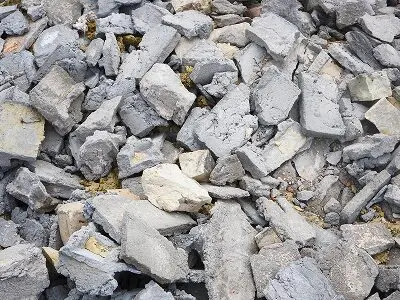
Broken concrete, bricks, asphalt, and cinder blocks are known as “aggregate.” When kept clean and separate from other trash, this heavy material is highly recyclable and can be crushed for use as road base or new aggregate.
Roofing materials
Asphalt shingles, clay tiles, wood shakes, and roofing tar paper are all common forms of C&D debris. Some of these materials, particularly asphalt shingles, can be recycled at specialized facilities.
Flooring
Old carpet, padding, vinyl flooring, and broken tiles all qualify as C&D waste. Due to the mix of materials and adhesives, most flooring is destined for the landfill.
Packaging and jobsite waste
This category includes the large amounts of cardboard, plastic wrap, pallets, and food containers that accumulate on any active jobsite. Proper management of this building material disposal is key to keeping a site clean.
For smaller remodels and residential renovations, many homeowners rely on residential junk removal when debris volume exceeds standard cart capacity.
Approved Disposal Facilities in the Sacramento Area
Knowing where to take your debris is half the battle. You cannot simply haul C&D waste to any dump. The Sacramento region has specific facilities licensed to accept construction materials. Choosing the right one is essential for compliance.
Designated transfer stations
Local transfer stations, such as the North Area Recovery Station, are often the first stop for C&D debris. They have designated areas for this type of waste and can help sort it for recycling or final landfilling.
Construction-approved landfills
Not all landfills are permitted to accept C&D waste. The Kiefer Landfill is the primary destination for much of the region’s waste and has specific sections and procedures for handling construction materials. Driving to an unapproved facility will result in being turned away, wasting valuable time.
Specialized recycling facilities
For clean, sorted loads of materials like concrete or metal, taking them directly to a specialized recycling facility can be more cost-effective. These construction waste facilities Sacramento offers are focused on material recovery rather than burial.
Material recovery centers
Some advanced facilities are designed to sort mixed loads of C&D debris, using machinery and manual labor to pull out recyclable materials. While often more expensive than a standard landfill, they can be a good option for projects with mixed, unsorted waste.
Restricted Dumping Practices Contractors Should Avoid
Violations of contractor dumping laws are often born from a desire to save time or money, but they almost always backfire. Understanding what not to do is as important as knowing the correct procedures.
Unauthorized dumping locations
This is the most serious offense. It includes leaving debris on vacant lots, in rural areas, or in public alleyways. This practice of illegal construction dumping carries heavy fines, potential misdemeanor charges, and severe reputational damage if your company is caught.
Even a single load handled improperly can result in penalties far exceeding the cost of professional same-day junk removal.
Mixing restricted materials
Never mix hazardous waste with general C&D debris. Items like paint, solvents, asbestos-containing materials, and certain chemicals must be taken to a designated household hazardous waste (HHW) facility. Hiding them in a load of construction waste is illegal and dangerous.
Using non-approved containers
You cannot use standard residential trash or recycling bins for C&D debris. These materials are too heavy and abrasive for the standard collection system. You must use a designated dumpster, a dump truck, or a professional hauling service.
Improper transport
When hauling debris, the load must be properly secured and covered with a tarp. If items fall or fly out of your truck bed, you can be cited for creating a road hazard and for littering, in addition to any improper disposal violations.
Material Separation Requirements on Many Jobsites
Modern construction waste management is increasingly focused on recycling. To facilitate this, many municipalities, including those in the Sacramento area, encourage or require the separation of materials on the jobsite. This operational step is a hallmark of a professional contractor.
Concrete and aggregate separation
Keeping concrete, brick, and asphalt in a separate pile from wood and trash makes it eligible for recycling. This clean aggregate is a valuable resource, and separating it can sometimes lower your disposal fees.
Metal recovery
Scrap metal, including steel studs, copper piping, aluminum siding, and wiring, has significant value. A separate bin for metals ensures these materials are recycled and can even generate revenue for the project.
Wood sorting
Separating clean, untreated lumber from painted, treated, or glued wood products is essential. Clean wood can be recycled into mulch or biomass fuel, while treated wood must be landfilled. Our construction recycling guidelines can help your crew make this distinction.
Cardboard and packaging
The sheer volume of cardboard from material deliveries can be staggering. Keeping it flat, dry, and in a separate pile makes it easy to recycle and keeps it from filling up your more expensive general waste dumpster.
Hazard-sensitive materials
Items like fluorescent light bulbs (which contain mercury) or old thermostats must be handled separately. Proper construction material separation prevents these toxins from contaminating the broader waste stream.
Permit Considerations for Construction Waste
For larger projects, managing waste isn’t just a physical task; it’s an administrative one. While you may not need a “disposal permit” for every small job, there are several permit-related considerations to keep in mind.
Projects requiring disposal documentation
Some large-scale commercial or public works projects may require a formal waste management plan as part of the building permit process. This plan documents how you will handle, sort, and dispose of all debris generated by the job.
Municipal oversight
If your project is subject to inspections, the inspector may check to ensure your waste management practices are compliant. Having a clean site with properly staged materials shows professionalism and can contribute to a smoother inspection process.
Container placement considerations
Placing a large roll-off dumpster on a public street often requires an encroachment permit from the city or county. Failing to get one can result in fines and an order to move the container immediately, causing significant project disruption.
Debris transport expectations
While you don’t need a special permit to haul your own project’s waste in most cases, if you are hauling waste for others for a fee, you are legally required to be a registered waste hauler. This is why hiring a professional, licensed service is critical.
Environmental Considerations in Construction Disposal
Modern clients, especially in California, care about sustainability. Adopting responsible disposal practices is not just about compliance; it’s a selling point that can differentiate your business. A commitment to sustainable construction disposal signals that your company is forward-thinking and professional.
Reducing landfill dependency
By prioritizing recycling, you actively contribute to reducing the amount of material being buried in local landfills. This conserves a critical resource and minimizes the long-term environmental impact of your projects.
Supporting material recovery
Recycling C&D materials conserves natural resources. Using crushed concrete as road base means less rock needs to be quarried. Recycling scrap metal means less ore needs to be mined. Your disposal choices have a real impact on resource conservation.
Preventing site contamination
Properly managing waste prevents soil and water contamination on and around your jobsite. Ensuring that paints, solvents, and other chemicals are handled correctly protects the property you’re working on and the surrounding environment.
Encouraging responsible hauling
Partnering with a hauler that provides documentation on recycling rates can be a powerful tool. It allows you to demonstrate your project’s commitment to eco friendly contractor waste removal to your clients and regulatory agencies.
How Compliance Helps Keep Projects on Schedule
For a contractor, time is money. Every unexpected delay eats into profit margins and pushes back completion dates. A compliant waste management strategy is a simple and effective way to avoid construction delays disposal issues can cause.
Fewer unexpected interruptions
A clean, organized site is less likely to attract negative attention from code enforcement or OSHA. By managing waste proactively, you prevent the surprise inspections and stop-work orders that can derail a project for days.
Reduced regulatory risk
Knowing your debris is being handled by a licensed professional who understands local regulations means you don’t have to worry about a call from the county about an illegal dumping incident traced back to your jobsite. This peace of mind allows you to focus on the work itself.
Working with a provider experienced in junk removal ensures debris is processed according to local facility requirements without unexpected delays.
Smoother inspections
When a building inspector arrives at a site that is clean, safe, and well-managed, it sets a positive tone for the entire inspection. It signals that you are a professional who pays attention to detail, which can lead to a smoother, faster approval process.
Predictable project flow
Integrating waste removal into your project schedule, rather than treating it as an afterthought, creates a predictable rhythm. Regular pickups prevent debris from piling up, ensuring subcontractors always have a clear and safe space to work.
Related Construction and Disposal Resources
Compliance in construction waste is a multi-faceted topic. To build on the information here, we recommend exploring these related guides that provide deeper insights into specific areas of disposal and material handling.
- Construction Debris Removal: Learn more about our professional construction debris removal services for jobs of all sizes.
- Recycling Rules for Junk Removal Items: A detailed look at the broader recycling requirements for various materials.
- Illegal Dumping Laws in Sacramento County: Understand the specific dumping regulations and penalties to avoid.
- Junk Removal Rules, Laws & Disposal: Our comprehensive pillar page covering all local disposal laws.
Working With Experienced Haulers Supports Compliance
You are an expert in construction, not waste management. Partnering with a professional junk removal service allows contractors to focus on building while disposal logistics are handled professionally.
Familiarity with facility requirements
Professional hauling teams are familiar with local facility requirements and disposal processes.
Responsible transport practices
Proper transport includes safely loading debris and securing it according to regulations.
Material routing awareness
Materials are typically sorted to ensure they are routed to appropriate recycling or disposal facilities.
Reduced disposal risk
Using a professional service helps reduce compliance risk and ensures debris is handled correctly.
Why Contractors Benefit From Understanding Local Disposal Rules
A basic understanding of construction waste rules Sacramento enforces is a powerful tool for any contractor. It helps you plan better, bid more accurately, and run a more professional operation.
Helps prevent costly mistakes
Knowing the rules helps you avoid the simple mistakes that can lead to expensive fines and project delays.
Improves jobsite efficiency
When you plan for waste management from the beginning, you can integrate sorting and removal into your workflow, leading to a safer and more efficient jobsite.
Supports professional standards
A compliant and clean jobsite is a direct reflection of your company’s professionalism. It impresses clients, reassures inspectors, and sets a high standard for your entire team.
Protects project timelines
Ultimately, contractor disposal compliance is about protecting your schedule. By eliminating the risk of waste-related interruptions, you help ensure your project finishes on time and on budget.
Need Help Handling Construction Debris the Right Way?
When disposal requirements are unclear or debris volume exceeds jobsite capacity, working with an experienced team can help keep projects moving while supporting responsible material handling. Don’t let waste management become a bottleneck for your project.
Focus on building. If you need help managing construction debris, professional junk removal can handle the process efficiently while keeping your project compliant.
Construction Debris Disposal — FAQs
What counts as construction debris in Sacramento?
Construction debris includes materials from building, renovation, or demolition, such as drywall, lumber, concrete, brick, roofing, flooring, and insulation. It is handled separately from regular household trash.
Where can contractors dispose of renovation waste?
Contractors must use licensed facilities. This includes designated transfer stations, C&D-approved landfills like the Kiefer Landfill, or specialized recycling centers that accept materials like clean concrete or metal.
Do materials need to be separated before disposal?
Separating materials is highly recommended and sometimes required. Separating clean wood, metal, and concrete from general trash can lower disposal costs and is necessary for recycling. Following contractor disposal rules for sorting is a best practice.
Are permits sometimes required for debris removal?
While you typically don’t need a permit to haul your own waste, placing a large dumpster on a public street usually requires an encroachment permit from the local municipality.
What materials cannot go to standard landfills?
Hazardous materials are strictly forbidden. This includes paint, solvents, asbestos, chemicals, and certain electronic components. These items must be taken to a designated hazardous waste collection facility.
How can contractors avoid disposal violations?
The best way is to have a clear waste management plan. Use a licensed hauling service, ensure dumpsters are not placed illegally, never mix hazardous waste with C&D debris, and keep your site organized to avoid attracting negative attention from code enforcement.