Losing a loved one brings an overwhelming wave of grief and emotional turbulence. Amidst the sorrow, families often face the daunting responsibility of sorting through the deceased’s personal belongings and emptying their residence. This is far more than a standard house cleaning; it requires you to navigate decades of memories packed into boxes, closets, and cupboards.
Approaching this monumental job requires patience, a clear plan, and an abundance of self-compassion. The process of dismantling a home forces you to make complex decisions while you are already emotionally depleted. You must decide what to keep, what to give away, and how to manage the logistical heavy lifting of clearing the property.
This comprehensive guide will help you manage the emotional and physical challenges of cleaning out a family home after a loss. We will outline a step-by-step approach to organizing the space, share strategies for handling family dynamics, and explain how professional junk removal from Take Care Junk can alleviate the heavy burden. By following these practical steps, you can honor your loved one’s memory while effectively managing their estate.
The Emotional Toll of Emptying a Family Home
Before you pick up a single box or open a closet door, you must acknowledge the profound emotional weight of this project. Sorting through a deceased relative’s possessions forces you to confront their absence directly. Every object you touch carries a story, a memory, or a reminder of the life they lived.
Allowing Time to Grieve
Do not rush into clearing the house immediately after the funeral unless legal or financial deadlines force your hand. Give yourself and your family time to breathe and process the immediate shock of the loss. When you dive into physically demanding tasks too soon, you risk pushing your grief aside, which often leads to emotional exhaustion later.
If the property is rented or needs to go on the market quickly, you may face a tight timeline. Even in these situations, try to schedule specific days for cleaning and build in breaks. Step outside, take a walk, and allow yourself to cry when a specific item triggers a wave of sadness.
Avoiding Decision Fatigue
Decision fatigue occurs when the sheer volume of choices you must make depletes your mental energy. When clearing an entire house, you make hundreds of micro-decisions every hour. Should you keep this book? Does a family member want this old chair? What do you do with a drawer full of mismatched silverware?
To combat decision fatigue, set strict time limits for your cleaning sessions. Work for two or three hours, and then stop for the day. If you find yourself staring blankly at a box unable to make a choice, it is time to step away. Forcing decisions when you are exhausted often leads to regrets over items you threw away or kept unnecessarily.
Preparing for the Clean-Out Process
A successful estate clean-out requires preparation before the actual sorting begins. Creating a solid foundation prevents chaos and keeps the project moving forward systematically.
Gathering Essential Supplies
You will need a substantial amount of supplies to handle the sorting and packing process. Purchase heavy-duty trash bags, sturdy moving boxes, packing tape, bubble wrap, and permanent markers. Having these items on hand ensures you do not have to stop your momentum to run to the store.
Additionally, prepare protective gear for yourself and your helpers. Wear comfortable clothing, sturdy closed-toe shoes, and consider using dust masks and gloves. Many older homes accumulate dust, mold, or allergens in attics and basements, so protecting your health is crucial.
Securing Important Documents
Before you sort the furniture or clothing, locate and secure all essential documents. Search desks, filing cabinets, home safes, and even unexpected places like shoeboxes or under mattresses. These documents are vital for the executor of the estate to manage the legal and financial affairs of the deceased.
Look for a will, life insurance policies, bank statements, real estate deeds, vehicle titles, and tax returns. You should also secure social security cards, birth certificates, and passwords for digital accounts. Place all these documents in a secure, fireproof box and keep them off-site to ensure they are not accidentally thrown away.
A Step-by-Step Guide for Organizing the Process
Attempting to clean the entire house at once will instantly overwhelm you. You need a methodical approach to break the project down into manageable, bite-sized tasks.
Start with the Easiest Areas
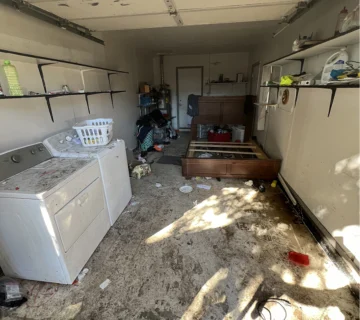
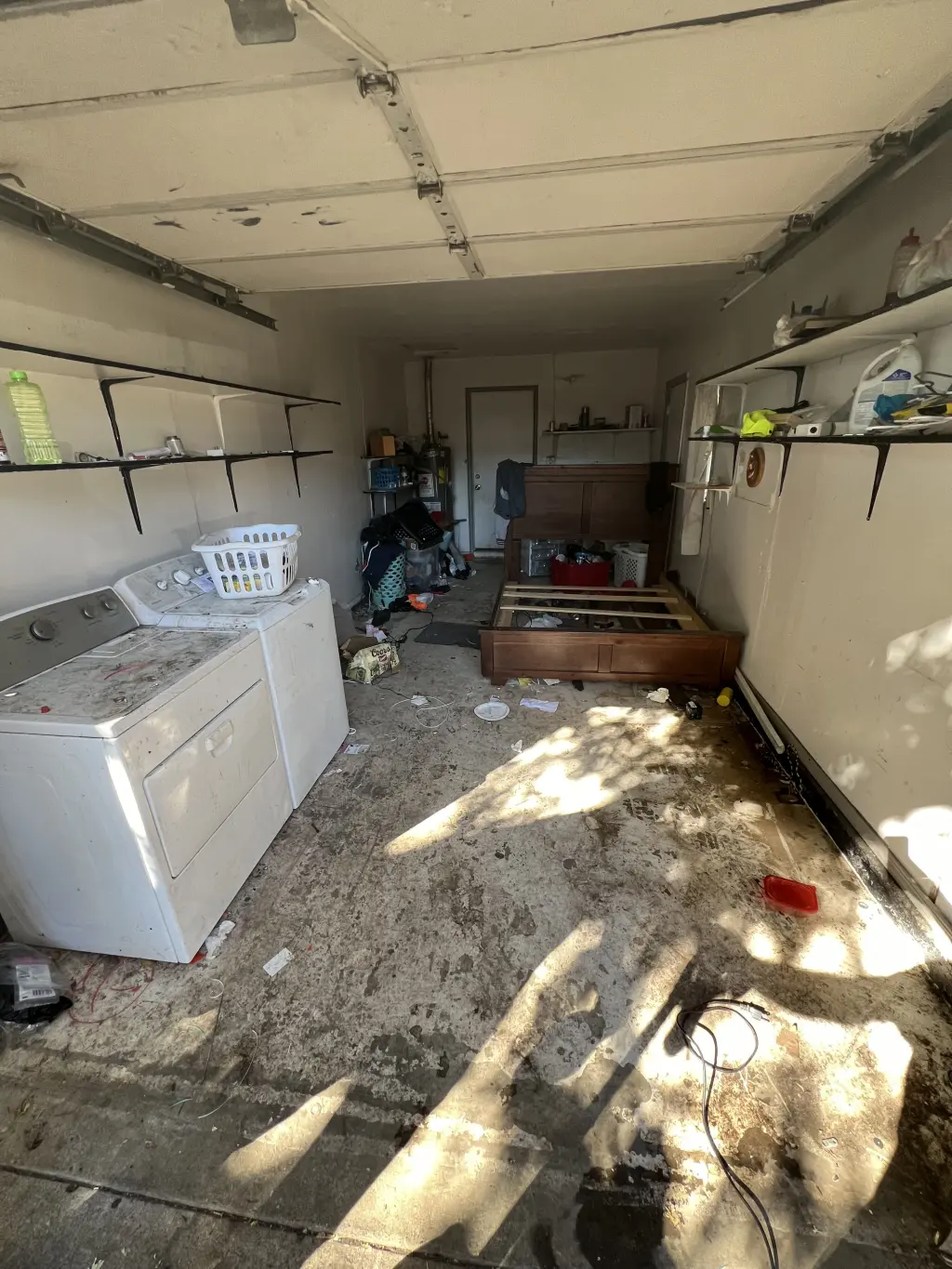
Always begin the sorting process in the rooms that hold the least emotional significance. The garage, the laundry room, or a secondary guest bathroom are excellent starting points. These spaces generally contain practical, utilitarian items like cleaning supplies, tools, and old towels.
By starting here, you build momentum and get accustomed to the sorting process without immediately facing emotionally charged items. Once you successfully clear a few practical rooms, you will feel more confident tackling the bedroom or the living room where personal memories reside.
Sorting Items Systematically
Use a structured sorting system in every room you tackle. The most effective method involves setting up specific staging areas for different categories of items. Label large boxes or designate corners of the room for the following categories:
- Keep: Items family members want to retain for sentimental or practical reasons.
- Sell/Donate: Items in good condition that hold value or can benefit a charity.
- Recycle: Paperwork, plastics, electronics, and metals that can be recycled locally.
- Dispose: Broken, soiled, or obsolete items that serve no purpose.
Handle each item only once. Make a quick decision and place it in the appropriate pile. If you genuinely cannot decide on an item, create a small “undecided” box, but limit its size to force decisions eventually.
Dealing with Sentimental vs. Practical Items
Differentiating between practical goods and sentimental treasures is one of the hardest parts of an estate clean-out. Practical items include everyday clothing, standard kitchenware, and basic furniture. These items are generally easy to donate or discard.
Sentimental items—like photographs, handwritten letters, family heirlooms, or a favorite piece of jewelry—require more thought. You cannot keep everything your loved one owned, or you will simply transfer their clutter into your own home. Choose a few meaningful pieces that truly represent their spirit and let go of the rest. Taking photographs of items before you donate them is a great way to preserve the memory without taking up physical space.
Navigating Family Dynamics and Inheritance
Cleaning out a home frequently involves multiple family members, which can lead to stress, misunderstandings, and conflict. Grief manifests differently in everyone, and tensions often run high during this process.
Fostering Open Communication
Before the clean-out begins, hold a family meeting to discuss expectations, timelines, and the division of labor. Transparency is the best way to prevent resentment. Establish a clear plan for how decisions will be made and who has the final say, usually the legal executor of the estate.
Create a shared list where family members can request specific items they wish to inherit. If multiple people want the same item, try to resolve the issue calmly before you enter the house. Setting these ground rules early on helps maintain peace and ensures everyone feels heard and respected.
Handling Disputes Over Heirlooms
Disagreements over sentimental or valuable items are common. When disputes arise, step back and remind everyone that preserving family relationships is more important than acquiring a piece of furniture.
Consider using a lottery system for dividing highly desired items. Have family members draw numbers to determine the order in which they select an item. Alternatively, you can hire an independent estate appraiser to value the items, ensuring the financial distribution remains fair and equitable according to the will.
Managing the Logistics of Disposal and Donation
Once the sorting is complete, you face the massive logistical challenge of removing everything from the property. This phase requires coordination, heavy lifting, and an understanding of local disposal regulations.
Donating Usable Goods
Donating items is a wonderful way to honor your loved one’s memory by helping others in need. Sort clothing, usable furniture, and household goods, and research local charities that accept these items. Many organizations will schedule free pickups for large furniture, saving you the trouble of renting a truck.
Ensure all donated items are clean and in good working condition. Charities spend thousands of dollars disposing of broken or unsellable goods, so be mindful of what you give them. Pack small items securely in boxes and clearly label them for the charity workers.
Holding an Estate Sale
If the home contains many valuable items, antiques, or high-quality furniture, an estate sale might be the best option. An estate sale helps offset the costs of managing the property and the funeral expenses.
You can organize the sale yourself, but hiring a professional estate liquidator is often worth the investment. They handle the pricing, advertising, and management of the sale, allowing you to focus on other matters. After the sale concludes, you will need a plan for whatever remains unsold.
How Professional Junk Removal Alleviates the Physical Burden
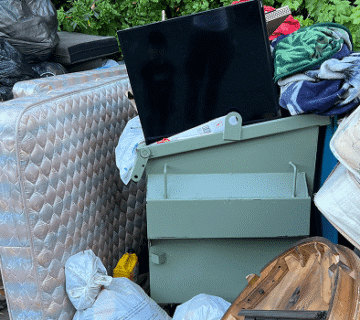
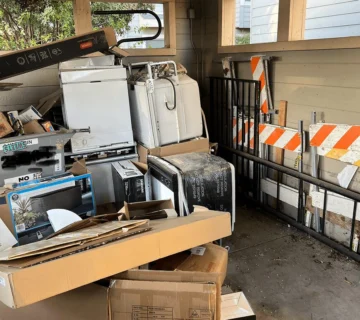
After family members have taken their keepsakes, the charities have picked up donations, and the estate sale is over, you will inevitably be left with a significant amount of unwanted items. Old mattresses, broken appliances, outdated electronics, and general trash pile up quickly.
Reclaiming Your Time and Energy
Handling the final disposal phase on your own often means renting trucks, recruiting strong friends, and making endless trips to the local landfill. This physical labor is exhausting, especially when you are already emotionally drained from the sorting process.
Hiring a professional service allows you to step back and breathe. Instead of spending your weekends hauling heavy trash bags and awkwardly maneuvering broken couches through tight doorways, you simply point to what needs to go. The professionals handle all the lifting, loading, and disposal, giving you back your time and energy.
City pickup may work for a few small items, but full home cleanouts after a loss usually involve heavy furniture, old appliances, garage debris, and multiple truckloads that cannot be handled with standard curbside collection. Full-service junk removal saves time, labor, and repeated dump trips.
Safe and Efficient Removal Services
Clearing out a house poses physical risks. Lifting heavy furniture can cause back injuries, and navigating cluttered spaces increases the chance of trips and falls. Professional hauling teams are trained to remove items safely and efficiently without damaging the property’s walls or floors.
Furthermore, professionals know how to dispose of items responsibly. They understand local regulations regarding the disposal of e-waste, appliances containing freon, and hazardous materials. They ensure items are recycled whenever possible, keeping unnecessary waste out of the landfill.
Local Help for Estate Cleanouts
If clearing out a family home after a loss has turned into a larger cleanup project, professional junk removal can make the final stage much easier. Instead of coordinating truck rentals, multiple dump runs, and heavy lifting on your own, full-service hauling helps clear the property quickly so the home is ready for sale, transfer, or the next chapter.
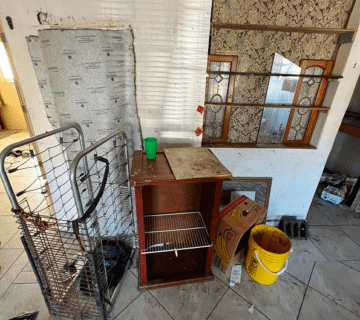
We help families, homeowners, landlords, and property managers throughout Sacramento and surrounding areas with estate cleanouts, furniture removal, appliance hauling, and full property cleanups. Whether the home still contains bulky furniture, old appliances, garage overflow, or years of accumulated belongings, the goal is the same—clear the property without turning it into another full-time job.
Conclusion
Cleaning out a family home after a loss is an enormous undertaking that tests your emotional resilience and physical stamina. By acknowledging the grief, planning meticulously, and breaking the project down into manageable steps, you can successfully navigate this difficult transition. Remember to communicate openly with your family and prioritize your well-being throughout the process.
You do not have to carry this heavy burden entirely on your own shoulders. When the sorting is done and you are ready to clear the remaining clutter, professional support makes all the difference. Our team at Take Care Junk is the local team families trust for respectful, reliable estate cleanouts during your time of need.
If you need assistance finalizing an estate clean-out, contact us today to discuss your situation. Let our professionals handle the heavy lifting so you can focus on honoring your loved one and moving forward.