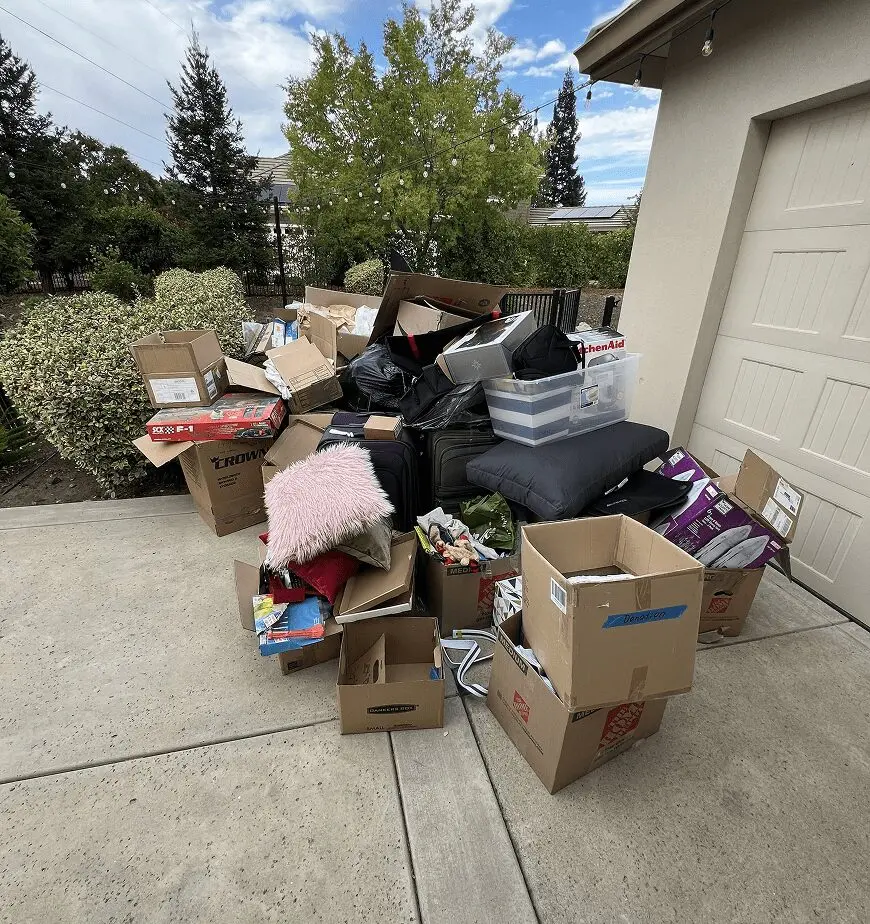
Going through a divorce is one of the most challenging life transitions you can experience. Alongside the emotional toll and the legal paperwork, you eventually face the monumental task of sorting through the physical remnants of your shared life. Your home, once filled with combined memories and belongings, can suddenly feel overwhelming.
Decluttering after a divorce is not just about organizing a closet or cleaning out a garage. It is a deeply personal, often emotional journey of letting go, reclaiming your space, and building a foundation for your new chapter.
Physical clutter often mirrors mental clutter. When your surroundings are filled with items that belong to the past, moving forward can feel impossible. This comprehensive guide will walk you through the emotional and physical process of sorting belongings after a separation. We will cover actionable strategies, room-by-room guides, and how professional solutions from Take Care Junk can simplify the transition so you can focus on healing.
The Emotional Toll of Post-Divorce Decluttering
Before you pick up a single box or trash bag, you must acknowledge the emotional weight of this process. Sorting through items you bought together, gifts you gave one another, or household goods you shared forces you to confront memories.
Processing Memories Attached to Items
Every object in your home holds a story. That faded armchair might be where you spent your first evening in the house. A simple set of dishes might remind you of family dinners. When deciding what to keep and what to discard, you are not just evaluating the utility of an item; you are evaluating the memory attached to it.
Give yourself permission to feel the grief, anger, or sadness that arises. It is completely normal to cry over something as mundane as a toaster or a picture frame. Do not rush this process. If an item triggers a strong emotional reaction, step away and take a breath.
Making Decisions While Grieving
Decision fatigue is a real phenomenon, and it strikes intensely during a divorce. You are already making massive decisions about your finances, living situation, and potentially your children. Adding the stress of deciding whether to keep a worn-out rug or an old television can push you over the edge.
To combat this, set small, manageable goals. Do not attempt to declutter the entire house in a weekend. Commit to 20 minutes a day, or focus on a single drawer or shelf. Give yourself grace when you feel paralyzed by a choice.
Creating a Decluttering Strategy That Works
Approaching your home without a plan is a recipe for frustration. A structured approach helps you maintain momentum and prevents the project from stalling.
The Four-Box Method
One of the most effective ways to declutter is the Four-Box Method. Bring four large boxes or bins into the room you are working on and label them:
- Keep: Items you use regularly, love, and want in your new life.
- Sell/Donate: Items that are in good condition but no longer serve you.
- Toss: Broken items, worn-out goods, and absolute junk.
- Undecided: Items you are too emotionally attached to part with right now, but do not necessarily want to keep. (Limit the size of this box to force decisions eventually).
Take It One Room at a Time
Never try to tackle multiple rooms simultaneously. If you pull items out of the bedroom, the living room, and the kitchen all at once, you will create a chaotic mess that will only increase your anxiety. Start with the least emotionally triggering room. For many, this is the bathroom or a guest room.
Navigating Shared Belongings
Dividing assets is a major part of the divorce process. While lawyers handle bank accounts and real estate, you and your ex-partner must figure out what to do with the furniture, appliances, and decor.
Legal and Fair Division
First, ensure you understand any legal stipulations regarding your shared property. Do not throw away or sell high-value items without consulting your legal counsel or reaching a written agreement with your former spouse.
Once you have the green light, aim for a clean break. Make a list of the major items and take turns choosing what you want to keep. If your ex-partner leaves behind items they do not want, you become responsible for their disposal.
Letting Go of the Unwanted
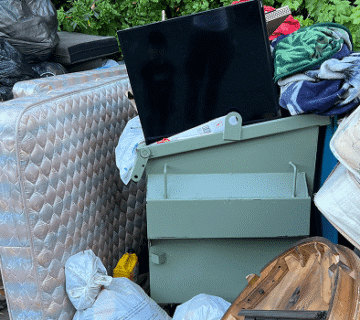
Often, neither party wants the bulky, heavy, or outdated furniture. You might find yourself staring at an old mattress, a broken lawnmower, or a massive sectional sofa that will not fit in your new apartment.
This is where professional help becomes invaluable. Instead of spending your weekends hauling heavy items to the dump, you can hire a professional service. If you are located in the capital region, reliable Sacramento junk removal services can quickly clear out these unwanted reminders of the past, leaving you with a clean slate.
Room-by-Room Guide to Reclaiming Your Space
Breaking the house down room by room makes the decluttering process actionable. Here is how to approach each specific area.
The Master Bedroom
The bedroom is often the most emotionally charged room in the house. It was your shared sanctuary, and now it needs to become your independent retreat.
- The Bed: Many newly divorced individuals choose to buy a new mattress and bedding. It is a symbolic fresh start. If you are keeping the bed, at least invest in new sheets and a comforter that reflect your personal style.
- Closets: Sort through your clothing. Box up any of your ex’s remaining clothes and ask them to pick them up by a specific date. If the date passes, donate them. For your own clothes, get rid of items you no longer wear or that hold negative memories.
- Nightstands: Clear out the drawers completely. Wipe them down and only put back items you need for a restful night’s sleep.
The Living Room and Common Areas
The living room is filled with joint purchases: the television, the couch, the coffee table, and the artwork.
- Decor: Take down photos of the two of you. You do not have to throw them away if you have children; put them in a dedicated memory box for the kids.
- Furniture: Evaluate the furniture. Does it fit your future living situation? If you are downsizing, that oversized recliner might need to go.
- Entertainment: Sort through DVDs, books, and records. Divide them fairly, and donate what neither of you wants.
The Kitchen
Kitchens are highly functional spaces, but they accumulate a massive amount of clutter.
- Duplicates: You probably have duplicates of many tools. You only need one can opener, one set of measuring cups, and one coffee maker.
- Pantry: Throw away expired food. If you are moving, try to eat down your pantry inventory to reduce the number of boxes you have to pack.
- Dishware: If you have chipped plates or mismatched glasses, now is a great time to toss them. Treat yourself to a modest, matching set for your new home.
The Garage and Storage Spaces
Garages, attics, and basements are the final frontiers of decluttering. They are where we hide the things we do not want to deal with. This means they are often packed with years of accumulated junk.
- Tools and Equipment: Divide the tools based on who actually uses them. If you never do yard work, let your ex take the lawnmower.
- Holiday Decor: Go through the holiday bins. Keep the ornaments that hold personal significance to you, and let go of the rest.
- Heavy Lifting: Garages are notorious for harboring heavy, awkward items like old tires, broken appliances, and scrap wood.
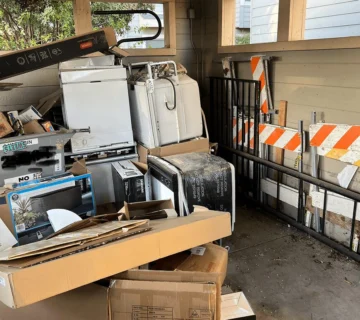
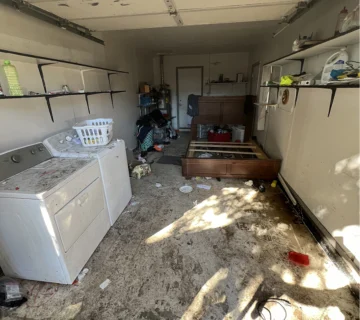
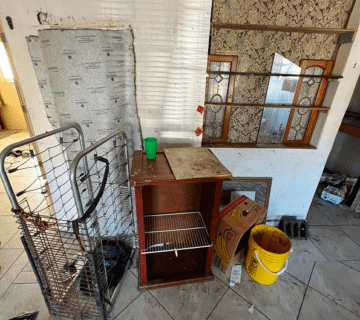
Packed garages often involve the hardest part of decluttering—heavy lifting. Old appliances, broken furniture, tires, scrap wood, and oversized storage items can quickly turn into a full weekend project. Professional junk removal helps clear those bulky items safely and quickly without the stress of hauling everything yourself.
When to Call in the Professionals
Divorce drains your energy, your time, and your emotional reserves. You do not have to do everything yourself. In fact, trying to manage a massive decluttering project alone can prolong your stress.
Why Junk Removal is a Lifesaver
Hiring a professional junk removal company provides an immediate, tangible result. You point to what you want gone, and it disappears. This physical clearing of space creates a profound sense of psychological relief.
When you hire a team, you eliminate the need to:
- Rent a truck or trailer
- Beg friends and family for help
- Risk injury lifting heavy furniture
- Spend hours driving to the landfill and recycling centers
- Figure out local disposal regulations for electronics or appliances
City pickup may work for a few small items, but post-divorce cleanouts usually involve heavy furniture, broken appliances, garage clutter, and multiple truckloads that cannot be handled with standard curbside collection. Full-service junk removal saves time, labor, and repeated dump trips.
Local Help for Post-Divorce Cleanouts
If decluttering after a divorce has turned into a bigger cleanup project than expected, professional junk removal can make the final stage much easier. Instead of coordinating truck rentals, dump runs, and heavy lifting on your own, full-service hauling helps clear the property quickly so you can move forward without dragging the past with you.
We help homeowners, renters, landlords, and families throughout Sacramento and surrounding areas with furniture removal, appliance hauling, garage cleanouts, and full property cleanups. Whether the home still contains bulky furniture, old appliances, garage overflow, or years of accumulated belongings, the goal is the same—clear the space without turning it into another exhausting project.
Moving Forward with a Fresh Start
Once the clutter is gone and the unwanted items have been hauled away, you will likely feel a profound shift in the energy of your home. The physical weight of the past has been lifted, making room for the future.
Designing Your New Environment
Now comes the empowering part: redesigning your space on your own terms. You no longer have to compromise on decor, color palettes, or furniture arrangement.
- Rearrange the Furniture: Simply changing the layout of a room can make it feel like an entirely new space. Move the couch, angle the rug differently, or swap the placement of your bookshelves.
- Bring in Fresh Energy: Open the windows to let in fresh air. Buy a new houseplant. Hang artwork that you love but your ex never cared for. Paint a wall your favorite color.
- Create Zones for Your Hobbies: If your former partner’s golf clubs used to take up the garage, use that space to set up a potting bench, a home gym, or a painting studio. Reclaim the space for the things that bring you joy.
Maintaining a Clutter-Free Life
Going through a massive decluttering project after a divorce teaches you a vital lesson: stuff is just stuff. It is the peace of mind that truly matters. To maintain your newly cleared space, adopt simple habits.
- Implement a “one in, one out” rule for clothing and decor.
- Deal with mail and paperwork immediately so it doesn’t pile up.
- Do a 10-minute tidy every evening before bed so you always wake up to a clean home.
Conclusion
Decluttering after a divorce is a deeply emotional but ultimately liberating experience. It is the physical manifestation of letting go of the past and making room for a new, independent life. By taking it one step at a time, being gentle with yourself during the emotional moments, and utilizing practical methods like the four-box system, you can successfully navigate this overwhelming task.
Remember, you do not have to carry the heavy burdens alone. When you are ready to remove the physical remnants of the past from your property, professional help is available. Take Care Junk is here to support you through this transition with compassionate, efficient, and reliable service.
If you are ready to reclaim your space and start your new chapter, contact us today to schedule a pickup. Let us handle the heavy lifting so you can focus on building your beautiful new life.