Organizing an estate sale often marks a significant life transition. Whether you are managing the property of a loved one who has passed away, helping aging parents downsize, or liquidating assets for a major cross-country move, the process requires immense planning. The sheer volume of items left in a household can feel completely overwhelming. You’re looking at rooms filled with decades of memories, furniture, and personal items, and it is hard to know exactly where to begin.
An estate sale differs greatly from a standard weekend garage sale. It involves selling the majority of a home’s contents, often including high-value antiques, fine jewelry, vehicles, and everyday household goods. Because of the scale, preparing a home for an estate sale requires a strategic, methodical approach to maximize your profits while minimizing your stress.
This comprehensive guide breaks down the complex process of estate sale preparation into actionable steps. We will explore the emotional journey of sorting through personal belongings, the logistical hurdles of staging a home, and the best methods for pricing items. Finally, we will explain how professional services from Take Care Junk can help you swiftly manage any remaining items once the sale concludes.
Understanding the Purpose of an Estate Sale
Before you start sorting items or tagging prices, you need to understand the fundamental goals of an estate sale. That clarity makes it easier to make smart decisions throughout the process.
When is an Estate Sale Necessary?
Families typically host estate sales during major life events. The most common scenario is after the passing of a family member, when the heirs need to empty the property to sell the real estate. However, estate sales are also highly effective for severe downsizing. If your parents are moving from a four-bedroom house into a senior living community, they simply cannot take everything with them.
Divorce and bankruptcy can also trigger the need for an estate sale. In all these situations, the primary goal is liquidating physical assets quickly and efficiently to generate cash and clear the property.
Estate Sale vs. Garage Sale
You must recognize the distinction between a garage sale and an estate sale. A garage sale usually features items you no longer want—old clothes, unused toys, or outdated kitchen gadgets. You set up a few folding tables in the driveway and hope to make a little extra weekend cash.
An estate sale involves opening the entire home to the public. Shoppers walk through the living room, bedrooms, kitchen, and garage. They expect to find higher-quality items, including valuable furniture, art, collectibles, and fine china. Because the stakes are higher, the preparation, marketing, and presentation must be significantly more professional.
The Emotional Journey of Sorting Belongings
Preparing for an estate sale is rarely just a physical task. It is deeply emotional. When you touch items that belonged to someone you love, you naturally experience a wave of memories and grief.
Giving Yourself Grace and Time
Do not expect to sort through an entire house in a single weekend. Pushing yourself too hard leads to severe emotional burnout and decision fatigue. Set a realistic timeline that allows you to take breaks.
If you find yourself paralyzed by a particular box of photographs or an old piece of furniture, step away. Go for a walk, drink some water, and return to a different, less emotionally charged room. The kitchen or the garage often serve as great starting points because they contain more practical, utilitarian items.
Involving Family Members in the Process
If multiple family members are involved in the estate, communication is your most valuable tool. Misunderstandings over inheritance and personal keepsakes can cause permanent rifts.
Hold a family meeting before anyone starts packing boxes. Discuss who wants specific items and establish a fair system for distributing family heirlooms. Complete this distribution long before you begin staging the home for the public sale. Once family members have claimed their sentimental pieces, you can focus on selling the rest without worrying about accidental sales of treasured items.
Step-by-Step Logistics for Estate Sale Preparation
With the emotional groundwork laid, you can begin the physical preparation. A systematic approach prevents the house from descending into total chaos.
Step 1: Secure Important Documents and Valuables
Your very first task is a treasure hunt for critical paperwork and highly valuable small items. Walk through the house and secure all personal documents. Look for wills, bank statements, life insurance policies, real estate deeds, and tax returns. Do not forget to check the pockets of old coats, the backs of desk drawers, and the bottoms of shoe boxes.
Simultaneously, secure small valuables like cash, fine jewelry, and firearms. Remove these items from the property entirely or lock them in a secure safe that shoppers cannot access.
Step 2: Separate Items to Keep, Sell, and Discard
Bring a steady supply of heavy-duty trash bags, boxes, and marker pens into the home. Go room by room and categorize every single item.
- Keep: Items family members have claimed.
- Sell: Items in good condition that have resale value.
- Discard: Broken items, expired food, hazardous chemicals, and literal trash.
Do not clean the items you intend to sell just yet. Focus purely on sorting. Your goal is to clear out the trash so you can see exactly what inventory you have for the sale.
Step 3: Do Not Throw Away Potential Treasures
One of the biggest mistakes families make is throwing away items they assume are worthless. Vintage clothing, old magazines, mid-century modern kitchenware, and even broken watches can hold significant value for collectors.
When in doubt, leave the item in the “sell” pile. The worst that happens is it does not sell during the event. Let the buyers decide what has value.
Pricing and Valuing Estate Items
Pricing is the most challenging aspect of an estate sale. If you price items too high, they will not sell, and you will be left with a house full of stuff. If you price them too low, you lose out on potential revenue.
Researching Fair Market Value
You must detach your emotional value from the financial value of an item. A dining room table where your family shared Thanksgiving dinners for twenty years holds immense emotional weight to you. To a stranger, it is simply a used table.
Use online resources to research current market values. Look at completed sales on auction websites rather than active listings. An active listing only shows what someone hopes to get; a completed sale shows what someone actually paid.
When to Hire a Professional Appraiser
If the home contains fine art, rare coins, antique furniture, or extensive jewelry collections, you need professional help. Do not guess the value of these items.
Hire an independent, certified appraiser to evaluate high-ticket pieces. While this costs money upfront, it prevents you from accidentally selling a $5,000 painting for fifty bucks. You can also print out the appraisal documentation and display it next to the item during the sale to justify your asking price.
Organizing and Staging the Home
Presentation directly impacts your total sales. A cluttered, dirty house depresses prices. A well-lit, organized, and clean home encourages shoppers to open their wallets.
Creating a Logical Flow for Shoppers
Think of the home as a retail store. You need to create clear pathways for foot traffic. Remove tripping hazards like loose rugs or extension cords. Ensure every room has excellent lighting. If a room has poor natural light, bring in floor lamps to brighten the space.
Group similar items together. Create a dedicated section for tools in the garage. Keep all kitchen appliances and dishes in the kitchen. Set up a section for books, records, and media in the living room. This logical organization helps buyers find what they want quickly.
Cleaning and Presenting Items Attractively
You do not need to hire a professional cleaning crew, but you should wipe off decades of dust. Clean glass surfaces, polish wood furniture slightly, and ensure linens and clothing smell fresh.
Display smaller, more valuable items in locked glass cases if possible, or place them near the checkout area where you can keep a close eye on them. Use folding tables covered with simple, neutral tablecloths to display smaller goods. Avoid piling items on top of each other.
Managing the Sale Day
After weeks of preparation, the actual sale days arrive. This period is fast-paced and requires a team effort. You cannot run an entire estate sale by yourself.
Security and Safety Measures
Estate sales attract large crowds. You need enough trusted friends or family members to staff the event properly. Station one person at the front door to control the number of people entering the home. Have at least one person in every major room to answer questions and deter theft.
Limit access to certain areas of the home. If a room is strictly used for storage or contains items not for sale, lock the door and put a clear “Do Not Enter” sign on it.
Handling Negotiations and Payments
Estate sale shoppers love to haggle. It is part of the culture. Decide beforehand how much negotiating you are willing to tolerate. A common strategy is to hold firm on prices during the first day of the sale, offer a 25% discount on the second day, and a 50% discount on the final day.
Set up a clear, central checkout station. Have plenty of small bills and coins for change. Consider accepting digital payments through mobile apps, as many people no longer carry large amounts of cash. Keep your cash box secure and assign one specific person to manage all financial transactions.
What to Do With Unsold Items
No matter how successful your sale is, you will have items left over. When the doors close on the final day, you transition immediately from a sales mindset to a clearing mindset. The house still needs to be emptied.
Donating to Local Charities
Many leftover items are perfect for donation. Clothing, basic kitchenware, books, and functional furniture can greatly benefit local charities, homeless shelters, and thrift stores.
Research charities in your area that offer free pickup services for large furniture. Schedule this pickup well in advance, as their calendars fill up quickly. Ensure you get a donation receipt for tax purposes. This helps offset the cost of the estate and provides a financial benefit even for unsold items.
Recycling Electronics and Materials
You will likely encounter outdated electronics, broken appliances, and scrap metal that you cannot sell or donate. Do not simply throw these items into a dumpster. Many local municipalities have strict regulations regarding the disposal of e-waste and appliances containing refrigerants.
Sort these items into a specific area of the garage or driveway. You will need a plan to transport them to the appropriate recycling facilities.
Clearing the Final Clutter with Professional Help
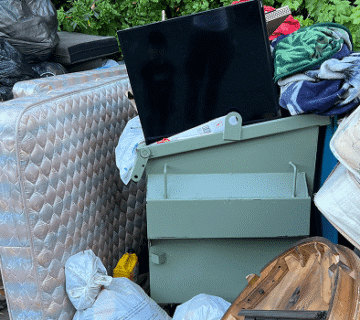
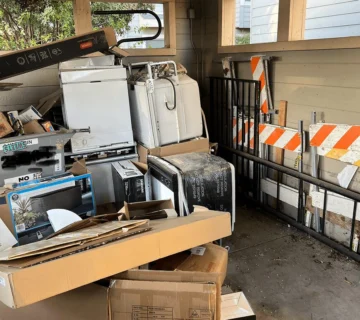
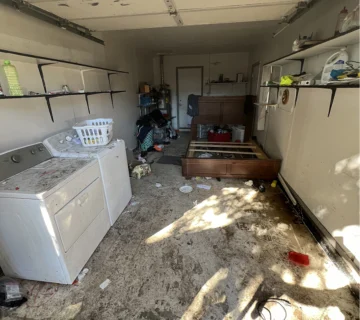
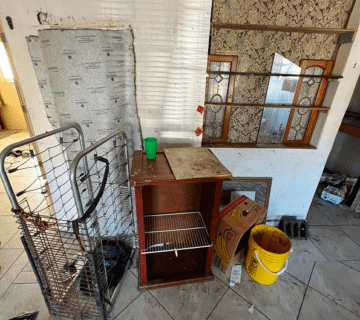
Once family members have taken their keepsakes, buyers have purchased the valuables, and charities have collected the donations, you face the final hurdle. The property is usually left with broken furniture, heavy appliances, torn carpets, and general debris.
Tackling this final cleanout alone is physically exhausting. You have already spent weeks organizing and managing a stressful event. Renting a truck, recruiting friends to do heavy lifting, and making multiple trips to the landfill is a recipe for injury and extreme fatigue.
City pickup can work for a few small items, but estate sale leftovers usually involve heavy furniture, old appliances, garage debris, and multiple truckloads that cannot be handled with basic curbside collection. Full-service junk removal saves time, labor, and repeated dump trips.
Why Junk Removal Makes the Final Step Easy
Hiring a professional hauling service transforms a grueling multi-day project into a seamless process that takes only a few hours. A professional team arrives with the right equipment, the right vehicles, and the muscle to handle everything you left behind.
You simply point to the items you want gone. The team removes the heavy sofas, the ancient chest freezers, and the piles of scrap wood from the garage. This allows you to hand over the keys to the real estate agent or the new owners with complete peace of mind, knowing the property is completely clear.
Local Help for Estate Cleanouts
If preparing for an estate sale has turned into a larger cleanout project, professional junk removal can make the final stage much easier. Instead of coordinating truck rentals, multiple dump runs, and heavy lifting on your own, full-service hauling helps clear the property quickly so the home is ready for sale, transfer, or its next chapter.
We help families, homeowners, landlords, and property managers throughout Sacramento and surrounding areas with estate cleanouts, furniture removal, appliance hauling, and full property cleanups. Whether the home still contains bulky furniture, old appliances, garage overflow, or years of accumulated belongings, the goal is the same—clear the property without turning it into another full-time job.
Conclusion
Preparing a home for an estate sale is a monumental task that requires careful planning, physical stamina, and emotional resilience. By understanding the true value of the items, organizing the home logically, and managing the sale days efficiently, you can successfully liquidate the property’s assets.
Remember that you do not have to handle the heavy lifting of the final cleanout alone. When the sale ends and you are left with unwanted debris and bulky furniture, let the professionals step in.
Take Care Junk is your local team homeowners and families trust for wrapping up an estate sale. We handle the heavy lifting, the sorting, and the responsible disposal of all remaining items, leaving the property broom-swept and ready for its next chapter. If you are preparing for an estate sale and need a reliable cleanout strategy, contact us today to schedule your service. Let us take care of the junk so you can take care of your family.