Updating your home is an exciting process that breathes new life into your living space. Whether you are knocking down walls to create an open floor plan or gutting a dated bathroom, remodeling projects require significant effort. However, once the dust settles, you face an entirely new challenge. You must figure out what to do with the massive piles of leftover construction waste.
Tossing these materials into your standard garbage bin is often illegal and highly impractical. Construction waste is heavy, bulky, and requires specialized handling to ensure it does not harm the environment. Knowing how to properly manage this waste transforms your stressful cleanup into an efficient, eco-friendly process.
This comprehensive guide covers everything you need to know about managing home renovation debris. We will explore the most common types of construction waste, detail sustainable disposal methods, and explain how professional cleanup services streamline your project.
The Impact of Home Renovation Debris
Before diving into disposal methods, it helps to understand why proper waste management matters. Construction and demolition waste makes up a significant portion of the material sent to local landfills every year.
The Environmental Cost of Construction Waste
Landfills across the country are rapidly running out of space. When you dump untreated construction materials into these facilities, they take up massive amounts of room. Materials like treated wood, synthetic flooring, and chemical-laden drywall can take centuries to break down.
Furthermore, as these materials degrade, they often release harmful greenhouse gases like methane. They can also leach toxic chemicals into the surrounding soil and groundwater. Disposing of renovation debris responsibly is crucial for protecting local ecosystems and public health.
The Benefits of Sustainable Disposal
Choosing eco-friendly disposal methods offers numerous benefits beyond environmental protection. Recycling building materials reduces the need to harvest raw resources. This lowers the energy consumption and carbon emissions associated with manufacturing new products.
Additionally, many recycling centers process construction waste into usable materials for public infrastructure projects. By recycling your debris, you actively contribute to a circular economy. You help build roads, lay foundations, and create new building supplies for your community.
Common Types of Renovation Debris
Different renovation projects generate different types of waste. You cannot treat all debris the same way. Understanding the specific materials you are dealing with is the first step toward proper disposal.
Drywall and Gypsum Board
Drywall is a staple in modern home construction. When you tear down walls or patch ceilings, you inevitably create large piles of dusty, broken drywall. This material consists primarily of gypsum rock pressed between thick sheets of paper.
While raw gypsum is a natural mineral, throwing drywall into a landfill creates serious problems. When drywall gets wet in a landfill environment, it produces hydrogen sulfide gas. This gas smells terrible and poses significant health risks. Fortunately, specialized recycling centers can crush old drywall. They extract the gypsum to create new drywall panels or use it as an agricultural soil amendment.
Scrap Wood and Timber
Almost every renovation project produces scrap wood. You might pull up old hardwood floors, tear down wooden framing, or remove outdated kitchen cabinets. Wood waste is heavy and takes up significant space in disposal bins.
You must separate your wood waste into two categories: treated and untreated. Untreated, unpainted wood is highly recyclable. Facilities chip this wood into mulch, use it for particleboard manufacturing, or process it into biomass fuel. Treated or painted wood contains chemicals and lead-based paints that contaminate recycling streams. You must take treated wood to specialized hazardous waste facilities.
Scrap Metal and Wiring
Plumbing upgrades, electrical rewiring, and HVAC replacements generate valuable scrap metal. You will likely encounter copper pipes, aluminum siding, steel ductwork, and brass fixtures.
Metal is one of the most easily recycled materials on the planet. It can be melted down and reformed indefinitely without losing its structural integrity. Recycling your metal debris keeps highly valuable resources out of the landfill and reduces the environmental destruction caused by metal mining.
Masonry, Concrete, and Brick
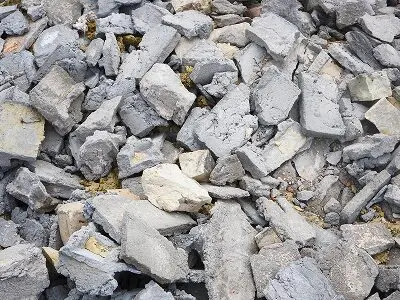
Outdoor renovations and structural changes often leave you with heavy masonry debris. Breaking up an old patio, tearing down a brick fireplace, or removing an old foundation generates thousands of pounds of rubble.
Concrete and brick are incredibly dense and completely overwhelm standard waste bins. However, masonry is highly recyclable. Industrial crushing facilities break down old concrete and brick into a coarse aggregate. Construction companies use this aggregate as a stable base layer for new roads, driveways, and building foundations.
DIY Debris Disposal Methods
If you are managing a small renovation project, you might choose to handle the cleanup yourself. You have several options for disposing of debris responsibly.
Donating Usable Materials
Not all renovation debris belongs in the recycling bin. If you carefully remove functioning items during demolition, you can donate them to local charities. Organizations like Habitat for Humanity ReStore accept gently used building supplies.
You can donate unpainted interior doors, complete sets of kitchen cabinets, working light fixtures, and leftover boxes of tile. Donating these materials keeps them out of the landfill and provides affordable home improvement supplies to local families. Always call the donation center beforehand to verify they accept your specific items.
Utilizing Local Recycling Centers
For materials that cannot be donated, local recycling centers are your best option. You will need to sort your debris before arriving at the facility. Keep your wood, metal, and masonry in separate piles.
Load these sorted materials into a heavy-duty truck or trailer. Research your local county waste management facilities to find locations that accept specific types of construction debris. Be prepared to pay a drop-off fee based on the weight and type of material you are dumping.
Renting a Dumpster
If you are tackling a multi-week project, renting a roll-off dumpster provides a convenient central location for your waste. Dumpster rental companies deliver a large metal bin to your driveway. You fill it at your own pace, and they haul it away when you finish.
While dumpsters are convenient, they come with strict rules. You cannot mix certain materials, and you face hefty fines if you exceed the weight limit. Furthermore, some dumpster companies take the entire load straight to the landfill rather than sorting it for recycling. If sustainability is a priority, you must ask the rental company about their specific disposal practices.
The Challenges of Handling Debris Yourself
While DIY disposal seems cost-effective initially, it often comes with hidden challenges. Many homeowners underestimate the sheer effort required to manage construction waste.
Hidden Costs and Fees
Renting a truck, paying for gas, and covering landfill drop-off fees quickly add up. If you misjudge the amount of debris you have, you might have to make multiple trips across town. These hidden costs often make DIY disposal much more expensive than originally planned.
Furthermore, improper disposal leads to severe financial penalties. If you place prohibited construction materials in your municipal trash bin or illegally dump them, local authorities will issue heavy fines.
Physical Strain and Safety Risks
Construction debris is dangerous to handle. Broken glass, rusty nails, and splintered wood pose severe laceration risks. Lifting heavy chunks of concrete or solid wood doors easily causes muscle strains and back injuries.
Without proper safety gear and heavy-lifting equipment, you put your physical health at risk. Navigating heavy debris through your home also increases the chance of damaging your newly renovated floors or walls.
How Professional Junk Removal Simplifies the Process
When the piles of drywall, wood, and metal become overwhelming, professional junk removal offers a seamless solution. Hiring experts takes the stress and heavy lifting entirely off your shoulders.
Fast and Efficient Cleanups
A professional team arrives at your property equipped with the right tools, vehicles, and manpower. They navigate tight corners safely and carry heavy debris out of your home without causing damage.
What might take you an entire weekend of grueling labor, a professional crew can often accomplish in a single afternoon. This allows you to reclaim your space quickly and start enjoying your newly renovated home immediately.
Eco-Friendly Sorting and Recycling
Top-tier removal companies prioritize the environment. When you hire a reputable service, you do not have to worry about sorting your debris or researching local recycling laws. The professionals handle all the logistics for you.
They load up your mixed debris and transport it to specialized sorting facilities. They ensure that scrap metal, clean wood, and recyclable masonry are diverted away from the landfill. This commitment to sustainability means you can complete your renovation with a clear conscience.
Getting Help With Renovation Cleanup
Handling renovation debris is often more work than the remodel itself. Between heavy materials, safety risks, and disposal rules, it quickly becomes overwhelming for most homeowners.
Take Care Junk helps homeowners in the Sacramento area clear out construction debris safely and efficiently. We handle the hauling and proper disposal so you don’t have to deal with heavy materials, multiple dump runs, or sorting everything on your own.
Reclaim Your Newly Renovated Space
Completing a home renovation is a massive achievement. You should spend your time enjoying your updated living space, not stressing over piles of heavy, dangerous construction waste. By understanding the types of debris you have and prioritizing sustainable disposal methods, you protect the local environment and keep your property safe.
When the cleanup process becomes too large to handle on your own, you do not have to struggle through it. Our professional team is ready to provide fast, eco-friendly debris removal tailored to your specific project needs.
Are you ready to clear out the leftover construction waste and finally enjoy your new room? Reach out and contact us today to schedule your comprehensive debris removal service. We will handle the heavy lifting so you can focus on the finishing touches.