
Moving to a smaller home can be an incredibly liberating experience. It often means lower costs, less maintenance, and a simpler, more intentional lifestyle. Whether you’re an empty nester, simplifying your life, or moving to a more vibrant urban area, downsizing is a major transition. The biggest challenge? Figuring out how to fit a life’s worth of belongings from a larger house into a smaller space. This process requires more than just packing boxes; it demands thoughtful decisions, strategic planning, and a willingness to let go.
The task of sorting through every room, closet, and drawer can feel monumental. Where do you even begin? How do you decide what to keep, what to sell, and what is simply junk? This comprehensive guide will walk you through the entire downsizing process, from creating a solid plan to dealing with the emotional hurdles and, finally, clearing out the clutter for good. For homeowners preparing for a major move, downsizing becomes much easier when the process is planned early and handled step by step. And when the sorting is done, a professional junk removal service can be your most valuable partner.
The Liberating Philosophy of Downsizing
Before we get into the practical, room-by-room strategies, it’s important to embrace the right mindset. Downsizing is not about loss; it’s about intentional living. It’s a powerful opportunity to curate your environment, keeping only the items that are useful, beautiful, or truly meaningful.
Financial and Lifestyle Benefits
Moving to a smaller home usually comes with significant financial perks. A smaller mortgage or rent payment, lower utility bills, and reduced property taxes can free up a substantial portion of your budget. But the benefits go beyond money. Less space means less to clean, less to maintain, and less to worry about. This newfound freedom allows you to spend more time on hobbies, travel, and experiences rather than on household upkeep.
Starting with a Vision
Don’t start by looking at what you have to get rid of. Start by envisioning your new life in your smaller home. How do you want it to feel? Clean, open, and uncluttered? Cozy and inviting? By focusing on the desired outcome, you create a positive filter through which you can make decisions. This vision will be your guide when you’re faced with tough choices about what stays and what goes.
The Emotional Challenge of Letting Go
It’s natural to have an emotional attachment to your belongings. A piece of furniture might hold memories of family gatherings, or an old collection might represent a past passion. Acknowledge these feelings. It’s okay to feel a sense of nostalgia or even grief. However, it’s also crucial to remember that your memories are not stored in your things. You can cherish the memory without keeping the physical object that weighs you down. Taking photos of sentimental items before letting them go can be a helpful way to preserve the memory without sacrificing space.
Your Downsizing Master Plan: A Timeline for Success
The key to a stress-free downsize is to start early and have a structured plan. Rushing the process leads to poor decisions and unnecessary stress. We recommend starting at least two to three months before your move.
8-12 Weeks Before Moving: The Planning and Sorting Phase
- Measure Your New Space: Get a floor plan of your new home. Measure the rooms, closets, and storage areas. This is your blueprint. You can’t decide what furniture to keep if you don’t know what will fit.
- Create a Sorting System: The classic three-box (or four-zone) method is perfect for this. For each item, you will decide if it goes into the Keep, Sell/Donate, or Toss/Junk pile. You might add a fourth category: Undecided. Place items in this zone for a short period, and if you don’t need them during that time, it becomes easier to let them go.
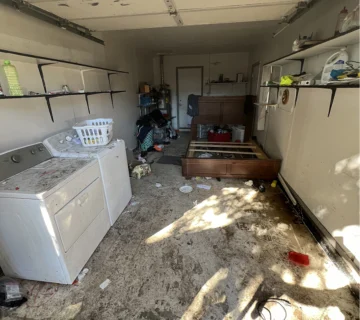
- Start with the Least-Used Areas: Begin with the places where you store things you rarely touch, like the attic, basement, garage, or guest rooms. Making decisions here is often easier and helps you build momentum. Cleaning out a packed garage early in the process can feel like a huge win and helps build momentum for the rest of the move.
4-8 Weeks Before Moving: The Action Phase
- Tackle Main Living Areas: Now move on to the more frequently used rooms: bedrooms, the kitchen, and the living room. Apply your sorting system rigorously.
- Start Selling and Donating: Begin listing items for sale on platforms like Facebook Marketplace or Craigslist. Arrange for charity pickups for larger donation items.
- Digitize What You Can: Scan old photos, important documents, and children’s artwork. This can free up multiple boxes’ worth of space.
1-4 Weeks Before Moving: The Final Push
- Host a Moving Sale: If you have enough items, a garage sale can be a great way to get rid of a lot of stuff at once and make some extra cash.
- Confirm Junk Removal: This is the crucial final step. You will inevitably have a pile of things that are broken, unsellable, or not donatable. Schedule a professional junk removal service to clear it all away before moving day. Scheduling junk removal before moving day gives you peace of mind and keeps the final cleanup from turning into a last-minute problem.
- Pack What’s Left: With only the “Keep” items remaining, the packing process becomes incredibly simple and organized.
Room-by-Room Guide to Ruthless Decluttering
Now, let’s break down how to approach each area of your home. Remember your new floor plan and be realistic about the space you have.
The Kitchen: Trimming the Fat
The kitchen is often the heart of the home, but it’s also a black hole for gadgets and duplicates.
- Appliances and Gadgets: How many small appliances do you own versus how many you actually use? The stand mixer you use weekly is a keeper. The bread maker you used twice is not. Be honest about your “unitaskers”—if a simple knife can do the job, you probably don’t need a special slicer.
- Dishes and Glassware: You are moving to a smaller home, which likely means smaller cabinets. You do not need service for 24. Keep one set of everyday dishes and one set for special occasions if you have space. Donate the mismatched coffee mugs that have accumulated over the years.
- Pots, Pans, and Bakeware: Get rid of scratched pans, warped baking sheets, and duplicate items. Keep a versatile, high-quality set that will serve you well.
- Food Pantry: Do not move food. Use up what you can in the weeks before you move. Donate unopened, non-perishable items to a local food bank. Toss anything that is expired.
Living and Family Rooms: Focus on Function and Scale
This is where rightsizing your furniture is most important.
- Furniture: This is the big one. That oversized sectional and massive entertainment center might not fit or might make your new space feel cramped. Use your floor plan to determine what will work. It is often more cost-effective to sell large, heavy pieces and buy new furniture that is appropriately scaled for your new home.
- Media Collections (DVDs, CDs, Books): Physical media is heavy and space-consuming. Digitize your favorite movies and music. For books, be a curator, not a collector. Keep your absolute favorites and donate the rest. Moving a personal library is expensive, so it helps to keep only the books you truly love and use regularly.
- Decor and Knick-Knacks: A smaller space can quickly look cluttered with too many decorative items. Choose a few key pieces that you love and that will make a statement. Let go of the rest.
Bedrooms and Closets: Creating a Peaceful Sanctuary
Your new bedroom should be a relaxing retreat, not an overstuffed storage unit.
- Clothing: This is a category where you can make huge progress. Use the one-year rule: if you haven’t worn it in a year, donate it. Get rid of anything that doesn’t fit, is uncomfortable, or is damaged. Be especially critical of “aspirational” clothing you hope to fit into one day.
- Shoes and Accessories: Go through your shoes, handbags, belts, and scarves. Eliminate duplicates and items you no longer use.
- Linens: How many sets of sheets and towels do you really need? Two sets of sheets per bed and 4-6 towels per person is usually more than enough. Old, frayed towels can be donated to an animal shelter or cut up for cleaning rags. Old mattresses are one of the most common items left behind during a move and usually require proper disposal rather than standard curbside pickup.
- Bedroom Furniture: Do you need two large nightstands and a massive dresser? In a smaller room, a single chest of drawers and smaller side tables might be a better fit.
The Home Office: Going Digital
Paper is one of the heaviest and bulkiest things to move.
- Paperwork: Shred old bills and statements. Scan and digitally store important documents like tax records, deeds, and sentimental letters. Keep only the most critical original documents in a single, well-organized file box.
- Office Supplies: Consolidate your pens, notepads, and other supplies. Don’t move a drawer full of half-used items.
- Electronics: Old computers, printers, and monitors should be disposed of responsibly and are often easier to remove with professional junk hauling.
Storage Areas (Garage, Attic, Basement): The Final Frontier
These areas are where junk goes to be forgotten. Be prepared to be merciless.
- Hobby and Sporting Equipment: Are you still using that ski equipment from ten years ago? Are the kids’ old bikes just collecting rust? If a hobby is no longer part of your life, let the equipment go.
- Holiday Decorations: These can take up an enormous amount of space. Go through your decorations and keep only the most cherished ones. Get rid of broken lights and dated ornaments.
- Tools: Keep a basic, quality tool kit. Sell or donate duplicate or specialty tools you never use.
- Hazardous Waste: Movers will not transport items like paint, propane tanks, pesticides, or cleaning chemicals. These require special disposal. Check with your local waste management authority for proper hazardous waste disposal guidelines before moving day.
The Role of Multi-Functional Furniture
When downsizing, every square inch counts. Investing in multi-functional furniture is one of the smartest things you can do. Think about replacing traditional pieces with items that can serve two or more purposes.
- Ottoman with Storage: A storage ottoman can act as a footrest, extra seating, and a hidden place for blankets or magazines.
- Sleeper Sofa or Daybed: A quality sleeper sofa can turn your living room into a guest room when needed, eliminating the need for a dedicated guest bedroom.
- Nesting Tables: These can be spread out when you have company and tucked away to save space during everyday life.
- Expandable Dining Table: A table that can be small for daily use but expand for dinner parties is far more practical than a massive table that dominates the room.
The Ultimate Solution: What to Do with the “Junk” Pile
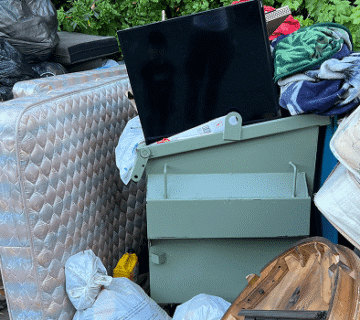
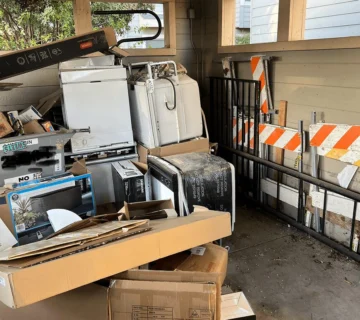
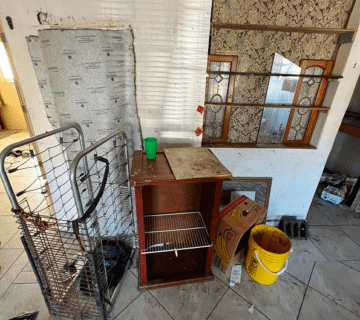
After all your hard work sorting, selling, and donating, you will be left with a pile of items that have no value and need to be thrown away. This could include broken furniture, old mattresses, worn-out rugs, old electronics, and bags of miscellaneous trash. Dealing with this pile can be the most exhausting part of the process. You could spend your last precious pre-move days making multiple trips to the dump or local recycling centers, trying to navigate their rules and hours.
This is where a professional junk removal service becomes an essential part of your downsizing plan. A company like Take Care Junk is designed to make this final step as easy as possible. With one call, you can have a team of professionals arrive and make all of your unwanted items disappear.
City pickup may work for a few small items, but downsizing usually leaves behind bulky furniture, old mattresses, broken appliances, garage clutter, and oversized items that require more than curbside collection. Full-service junk removal saves time, labor, and repeated trips to the dump during an already stressful move.
The benefits are clear:
- Saves Time and Energy: Your time is valuable, especially in the weeks before a move. Let professionals handle the heavy lifting and disposal so you can focus on packing and preparing for your new life.
- Safety and Convenience: Don’t risk injury trying to move a heavy, awkward piece of furniture or an old appliance. A professional crew has the training and equipment to do the job safely and efficiently. The convenience of a full-service team is unmatched when you are trying to finish a move without extra dump runs, heavy lifting, or last-minute stress.
- Handles Everything: Professional services can take almost anything. Whether it is an old hot tub, construction debris from pre-move repairs, broken furniture, or oversized household items, professional junk removal helps clear it all away quickly and safely.
- Eco-Friendly Disposal: A reputable company is committed to responsible disposal. We sort through everything we collect, ensuring that items are recycled, donated, or disposed of in the most environmentally friendly way possible, keeping tons of waste out of local landfills.
Downsizing is your chance to press the reset button on your life. It’s an opportunity to simplify, to save money, and to create a home that truly supports the lifestyle you want. By letting go of the physical clutter, you also let go of the mental weight that comes with it. You step into your new, smaller home feeling lighter, more organized, and ready for the next chapter.
If you are in the greater Sacramento area and facing the challenge of downsizing, don’t let the final pile of junk stand in your way. Let us help you clear the clutter so you can embrace the freedom of a simpler life. Contact us today for a free estimate and see how easy the final step of your downsizing journey can be.