Upgrading your living space often leaves you with old, unwanted furniture taking up valuable room. You might stare at a scratched dresser, a faded armchair, or a wobbly dining table and assume its useful life has ended. Getting rid of these bulky items quickly can seem like the easiest solution.
However, throwing away furniture contributes to a massive environmental crisis. Millions of tons of usable wood, metal, and fabric end up in landfills every year. Instead of discarding these pieces, you can transform them through creative upcycling and repurposing. Reusing furniture saves you money, protects the environment, and allows you to create custom pieces that perfectly match your personal style.
Old furniture doesn’t always need to be thrown away. With the right approach, you can reuse, repurpose, or refresh pieces that still have value and function.
The Environmental Impact of Furniture Waste
Understanding the ecological consequences of throwing away furniture highlights the importance of reuse. Every piece of furniture you save from the trash makes a positive impact on our planet.
Landfill Overflow and Non-Biodegradable Materials
Furniture takes up an enormous amount of space in local landfills, including desks, sofas, and mattresses. As landfills reach their maximum capacity, municipalities must clear new land to create additional waste sites, destroying natural habitats in the process.
Furthermore, modern furniture often contains synthetic materials that do not biodegrade. Polyurethane foam, polyester fabrics, and plastic components can sit in a landfill for hundreds of years. As these materials slowly break down, they release microplastics and harmful chemicals into the surrounding soil. By choosing to reuse your furniture, you directly reduce the volume of permanent waste entering our environment.
Toxic Leaching and Greenhouse Gas Emissions
Many pieces of wooden furniture feature heavy varnishes, chemical stains, and flame-retardant treatments. When these items sit in a landfill, rainwater washes over them and pulls those chemicals deep into the ground. This toxic mixture, known as leachate, can eventually contaminate local groundwater supplies.
Additionally, when natural materials like solid wood and cotton do break down in a landfill, they decompose without oxygen. This anaerobic decomposition produces methane gas. Methane traps significantly more heat in the atmosphere than carbon dioxide, accelerating global climate change. Keeping your furniture out of the dump is a simple but powerful way to fight greenhouse gas emissions.
The Carbon Footprint of Manufacturing
When you throw away an old dining table and buy a brand-new one, you stimulate a highly resource-intensive manufacturing cycle. Producing new furniture requires harvesting raw timber, mining metal for hardware, and manufacturing synthetic fabrics.
Companies then ship these heavy items across the ocean or across the country using massive cargo ships and diesel trucks. The entire process consumes massive amounts of fossil fuels and fresh water. Reusing your existing furniture eliminates the need for this destructive manufacturing process. It conserves natural resources and drastically lowers your personal carbon footprint.
Before You Start: Assessing Your Old Furniture
Not every piece of furniture is a good candidate for a DIY project. Before you buy paint and sandpaper, you must evaluate the item to ensure it is worth your time and effort.
Checking Structural Integrity
A successful upcycling project requires a solid foundation. Inspect the piece carefully for structural damage. Sit on chairs to check for wobbles. Open and close all dresser drawers to see if they glide smoothly. Lean on tables to ensure the legs are securely attached.
You can fix minor issues easily. You can tighten loose screws, replace missing hinges, and glue minor wood splits. However, severe structural problems require extensive carpentry skills. If a wooden chair has massive cracks through the main support beams, or a sofa has a completely shattered wooden frame, you might need to find an alternative disposal method.
Identifying the Material
Knowing what materials you are working with dictates how you will treat the furniture. Solid wood is the best material for upcycling. You can sand, stain, and paint solid pine, oak, or maple dozens of times.
Veneer furniture features a very thin layer of real wood glued over particleboard or medium-density fiberboard (MDF). You can paint veneer, but you must sand it extremely carefully. If you sand too deeply, you will expose the ugly particleboard underneath. Laminate furniture features a plastic coating designed to look like wood. You cannot stain laminate, but you can paint it using a specialized bonding primer.
Checking for Pests and Mold
If you stored your old furniture in a damp basement or an outdoor shed, inspect it for mold and pests before bringing it inside. Look for small holes in the wood, which indicate termites or wood-boring beetles. Check upholstery for signs of bedbugs or extensive water damage.
If you find severe mold growth or an active pest infestation, do not attempt to salvage the piece. The health risks far outweigh the benefits of upcycling. For items that are damaged beyond repair, rely on a professional hauling service like Take Care Junk to remove the hazardous materials safely.
Essential Furniture Upcycling Techniques
Once you determine that a piece is structurally sound, you can begin the transformation. These foundational techniques will help you tackle almost any furniture upcycling project.
Refinishing Solid Wood Furniture
Refinishing allows you to restore the natural beauty of solid wood. This process strips away decades of scratches, water rings, and faded stain to reveal fresh timber underneath.
Start by applying a chemical stripper to remove the existing clear coat and stain. Follow the manufacturer instructions carefully and always work in a well-ventilated area. Scrape away the old finish using a plastic putty knife.
Next, sand the entire piece using a random orbital sander. Start with medium-grit sandpaper (around 120-grit) to remove any remaining stain. Finish with a fine-grit sandpaper (220-grit) to create a perfectly smooth surface. Wipe the piece down with a tack cloth to remove all dust. Finally, apply a new wood stain using a clean rag, let it dry, and seal the wood with a high-quality polyurethane topcoat.
Painting and Distressing for a New Look
Painting is the easiest way to modernize an outdated piece of furniture. A dark, imposing cherry-wood dresser transforms into a bright, modern storage unit with a few coats of white paint.
Preparation is the key to a durable paint job. Clean the furniture thoroughly with a degreasing cleaner to remove years of furniture polish and hand oils. Lightly scuff the surface with 150-grit sandpaper to give the primer something to grip.
Apply a high-quality primer to block stains and prevent peeling. Once the primer dries, apply two coats of your chosen paint. Chalk paint and mineral paint are popular choices for furniture because they dry quickly and leave a beautiful matte finish. If you want a rustic, farmhouse aesthetic, use a sanding block to gently distress the edges and corners of the piece after the paint dries. Seal the painted furniture with a clear wax or a water-based polyacrylic.
Reupholstering Chairs and Benches
Faded or torn fabric completely ruins the look of an otherwise sturdy chair. Reupholstering drop-in dining chair seats or simple footstools is an excellent beginner project that yields dramatic results.
Turn the chair upside down and unscrew the seat cushion from the frame. Use a flathead screwdriver and a pair of pliers to carefully remove all the old staples and pull off the old fabric. If the foam padding underneath is crumbly or smells musty, throw it away and cut a new piece of high-density upholstery foam to fit the wooden base.
Cut your new upholstery fabric, leaving at least three inches of excess material on all sides. Pull the fabric tightly over the foam and use a heavy-duty staple gun to secure it to the bottom of the wooden base. Start by stapling the centers of each side, then work your way to the corners. Fold the corners neatly, staple them down securely, and reattach the seat to the chair frame.
Upgrading Hardware for an Instant Lift
Sometimes, furniture does not need a complete overhaul. The hardware on a dresser or a desk dictates its entire style. Tarnished brass handles from the 1980s will make any dresser look incredibly dated.
Simply removing the old hardware and installing sleek, modern pulls can completely change the character of the piece. Measure the distance between the drill holes before buying new hardware to ensure a perfect fit. If you find hardware you love that does not match the existing holes, you can fill the old holes with wood putty, sand them smooth, paint the drawer, and drill new holes.
Repurposing Ideas for Furniture
Repurposing involves taking an item designed for one specific function and using it for something entirely different. This requires a bit of creativity, but it produces the most unique and interesting pieces for your home.
Transforming Dressers into Kitchen Islands
An old, solid wood dresser provides excellent storage and a sturdy frame. If you have a spacious kitchen that lacks counter space, a repurposed dresser makes a fantastic, budget-friendly kitchen island.
Remove any mirrors attached to the back of the dresser. Sand and paint the base to match your kitchen cabinets. You can keep the drawers for storing heavy pots, pans, and kitchen utensils. To make it functional for food prep, remove the original wooden top and secure a piece of butcher block or a remnant piece of quartz countertop to the dresser base. Add heavy-duty locking casters to the bottom so you can easily move the island around your kitchen.
Turning Old Doors into Headboards or Tables
Solid wood doors feature beautiful architectural details and incredible durability. If you salvage an old door during a home renovation, do not throw it away.
To create a striking, rustic headboard, simply turn the door horizontally. Sand down any rough splinters, apply a fresh coat of paint or stain, and mount it securely to the wall behind your bed.
You can also use a solid door to create a large dining table or an outdoor patio table. Mount the door on top of sturdy wooden sawhorses or purchase heavy-duty metal hairpin legs online. If the door has recessed panels that make the surface uneven, place a custom-cut piece of tempered glass over the top to create a smooth dining surface.
Converting Cribs into Craft Desks
Children outgrow their cribs very quickly. Drop-side cribs are often illegal to sell or donate due to changing safety regulations, making them prime candidates for the landfill. Fortunately, you can easily repurpose them.
Remove one of the side rails of the crib completely. Leave the mattress support spring in place, but move it to the highest setting. Cut a piece of smooth medium-density fiberboard (MDF) or plywood to fit perfectly over the mattress springs. Paint the entire structure a bright, fun color. You now have a perfect, child-sized craft desk. The remaining side and back rails are great for hanging small buckets of markers, rolls of craft paper, and scissors.
Making Outdoor Planters from Old Chairs
Wooden dining chairs with broken or missing seats are notoriously difficult to fix. However, they make charming additions to an outdoor garden space.
If the seat is completely gone, cut a piece of chicken wire to fit across the empty frame and staple it securely. Line the chicken wire with a heavy layer of coconut coir. Fill the center with high-quality potting soil and plant trailing vines, bright petunias, or fresh herbs. Place the chair on your front porch or in a flowerbed. As the plants grow, they will spill over the edges of the chair frame, creating a beautiful, whimsical garden display.
Benefits of Reusing Furniture
Beyond the obvious environmental advantages, upcycling and repurposing offer incredible benefits for your wallet and your personal growth.
Saving Money on Home Decor
Furnishing a home is incredibly expensive. Buying a brand-new, high-quality solid wood dresser can easily cost over a thousand dollars. Cheap, mass-produced particleboard furniture costs less upfront, but it breaks easily and needs frequent replacing.
Upcycling allows you to achieve a high-end look on a very tight budget. You can often find sturdy, solid wood furniture at thrift stores, yard sales, or even on the side of the road for free. A gallon of premium paint, some sandpaper, and a few hours of your time cost a fraction of what you would pay for a new piece at a retail store.
Creating Unique, Personalized Spaces
When you buy furniture from a big-box retailer, you end up with a home that looks exactly like a catalog. Mass-produced items lack character and individual flair.
When you reuse and upcycle furniture, you become the designer. You choose the exact shade of blue paint to match your living room rug. You select the specific brass knobs that complement your lamps. Your home becomes a reflection of your true personality, filled with unique conversation pieces that nobody else owns.
Learning New DIY Skills
Tackling a furniture project teaches you valuable hands-on skills. You learn how to use power tools safely, how to understand wood grains, and how to apply different finishes.
These skills translate to other areas of homeownership. Once you successfully repair a wobbly chair leg, fixing a loose cabinet door feels much easier. Working with your hands provides a deep sense of accomplishment. Watching an ugly, discarded desk transform into a beautiful, functional workspace is incredibly rewarding.
What to Do When Furniture Cannot Be Reused
Despite your best intentions, you will eventually encounter furniture that you cannot upcycle. You might not have the space to store a large dining table, or a sofa might be too worn out for your living room. Before you send these items to the dump, explore other avenues to extend their lifespan.
Donating to Local Charities
If the furniture is in good, usable condition but you simply do not want it, donating is the best option. Many charitable organizations rely on furniture donations to fund their programs and assist families in need.
Organizations like Habitat for Humanity ReStore, Goodwill, and The Salvation Army regularly accept gently used desks, chairs, tables, and dressers. Many local domestic violence shelters and refugee resettlement programs also desperately need basic household furniture to help people start over. Call the organizations in your area to confirm their acceptance policies and see if they offer free pickup services for large items.
Selling or Giving Away Online
The internet makes it incredibly easy to find a new home for your unwanted items. Local community boards and marketplace apps connect you directly with people in your neighborhood who want your old gear.
Take clear, well-lit photos of the furniture and write an honest description detailing any scratches or flaws. If you want to make a little extra money, list the items for a fair price. If you just want the item gone quickly, list it on a “Buy Nothing” group or in the free section of an online marketplace. You will be surprised by how quickly someone will come haul away your old couch or wobbly bookcase.
What to Do With Unusable Furniture
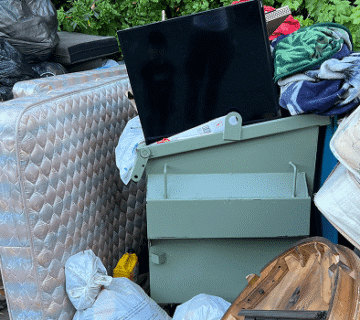
Sometimes, furniture is simply too damaged to donate, sell, or upcycle. A mattress with severe water damage, a particleboard desk that has completely collapsed, or a recliner torn apart by pets must be disposed of properly. Handling large, heavy, and broken items on your own is dangerous and exhausting.
Eco-Friendly Disposal Options
When you hire a professional team, you do not have to worry about heavy lifting, renting a truck, or navigating the local landfill. At Take Care Junk, our crews arrive fully equipped to dismantle and haul away your unwanted furniture safely.
We are deeply committed to protecting the environment. When you trust us with your broken furniture, we do not just dump it. We sort through the debris to recycle metal bed frames, salvage usable hardware, and dispose of hazardous materials according to strict environmental guidelines. We do the heavy lifting while ensuring your items are processed responsibly.
Conclusion
Reusing your old furniture is a powerful way to reduce environmental waste, save money, and develop your creativity. By assessing your items carefully and applying basic upcycling techniques, you can transform outdated pieces into stunning focal points for your home. Repurposing old doors into tables or dressers into kitchen islands adds incredible character to your living space.
When you embrace the world of DIY furniture restoration, you keep bulky waste out of landfills and reduce the carbon emissions associated with manufacturing new products. For the items you simply cannot save, prioritize donation and responsible recycling. If you are overwhelmed by broken, heavy furniture that needs to go, do not risk an injury or a trip to the dump. If certain items cannot be reused or donated, professional junk removal can help handle disposal safely.