You finally cleaned out your garage, packed up boxes of old clothes, and loaded that gently used sofa into the back of a truck. You pull up to a local charity center, hand over your items, and drive away with a lighter load and a clear conscience. Dropping off unwanted goods feels great. But as you watch the volunteers wheel your items into the back room, you might wonder: where do these things actually go?
The journey of a donated item is far more complex and fascinating than most people realize. It does not just sit in a warehouse waiting for someone to claim it. Instead, your discarded goods enter a massive, highly organized ecosystem designed to maximize their value, minimize environmental waste, and support local communities.
Understanding this lifecycle pulls back the curtain on the recycling and thrift industry. It shows you exactly how your decision to donate impacts the world around you. This comprehensive guide will walk you through every step of the donation process. We will explore how items are sorted, the incredible ways broken goods are refurbished, and how charities redistribute these materials to fund life-changing programs.
By the end of this post, you will understand the profound environmental and social benefits of donating. You will also learn how partnering with eco-conscious professionals can make clearing out your space easier than ever.
The Initial Collection: Entering the Donation Ecosystem
The lifecycle of a donated item begins the moment it leaves your possession. However, not all items enter the system the same way. The method of collection often dictates the first phase of an item’s journey.
Donation Bins and Drop-Off Centers
The most common entry points for smaller items are standalone donation bins and retail drop-off centers. You have likely seen these large metal boxes in grocery store parking lots or behind shopping malls. These bins primarily collect textiles, shoes, and small household goods. Every few days, a fleet of trucks empties these bins and transports the contents to regional processing facilities.
Retail drop-off centers, like those operated by Goodwill or The Salvation Army, offer a more hands-on approach. Here, staff members physically accept your donations, provide tax receipts, and immediately begin grouping items by size and type. These centers serve as the frontline of the thrift industry, handling millions of pounds of donated goods every single year.
Professional Eco-Friendly Cleanouts
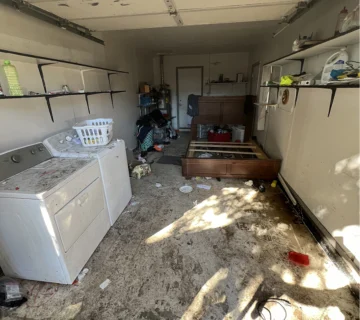
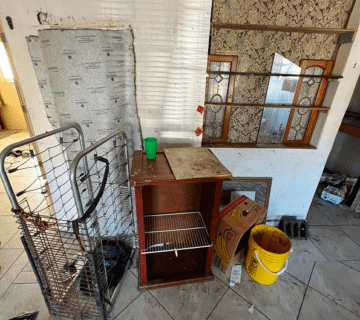
For massive projects—like clearing out an entire estate, downsizing a home, or liquidating an office—hauling items to a drop-off center is physically exhausting and logistically difficult. This is where professional services step in.
Companies like Take Care Junk provide an essential bridge between consumers with excess belongings and charities that need inventory. When our crews arrive at your property, we do not just throw everything into a dump truck. We actively assess your items for donation potential. We carefully load usable furniture, working appliances, and boxed household goods, ensuring they remain protected during transit. Instead of driving straight to the landfill, we route these valuable items directly to local non-profits and charity partners.
Behind the Scenes: The Rigorous Sorting Process
Once your items reach a processing facility or the back room of a thrift store, the real work begins. The sorting process is highly labor-intensive and requires a keen eye for detail. Workers and volunteers must quickly determine the fate of thousands of individual items every day.
The Initial Triage
The first step is a rapid triage process. Sorters empty boxes and bags onto large conveyor belts or sorting tables. They look for obvious signs of damage, deep stains, or safety hazards. If an item is broken beyond repair, covered in mold, or missing essential safety components (like a baby crib with missing hardware), it is immediately pulled from the donation stream.
Charities cannot legally or ethically sell unsafe items. Furthermore, processing trash costs these organizations money. This is why it is so crucial for donors to only give items that are clean and gently used.
Categorizing for Maximum Impact
Once an item passes the initial quality check, sorters categorize it. This categorization is incredibly granular. Clothing is sorted not just by gender and size, but also by season, style, and fabric quality. Vintage band t-shirts might go to an online auction pile, while standard winter coats head straight to the retail floor.
Furniture undergoes a similar evaluation. A pristine, solid wood dining table will be tagged for immediate sale at a premium price. A slightly scuffed bookshelf might be marked down for quick turnover. Sorters must understand the local market demand to price items effectively.
Electronics require specialized sorting. Technicians test televisions, lamps, and kitchen appliances to ensure they power on and function safely. Items with frayed cords or internal faults are diverted to electronic waste (e-waste) recycling streams to prevent hazardous metals from ending up in the garbage.
The Refurbishing and Repair Stage
Not every donated item is ready for immediate resale. Many goods have great bones but need a little TLC before they can find a new home. While not all charities have the resources to repair items, specialized organizations and furniture banks dedicate significant time to refurbishing.
Giving Furniture a Second Life
Wooden furniture often takes a beating during its first life. Scratches, water rings, and wobbly legs are common. In specialized refurbishing workshops, volunteers and skilled carpenters work to restore these pieces.
They might sand down a scratched dresser and apply a fresh coat of stain. They might tighten the joints of a dining chair or replace the missing hardware on a filing cabinet. Sometimes, a piece of furniture receives a complete makeover. A dated, dark wood nightstand might be painted a vibrant color and fitted with modern drawer pulls, transforming it from an unwanted relic into a highly desirable piece of home decor.
Repairing Electronics and Appliances
Appliance repair is another vital aspect of the refurbishing stage. Habitat for Humanity ReStore locations, for example, frequently accept washing machines, dryers, and refrigerators. Skilled technicians assess these machines, replacing worn belts, faulty switches, or blown fuses.
By repairing these appliances, charities provide low-income families with access to essential household goods at a fraction of the retail cost. This process also prevents massive, metal-heavy machines from rusting in local landfills.
Upcycling and Material Recovery
Sometimes, an item cannot be repaired for its original purpose. However, the materials it contains are still valuable. This leads to upcycling and material recovery.
For instance, a torn leather sofa might not be sellable as seating. However, a creative upcycling program might harvest the undamaged leather to create handbags or wallets. Stained clothing that cannot be worn is often sold to textile recyclers. These companies shred the fabric, turning it into industrial wiping rags or insulation for homes and vehicles. Through these innovative methods, the donation industry ensures that practically nothing goes to waste.
Redistribution: Finding New Homes for Donated Goods
After sorting and refurbishing, the items are finally ready for redistribution. The ultimate goal is to get these goods into the hands of people who need them, while generating revenue to support charitable missions. This happens through several distinct channels.
Retail Thrift Stores
The most visible redistribution channel is the retail thrift store. Organizations like Goodwill, The Salvation Army, and local independent charities operate thousands of storefronts.
Items that pass the sorting phase are tagged with a price and placed on the sales floor. These stores offer an affordable shopping alternative for families on a tight budget. They also attract vintage enthusiasts, bargain hunters, and environmentally conscious consumers who prefer buying secondhand. The revenue generated from these sales directly funds the organization’s overarching mission, whether that involves job training, addiction recovery, or housing assistance.
Direct Distribution to Those in Need
Not all donated items are sold. Many organizations operate direct distribution programs designed to help individuals facing immediate crises.
Domestic violence shelters, homeless transition programs, and disaster relief organizations maintain stockpiles of essential goods. When a family loses their home to a fire, or an individual escapes a dangerous living situation, these organizations provide them with clothing, bedding, and basic furniture completely free of charge. Your donated winter coat might go directly onto the shoulders of someone sleeping on the streets. Your donated pots and pans might help a family cook their first meal in a new, safe apartment.
International Distribution and Textile Recycling
The volume of donated clothing in the United States far exceeds domestic demand. Thrift stores simply cannot sell every shirt and pair of pants they receive. To manage this massive influx, charities bundle unsold textiles into massive bales and sell them to textile recyclers.
These recyclers export a significant portion of these clothes to developing nations, where they are sold in local markets. This creates a global secondhand economy. While this process has complex economic implications for the receiving countries, it successfully diverts billions of pounds of textiles from American landfills every year. As mentioned earlier, the clothing that is too worn for export is mechanically shredded and repurposed for industrial use.
The Deep Environmental Benefits of Donating
When you choose to donate rather than dump your unwanted items, you trigger a cascade of positive environmental impacts. The thrift industry is one of the most effective examples of the circular economy in action.
Keeping Usable Goods Out of Landfills
The most immediate environmental benefit of donating is waste diversion. Municipal solid waste landfills are rapidly reaching capacity. When you throw away a couch, a television, or a bag of clothes, you consume valuable space in these facilities.
Furthermore, items buried in landfills do not just sit there peacefully. As organic materials break down, they release methane, a greenhouse gas significantly more potent than carbon dioxide. Synthetic materials, like the plastics in your old electronics or the polyester in your clothing, can take centuries to decompose. During that time, they can leach toxic chemicals into the soil and groundwater.
By donating these items, you actively prevent this pollution. You extend the lifecycle of the product, ensuring it provides value for years to come rather than rotting in the ground.
Reducing the Need for New Manufacturing
Every product you buy requires a massive amount of energy, water, and raw materials to manufacture. Creating a single cotton t-shirt requires hundreds of gallons of water. Building a wooden desk requires cutting down trees, processing timber, and transporting heavy materials across the globe.
When someone buys your donated desk or t-shirt at a thrift store, they do not buy a new one. This reduces the overall consumer demand for newly manufactured goods. By satisfying market needs with existing products, the donation ecosystem conserves natural resources, reduces industrial pollution, and significantly lowers the collective carbon footprint of our communities.
Promoting Sustainable Consumer Habits
The visibility of the donation lifecycle also shifts cultural attitudes toward consumption. As more people participate in donating and buying secondhand, society slowly moves away from the “fast fashion” and “disposable furniture” mindsets. We begin to value durability and repairability. Donating teaches us to view our unwanted belongings not as trash, but as transferable assets.
The Social and Economic Impact of Your Donations
The environmental benefits of donating are staggering, but the social and economic impacts are equally profound. The items you drop off at a donation center act as a form of alternative currency, funding programs that uplift entire communities.
Funding Critical Community Programs
The core business model of major thrift organizations relies on turning donated goods into liquid capital. When you donate a box of books, you are not just giving away reading material; you are providing inventory that a charity will convert into cash.
Organizations use this cash to fund an incredibly diverse array of community services. Goodwill uses retail revenue to fund extensive job training and placement programs for individuals with disabilities or employment barriers. The Salvation Army uses store profits to fund adult rehabilitation centers, food pantries, and disaster relief efforts. Habitat for Humanity uses the proceeds from their ReStores to buy lumber and building materials for affordable housing projects. Your donated items directly finance these life-changing initiatives.
Creating Local Jobs and Economic Activity
The donation lifecycle requires a massive workforce to operate. Sorting, cleaning, repairing, pricing, and selling donated goods creates thousands of jobs in local communities. These are jobs that cannot easily be outsourced or automated.
Many charities specifically hire individuals who face challenges entering the traditional workforce. They provide their employees with stable income, benefits, and valuable retail and logistical experience. By donating, you help sustain these employment opportunities and stimulate local economic activity.
Supporting Families on a Budget
Inflation and economic instability put immense pressure on household budgets. For many families, buying brand-new furniture, school clothes, or kitchen appliances is simply out of reach.
The thrift stores fueled by your donations provide a dignified and affordable alternative. They allow parents to clothe their growing children, students to furnish their first apartments, and families to access essential goods without taking on crippling debt. Your donations directly improve the quality of life for your neighbors.
How Professional Cleanouts Maximize Donation Potential
Deciding to donate is easy; executing a massive donation project is hard. If you are preparing for a major move, liquidating a business, or clearing out a loved one’s estate, the sheer volume of items can be overwhelming. Attempting to sort, transport, and distribute truckloads of furniture and household goods is a monumental task.
This is exactly where a professional, community-focused hauling service becomes invaluable. Partnering with a team that understands the donation lifecycle ensures your items reach the right places without causing you physical strain or stress.
Handling Bulky Items with Care
Moving heavy wooden dressers, sectional sofas, and large appliances requires physical strength, proper equipment, and experience. If you attempt to move these items yourself, you risk personal injury and severe damage to your home. Scuffing the walls or dropping a solid wood table not only damages your property but ruins the item’s donation value.
Our professional crews arrive fully equipped to navigate tight stairwells, narrow hallways, and tricky door frames. We treat your items with respect, padding and securing them in our trucks so they arrive at the donation center in the exact same condition they left your home.
Deep Local Expertise and Charity Partnerships
Not all charities accept all items. A facility that desperately needs winter clothing might turn away a dining room table. A furniture bank might refuse an older television. Navigating these specific acceptance policies takes time and research.
As a dedicated local service provider, we have established deep relationships with charities and non-profits across the region. We know exactly which organizations need specific types of items. When we perform a cleanout, we act as a logistical hub. We sort your usable goods and distribute them to multiple different charities, maximizing the impact of your donation.
How Large Cleanouts Are Handled Responsibly
We help manage large cleanouts by identifying which items can be donated and ensuring they are routed appropriately. Instead of sending everything to one location, usable items are separated and directed toward organizations that can actually use them, which increases the overall impact of your donation.
Handling this process properly requires time, coordination, and an understanding of what different facilities accept. Managing it in one step simplifies the process and ensures items are handled responsibly without adding unnecessary work during an already demanding cleanout.
Responsible Disposal for What Remains
Of course, not every item in a major cleanout can be donated. Broken plastics, torn mattresses, and heavily rusted metal cannot be given to a charity. However, our commitment to the environment does not stop at donation.
For items that charities cannot accept, we implement rigorous recycling protocols. We strip down e-waste to keep hazardous materials out of the soil. We route scrap metal to local foundries for melting and reuse. Only as an absolute last resort do we take debris to the landfill. When you hire us, you are making a comprehensive choice for environmental sustainability.
Conclusion: You Hold the Power to Make a Difference
The lifecycle of a donated item is a testament to human ingenuity and compassion. What starts as a simple drop-off transforms into a complex logistical ballet. Your unwanted items are sorted, repaired, and redistributed. They clothe the cold, furnish empty apartments, and generate funds for critical community services. They conserve natural resources and keep our local environment clean.
Every time you choose to donate instead of dump, you participate in this incredible cycle. You transition from being a consumer to being a contributor. You provide the raw materials that allow local charities to change lives.
However, you do not have to undertake massive donation projects alone. If you are facing a daunting cleanout, let the professionals handle the logistics, the heavy lifting, and the sorting. We are here to make responsible disposal effortless.
If you are ready to reclaim your space while giving back to your community, reach out to our team today. We will treat your property with respect and ensure your usable items continue their journey to someone who truly needs them. Contact Take Care Junk to schedule your eco-friendly cleanout and take the first step toward a clutter-free, sustainable home.