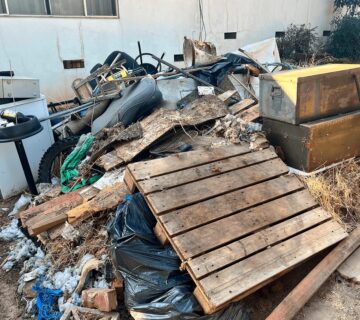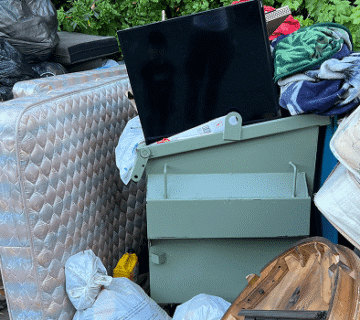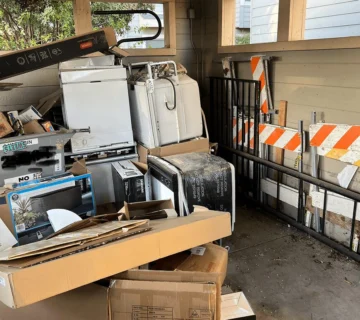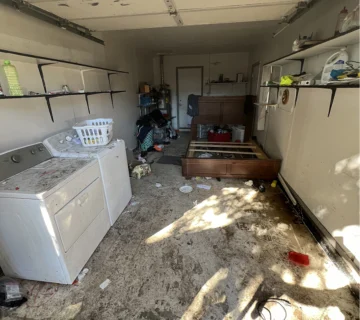
Garages, basements, and backyard sheds easily become graveyards for forgotten projects. Over the years, you accumulate rusty wrenches, broken drills, and coffee cans filled with mismatched screws. When it comes time to clean out your workspace, the pile of heavy metal and tangled cords can look incredibly intimidating. You might feel tempted to simply toss everything into the trash and be done with it.
Throwing metal tools and battery-operated equipment into the garbage causes severe environmental damage. Metal takes centuries to break down, while the batteries in your power tools leak highly toxic chemicals into the soil and groundwater. Properly recycling these items protects our ecosystems, conserves raw materials, and keeps dangerous electronic waste out of local landfills.
Old tools and hardware don’t belong in the trash. With the right approach, you can recycle metal, safely dispose of power tools, and clear out your workspace without creating unnecessary waste.
Why Recycling Tools Matters
Before you start sorting through your workbench, you need to understand why proper disposal matters. Tools are not like standard household trash. They consist of dense metals, complex plastics, and hazardous electronic components that require specialized handling.
Keeping Heavy Metals Out of Landfills
Hand tools like hammers, screwdrivers, and pliers consist primarily of steel, iron, and aluminum. When you throw these items into a landfill, they take hundreds of years to oxidize and degrade. Mining the raw ore to create new metal requires massive amounts of energy, water, and destructive excavation.
Recycling metal is incredibly efficient. Scrap metal facilities melt down your old wrenches and saws, allowing manufacturers to create new products using a fraction of the energy required to mine virgin materials. By recycling your hardware, you actively reduce greenhouse gas emissions and protect natural habitats from aggressive mining operations.
The Danger of E-Waste from Power Tools
Power tools present a much more immediate threat to the environment. Drills, circular saws, and sanders contain intricate circuit boards, copper wiring, and specialized motors. These components fall under the category of electronic waste, or e-waste.
When e-waste ends up in a standard landfill, the heavy metals inside the internal components begin to break down. Lead, mercury, and cadmium can easily leach into the surrounding soil. Eventually, these toxic substances reach underground water tables, contaminating the water supply for surrounding communities. Recycling power tools ensures these hazardous materials are extracted and reused safely.
How to Recycle Hand Tools and Metal Hardware
Hand tools are generally the easiest items to recycle because they consist mostly of solid metal. However, you cannot simply throw a cast-iron wrench into your standard curbside recycling bin. Municipal recycling programs are designed for aluminum cans and cardboard, not heavy chunks of steel.
Identifying Ferrous vs. Non-Ferrous Metals
To recycle your tools efficiently, you should separate them by metal type. The easiest way to do this is with a standard magnet.
Ferrous metals contain iron. If a magnet sticks to your tool, it is ferrous. This category includes steel hammers, iron crowbars, and most standard screwdrivers. Ferrous metals are highly recyclable and accepted by nearly all scrap facilities.
Non-ferrous metals do not contain iron, meaning a magnet will not stick to them. This category includes aluminum, copper, brass, and stainless steel. Non-ferrous metals are generally more valuable to scrap yards. Separating your tools into these two categories will make the drop-off process much faster.
Local Scrap Metal Facilities
The absolute best place to take broken or heavily rusted hand tools is a local scrap metal yard. These facilities specialize in processing heavy metals and will gladly accept your old gear.
Search online for scrap yards or metal recycling centers in your area. Call them ahead of time to confirm their drop-off procedures. Some scrap yards will even pay you a small amount of cash for your metal based on the current market weight. Keep in mind that tools with thick rubber or plastic handles might need to be processed differently, so ask the facility how they prefer you prepare the items.
Donating Usable Hand Tools
Recycling does not always mean melting things down. If you have hand tools that are simply old but still fully functional, donating them is the most environmentally friendly option.
Look for local charities, vocational schools, or community theater groups. These organizations constantly need hammers, screwdrivers, and measuring tapes for their projects. Habitat for Humanity ReStore locations frequently accept gently used tools and hardware to sell to the public, using the proceeds to fund their affordable housing initiatives. Donating extends the life of the tool and helps someone in your community.
Disposing of and Recycling Power Tools Safely
Power tools require a bit more effort to recycle correctly. Because they feature motors, cords, and often batteries, you must treat them as electronic waste.
Dealing with Lithium-Ion and NiCd Batteries
The most dangerous part of any cordless power tool is the battery pack. Older tools often use Nickel-Cadmium (NiCd) batteries, which are highly toxic. Newer tools use Lithium-Ion batteries, which can catch fire or explode if punctured or crushed in a garbage truck.
Never throw a power tool battery in the trash or your curbside recycling bin. You must take these to dedicated battery recycling centers. Many home improvement stores, such as Home Depot or Lowe’s, feature battery drop-off kiosks near their front entrances. You can simply place your old drill batteries in the bin, and the store handles the safe recycling process.
Manufacturer Take-Back Programs
Many power tool manufacturers are taking responsibility for the lifecycle of their products. Brands like DeWalt, Makita, and Bosch often partner with recycling organizations to take back broken equipment.
Check the manufacturer’s website for your specific tool. They may offer a mail-in program where you can print a shipping label and send the broken drill or saw directly back to them. They will safely dismantle the tool, harvest the rare metals from the motor, and recycle the plastic casing.
Certified E-Waste Recycling Centers
If you have corded power tools or tools from a brand without a take-back program, you need to find a certified e-waste recycler. These facilities have the specialized equipment necessary to break down power tools safely.
They will strip the copper wiring from the power cords, remove the circuit boards, and separate the metal chucks from the plastic housing. Many municipalities host free e-waste drop-off days throughout the year. Check your city’s waste management website to find the next scheduled event in your neighborhood.
What to Do with Miscellaneous Hardware
A major workshop cleanout usually reveals massive amounts of small hardware. You will likely find jars of rusted nails, bent screws, and random brackets that you no longer need.
Screws, Nails, and Fasteners
Because screws and nails are tiny pieces of metal, they can easily jam the sorting machines at standard recycling plants. Do not put them in your curbside bin.
Instead, collect all your unwanted metal fasteners in a sturdy container. Once you have a significant amount, you can take the entire container to a scrap metal yard alongside your larger hand tools. If the hardware is completely unused and still in its original packaging, consider donating it to a local community build project or a thrift store that accepts building supplies.
Gardening and Landscaping Tools
Shovels, rakes, and wheelbarrows often clutter up the edges of a garage. If the wooden handle of a shovel breaks, the metal spade can still be recycled at a scrap yard. Simply remove the splintered wood before dropping it off.
If you have a broken lawnmower or gas-powered chainsaw, you must drain all the oil and gasoline before attempting to recycle it. Hazardous fluids cannot enter scrap yards. Once the machine is completely drained and dry, most metal recycling facilities will accept the heavy metal engine block and chassis.
How to Organize a Major Workshop Cleanout
Clearing out a workspace full of old tools requires a solid strategy. Without a plan, you will likely just move piles of junk from one side of the garage to the other.
Sorting Your Gear Efficiently
Start by creating distinct zones in your driveway or yard. Label these zones clearly: Keep, Donate, Scrap Metal, and E-Waste.
Go through your tools one by one. If you have not used a tool in over three years, you probably do not need it. Place functioning items in the Donate zone. Put rusted hand tools in the Scrap Metal pile, and toss broken power tools into the E-Waste area. Work systematically from one corner of the room to the other to avoid feeling overwhelmed.
Why You Should Avoid the Trash Bin
As you sort, the temptation to throw handfuls of mixed hardware into the garbage will grow. Resist this urge. Taking the time to sort your items protects the environment and ensures heavy metals do not sit in a landfill for the next five centuries. Keep a small bin specifically for true trash—like dried-up glue bottles or torn sandpaper—but keep metal and electronics strictly separated. For larger cleanouts, professional junk removal services can help remove and sort heavy items without sending recyclable materials to the landfill.
Help With Large Cleanouts
Sorting through decades of accumulated tools is exhausting work. The boxes of metal hardware become incredibly heavy, and finding multiple specialized recycling centers takes up your entire weekend. If you want to clear your space quickly without harming the environment, hiring a professional team is the smartest choice.
How Take Care Junk Handles It
At Take Care Junk, we understand the heavy lifting required to clear out a major workshop. Our professional crews arrive ready to haul away your broken equipment, rusted hand tools, and heavy landscaping gear.
We do not just dump your items in a landfill. Our team carefully sorts the debris to ensure metal tools go to scrap yards, power tools go to e-waste centers, and usable items go to local charities. We prioritize eco-friendly disposal methods, giving you peace of mind that your workshop cleanout is handled responsibly.
Conclusion
Recycling old tools and hardware is a crucial step in protecting our environment. By keeping heavy metals out of landfills and ensuring e-waste from power tools is processed safely, you conserve natural resources and prevent toxic pollution.
Whether you take the time to visit local scrap yards yourself or donate usable gear to charities, your efforts make a real difference. If the thought of hauling boxes of heavy metal sounds overwhelming, let the professionals step in. We are ready to handle the logistics and heavy lifting for you. If the cleanup becomes too large to handle on your own, professional junk removal can help manage heavy tools and proper disposal.