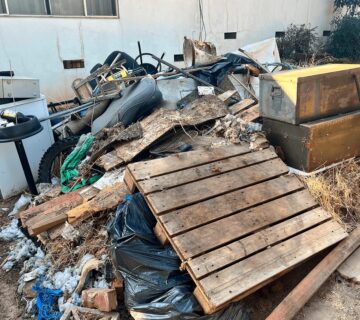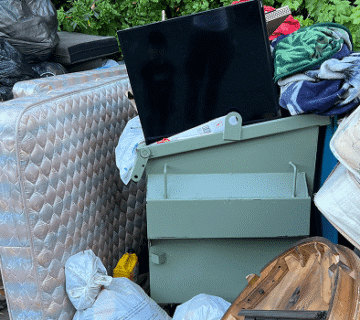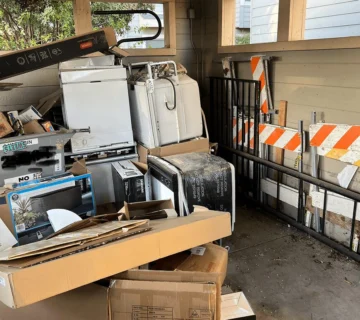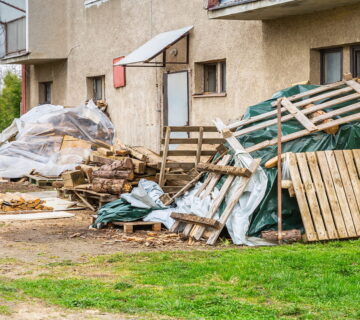
You finally decided to upgrade your living room. The new sofa looks fantastic, the fresh coffee table perfectly matches your decor, and your space feels revitalized. But as you admire your updated home, a lingering question remains about the old pieces you dragged to the curb. When the garbage truck pulls away with your heavy, outdated couch, where exactly does it go?
Throwing away bulky items feels like a quick solution to household clutter. You simply want the item out of your house. However, the journey of your discarded furniture is just beginning. Understanding the lifecycle of household waste reveals a complex, highly engineered, and often environmentally taxing process.
We will break down exactly what happens to furniture at the landfill. You will learn about the intense mechanical processes used to manage bulky waste and the surprising decomposition rates of different materials. We will also explore the environmental impact of throwing away old furniture and how you can make more sustainable choices moving forward.
The Journey from Your Home to the Dump
When you toss a small bag of trash, it joins millions of others in a standard garbage truck. Furniture, however, requires a different approach. Because of its size and weight, bulky waste follows a specific path from your driveway to its final resting place.
Collection and Transport
Most municipal waste services require you to schedule a special bulk pickup for large items. You drag the heavy dresser or mattress to the curb, hoping the weather holds up. Eventually, a specialized truck with a hydraulic scoop or a flatbed arrives to collect the piece.
These trucks burn massive amounts of diesel fuel as they navigate residential streets. Once the truck reaches its maximum capacity, it heads toward a local transfer station or directly to the municipal dump. If you hire a service for Sacramento junk removal, the crew carefully loads your items to optimize space and ensure safe transport.
Weighing and Sorting at the Facility
Before any truck can dump its load, it must pass through the facility’s weigh station. Landfills charge fees based on the weight of the waste they receive. A fully loaded truck drives onto a massive scale, and the operator records the gross weight.
After dropping the load, the empty truck gets weighed again. The difference determines the “tipping fee.” Once the truck dumps the furniture at the active working face of the landfill, heavy machinery takes over. At this point, the true destruction begins.
The Mechanical Process: Crushing Bulky Items
Landfills possess a finite amount of space. To maximize their capacity, facility operators cannot simply leave a bulky couch sitting fully assembled. They must flatten, crush, and compact the furniture as much as physically possible.
The Role of Heavy Compactors
As soon as your old dining table or recliner hits the ground, massive machines called landfill compactors move in. These vehicles weigh tens of thousands of pounds. They feature massive steel wheels covered in heavy metal spikes or cleats.
The operator drives this massive machine directly over your old furniture. The sheer weight and the grinding action of the spiked wheels tear the item apart. Solid wood frames splinter into thousands of pieces. Metal springs bend, snap, and flatten. Cushions tear open, spilling foam and batting across the garbage pile. The machine drives back and forth over the debris repeatedly, squeezing out every possible pocket of air.
Space Optimization Challenges
Despite this aggressive mechanical crushing, furniture remains incredibly problematic for landfill operators. Couches and mattresses are notorious for resisting compaction. Foam acts like a sponge, bouncing back after the machine rolls over it.
Springs often pop out and tangle in the compactor’s wheels, causing mechanical issues for the facility. Because these items refuse to lay completely flat, they create voids in the garbage pile. These empty spaces waste valuable real estate in the landfill and can cause the ground to settle unevenly over time.
Decomposition Rates: How Long Does Furniture Last?
Once the compactor crushes your furniture, workers cover it with a layer of dirt. Sealed away from sunlight and fresh air, the item begins the incredibly slow process of decomposition. How long it takes to break down depends entirely on the materials used to build it.
Solid Wood and Engineered Wood
Solid wood is an organic material, so you might assume it breaks down quickly. In a natural forest environment, a fallen tree rots in a few years thanks to insects, fungi, and oxygen. A sealed landfill, however, lacks oxygen.
Without oxygen, the wood undergoes anaerobic decomposition. A solid oak table might take fifty to one hundred years to fully break down. Engineered woods, like particleboard and MDF, pose a different challenge. Manufacturers bind these wood chips together with heavy glues and synthetic resins. These chemical binders prevent bacteria from breaking the wood down, meaning a cheap bookshelf might outlast a solid hardwood desk by several decades.
Metals and Springs
Metals follow a completely different timeline. If your discarded sofa features a steel frame or heavy metal reclining mechanisms, those parts will remain in the earth for generations.
Steel and iron will eventually rust and oxidize, but this process takes anywhere from fifty to two hundred years depending on the moisture levels in the landfill. Aluminum components, often found in outdoor patio furniture, take even longer. An aluminum chair frame can sit buried in the dirt for up to five hundred years before completely degrading.
Upholstery, Foam, and Synthetic Fabrics
The most stubborn parts of your old furniture are the soft materials. Decades ago, manufacturers used cotton, wool, and natural horsehair to stuff cushions. Today, almost all modern furniture relies on polyurethane foam and synthetic fabrics like polyester or nylon.
These synthetic materials are essentially forms of plastic. Bacteria and microorganisms do not recognize plastic as a food source, so they cannot break it down. Your old couch cushions will likely sit in the landfill for hundreds, if not thousands, of years. They will eventually break into smaller microplastics, but they will never truly return to the earth.
The Environmental Impact of Furniture Disposal
Throwing furniture away does more than just fill up a hole in the ground. The disposal of bulky, complex household items creates a ripple effect that damages our broader environment.
Greenhouse Gas Emissions
When the organic components of your furniture—like wood frames and cotton fabrics—finally begin to decompose without oxygen, they release landfill gas. This gas consists primarily of methane and carbon dioxide.
Methane acts as a highly potent greenhouse gas. It traps significantly more heat in our atmosphere than carbon dioxide. While modern landfills actively capture and burn off some of this gas, a large percentage still escapes into the air. Millions of tons of discarded wood furniture contribute directly to these rising emissions every single year.
Chemical Leaching
Modern furniture is loaded with chemicals. Manufacturers treat fabrics with heavy stain repellents and synthetic dyes. They soak polyurethane foam in toxic flame retardants to meet safety regulations.
When rain falls on a landfill, water filters down through the crushed furniture. It picks up these synthetic chemicals, heavy metals, and toxic glues, creating a hazardous liquid called leachate. Landfills use complex liner systems to catch this toxic soup, but leaks can and do happen. When leachate escapes, it threatens to contaminate the local soil and groundwater supplies.
The Cost of Wasted Resources
Perhaps the biggest environmental tragedy of throwing furniture away is the loss of usable resources. Building a single sofa requires harvesting trees, extracting petroleum for synthetic fabrics, and mining metal for springs.
It takes massive amounts of water and electricity to manufacture the final product. When you dump that sofa in a landfill, all of those invested resources go to waste. Manufacturers must then extract fresh, virgin materials from the earth to build the replacement piece, continuing an unsustainable cycle of consumption and disposal.
Better Alternatives to the Landfill
Knowing the environmental toll of dumping bulky items, you might wonder what else you can do. Fortunately, you have several highly effective alternatives that keep your old items out of the trash.
Donating Usable Items
If your old couch, dining set, or dresser remains in decent condition, someone else can likely use it. Local charities, thrift stores, and community shelters constantly need gently used furniture.
Donating your items extends their lifespan by decades. It prevents perfectly good materials from rotting in a landfill and provides affordable furnishings to families in need. Many organizations will even pick up the items directly from your porch.
Recycling Specific Materials
While you cannot easily recycle a fully assembled couch, you can recycle certain components. If you are willing to deconstruct a broken piece of furniture, you can separate the valuable materials.
You can take metal springs, steel frames, and aluminum legs to a local scrap metal yard. Clean, untreated wood can often go to specialized yard waste facilities to become mulch. By breaking the item down, you divert the most problematic materials away from the municipal dump.
Upcycling and Repurposing
Sometimes an old piece of furniture just needs a little creativity. Upcycling involves taking an outdated or slightly damaged item and transforming it into something new and valuable.
You can sand down a scratched wooden table and apply a fresh coat of modern stain. You can reupholster an ugly armchair with vibrant, contemporary fabric. You can even turn an old wooden ladder into a rustic bookshelf. Upcycling keeps the item completely out of the waste stream while giving you a custom piece for your home.
How Professional Junk Removal Helps
Finding the time and energy to donate, recycle, or upcycle heavy furniture can feel overwhelming. You might not have a truck large enough to haul a sectional sofa to the donation center, or the tools required to dismantle a heavy metal bed frame.
This is where professional waste management steps in to bridge the gap. Hiring an eco-conscious removal team ensures your items find the most sustainable path forward without you lifting a finger.
Eco-Friendly Sorting Practices
When you work with a dedicated team like Take Care Junk, your furniture does not automatically head to the landfill. We prioritize sustainable disposal methods above all else.
Our crews assess every single item we pick up. If a couch is still in great shape, we leverage our network to ensure it reaches a local donation center. If a piece is completely broken, we take it to specialized recycling facilities where the metal and raw materials can be properly extracted. We treat the landfill as an absolute last resort.
Saving Time and Heavy Lifting
Managing bulky waste requires serious physical effort. Trying to move a heavy oak dresser down a flight of stairs can easily result in property damage or a painful back injury.
Our experienced professionals handle all the heavy lifting for you. We safely navigate tight corners and heavy items, protecting your home in the process. Whether you are clearing out a single bedroom or managing a massive estate cleanout, we make the process entirely stress-free.
Handling furniture disposal responsibly often comes down to having a clear plan for what happens after removal. Large, heavy items are difficult to transport, and without proper sorting, they typically end up in landfills regardless of their condition or material value.
A more effective approach involves evaluating each piece, separating reusable materials, and directing items toward donation or recycling whenever possible. This reduces environmental impact and ensures that usable resources are not permanently lost.
Managing the process in a single, organized step also removes the physical strain and logistical challenges that come with moving bulky furniture and navigating disposal requirements.
Reclaim Your Space Responsibly
Every time we throw a bulky piece of furniture into a dumpster, we place an enormous burden on our local landfills and our environment. Those items face a brutal mechanical crushing process, only to sit in the earth leaching chemicals and taking up space for centuries.
You do not have to contribute to this cycle. By choosing to donate, recycle, or hire responsible hauling professionals, you can minimize your environmental footprint while keeping your home clutter-free. You have the power to give your old items a better ending than the bottom of a garbage pile.
Ready to get rid of your old furniture the right way? Let our team do the heavy lifting and the eco-friendly sorting for you. Visit our contact us page today to schedule your pickup and experience a more sustainable approach to junk removal.