In our lives, technology advances at a blistering pace. The smartphone you bought last year is already overshadowed by a newer model with a better camera and faster processor. Your laptop, once top-of-the-line, now struggles to keep up. This constant cycle of innovation leaves a growing trail of obsolete electronics in its wake: old computers, forgotten tablets, cracked phones, and outdated televisions. This mountain of discarded gadgets is known as electronic waste, or e-waste, and it represents the fastest-growing waste stream on the planet.
Many of us, wanting to do the right thing, seek out e-waste recycling options. We drop off our old devices at a collection event or hand them over to a junk removal service, trusting they will be handled responsibly. But what happens next? Where do these complex devices actually go, and how are they transformed from a piece of junk into valuable raw materials? The journey of e-waste is far more intricate than that of a simple plastic bottle or aluminum can. It involves a sophisticated global network of collection, dismantling, and processing designed to reclaim precious resources while managing hazardous components.
Understanding the e-waste recycling lifecycle is crucial. It reveals not only the remarkable technology involved but also the significant environmental and human health risks associated with improper disposal. This comprehensive guide will pull back the curtain on the world of e-waste recycling. We’ll follow a device from the moment it leaves your hands, through manual sorting and shredding, to the final recovery of gold, copper, and other valuable materials. We’ll also explore the dark side of informal recycling and highlight why choosing a professional and certified recycler is essential for protecting our planet and its people.
Stage 1: Collection – The First Step in the E-Waste Journey
The lifecycle of e-waste recycling begins with a simple, crucial step: getting the device out of your home and into the right hands. You cannot simply toss an old laptop or television into your curbside recycling bin along with your cardboard and glass bottles. E-waste contains hazardous materials and requires a completely separate collection and processing stream. Fortunately, consumers have several options.
Curbside and On-Demand Collection
Some municipalities offer special curbside collection days for e-waste, though this is less common due to the logistical challenges. A more convenient and increasingly popular option is on-demand collection from a professional junk removal company. Services like Take Care Junk specialize in handling bulky and sensitive items, including all forms of e-waste. When you schedule a pickup, our trained teams come directly to your home or office, saving you the hassle of transporting heavy or awkward items. This is particularly useful for residents who are clearing out an entire office or dealing with larger items like old CRT monitors or projection TVs.
Drop-Off Locations and Take-Back Programs
Many communities have designated e-waste drop-off locations, such as municipal transfer stations or special collection events. These are great options if you have the means to transport your items. Additionally, many electronics retailers and manufacturers have “take-back” programs. These initiatives allow you to return your old device—sometimes in exchange for a discount on a new one—when you make a purchase. These companies then partner with certified recyclers to manage the collected e-waste.
Regardless of the method, the goal is the same: to aggregate e-waste and transport it to a specialized facility where the real work of recycling can begin. The choice of a reputable collection service is your first and most important decision in this process. A responsible company ensures your data-containing devices are handled securely and are sent only to certified recyclers, not dumped illegally or exported to developing nations.
Stage 2: Manual Sorting and Dismantling
Once collected, the e-waste arrives at a Materials Recovery Facility (MRF) or a specialized e-waste recycling plant. Here, the first phase of processing is a hands-on affair. Unlike single-stream recycling where machines do most of the sorting, e-waste requires careful manual evaluation and deconstruction.
Triage and Initial Sorting
Workers on a sorting line separate the incoming stream of electronics into broad categories. Computers go into one bin, televisions into another, printers into a third, and mobile phones into a fourth. This initial sorting is critical because different devices have vastly different compositions and require different dismantling procedures.
During this stage, workers also identify and remove any components that are particularly hazardous or valuable and need to be handled separately. The most important of these are batteries.
- Battery Removal: Lithium-ion batteries, found in laptops, tablets, and smartphones, are a primary focus. If punctured or shredded, these batteries can explode or catch fire, posing a significant risk to workers and equipment. They are carefully removed by hand and sent to specialized battery recyclers who can safely extract materials like cobalt, lithium, and nickel.
The Art of De-Manufacturing
After the initial sort, many devices are manually dismantled—a process often called “de-manufacturing.” This is a delicate and skilled task. Workers use power tools and hand tools to open up casings and remove key internal components.
- Circuit Boards: The printed circuit boards (PCBs) are the electronic heart of any device. They are densely packed with tiny components and contain a high concentration of precious metals, including gold, silver, palladium, and copper. These boards are carefully extracted and set aside for a separate, more intensive recovery process.
- Hazardous Materials: Older electronics, especially CRT (cathode ray tube) monitors and televisions, contain hazardous substances that must be managed carefully. CRTs contain a significant amount of lead in the glass, which shielded users from radiation. This leaded glass cannot be mixed with other glass and requires special processing to prevent lead from leaching into the environment. Other hazardous components include mercury switches and fluorescent lamps (containing mercury vapor) found in some flat-screen displays and scanners.
- Data Destruction: For devices that store sensitive information, such as hard drives from computers and memory chips from phones, this is the stage where data is securely destroyed. Certified e-waste recyclers offer services to physically shred, crush, or degauss these storage devices, ensuring complete data sanitization before the materials are processed further. This is a vital security step for both individuals and businesses.
Manual dismantling is labor-intensive, but it is the most effective way to separate clean materials and isolate hazardous components before the destructive shredding phase.
Stage 3: Shredding and Mechanical Separation
After manual dismantling has removed the most valuable and hazardous parts, the remaining shells and frames of the electronics—mostly plastics and metals—are ready for large-scale mechanical processing. The goal is to liberate the different materials from each other by breaking everything down into small, uniform pieces.
The Primary Shredding Phase
The de-manufactured e-waste is fed onto a conveyor belt that leads into a massive shredder. This machine, which can be the size of a small room, uses powerful rotating blades to tear the electronics into pieces roughly the size of your hand. This initial shred liberates different materials that were screwed or snapped together.
The Secondary Granulation Phase
The output from the primary shredder then moves to a secondary shredder or granulator. This machine further reduces the material into even smaller, confetti-like fragments, typically less than an inch in diameter. This fine shredding is essential for the next step, which is separating the complex mix of materials.
A Symphony of Separation Technologies
The shredded e-waste is now a heterogeneous mix of plastic, steel, aluminum, copper, and other materials. The facility uses a series of advanced mechanical and sensor-based technologies to separate this mixture into pure commodity streams.
- Magnets: The shredded material first passes under powerful overhead magnets. These pull all the ferrous metals, primarily steel from casings and frames, out of the mix. The steel is collected and sent to steel mills to be melted down and used to create new products.
- Eddy Currents: After the steel is removed, the remaining material is passed over an eddy current separator. This device uses a strong magnetic field to induce a current in non-ferrous metals like aluminum and copper. This current creates a repulsive force that literally kicks the metal pieces off the conveyor belt and into a separate collection bin.
- Water Separation (Sink-Float): To separate different types of plastics and other materials, facilities often use a water bath or other liquid solution. Materials are fed into the tank, where they separate based on their density. Heavier materials like copper wiring will sink, while lighter materials like different types of plastics will float at various levels.
- Optical Sorters: The most advanced facilities use sophisticated optical sorters. As the shredded plastic mix passes under a high-speed camera, a computer identifies different types of plastic based on the way they reflect light. When a targeted type of plastic is detected, a precise jet of compressed air shoots it into the correct bin. This technology can sort plastics by type (ABS, polystyrene, etc.) and even by color.
At the end of this stage, what was once a complex electronic device has been successfully broken down into clean, separated streams of steel, aluminum, copper, and various plastics. These materials are then baled or boxed and sold as raw commodities to manufacturers, completing their recycling loop.
Stage 4: Precious Metal Recovery – The Final Frontier
While the shredding line recovers bulk materials, the most valuable components of e-waste—the printed circuit boards—are sent on a different journey. These boards contain tiny but significant quantities of precious and rare earth metals. Extracting them requires a highly specialized and complex process involving hydrometallurgy or pyrometallurgy (smelting).
The High-Tech Smelting Process
The collected circuit boards are shipped to one of only a handful of advanced smelters in the world that are equipped to handle this material.
- Sampling and Smelting: The boards are first sampled to determine their exact metallic content. They are then fed into a massive furnace, along with a fluxing agent and copper-containing materials. The furnace operates at extremely high temperatures (over 2,000°F), melting down the boards.
- Metal Collection: During the smelting process, the molten precious metals like gold, silver, platinum, and palladium have a chemical affinity for copper. They bind with the molten copper, creating a metallic alloy. The other materials, such as fiberglass, resins, and ceramics from the boards, form a slag that floats on top and is skimmed off. This slag can often be used in construction materials like asphalt.
- Electrolytic Refining: The copper alloy containing the precious metals is then cast into plates called anodes. These anodes are submerged in an acid bath for electrolytic refining. An electric current is passed through the bath, causing the pure copper to dissolve from the anode and deposit onto a pure cathode, leaving behind the precious metals and other impurities in a sludge at the bottom of the tank.
- Final Separation: This precious metal sludge is then processed through further chemical and refining steps to separate the gold, silver, platinum, palladium, and other metals into their pure forms.
This process is incredibly efficient, recovering over 95% of the precious metals present on the circuit boards. The value of these recovered metals is a primary economic driver for the entire e-waste recycling industry.
The Dark Side: Environmental and Health Impacts of Improper Disposal
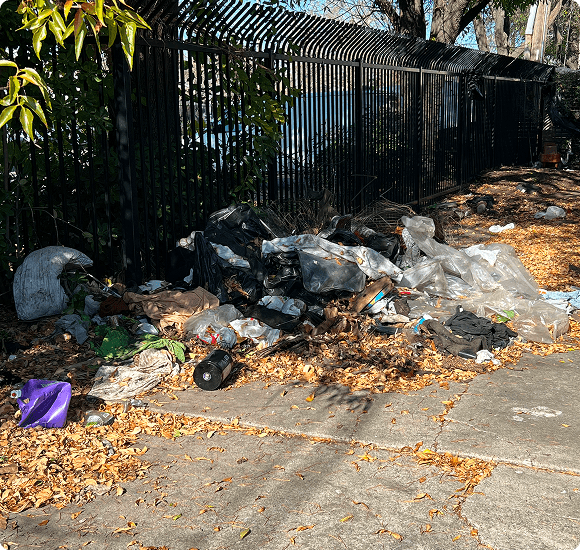
The sophisticated process described above is how e-waste recycling should work. Unfortunately, a significant portion of the world’s e-waste does not end up in these state-of-the-art facilities. It is illegally dumped or exported to developing countries where it is processed in informal, unregulated conditions.
The Global E-Waste Trade
Despite international agreements designed to prevent it, large volumes of e-waste from developed nations are shipped to countries in Asia and Africa under the guise of “donations” or “reusable goods.” Here, impoverished communities use primitive methods to extract the valuable metals. They burn plastic casings off wires to get to the copper, and use toxic acid baths in open-air pits to leach gold from circuit boards.
Severe Health Consequences
These informal recycling practices have devastating consequences for human health.
- Toxic Fumes: Burning plastics and electronics releases a cocktail of highly toxic chemicals, including dioxins, furans, and polycyclic aromatic hydrocarbons (PAHs), into the air. These are known carcinogens and can cause severe respiratory and neurological problems.
- Heavy Metal Poisoning: Workers, often including children, handle components containing lead, mercury, and cadmium without any protective gear. These heavy metals are potent neurotoxins that can cause irreversible developmental damage, kidney disease, and other serious health issues.
- Contaminated Water and Soil: The hazardous chemicals and acids used in the extraction process are often dumped directly onto the ground, contaminating local soil and seeping into groundwater. This pollutes drinking water sources and agricultural land, affecting the health of the entire community.
Environmental Devastation
The environmental impact is just as severe. The toxic substances released from informal e-waste dumps poison ecosystems, kill wildlife, and can persist in the environment for decades. Choosing a certified and transparent e-waste recycler is not just an environmental choice; it is an ethical one. It ensures that your old devices are not contributing to this cycle of harm.
Your Role in Responsible E-Waste Management
The complex and sometimes perilous journey of e-waste highlights the critical importance of making the right disposal choices. As a consumer, you are the gatekeeper. Your decisions determine whether your old electronics become valuable resources or a toxic burden.
Best Practices for Consumers and Businesses
- Reduce and Reuse: The most sustainable option is to create less waste. Extend the life of your devices by repairing them when possible. When you do upgrade, consider selling or donating your old, functional electronics to give them a second life.
- Choose Certified Recyclers: When a device has truly reached the end of its life, it is essential to use a certified e-waste recycler. Look for certifications like R2 (Responsible Recycling) or e-Stewards. These certifications guarantee that the recycler adheres to the highest standards for environmental protection, worker safety, and data security. They are audited to ensure they do not export hazardous waste to developing countries.
- Never Use the Trash Can: Never throw e-waste in your regular garbage or recycling bin. The hazardous materials will end up in a landfill, where they can leach into the soil and water over time.
- Partner with a Professional Service: For the ultimate convenience and peace of mind, partner with a professional junk removal company that is committed to responsible disposal.
At Take Care Junk, we understand the importance of proper e-waste management. We have built our service around the principles of environmental responsibility. When we collect your e-waste, we ensure it is routed only to certified recycling partners who can safely and effectively de-manufacture the devices and recover the valuable materials within. We take the guesswork and hassle out of the process, providing a secure and sustainable solution for your electronic waste.
Whether you’re a homeowner with an old TV or a business upgrading an entire office worth of computers, we can help. Don’t let your old electronics gather dust in a closet or risk them ending up in the wrong place. To learn more about our e-waste services or to schedule a pickup, please contact us today. Together, we can ensure that our technological progress doesn’t come at the cost of our planet’s health.