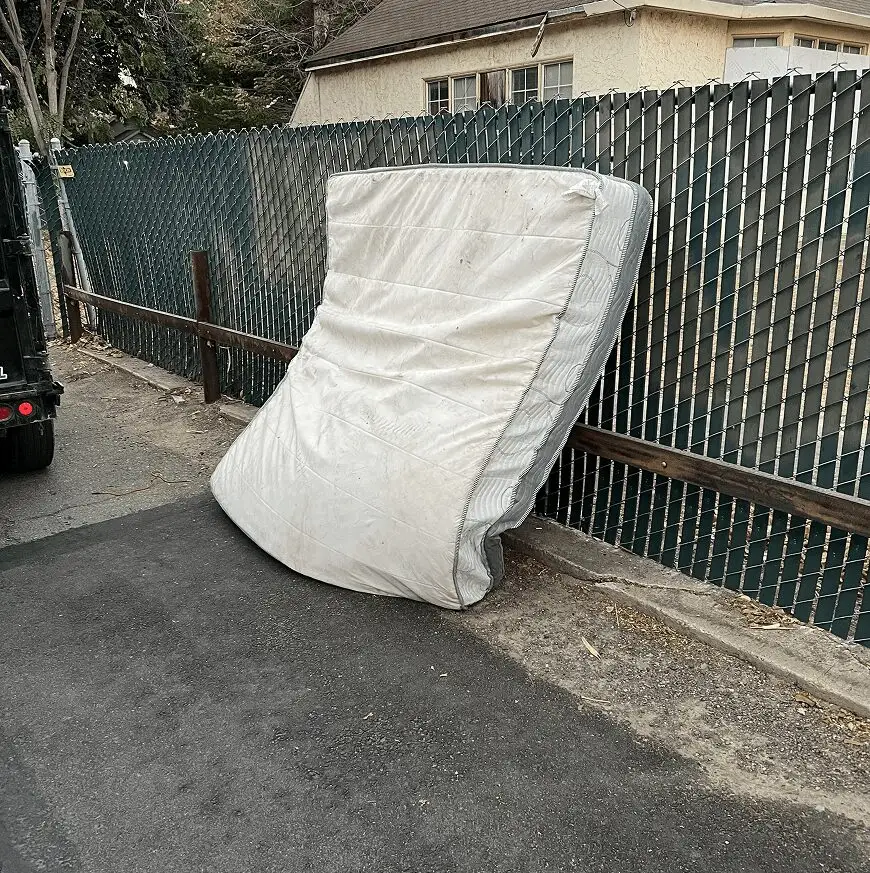
A good night’s sleep is essential for our well-being, and a quality mattress is a key ingredient. We spend roughly a third of our lives in bed, but what happens to our trusty mattress when it’s time for an upgrade? For most people, the answer is a bit of a mystery. The sheer size and bulk of a mattress make it one of the most challenging items for a homeowner to dispose of. All too often, the final resting place for an old mattress is a landfill, where it creates a host of environmental problems.
However, there is a better, more sustainable alternative: mattress recycling. While not as simple as tossing a bottle in a blue bin, the process of recycling a mattress is a fascinating journey of deconstruction that transforms a bulky piece of waste into a collection of valuable raw materials. This process diverts millions of pounds of waste from landfills each year, conserves natural resources, and fuels a circular economy.
This guide will pull back the covers on the world of mattress recycling. We’ll explore why simply throwing away a mattress is so problematic, walk through the step-by-step process of how a mattress is dismantled, and examine the challenges the industry faces. Most importantly, we’ll explain why partnering with a professional junk removal service is the easiest and most responsible way to ensure your old mattress gets the eco-friendly farewell it deserves.
The Environmental Nightmare of Landfilled Mattresses
Before we dive into the solution, it’s important to understand the problem. Mattresses are a significant burden on our waste management systems and the environment when they end up in a landfill.
They Take Up Massive Space
Mattresses are big, bulky, and don’t compact well. It’s estimated that in the United States alone, between 20 and 40 million mattresses are disposed of each year. When sent to landfills, they consume an enormous amount of valuable space. A single mattress can take up as much as 40 cubic feet, and their resistance to compaction means they create large empty pockets that can destabilize the landfill structure.
They Damage Landfill Equipment
The springs inside an innerspring mattress are a nightmare for landfill equipment. The tough, coiled steel can get tangled in the heavy machinery used to compact waste, causing expensive damage and significant downtime for repairs. This not only increases operational costs for waste facilities but also poses a safety risk to workers.
The “Trampoline Effect”
Because they are designed to be springy and resilient, mattresses do not cooperate when buried. They can trap gases and “float” to the surface of a landfill over time, a phenomenon known as the trampoline effect. This can damage the landfill’s protective liners, which are designed to prevent hazardous liquids (leachate) from contaminating soil and groundwater.
Leaching of Hazardous Chemicals
Mattresses are not just simple collections of cloth and springs. They are complex products often manufactured with a variety of chemicals. Older mattresses, in particular, may contain flame retardants like polybrominated diphenyl ethers (PBDEs), which are now known to be toxic and persistent in the environment. When a mattress decomposes in a landfill, these chemicals, along with others from foam and adhesives, can be released into the leachate, posing a long-term threat to our water supplies.
The Mattress Recycling Process: From Bedroom to Bale
The good news is that nearly every component of a mattress can be recycled. Between 80% and 95% of a mattress by weight can be reclaimed and given a new life. This transformation happens at specialized mattress recycling facilities through a combination of manual labor and mechanical processing. The journey begins the moment it leaves your home.
Step 1: Collection and Transportation
The first and most critical step is getting your old mattress from your home to a recycling facility. This isn’t a simple curbside pickup. Due to their size, mattresses require a dedicated collection stream.
For many homeowners, this is the biggest hurdle. Trying to haul a king-size mattress to a disposal site on your own is difficult and often requires a truck and an extra set of hands. This is where a professional junk removal service becomes invaluable. Companies like Take Care Junk handle all the heavy lifting for you. Our teams can navigate tight stairwells and hallways to remove the mattress from your home safely and efficiently. We have established relationships with recycling centers throughout the regions we serve, ensuring your mattress is transported to the right facility for proper processing.
Once the mattresses arrive at the recycling plant, they are weighed, logged, and prepared for deconstruction.
Step 2: Manual Deconstruction – The Triage
Unlike some recycling streams that are highly automated, mattress recycling is a very hands-on process. Each mattress is moved to a cutting station where a skilled worker begins the “triage”—the careful process of separating the outer layers.
Using specialized box-cutter knives and other blades, the worker slices open the top layer of fabric, known as the ticking, and the quilted comfort layers just beneath it. This is a precise task, as the goal is to cut through the fabric and foam without damaging the internal components. The layers are peeled back, much like skinning an orange, exposing the core of the mattress—either a steel innerspring unit or a latex/memory foam block.
Step 3: Layer-by-Layer Material Separation
With the mattress opened up, the deconstruction team begins to separate the different materials into dedicated piles or bins. This sorting is the most crucial part of the process, as the value of the recycled materials depends on their purity.
Reclaiming the Foam
- What it is: The comfort layers of a mattress are typically made from polyurethane foam, memory foam (visco-elastic foam), or latex foam. These materials provide the cushioning and support that make a mattress comfortable.
- How it’s recycled: The foam is stripped away from the springs or core and collected. It is then compressed into large, dense bales. These bales are sold to manufacturers who shred the foam and use it to produce carpet padding, also known as rebond. This is the largest end market for recycled mattress foam. It can also be used for insulation or as padding in other products.
Recovering the Fibers and Fabric
- What it is: This includes the outer fabric (ticking), which is often a cotton or polyester blend, as well as other fibrous materials like felt, shoddy pads, and cotton batting used for insulation and padding around the springs.
- How it’s recycled: These textiles are gathered and baled. They can be used in a variety of applications, including industrial oil filters, insulation for buildings, and stuffing for furniture or pet bedding. The mixed-fiber content makes it less suitable for being turned back into new clothing, but it is a perfect raw material for these other industrial uses.
Extracting the Steel Springs
- What it is: The innerspring unit is the backbone of a traditional mattress. It can account for a significant portion of the mattress’s total weight and is one of its most valuable components.
- How it’s recycled: Once all the foam and fabric have been removed, the bare metal spring unit is all that remains. These bulky units are sent to a metal shredder or crushed by a powerful compactor. The now-densified steel is sold as scrap metal to steel mills. There, it is melted down in a furnace and used to create a wide range of new products, from car parts and construction materials (like rebar) to new appliances. Recycling steel uses about 75% less energy than producing it from virgin iron ore.
Salvaging the Wooden Frame
- What it is: The box spring (or foundation) that often accompanies a mattress has its own set of recyclable materials. The primary component is the wooden frame.
- How it’s recycled: The fabric cover and steel grid are removed from the box spring, isolating the wood. This wood is collected and typically sent through a wood chipper. The resulting wood chips have several potential uses. They can be sold as landscaping mulch, used as animal bedding, or burned as biomass fuel to generate energy. For many homeowners near more rural landscapes, the use of recycled wood for mulch is a common sight.
At the end of this meticulous process, what was once a single, cumbersome mattress has been transformed into organized bales of foam, fabric, steel, and wood chips, all ready to begin their next life as new products.
The Challenges Facing Mattress Recycling
While the process is effective, the mattress recycling industry faces several significant hurdles that limit its widespread adoption and economic viability.
High Labor and Transportation Costs
As outlined above, mattress recycling is a labor-intensive industry. The manual deconstruction process requires skilled workers and is not easily automated. Furthermore, because mattresses are so bulky and lightweight for their size, transporting them is inefficient. A truck can only hold a limited number of uncompressed mattresses, making the transportation cost per unit relatively high. These factors can make it more expensive to recycle a mattress than to simply send it to a landfill in regions without supportive legislation.
Contamination and Condition of Mattresses
The condition of the mattress when it arrives at the facility is a major factor. Mattresses that are heavily soiled, waterlogged, or infested with bedbugs are often rejected and sent to the landfill. The moisture can lead to mold, which contaminates other materials and poses a health risk to workers. Bedbugs can infest an entire facility, requiring a costly and disruptive shutdown for extermination. This is why it’s so important to keep a mattress you intend to recycle clean and dry. A professional service, like Take Care Junk, ensures the mattress is handled properly from the moment of collection, minimizing contamination risks.
Lack of Consistent End Markets
Like any recycling business, mattress recycling is dependent on having consistent and profitable end markets for the materials it recovers. The market for scrap steel is relatively stable, but the demand for recycled foam and textiles can fluctuate. When the price for these commodities drops, it puts financial pressure on recycling facilities. Developing new and innovative uses for these materials is key to the long-term sustainability of the industry.
Legislative and Programmatic Gaps
In most parts of the country, mattress recycling is not mandatory. However, a few states, including California, Connecticut, and Rhode Island, have passed laws creating “Extended Producer Responsibility” (EPR) programs. Under these programs, a small fee is collected on the sale of every new mattress. This fee funds a statewide recycling program managed by the Mattress Recycling Council (MRC).
These programs have been incredibly successful. They create a stable funding stream that makes recycling economically feasible, and they have established a network of collection sites and recycling facilities that make it much easier for consumers to participate. For residents in the many California cities we serve, these state-mandated programs make recycling the clear and correct choice. However, in states without such programs, access to mattress recycling can be limited.
Why Professional Junk Removal is the Best Solution
After learning about the complexities and challenges of mattress disposal, it becomes clear why simply leaving it on the curb is not the answer. Managing an old mattress responsibly requires a deliberate plan. For the average homeowner, the easiest and most effective plan is to hire a professional junk removal company.
Convenience and Safety
Let’s be honest: mattresses are heavy, awkward, and difficult to move. Trying to wrestle a mattress down a flight of stairs, out the door, and into a vehicle can lead to strained backs, scratched walls, and a lot of frustration. Our professional teams at Take Care Junk are trained and insured to handle these bulky items. We do all the heavy lifting, saving you the physical strain and potential injury.
Guaranteed Responsible Disposal
When you hire a reputable junk removal service, you are also getting peace of mind. You don’t have to spend time researching local recycling facilities or worrying if your mattress will end up in a landfill. We have done that work for you. We are committed to environmentally responsible disposal practices. We partner with certified mattress recyclers and ensure that every mattress we collect is diverted from the landfill whenever possible. This commitment is central to our mission.
One-Stop Solution for All Your Junk
Often, getting rid of a mattress is part of a larger cleanout. You might also be disposing of the old box spring, bed frame, and other unwanted furniture or clutter. A professional junk removal service can take it all in a single trip. Instead of making multiple trips to different donation centers, recycling facilities, and the local dump, you can have everything removed at once. This comprehensive service is ideal for residents who are undertaking a home renovation or spring cleaning project. We can handle everything from old appliances and e-waste to yard debris and construction materials.
Navigating Local Regulations
Disposal regulations can vary from one municipality to another. Some cities, like Marysville or Yuba City, may have different rules or landfill fees than a larger metro area. A local junk removal company is familiar with the specific requirements of your region. We ensure that your mattress and other junk are handled in full compliance with all local ordinances, saving you from the risk of fines associated with illegal dumping.
Your old mattress has served you well for years. When it’s time for it to go, it deserves more than an unceremonious trip to the dump. Mattress recycling is a powerful way to reduce waste, conserve resources, and protect our environment. By understanding how the process works and the challenges involved, you can appreciate the importance of making a responsible choice.
While the recycling process itself is complex, your part can be simple. By choosing a professional, eco-friendly junk removal service, you ensure your old mattress is handled safely, conveniently, and sustainably. If you’re ready to say goodbye to your old mattress, don’t let it become a burden. Let us handle the heavy lifting and the logistics of responsible disposal.
Ready to schedule your mattress pickup? Contact us today, and our team will be happy to help you clear out your space the responsible way.