You stand before the blue bin, a plastic container in hand. You’ve rinsed it, but is it clean enough? You flatten a cardboard box, but what about the glossy ink? Recycling feels like it should be a simple act of environmental goodwill, yet it is often filled with uncertainty. Many well-intentioned homeowners, trying to do the right thing, inadvertently make mistakes that can disrupt the entire recycling process. These errors, born from a mix of hope and misinformation, can lead to contaminated loads, damaged equipment, and, ironically, more waste ending up in a landfill.
Understanding the common pitfalls of curbside recycling is the key to transforming good intentions into genuine impact. It’s not about memorizing complex rules but about grasping the “why” behind them. Why does a greasy pizza box cause so much trouble? What exactly is a “tangler,” and why is it the nemesis of recycling facilities? Getting these answers helps us become more effective stewards of our resources and ensures the recycling system can function as intended.
This guide will illuminate the most significant recycling mistakes homeowners make. We will explore the detrimental effects of “wishcycling,” the critical importance of clean containers, the problems with sorting small items, and why certain materials simply do not belong in your bin. We’ll also show how professional services can step in when your waste goes beyond the scope of a simple blue bin, ensuring everything from old electronics to bulky furniture is handled correctly.
Mistake #1: Wishcycling – When Hope Contaminates the System
“Wishcycling” is the act of placing a non-recyclable item in the recycling bin, hoping it will somehow be sorted and recycled. It comes from a good place—a desire to keep things out of the landfill. However, this optimistic approach is one of the most damaging mistakes in the recycling world. It introduces contamination, which is the primary threat to the efficiency and economic viability of the recycling industry.
The Domino Effect of a Single Wrong Item
When you toss a non-recyclable item into the bin, you set off a chain reaction. This item arrives at a Materials Recovery Facility (MRF), a complex plant designed to sort specific materials like paper, metal, and certain plastics. The machinery here is highly specialized and not equipped to handle a bowling ball, a garden hose, or a ceramic mug.
- Contamination of Bales: Recyclable materials are sorted and compressed into large bales to be sold to manufacturers. If a bale of paper is contaminated with plastic film or food waste, its value plummets. A manufacturer might reject the entire bale, forcing the MRF to send tons of otherwise good material to the landfill.
- Damage to Machinery: Items like plastic bags, old extension cords, and clothing—often called “tanglers”—wrap around the large rotating screens and gears of the sorting equipment. This forces the entire facility to shut down, often several times a day. Workers must then undertake the dangerous task of manually cutting these items free, leading to lost time, increased operational costs, and risks to employee safety.
- Increased Costs: Sorting out all the wishcycled items requires more manual labor and slows down the entire process. These increased costs are eventually passed down to municipalities and, ultimately, to residents through higher waste management fees.
Common Wishcycled Items and Why They Are a Problem
To stop wishcycling, you need to know what to look out for. Here are some of the most common culprits found in curbside bins:
- Plastic Bags and Film: These are the number one enemy of MRFs. They are not recyclable in curbside programs. Take them to designated retail store drop-off bins.
- Styrofoam (Polystyrene): Whether it’s a coffee cup, a takeout container, or packing peanuts, Styrofoam is not recyclable in your bin. It is lightweight, has no economic value, and crumbles easily, contaminating other materials.
- Electronics (E-waste): Old phones, laptops, and chargers contain hazardous materials like lead and mercury. They require specialized processing.
- Batteries: These are a serious fire hazard in trucks and facilities. They must be taken to a proper household hazardous waste (HHW) drop-off location.
- Clothing and Textiles: Don’t put old T-shirts or towels in the blue bin. They get tangled in the sorting equipment. Donate usable clothing or find a textile recycling program.
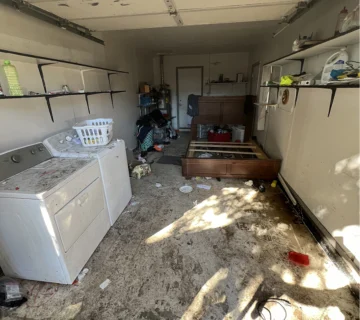
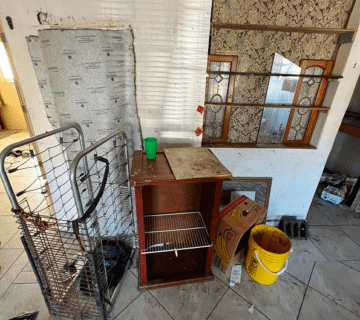
For many homeowners who are clearing out a garage or basement, it’s easy to accumulate a pile of these wishcycled items. When you have a mix of electronics, textiles, and other non-standard junk, calling a professional service is the best solution.
Mistake #2: Forgetting to Clean, Empty, and Dry
One of the simplest yet most overlooked rules of recycling is that all containers must be clean, empty, and dry. Food and liquid residue are a major form of contamination that can ruin large quantities of valuable materials.
The Problem with Food and Liquid Residue
When you toss a half-empty jar of salsa or a greasy takeout container into the bin, you compromise the integrity of the entire load.
- Paper and Cardboard Contamination: Paper products are especially vulnerable. When they are pulped to create new paper, any oil or grease mixed in cannot be separated from the paper fibers. The oil spreads, ruining the entire slurry. A single greasy pizza box bottom can contaminate an entire bale of clean cardboard. The rule is simple: if the cardboard is stained with grease, tear it off and throw it in the trash or compost. The clean parts can still be recycled.
- Pest Infestations and Unsanitary Conditions: Leftover food and liquid attract pests like rats and insects to recycling facilities, creating health hazards for workers.
- Reduced Value of Materials: Batches of plastic and glass coated in sticky residue are less appealing to buyers. The MRF must either spend extra time, energy, and water cleaning the materials or accept a lower price for them. If the contamination is too severe, the entire load may be re-routed to the landfill because it is not cost-effective to process.
How Clean is “Clean Enough”?
This is a common point of confusion. You do not need to scrub your containers until they are sparkling. The goal is to remove any residue that could mold, attract pests, or leak onto other materials.
- Scrape: Scrape out any solid food remnants from jars, cans, and tubs.
- Rinse: Give the container a quick rinse with water. Using leftover dishwater is a great way to conserve water.
- Dry: Shake out the excess water and let the container air dry before placing it in the bin. A wet container can dampen paper and cardboard, reducing their quality and making them prone to mold.
Remember the mantra: Empty, Clean, and Dry. This simple habit is one of the most powerful things you can do to support the recycling system.
Mistake #3: Misunderstanding the Numbers on Plastic
That chasing arrows symbol with a number inside it, found on the bottom of most plastic products, is the Resin Identification Code (RIC). It is perhaps the biggest source of public confusion about recycling. Most people assume this symbol means the item is recyclable. It does not. The RIC only identifies the type of plastic resin the item is made from.
What the Plastic Numbers Actually Mean
Recyclability is determined by your local MRF’s ability to sort the material and the existence of an end market to buy it. In reality, only a couple of these plastic types have strong, reliable recycling markets in the United States.
- #1 PET (Polyethylene Terephthalate): Found in water bottles, soda bottles, and peanut butter jars. This plastic is easily recycled and in high demand. Generally Recyclable.
- #2 HDPE (High-Density Polyethylene): Used for milk jugs, laundry detergent bottles, and shampoo bottles. Also easily recycled with a strong market. Generally Recyclable.
- #3 PVC (Polyvinyl Chloride): Used in some packaging and pipes. It’s rarely accepted in curbside programs because it contains chemicals that are hazardous when melted. Avoid.
- #4 LDPE (Low-Density Polyethylene): The material of plastic grocery bags and shrink wrap. Not accepted in curbside bins because it tangles machinery, but can be returned to many retail stores. Check Locally/Store Drop-off.
- #5 PP (Polypropylene): Found in yogurt tubs, margarine containers, and some takeout containers. The market for #5 plastic is improving, but acceptance varies widely by region. Check Locally.
- #6 PS (Polystyrene): This is Styrofoam. It’s almost never accepted curbside due to its light weight, low value, and tendency to break into small pieces. Avoid.
- #7 Other: A catch-all for any other plastic, including multi-layered plastics and compostable plastics (PLA). These are almost never recycled through curbside programs. Avoid.
The key takeaway is to focus on the shape of the container rather than the number. Most recycling programs want your plastic bottles, jugs, and jars. Tubs and other containers are less certain. When in doubt, check your local guidelines.
Mistake #4: Tossing in “Tanglers” and Other Machinery Jammers
As mentioned before, “tanglers” are the bane of every MRF. These are long, flexible items that wrap themselves around the rotating shafts, gears, and screens of the sorting equipment, causing massive disruptions.
The Most Common Tanglers
- Plastic Bags: The #1 offender. Never put your recyclables inside a plastic bag. Keep items loose in the bin.
- Cords and Hoses: Extension cords, holiday lights, and garden hoses are classic tanglers that can cause hours of downtime.
- Wires and Ropes: Any kind of wire, rope, or chain will inevitably get caught in the machinery.
- Clothing and Bedding: Sheets, shirts, and pants also wrap around equipment.
These items must be kept out of your recycling bin at all costs. Tanglers not only stop the sorting process but also pose a significant safety risk to the workers who have to climb into the machinery to cut them out. If you have a large amount of this type of waste, a junk removal service is your best bet for proper disposal. A company like Take Care Junk can handle these awkward items for you.
Mistake #5: Ignoring Size – Too Small or Too Big
Size matters a great deal at a recycling facility. The sorting equipment is calibrated to handle materials within a certain size range. Items that are too small or too large can disrupt the system.
The Problem with Small Items
Items smaller than a credit card will typically fall through the cracks of the sorting screens and conveyor belts. They end up in the general waste stream and are sent to the landfill along with dirt and broken glass.
Common items that are too small include:
- Plastic bottle caps (unless screwed back onto the bottle)
- Shredded paper (the small scraps are impossible to sort)
- Plastic straws and utensils
- Coffee pods
- Paper clips and staples
The Shredded Paper Dilemma: While office paper is recyclable, shredded paper is not accepted in most curbside programs. The tiny shreds are too small to be sorted and can contaminate other materials like glass. If you need to recycle shredded paper, place it in a sealed paper bag and check if your local program specifically accepts it this way. Otherwise, it should be composted or thrown away.
A Note on Bottle Caps: For years, the advice was to remove bottle caps. However, technology and best practices have evolved. The current recommendation from the Association of Plastic Recyclers is to empty the bottle, crush it if you can, and screw the plastic cap back on tightly. This ensures the cap (often valuable #5 or #2 plastic) gets recycled with the bottle instead of being lost in the sorting process.
The Problem with Large Items
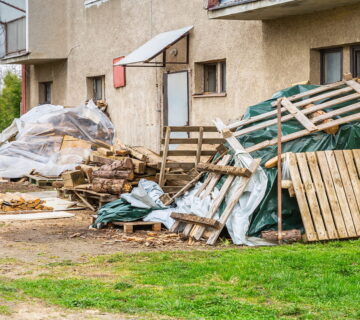
On the other end of the spectrum, very large items also have no place in your curbside bin. Large pieces of scrap metal, construction debris, or bulky plastic items like laundry baskets or lawn furniture can jam the automated systems. These items require a different disposal path.
The Solution: Better Habits and Professional Help
Avoiding these common recycling mistakes boils down to a few key principles. By adopting better habits and knowing when to call for backup, you can ensure your efforts are truly making a difference.
Your Action Plan for Better Recycling
- Know Before You Throw: The most important step is to check your local guidelines. Waste management rules are not universal; they vary by city and county. Your local provider’s website is the definitive source of truth for what is and is not accepted in your bin.
- Focus on the Core Recyclables: Stick to the basics that are accepted almost everywhere: clean paper, flattened cardboard, metal cans (aluminum and steel), and plastic bottles and jugs. When in doubt about a specific item, the best motto is: “When in doubt, throw it out.” It’s better to landfill one questionable item than to contaminate an entire batch of good recyclables.
- Keep it Clean, Empty, and Dry: Scrape, give it a quick rinse, and shake it dry. This simple habit dramatically increases the value and recyclability of your containers.
- Keep it Loose: Never bag your recyclables. Place them directly into your bin.
- Reduce and Reuse: The most effective form of waste management is to not create waste in the first place. Opt for reusable bags, water bottles, and coffee cups.
When to Call a Professional Junk Removal Service
Your curbside bin is designed for everyday household waste, not for cleanouts, renovations, or bulky items. That’s where a professional junk removal company provides a crucial service. A service like Take Care Junk bridges the gap between regular recycling and responsible disposal for everything else.
We are equipped to handle the items that can’t go in your bin, including:
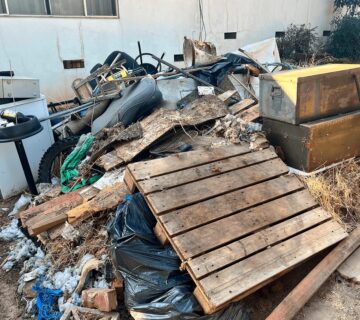
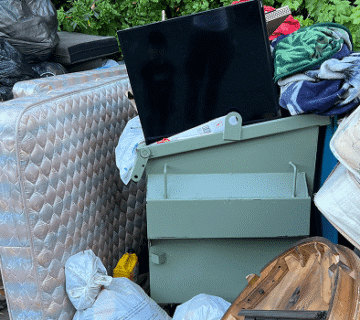
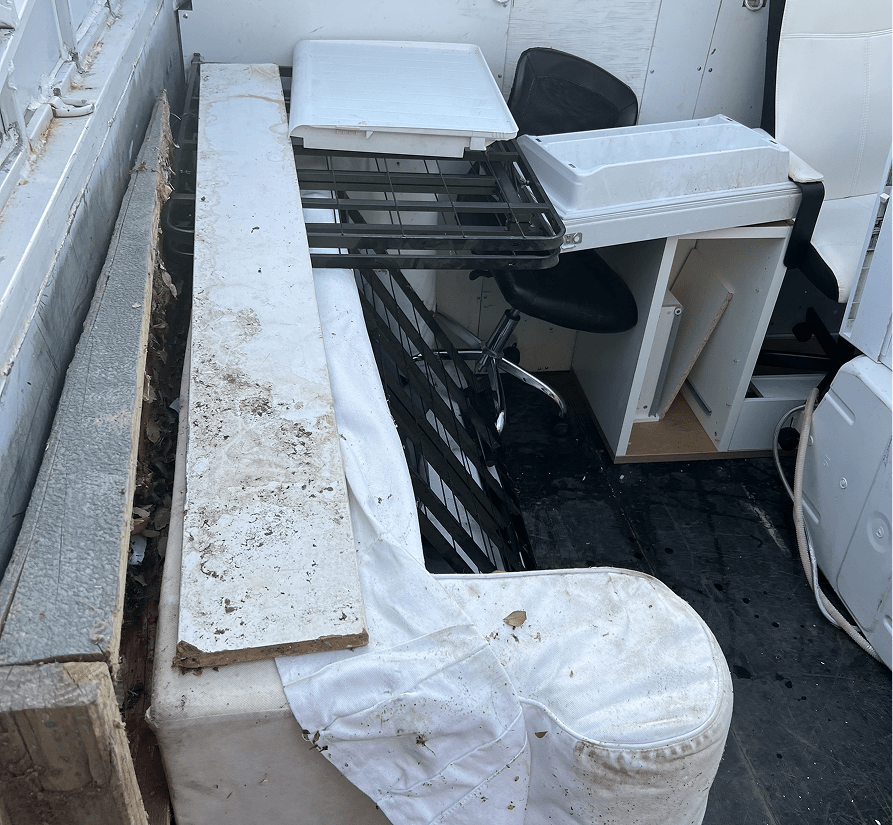
- Bulky Items: Old furniture, mattresses, appliances, and carpets.
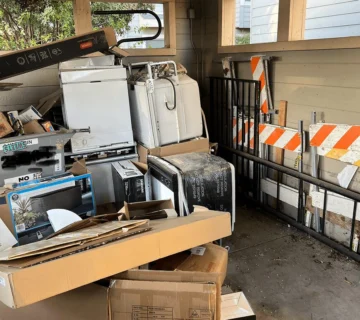
- E-Waste: Computers, monitors, TVs, printers, and other electronics.
- Construction Debris: Wood, drywall, metal scraps, and concrete.
- Mixed Junk: The overwhelming clutter from a garage, attic, or basement cleanout.
Our teams are trained to sort materials properly. We identify items that can be donated to local charities, separate materials like scrap metal and e-waste to be sent to specialized recycling facilities, and ensure that only what truly belongs in a landfill ends up there. This approach maximizes diversion from landfills and takes the burden of sorting and disposal off your shoulders.
If you are facing a pile of junk and are unsure how to dispose of it responsibly, don’t let it become a source of stress. A quick call is all it takes to have it handled properly. For more information or to schedule a pickup, please contact us. We’re here to make your cleanup easy and environmentally sound.