

The kitchen drawer holds three old phones, a tangle of chargers and a tablet with a cracked screen. The hall closet has the laptop that stopped charging and the TV that came out of the bedroom when you upgraded. Nobody threw any of it away, because everybody has heard you are not supposed to. That pile is electronic waste, or e-waste, and it is the fastest-growing waste stream on the planet.
Most of us try to do the right thing. We carry the box to a collection event, or look up e-waste recycling and hand the devices to a junk removal service, trusting they will be handled responsibly. Then what? A phone is not a milk jug. Getting the gold, copper and plastic back out of it, and keeping the lead and mercury out of the ground, takes a global network of collection, dismantling and processing. This guide follows a device from your hands through manual sorting, shredding and smelting to the recovery of valuable materials, and explains the environmental and human health risks when it goes the other way.
Stage 1: Collection, the First Step in the E-Waste Journey
An old laptop or television cannot go in the curbside recycling cart with the cardboard and glass bottles. E-waste contains hazardous materials and needs its own collection and processing stream. You have a few ways in.
Curbside and On-Demand Collection
Some municipalities run special curbside e-waste days, though the logistics make them rare. For a small number of devices, a junk removal company is another route. We take a few electronics alongside a regular pickup and drop them at an e-waste recycler; we do not do e-waste-only jobs or large lots. That works well when an old TV or monitor is part of a bigger cleanout. If you are clearing an office full of equipment, take it to an e-waste recycler directly.
Drop-Off Locations and Take-Back Programs
Many communities have e-waste drop-off points, such as municipal transfer stations or special collection events, which work well if you can transport the items yourself. In Sacramento County, most e-waste can be dropped off free at the county’s household hazardous waste facilities at the North Area Recovery Station and Kiefer Landfill. Many electronics retailers and manufacturers also run “take-back” programs: return the old device, sometimes for a discount on the new one, and the company passes it to a certified recycler.
Whatever the route, the goal is the same: gather the e-waste and move it to a specialized facility where the real work begins. Choosing a reputable collector is your first and most important decision, because a responsible company takes devices to an e-waste recycler instead of dumping them. One more thing before anything leaves your hands: wipe or remove your own drives. A junk hauler does not destroy data.
Stage 2: Manual Sorting and Dismantling
The collected e-waste arrives at a Materials Recovery Facility (MRF) or a specialized e-waste recycling plant, and the first phase is hands-on. Unlike single-stream recycling, where machines do most of the sorting, electronics need careful human evaluation and deconstruction.
Triage and Initial Sorting
Workers on a sorting line split the incoming stream into broad categories: computers in one bin, televisions in another, printers in a third, mobile phones in a fourth. Different devices have very different insides and need different dismantling steps. At this stage workers also pull out anything especially hazardous or valuable, and the most important of those are batteries.
- Battery Removal: lithium-ion batteries from laptops, tablets and smartphones can explode or catch fire if punctured or shredded, a real danger to workers and equipment. They are removed by hand and sent to specialized battery recyclers that recover cobalt, lithium and nickel.
The Art of De-Manufacturing
Next, many devices are taken apart by hand, a skilled process often called “de-manufacturing.” Workers use power tools and hand tools to open casings and remove the key internal components.
- Circuit Boards: printed circuit boards (PCBs) are the electronic heart of any device, densely packed with tiny components and a high concentration of precious metals: gold, silver, palladium and copper. They are extracted carefully and set aside for a separate, more intensive recovery process.
- Hazardous Materials: older electronics, especially CRT (cathode ray tube) monitors and televisions, need careful handling. CRT glass contains a significant amount of lead, which shielded users from radiation. That leaded glass cannot mix with other glass and needs special processing so lead does not leach into the environment. Mercury switches and the mercury-vapor fluorescent lamps in some flat-screen displays and scanners get the same treatment.
- Data Destruction: hard drives from computers and memory chips from phones are destroyed here. Certified e-waste recyclers physically shred, crush or degauss storage devices so the data is gone before the materials move on. For businesses and individuals alike, this is the security step that matters.
Manual dismantling is slow and labor-intensive, but it is the most effective way to separate clean materials and isolate hazards before the destructive shredding phase.
Stage 3: Shredding and Mechanical Separation
With the most valuable and hazardous parts pulled, what remains is mostly plastic and metal shells and frames, ready for large-scale mechanical processing. The aim is to break everything into small, uniform pieces so the different materials can be freed from each other.
The Primary Shredding Phase
The de-manufactured e-waste rides a conveyor into a shredder that can be the size of a small room. Powerful rotating blades tear the electronics into pieces roughly the size of your hand, freeing materials that were screwed or snapped together.
The Secondary Granulation Phase
A secondary shredder or granulator reduces the output to confetti-like fragments, typically under an inch across. That fine shred is what makes the next step possible.
A Symphony of Separation Technologies
The shredded mix of plastic, steel, aluminum, copper and other materials now passes through a series of mechanical and sensor-based machines that separate it into pure commodity streams.
- Magnets: overhead magnets pull out the ferrous metal, mainly steel from casings and frames, which goes to steel mills to be melted into new products.
- Eddy Currents: an eddy current separator uses a strong magnetic field to induce a current in non-ferrous metals like aluminum and copper. The resulting repulsive force kicks those pieces off the belt and into their own bin.
- Water Separation (Sink-Float): a water bath or other liquid separates materials by density. Heavier copper wiring sinks; different plastics float at different levels.
- Optical Sorters: a high-speed camera identifies plastic types by how they reflect light, and a precise jet of compressed air shoots each targeted type into the right bin. The best systems sort plastics by type (ABS, polystyrene and so on) and even by color.
At the end of this stage, a complex device has become clean, separate streams of steel, aluminum, copper and various plastics. They are baled or boxed and sold as raw commodities to manufacturers, which closes the recycling loop.
Stage 4: Precious Metal Recovery, the Final Frontier
The shredding line recovers bulk materials. The most valuable parts, the printed circuit boards, take a different route. They hold tiny but significant amounts of precious and rare earth metals, and extracting them calls for a specialized process: hydrometallurgy or pyrometallurgy (smelting).
The High-Tech Smelting Process
Collected boards ship to one of only a handful of advanced smelters in the world equipped to process them.
- Sampling and Smelting: the boards are sampled to find their exact metal content, then fed into a furnace running above 2,000°F together with a fluxing agent and copper-bearing material.
- Metal Collection: molten gold, silver, platinum and palladium have a chemical affinity for copper and bind with it into an alloy. Fiberglass, resins and ceramics form a slag that floats on top and is skimmed off; that slag often ends up in construction materials like asphalt.
- Electrolytic Refining: the copper alloy is cast into plates called anodes and submerged in an acid bath. An electric current dissolves pure copper off the anode and deposits it on a pure cathode, leaving the precious metals and other impurities as a sludge at the bottom of the tank.
- Final Separation: further chemical and refining steps split that sludge into pure gold, silver, platinum, palladium and other metals.
The process recovers more than 95% of the precious metals on the boards, and the value of those metals is the main economic engine of the whole e-waste recycling industry.
The Dark Side: Environmental and Health Impacts of Improper Disposal
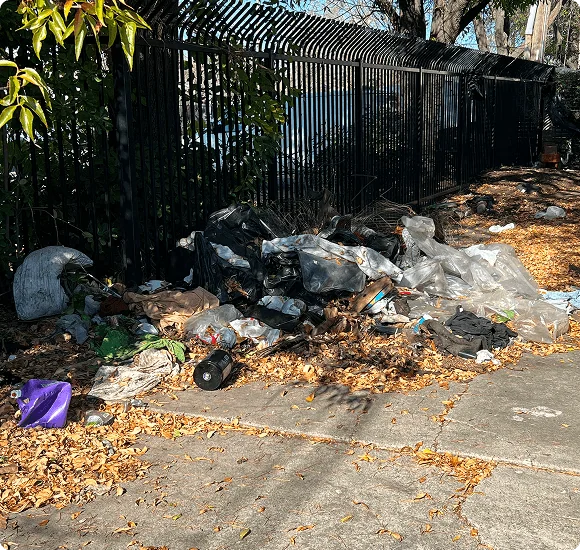
That is how e-waste recycling should work. A significant share of the world’s e-waste never reaches a facility like that. It is dumped illegally or exported to developing countries and processed in informal, unregulated conditions.
The Global E-Waste Trade
Despite international agreements meant to stop it, large volumes of e-waste from developed nations are shipped to countries in Asia and Africa under the label of “donations” or “reusable goods.” There, impoverished communities use primitive methods to get at the metal: burning the plastic off wires to reach the copper, and leaching gold from circuit boards in open-air acid pits.
Severe Health Consequences
Informal recycling does lasting damage to the people doing it.
- Toxic Fumes: burning plastics and electronics releases dioxins, furans and polycyclic aromatic hydrocarbons (PAHs), known carcinogens that cause severe respiratory and neurological harm.
- Heavy Metal Poisoning: workers, often including children, handle lead, mercury and cadmium with no protective gear. These neurotoxins cause irreversible developmental damage, kidney disease and other serious illness.
- Contaminated Water and Soil: the acids and chemicals used are dumped straight onto the ground, polluting soil, groundwater, drinking water and farmland for the whole community.
Environmental Devastation
The toxins from informal e-waste dumps poison ecosystems, kill wildlife and persist for decades. Choosing a certified, transparent recycler is an ethical choice as much as an environmental one: it keeps your old devices out of that cycle of harm.
Your Role in Responsible E-Waste Management
You are the gatekeeper. Your choice at the closet door decides whether an old device becomes a resource or a toxic burden.
Best Practices for Consumers and Businesses
- Reduce and Reuse: repair devices when you can. When you do upgrade, sell or donate the old, working one so it gets a second life.
- Choose Certified Recyclers: when a device is truly at the end of its life, use a certified e-waste recycler. Look for R2 (Responsible Recycling) or e-Stewards certification. Both are audited for environmental protection, worker safety and data security, and for not exporting hazardous waste to developing countries.
- Never Use the Trash Can: e-waste in the garbage or the recycling bin ends up in a landfill, where its hazardous materials can leach into soil and water for years. In California, putting electronics in the trash is illegal.
- Add a Few Items to a Junk Pickup: if a few old electronics are part of a bigger cleanout, a junk removal company can take them along and drop them at an e-waste recycler.
That last option is what we do. We take a few electronics alongside a regular pickup and drop them at an e-waste recycler, where the devices are de-manufactured and the valuable materials recovered as described above. We do not wipe hard drives or destroy data, and we do not provide e-waste documentation, so clear your devices before we arrive.
A homeowner with an old TV and a garage of other junk to clear: that is our job. A business replacing an office full of computers: go to an e-waste recycler directly. Either way, do not let the old electronics sit in a closet for another year or drift toward the wrong place. To add a few electronics to a regular junk pickup, contact us today.


