

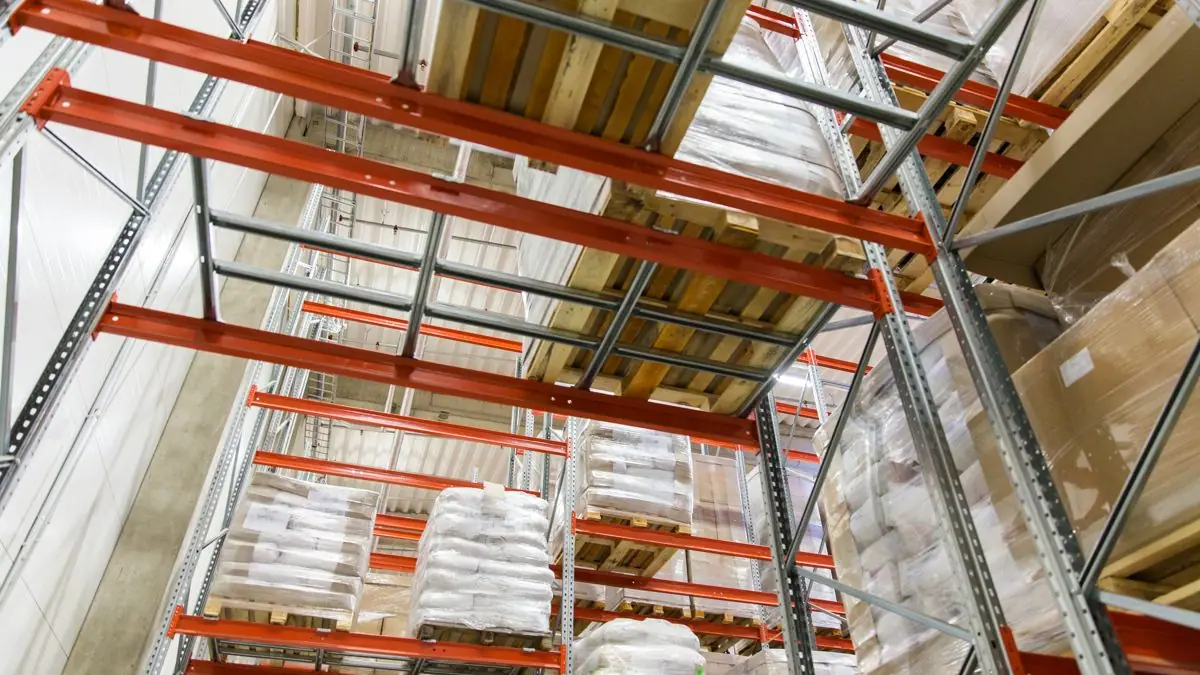
You signed the lease on a warehouse bay in West Sacramento on Friday. On Monday you walked it: three rows of broken pallets, a run of rusted shelving, a forklift that has not started since 2019, and loose debris in every corner. The previous tenant is gone. The question is the same whether you own the building or just inherited the mess: what is this warehouse cleanout going to cost?
In the Sacramento area, warehouse cleanout costs run from about $1,500 for a small unit to $20,000+ for a large industrial facility. That spread comes down to six factors, and most property managers do not think about them until they are holding a quote. Here is each one, with Sacramento benchmarks, so nothing on the invoice is a surprise.
The short version:
- Sacramento warehouse cleanouts typically run $1,500 to $20,000+ depending on size, materials and scope.
- Square footage and junk volume drive the price more than anything else. Most companies price by truckload or cubic yard.
- Hazardous materials (chemicals, oils, asbestos-containing materials) add real cost under California disposal rules.
- A loading dock and clear access make the job faster and cheaper than a cramped or multi-level space.
- You can lower the total by separating donatable items, scheduling off-peak and being flexible on timing.
- Get a free on-site estimate. Phone quotes for warehouse jobs are rarely accurate.
1. Square Footage and Junk Volume
The size of the job moves your warehouse cleanout cost more than any other factor. Not the size of the building: the amount of it that is full of things that have to leave.
Sacramento warehouse junk removal companies price one of three ways:
- Per truckload: a standard junk removal truck holds roughly 12 to 15 cubic yards. Expect $400 to $800 per truckload depending on weight and material.
- Per cubic yard: some companies charge $50 to $100 per cubic yard for commercial jobs, with discounts at volume.
- Project flat rate: for bigger cleanouts, we and many others quote a flat project price after an on-site walkthrough. This suits warehouses best because the number is fixed before work starts.
By warehouse size, the Sacramento-area range looks like this:
| Warehouse Size | Square Footage | Typical Cleanout Cost |
|---|---|---|
| Small | 2,000 to 5,000 sq ft | $1,500 to $3,500 |
| Mid-Size | 5,000 to 15,000 sq ft | $3,500 to $8,000 |
| Large | 15,000+ sq ft | $8,000 to $20,000+ |
A half-empty 10,000-square-foot warehouse can cost less than a packed 4,000-square-foot one. Density matters as much as floor area. The estimator looks at both the square footage and the actual cubic yards of material.
Before the estimate: walk the space and shoot photos or video from several angles. It lets the crew bring the right number of trucks and people, which keeps the day-of price from creeping.
2. Type of Materials Being Removed
What is filling the space changes labor time, disposal fees and whether anything needs special handling. All three land on your warehouse cleanout cost.
- Pallets and crating: light and easy to handle. Several Sacramento-area pallet recyclers accept them free or for a small fee, which can lower your total.
- Metal shelving and racking: pallet racks, steel shelving and wire decking are heavy but carry scrap metal value. A good hauler nets that salvage value against your quote.
- Office furniture and fixtures: desks, chairs, cubicle walls and filing cabinets from the office area. Much of it can be donated locally, which cuts disposal fees.
- Machinery and heavy equipment: conveyors, forklifts, compressors, industrial printers. These need extra crew and sometimes a flatbed or crane. Expect a premium.
- Hazardous materials: this is where the price spikes. Chemicals, solvents, oils, paint, pesticides, asbestos-containing insulation and fluorescent lighting ballasts all fall under California’s hazardous waste regulations. CalRecycle and the Department of Toxic Substances Control (DTSC) require licensed hazmat transporters and approved disposal facilities, which can add $500 to $3,000+ depending on volume and type.
Know this before you sign: under California law (Health & Safety Code §25100 et seq.), a business is responsible for proper disposal of hazardous waste on its property, even if someone else left it. If you take over a warehouse in McClellan Park or North Highlands and find old drums of chemicals, you can be on the hook for the cleanup unless you documented the condition at lease signing.
3. Access and Loading Dock Availability
This one catches people off guard: how easily the junk gets out of the building changes the price by a meaningful amount.
The ideal is a ground-level loading dock, wide roll-up doors and a clear run to the lot. Trucks back up to the dock, the crew loads straight in, and the job is done in the shortest possible time. Plenty of Sacramento warehouses are not built that way. What adds cost:
- No loading dock: everything goes out by hand or dolly through standard doors, which multiplies labor time.
- Upper floors or mezzanines: older multi-level buildings around North Highlands and parts of West Sacramento need more crew and sometimes rigging to bring heavy items down.
- Tight aisles: if the crew cannot move with standard equipment, they clear paths first, and that is billable time.
- Parking and truck access: narrow alleys, gated lots and shared parking can keep a full-size truck or roll-off dumpster away from the door.
- Carry distance: an extra 100 feet from the pile to the truck adds up over dozens of trips.
Easy access means a faster job, which means a lower bill. Anything you can clear ahead of time is worth the effort.
One 30-minute check: if you have a dock, make sure it works before the crew arrives. A broken leveler or a door that opens halfway erases the advantage, and that half hour can save you hundreds.
Planning a commercial warehouse clean out? We give free on-site estimates for warehouses across Sacramento, West Sacramento and North Highlands. Contact us to schedule one.
4. Timeline and Urgency
When does it need to be empty? The answer lands on your warehouse cleanout cost directly.
- Standard (1 to 2 weeks out): the sweet spot. Lead time lets the hauler plan crew, trucks and disposal, and you get the best rate.
- Expedited (2 to 5 business days): usually doable, with a 10 to 20% premium for priority scheduling.
- Same-day or next-day rush: lease deadline tomorrow, new tenant this weekend. It happens, and rush fees can add 25 to 50% for crew overtime, last-minute dispatch and compressed disposal runs.
Sacramento warehouse turnover is quick, especially in the McClellan Park business corridor, the West Sacramento industrial zone along Harbor Boulevard and the distribution hubs near Interstate 80 and Highway 99. Property managers there are often racing a lease start date.
The smarter play is to start quotes the day you know a tenant is leaving. A single extra week of notice can change the price noticeably. Two more ways to save:
- Off-peak scheduling (mid-week, mid-month) often means better availability and sometimes a lower rate.
- For multi-day jobs, non-consecutive days give the crew time to arrange disposal and recycling between loads.
5. Disposal vs. Donation Split
This is where you can actually bring the number down. Not everything in a warehouse has to be paid for by the ton at the dump.
- Landfill disposal: Sacramento County charges commercial tipping fees at its transfer stations. As of 2026, rates at facilities like the Sacramento County South Area Transfer Station run roughly $60 to $90 per ton for commercial waste, with surcharges for certain materials. Those fees pass through to you.
- Recycling: scrap metal (shelving, racking, machinery), cardboard and some plastics go to recyclers instead. Metal can generate revenue that offsets the total. CalRecycle’s AB 1383 regulations also require businesses to divert organics and recyclables from landfill, so recycling is increasingly required, not just cheaper.
- Donation: usable office furniture, shelving, equipment and supplies can go to Sacramento-area nonprofits. Items you set aside for donation go to a local charity when time and space allow.
- Resale or liquidation: working machinery, commercial kitchen equipment and quality racking can sometimes be sold through liquidators, which offsets more of the cost.
Before the crew arrives: mark three zones on the floor, trash, maybe donate, and keep. Even a rough sort saves on-site time and gets the donatable items to a charity instead of the scale.
When you compare warehouse junk removal quotes, ask each company where the load goes. The answer tells you how much of it you are paying landfill rates for.
“I hired TCJ to remove some junk. They were responsive, professional, accommodating and very competitively priced. In the future, I’ll just call these guys without getting other quotes.”
Sergei S., Yelp6. Post-Cleanout Condition Required
The factor owners forget: what condition does the space have to be in when the junk is gone? “Everything is out” and “ready for the next tenant tomorrow” are different jobs, and the difference shows up on the invoice.
- Junk removal only: all items, debris and materials out. Floors may still have dust, dirt or marks. The cheapest option, and the right one if a renovation or a separate cleaning crew comes next.
- Broom-clean: everything out, floors swept, loose dust and debris cleared. This is the standard expectation for most Sacramento commercial lease turnovers and adds $200 to $800 depending on size.
- Deep clean / move-in ready: pressure-washed floors, wiped walls, cleaned restrooms, stains and residue addressed. Often a separate cleaning crew, adding $1,000 to $5,000+ on larger facilities. Many owners book a commercial cleaner for this after the junk is out.
Read the lease before you book. “Broom-clean condition,” “original condition less normal wear” and “ready for occupancy” all mean different things, and each one changes the budget.
| Post-Cleanout Level | What’s Included | Additional Cost Estimate |
|---|---|---|
| Junk Removal Only | All items and debris removed | Included in base price |
| Broom-Clean | Removal + swept floors, basic tidying | +$200 to $800 |
| Deep Clean / Move-In Ready | Removal + pressure washing, full cleaning | +$1,000 to $5,000+ |
Many Sacramento commercial landlords now require photo documentation of the space at move-in and move-out. A professional cleanout gives you a third-party record of the work, which is useful in a deposit dispute.
How to Keep Your Warehouse Cleanout Cost Under Control
- Get on-site estimates, not phone quotes. Insist on a walkthrough. Phone numbers for warehouse jobs are guesses.
- Book with lead time. Two weeks of notice beats a last-minute scramble, every time.
- Ask where the load goes. A company that donates usable items and recycles scrap metal pays less in tipping fees, and so do you.
- Clear access first. Open the dock doors, move the vehicles, make a path.
- Bundle services. If you need junk removal and basic cleaning, one provider can often package both.
- Ask about scrap credits. If there is serious metal in the space, a good hauler factors it into the quote.
Ready to Get Your Warehouse Cleared Out?
A 3,000-square-foot unit in North Highlands or a 25,000-square-foot distribution center in West Sacramento: we walk it, quote a flat price, and the number is agreed before we lift a pallet. We are locally owned, licensed and insured, and usable items go to donation when we can.
Call or contact us online to schedule a free on-site estimate. Same-day service is available across Sacramento, West Sacramento, North Highlands, Elk Grove, Roseville and Folsom.
Frequently Asked Questions About Warehouse Cleanout Costs
How much does it cost to clean out a warehouse in Sacramento?
Typically $1,500 to $3,500 for a small warehouse (2,000 to 5,000 sq ft), $3,500 to $8,000 for a mid-size space (5,000 to 15,000 sq ft) and $8,000 to $20,000+ for a large facility (15,000+ sq ft). The exact number depends on junk volume, materials, access, timeline and the condition required afterward. A free on-site estimate is the only accurate way to get it.
How long does a warehouse cleanout take?
Most small to mid-size cleanouts finish in 1 to 3 days. Large facilities, or ones with hazardous materials, run 3 to 7 days or more. Rush timelines are possible at a premium. You get a time estimate with the price during the walkthrough.
Can you remove heavy machinery and industrial equipment?
Yes. Warehouse junk removal crews handle racking systems, conveyor equipment, industrial shelving and non-operational machinery. Anything that needs a crane may involve an additional contractor, which we cover during the estimate.
What happens to the items you remove from the warehouse?
Usable furniture and equipment go to a local charity when time and space allow. Scrap metal goes to a metal recycler. The rest goes to a transfer station or landfill.
Do I need to sort everything before the cleanout?
No. The crew handles loading, hauling and disposal. A rough sort ahead of time, obvious trash on one side and possible donations on the other, speeds things up and can lower the final price.
Do you handle hazardous materials found in warehouses?
No. We remove most common warehouse materials but not hazardous waste. Chemicals, solvents, oils and asbestos-containing materials must go through licensed hazmat transporters under California law. We point out anything hazardous during the walkthrough so you can line up a certified provider. A large lot of electronics should go directly to an e-waste recycler.
Take Care Junk is a locally owned junk removal company serving Sacramento, West Sacramento, Elk Grove, Folsom, Roseville, Rancho Cordova, Citrus Heights, Carmichael, North Highlands, Davis, Woodland, Vacaville, Natomas, Rocklin, Lincoln, Loomis and Fair Oaks.


