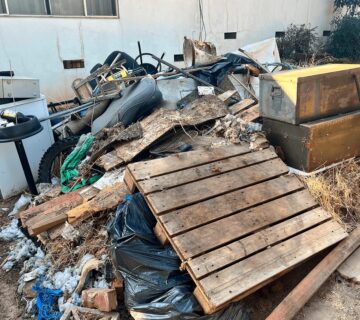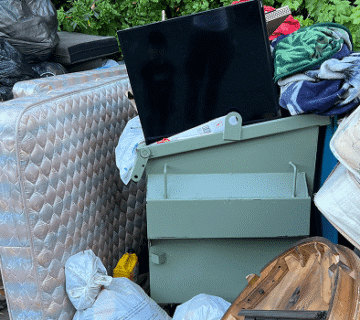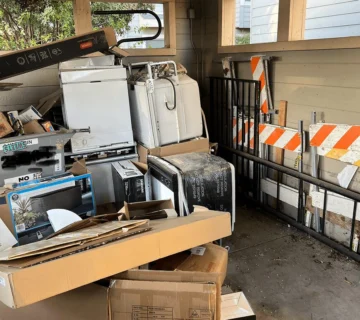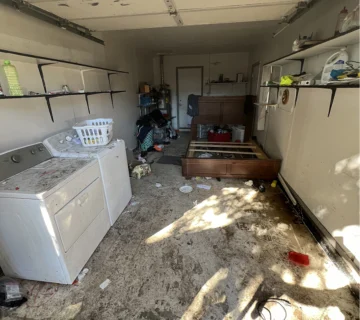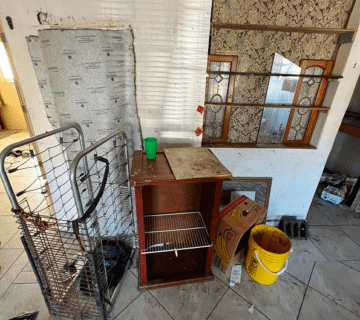
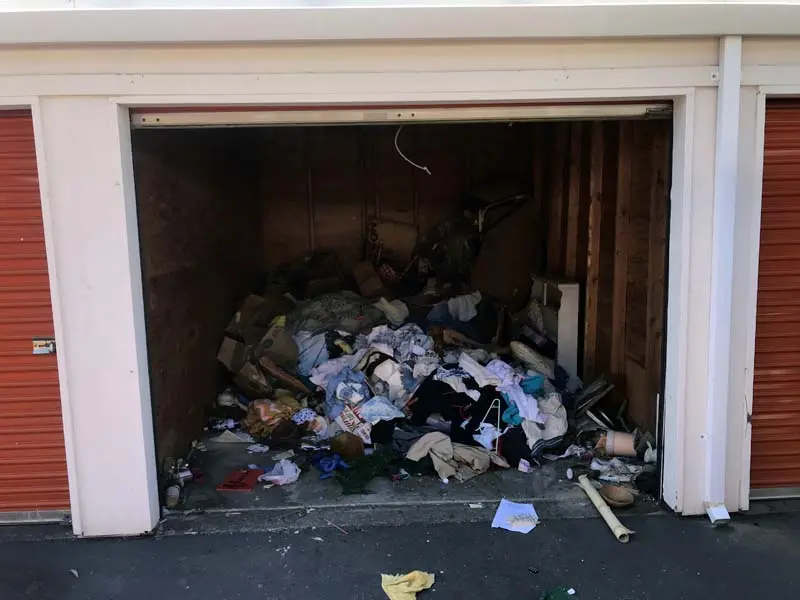
The garage. For many homeowners, it starts as a dedicated space for vehicles but quickly transforms into the designated drop zone for everything that doesn’t have a place inside the house. Old furniture, forgotten hobbies, broken appliances, and boxes of mystery items slowly accumulate, turning a functional space into a cluttered source of stress. Reclaiming your garage starts with a plan to clear out the items taking up valuable space. Many homeowners schedule a junk pickup once the sorting process begins so large items can be hauled away immediately.
Reclaiming your garage doesn’t have to be an overwhelming task. With a strategic approach, you can transform it from a chaotic mess into an organized, functional, and even enjoyable part of your home. This comprehensive guide provides practical tips specifically for Sacramento-area residents, covering everything from the initial decluttering purge to creating sustainable organization systems and properly disposing of unwanted items. We’ll walk you through how to tackle the clutter, what to do with the junk, and how to keep your garage clean for years to come.
Planning Your Sacramento Garage Cleanout
Before you dive in and start pulling things off shelves, a little bit of planning can make the entire process smoother and more efficient. A successful garage cleanout is a marathon, not a sprint. Setting yourself up for success from the beginning will prevent burnout and ensure you finish the job.
Set a Realistic Timeline
One of the biggest mistakes homeowners make is underestimating the time it takes to clean out a garage. Don’t plan to get it all done in a single afternoon. Look at your calendar and block out dedicated time. For most, a full weekend is a realistic goal. If your garage is particularly full, you might want to spread the project over two consecutive weekends.
- Break it Down: Divide the garage into manageable zones. For example, you could tackle one wall per day or focus on specific categories like “tools,” “sporting equipment,” and “holiday decorations.” This approach makes the project feel less daunting.
- Schedule Helper & Junk Removal: If you plan on enlisting help from family or friends, coordinate with them in advance. This is also the perfect time to schedule a professional service. Having a local junk hauling service lined up means you can get rid of the junk pile as soon as you create it, freeing up space and providing a sense of accomplishment.
Gather Your Supplies
Having all your supplies ready before you begin prevents interruptions and keeps you in the zone. You don’t want to stop your progress to make a run to the hardware store.
Here’s a checklist of essentials:
- Heavy-duty trash bags: For items that are clearly trash.
- Sturdy boxes or bins: For sorting items into categories.
- Labels and markers: To clearly mark your sorted boxes (e.g., “Keep,” “Donate,” “Sell,” “Relocate”).
- Gloves: Protect your hands from dirt, grime, and potential sharp objects.
- Dust mask: Garages can be incredibly dusty, especially if items have been sitting for years.
- Broom, dustpan, and shop vac: For cleaning surfaces as you clear them.
- Basic cleaning supplies: All-purpose cleaner, rags, and a bucket.
The Four-Box Method: Your Decluttering Strategy
The most effective way to declutter is to make quick, decisive choices. The four-box (or four-zone) method is a classic for a reason. Designate four distinct areas or sets of boxes in your driveway or on your lawn:
- Keep: Items you use, love, and have a clear purpose for. These will go back into the garage in an organized way.
- Donate/Sell: Items in good, usable condition that you no longer need.
- Trash/Junk: Broken, expired, or unusable items that need to be disposed of. This is for everything you can’t donate or sell.
- Relocate: Items that don’t belong in the garage and need to be moved to their proper place inside the house.
This system forces you to make a decision about every single item, which is the key to successfully reclaiming your space.
The Decluttering Process: A Step-by-Step Guide
With your plan in place and supplies at the ready, it’s time to begin the physical work. The goal is to touch every item once and decide its fate.
Step 1: Empty Everything Out
This might sound like the most intimidating step, but it is the most effective. If possible, pull everything out of your garage and onto your driveway. This gives you a blank slate to work with and allows you to see the true volume of what you own. It also makes it easier to clean the garage itself—sweeping floors, wiping down walls, and clearing out cobwebs.
If you live in a community like Folsom or Elk Grove with specific HOA rules, be mindful of how long you can leave items in your driveway. This is another reason scheduling your project and junk removal in advance is so important.
For those with limited space who can’t empty the entire garage at once, work in large, defined zones. Clear one entire wall or one quadrant of the garage completely before moving on to the next.
Step 2: Sort, Sort, Sort
As you pull items out, immediately place them into one of your four designated categories: Keep, Donate/Sell, Trash/Junk, or Relocate. Be ruthless during this stage. Ask yourself tough questions about each item:
- When was the last time I used this? If it’s been more than a year (or two for seasonal items), it’s a strong candidate for donation or disposal.
- Do I have more than one of these? You probably don’t need three hammers or four identical garden rakes. Keep the best one and get rid of the duplicates.
- Is it broken? If you’ve been meaning to fix it for months (or years), be honest with yourself. Will you actually get around to it? If not, it’s junk.
- Does this item align with my current lifestyle? Maybe you’re holding onto old sports equipment from a hobby you no longer pursue. It’s okay to let it go and make space for your current interests.
This sorting process can be tough, especially with sentimental items. If you’re struggling, create a “Decide Later” box. Place sentimental items in it, but set a firm deadline (e.g., one week) to make a final decision on them.
Step 3: Handling Hazardous Waste
Garages often become storage for hazardous materials that cannot be thrown in your regular trash bin. This includes old paint, pesticides, automotive fluids, batteries, and cleaning chemicals. In Sacramento County, these items must be disposed of properly to protect the environment.
- Sacramento County Household Hazardous Waste (HHW) Facilities: Residents can take these items to designated HHW drop-off facilities. Check the Sacramento County Waste Management and Recycling website for locations, hours, and accepted materials.
- Professional Help: Junk removal companies, Take Care Junk included, do not take liquid paint, chemicals, automotive fluids, or other hazardous waste. Fully dried-out latex paint is the exception. A professional removal team can remove bulky items like furniture, appliances, and storage shelves during large garage cleanouts. Most companies base junk removal pricing on the amount of space your items take up in the truck, making it easier to estimate your cleanout cost upfront. Take the hazardous items to an HHW facility before pickup day, and ask if you are unsure about anything.
Dealing with the Junk Pile: Your Disposal Options
Once you’ve sorted everything, you’ll likely have a substantial pile of items in your “Trash/Junk” category. Getting this pile off your property quickly is crucial for maintaining momentum.
DIY Disposal
You can haul the junk to the landfill yourself, but this option has its drawbacks. It requires a suitable vehicle (like a truck), multiple trips, time spent driving and waiting at the dump, and paying disposal fees. For residents in sprawling areas like Rancho Cordova, the nearest facility might be a considerable drive. This can eat up a significant portion of your project time.
Hiring a Professional Junk Removal Company
For most homeowners, this is the most efficient and stress-free option. Many homeowners schedule residential junk removal services when clearing out garages filled with old furniture, boxes, and household clutter. A professional junk removal company can save you time, effort, and even potential injury from lifting heavy items.
The Benefits of Professional Junk Removal:
- Efficiency: A team can clear out a massive pile of junk in a fraction of the time it would take you to do it alone.
- Convenience: They do all the heavy lifting. You just point to what needs to go, and they’ll load it onto their truck and haul it away. This is especially helpful for large items like old mattresses, broken furniture, or appliances — which is why many homeowners schedule furniture removal services during a garage cleanout.
- Proper Disposal: Reputable companies take each load to the right facility, donating what’s usable and recycling what they can. Items you set aside for donation go to a local charity when time and space allow.
- Safety: Removing junk, especially from a crowded garage, can be risky. Professionals are trained and insured to handle heavy and awkward items safely.
A local junk removal company will usually understand regional disposal regulations and have relationships with nearby donation centers and recycling facilities.
Organizing Your Reclaimed Garage
With the junk gone and the space clean, you can now focus on the rewarding part: creating an organization system that works for you. The key is to give every item a designated home.
Step 1: Zone Your Garage
Think about how you use your garage and group similar items together. This “zoning” approach makes it easy to find what you need and, more importantly, to put it away.
Common garage zones include:
- Tools and DIY: Workbenches, pegboards for hand tools, and cabinets for power tools.
- Gardening and Lawn Care: A designated corner for rakes, shovels, the lawnmower, and soil bags.
- Sporting Goods and Recreation: Wall-mounted racks for bikes, bins for balls, and shelves for helmets and gear.
- Automotive: Shelves for car care products, oil, and antifreeze.
- Seasonal and Holiday Storage: High-up shelves or a specific corner for decorations, camping gear, and other infrequently used items.
Think vertically! The walls and ceiling of your garage are valuable, underutilized real estate.
Step 2: Invest in the Right Storage Solutions
The right storage products will make or break your organization system. While it’s tempting to find the cheapest options, investing in durable, appropriate storage will pay off in the long run.
- Shelving Units: Freestanding metal or industrial-grade plastic shelves are perfect for heavy bins and boxes. Avoid flimsy shelves that can buckle under weight.
- Clear Plastic Bins: Use clear bins with secure lids for most of your storage. Being able to see the contents at a glance saves you from having to open a dozen boxes to find one item. For bins that aren’t clear, use large, easy-to-read labels.
- Wall and Ceiling Storage:
- Pegboards: A classic for a reason. Pegboards are fantastic for organizing hand tools, keeping them visible and accessible.
- Track Systems: Wall-mounted track systems with various hooks, shelves, and baskets offer incredible versatility for hanging everything from bikes and ladders to shovels and sports equipment.
- Overhead Racks: For long-term storage of bulky but lightweight items (like holiday decorations or coolers), ceiling-mounted racks are an excellent way to get things off the floor.
- Cabinets: Cabinets are great for hiding visual clutter and keeping items dust-free. They are also essential for safely storing chemicals and hazardous materials away from children and pets.
Step 3: Put Everything Back (Thoughtfully)
As you place your “Keep” items back into the newly organized garage, follow these principles:
- Accessibility is Key: Store your most frequently used items in the most accessible locations. Items you use daily or weekly should be at eye level and easy to grab.
- Heavy on the Bottom, Light on Top: Place heavy, bulky items on lower shelves or on the floor. Lighter, less-frequently used items can go on higher shelves.
- Leave Room to Grow: Don’t pack every shelf and bin to its maximum capacity. Leave a little bit of empty space. This gives your system flexibility as your needs change.
This is a great time to evaluate your needs. Perhaps your home in Davis has a smaller garage, requiring more creative vertical solutions. Or, if you’re in a larger home in Arden-Arcade, you might have space for a dedicated workshop area. Tailor the system to your specific home and lifestyle.
Property managers often rely on commercial junk removal services when garages or storage areas need to be cleared during tenant turnover.
Maintaining Your Organized Garage
A garage cleanout is a significant investment of time and energy. The final step is to create habits that prevent you from ending up back where you started.
The “One In, One Out” Rule
This is a simple but powerful rule. Whenever you bring a new item into the garage (like a new tool or piece of sports equipment), an old one must go. This prevents the slow accumulation of clutter.
The 15-Minute Tidy
Schedule a quick 15-minute garage tidy-up once a month. Use this time to put away any items that have been left out, break down cardboard boxes for recycling, and do a quick sweep of the floor. This small, consistent effort is far easier than dedicating another full weekend to a massive cleanout down the road.
Annual Purge
Make a garage purge an annual event, perhaps in the spring or fall. Go through your storage and get rid of anything you haven’t used in the past year. This is also a good time to check for expired chemicals or products. If you find you’ve accumulated another small pile of junk, scheduling a quick pickup can clear it out before clutter starts building again.
By following a structured plan, being decisive about what to keep, and implementing a smart organization system, you can conquer your garage clutter. The result is more than just a clean space—it’s a functional extension of your home that reduces stress and adds value to your property. So take a deep breath, schedule your cleanout, and get ready to enjoy your newly organized Sacramento garage. A good cleanup plan and consistent organization habits make it much easier to keep your garage functional long-term.