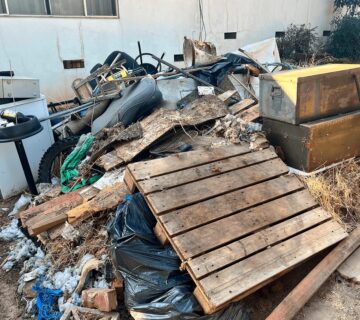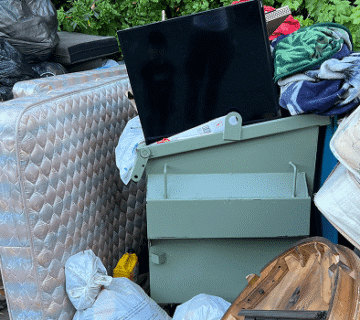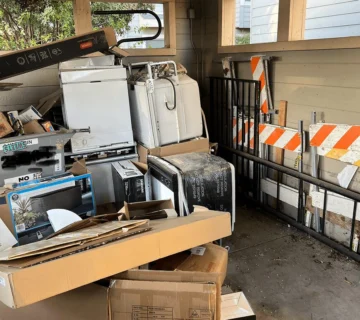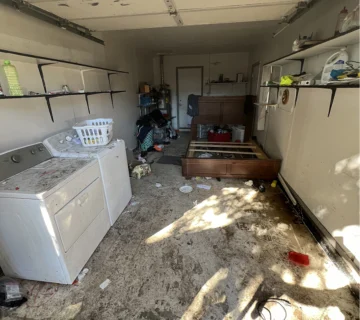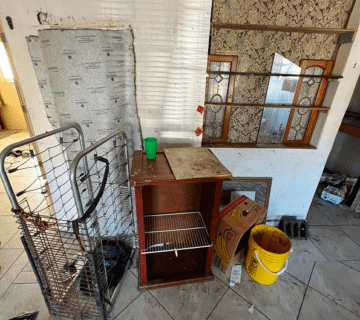
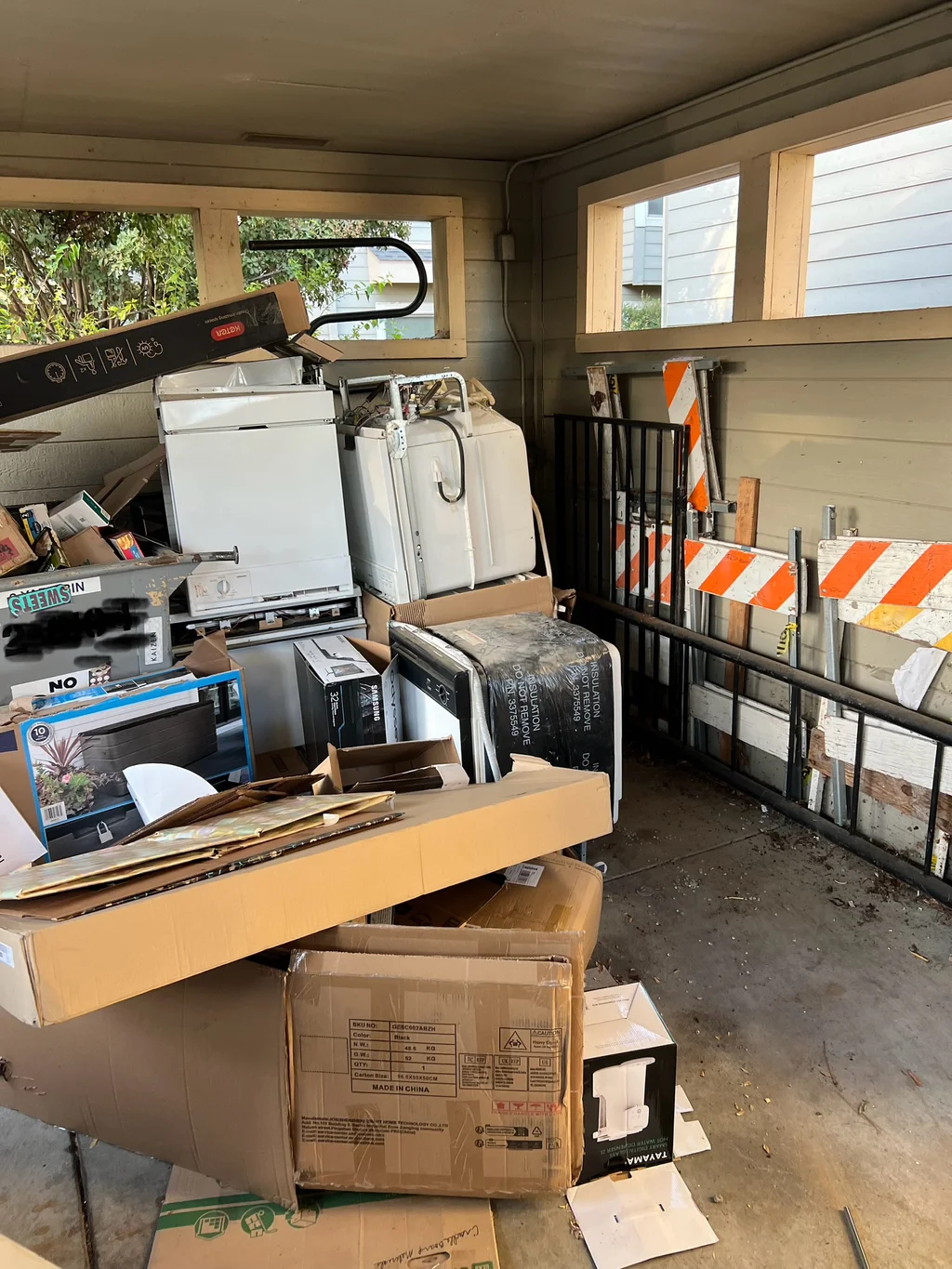
As a landlord in California, regaining possession of a rental unit is only half the battle. When a tenant leaves belongings behind, what you do next is critical. One wrong move, like tossing items you thought were trash or clearing a unit too quickly, can lead to expensive legal disputes, fines, and significant delays in getting your property back on the market.
California has specific, strict laws governing abandoned tenant property. Understanding these rules helps protect your investment and avoid unnecessary headaches. Many landlords coordinate the legal process with junk removal so the unit can be cleared quickly once the notice period expires. This is a practical look at the process, designed to help landlords and property managers navigate the legal requirements without stalling their turnover process.
When a Tenant Leaves Belongings Behind, One Wrong Move Can Cost You
The temptation to clear out a messy unit and move on is strong, especially when you’re losing rent every day. However, acting too quickly can put you in legal jeopardy. If you dispose of items a former tenant claims had value, you could be sued for the items’ worth and potentially face additional penalties. Moving fast without a clear plan can cost you far more than a few extra days of vacancy.
What California Law Considers “Abandoned Tenant Property”
The first step is understanding what the law recognizes as abandoned property versus what it considers simple trash.
The legal difference between trash and abandoned property
California law (Civil Code § 1980-1991) provides a framework for this. Generally, “abandoned property” is personal property that a reasonable person would believe has value. This could be furniture, electronics, clothing, or even documents. Trash, on the other hand, is anything a reasonable person would consider to be of no value, like food waste or broken, unsanitary items. The distinction is crucial, but it can be subjective, which is where landlords get into trouble.
Why landlord intent doesn’t override California law
You might believe with certainty that the tenant has no intention of coming back for their things. You might even be right. However, your belief or intent does not override the legal process you are required to follow. The law is designed to protect tenants’ rights, and courts will focus on whether you followed the legally mandated steps, not on what you thought the tenant wanted.
Common misconceptions that get landlords in trouble
A common mistake is thinking, “The lease is terminated, so anything left is mine to toss.” This is false. Another is believing that you can deduct the cost of removal from the security deposit without following the proper notice procedures. Both of these assumptions can lead to legal challenges.
Why Abandoned Tenant Property Is a Bigger Issue After Evictions
The problem of abandoned belongings is especially complicated following an eviction. The process is already contentious, and the legal timelines are strict.
Eviction timelines vs property handling rules
After an eviction, you are under immense pressure to re-rent the unit. However, the legal timeline for an eviction does not erase the separate legal requirements for handling abandoned property. These are two parallel processes, and you must respect both.
Why “they’re gone” doesn’t mean “you can toss it”
Even if a tenant is removed by the sheriff, the property they leave behind is still protected under California law. You cannot assume that because they were legally forced to leave, they have forfeited their right to their belongings.
How eviction cleanouts become legal landmines
An eviction cleanout is where these issues come to a head, which is why many landlords rely on professional rental property cleanout services to stay compliant while preparing the unit for turnover. A hauler who doesn’t understand the rules might clear everything out, mixing legally protected property with actual trash. This action, while well-intentioned, can expose the landlord to significant liability if the former tenant claims their valuable items were improperly disposed of. Working with an experienced junk removal company helps landlords avoid these mistakes while preparing units for turnover.
California Eviction Laws That Impact Abandoned Property Handling
Several California Civil Codes dictate how landlords must handle this situation. Failure to comply can be costly.
Civil Code requirements landlords must follow
The primary rules are found in California Civil Code sections 1983 through 1991. These sections outline the notice requirements, storage obligations, and disposal procedures for property left in a rental unit after a tenancy has ended.
Notice periods and storage obligations
You must provide a written “Notice of Right to Reclaim Abandoned Property” to the former tenant. This notice must describe the property, state where it can be claimed, and specify the deadline for doing so. The notice period is at least 15 days if served personally, or 18 days if mailed.
When landlords are allowed to dispose of items
You can only dispose of the items after the notice period has expired and the tenant has not claimed them. If the property’s total value is reasonably believed to be less than $700, the landlord can keep, sell, or dispose of it. If the value is $700 or more, it must be sold at a public auction.
What Landlords Are Legally Required to Do Before Removing Items
Before you or a cleanout crew can touch anything, you must follow a clear legal process.
Written notice requirements
The written notice is not optional. It must be sent to the tenant’s last known address, and if you have reason to believe they receive mail elsewhere (like a P.O. box or work address), you should send a copy there as well.
How long items must be stored
During the 15- or 18-day notice period, you must store the items in a safe place. You cannot leave them on the curb or in an unsecured area. You are also entitled to charge the tenant reasonable storage costs before releasing the property.
Where items can legally be stored
The items can be stored in the vacant rental unit, in another secure storage unit, or at a commercial storage facility. The key is that the location must be reasonably safe and secure to prevent damage or theft.
Items That Can Be Thrown Away Immediately vs Items That Can’t
Knowing the difference here can help you start the cleanup process safely.
Clear trash and health hazards
Property that is clearly garbage—like rotting food, used hygiene products, or anything that poses a health hazard—can generally be disposed of immediately. Documenting this with photos is always a smart move.
Personal belongings with potential value
This is the gray area. Large items like furniture and appliances often require professional furniture removal services once the legal notice period expires. Many landlords schedule same-day junk removal once the legal waiting period is complete so the turnover process can begin immediately. When in doubt, err on the side of caution and include the item in the legal notice.
Vehicles, appliances, and large items
Abandoned vehicles are a separate issue and are typically handled by contacting local law enforcement. Large appliances that are part of the rental (e.g., a stove or refrigerator that you provided) are your property. Appliances that belong to the tenant must be treated as abandoned property.
How Mishandling Abandoned Tenant Property Delays Turnover
Cutting corners to save time almost always has the opposite effect.
Legal disputes that stall re-renting
A lawsuit from a former tenant can freeze your ability to re-rent the unit. A court may order that the property not be altered until the dispute is resolved, leaving you with a vacant unit and mounting legal fees.
Storage delays that block repairs and cleaning
If you store the abandoned items inside the vacant unit, you cannot begin the necessary repairs, painting, or deep cleaning. The entire turnover process is on hold until the property is claimed or the notice period expires.
Why uncertainty keeps units offline longer
Landlords who are unsure of the law often wait, doing nothing for fear of making a mistake. This paralysis can keep a unit vacant for weeks longer than necessary. Understanding the process gives you a clear, actionable timeline.
Why DIY Handling of Abandoned Property Often Backfires
Trying to manage this process yourself can be risky, even for experienced landlords.
Documentation landlords forget to keep
A DIY effort often lacks proper documentation. Did you take photos of every item? Did you create a detailed inventory? Did you keep a copy of the notice you sent and proof of mailing? Without this paper trail, it’s your word against the tenant’s in court.
Unintentional violations of California law
It’s easy to make a mistake. You might miscalculate the notice period, send the notice to the wrong address, or incorrectly assess the value of the property. These small, unintentional errors can invalidate your entire process.
How “just clearing it out” creates liability
Hiring a friend with a truck or just hauling everything to the dump yourself is the single biggest mistake a landlord can make. It erases any evidence of what was there and leaves you completely exposed to claims from the former tenant.
How Professional Eviction Cleanout Services Help Protect Landlords
A professional junk removal company that understands landlord-tenant law can be a valuable partner in this process. Professional residential junk removal services can help remove furniture, appliances, and debris once items are legally cleared for disposal.
Clear separation of trash vs tenant property
An experienced crew can help you make a practical distinction between what is clearly trash and what should be set aside for the legal notice process. This happens under your direction, ensuring you remain in control.
Proper documentation and item handling
Professional services are accustomed to providing documentation. They can help facilitate the process by taking photos as directed and carefully moving items designated for storage to a secure location, separate from the junk being hauled away.
Reducing risk while speeding up cleanup
By having a professional team handle the immediate removal of obvious trash, you can begin the turnover process on a portion of the unit while you manage the legal storage requirements for the remaining items. This helps you move faster without taking on unnecessary risk.
What Property Managers Need to Balance: Speed vs Compliance
Property managers are caught between the owner’s demand for a fast turnover and the legal requirement for compliance.
Meeting owner expectations without legal exposure
Property managers can use their knowledge of the law to educate property owners on realistic timelines. Explaining the “why” behind the 18-day holding period can manage expectations and prevent the owner from pushing for risky shortcuts.
Coordinating cleanouts with legal timelines
The best approach is to schedule a cleanout service for the day after the legal notice period expires. This way, the unit is cleared and ready for turnover the moment it is legally permissible to do so.
Keeping units moving without cutting corners
A smart workflow involves identifying and separating items for storage, sending the legal notice, and simultaneously having a professional service remove all the undisputed trash. This parallel processing keeps the project moving forward.
Common Abandoned Property Scenarios Landlords Face
Every situation is different, but most fall into a few common categories.
Partial move-outs
This happens when a tenant moves most of their things but leaves behind several large items, like a mattress or an old couch. These items must still be handled through the formal notice process.
Evictions with fully furnished units
In some cases, an entire apartment’s worth of furniture is left behind. This presents a logistical challenge for storage and requires a careful inventory for the legal notice.
Tenants who disappear without notice
If a tenant simply vanishes, the process starts with legally establishing that the property has been abandoned. Once that is done, you must still follow the same procedures for any belongings left behind.
How to Document Abandoned Tenant Property the Right Way
Proper documentation is your best defense against future disputes.
Photos, inventories, and written records
Take photos of the unit as you found it. Create a written inventory of all items that are not being thrown away as trash. Keep copies of all notices sent to the tenant, along with proof of mailing (like a certificate of mailing from the post office).
Why documentation protects you later
If a former tenant claims you threw away a valuable item, your photos and inventory serve as objective proof of what was actually there. This evidence is invaluable in any legal proceeding.
What banks and courts expect to see
Courts and other official bodies operate on evidence. They want to see a clear, documented timeline showing that you followed the law to the letter. A professional, organized record demonstrates good faith.
When It Makes Sense to Bring in Professional Cleanout Services
While you can handle the legal notices yourself, a professional service is invaluable in certain situations. Property managers often rely on commercial junk removal services when clearing larger rental properties or multiple units.
High-volume units
For units with a large amount of debris, the labor involved in a DIY cleanout is simply not worth the time.
Tight eviction deadlines
When you need a unit turned over fast, a professional crew can execute the cleanout in a matter of hours, a task that might take you days.
Properties with legal sensitivity
In a contentious eviction, having a neutral third party handle the removal of items (under your direction) can help de-escalate tensions and provides an extra layer of professional documentation.
Abandoned Tenant Property vs Eviction Cleanouts: Where They Overlap
The two processes are linked but distinct. Here’s how to manage them together.
What can be removed immediately
Obvious trash and debris that no reasonable person would consider valuable.
What needs careful handling
Anything with potential resale or personal value—furniture, electronics, boxes of personal effects—must be set aside, inventoried, and included in the legal notice.
How professionals manage both at once
Under your clear direction, a professional crew can perform two functions in one visit. They can haul away all the designated trash while carefully moving the items for storage into a separate, secure area (like a garage or a single room), allowing you to begin work on the rest of the unit.
How Fast a Unit Can Become Rent-Ready After Legal Handling
Compliance doesn’t have to mean long delays if you plan correctly.
Same-day eviction cleanouts after clearance
Once the 15- or 18-day notice period is over, a professional service can clear the remaining items the very same day, allowing your other contractors to start immediately.
Typical timelines landlords can expect
A realistic timeline is about three weeks from the day you mail the notice. This accounts for the 18-day hold period and a day or two for the final cleanout. Trying to rush this is where the legal risk comes in.
What slows things down unnecessarily
The biggest delay is indecision. By not starting the notice process immediately, landlords can lose weeks. Start the clock on the notice period the day you regain possession of the unit.
Abandoned Tenant Property Handling Across California
It’s important to remember that these are statewide rules that apply to all California landlords.
Why California is stricter than most states
California has some of the most tenant-friendly laws in the country. The courts tend to side with tenants in cases of ambiguity, making strict compliance by landlords absolutely essential.
Local enforcement realities landlords overlook
While the law is statewide, enforcement can feel local. A dispute over abandoned property will be heard in a local small claims or superior court, and judges are very familiar with landlords who cut corners.
Abandoned Property and Eviction Cleanout Services in Sacramento
Working with a local company has its advantages. Hiring professional junk removal services ensures items are handled properly and removed quickly once the legal requirements are satisfied.
Working with local crews who understand CA law
A local company like Take Care Junk operates under these laws every day. We understand the practical side of helping landlords in the Sacramento area stay compliant while still moving quickly.
Avoiding fines, disputes, and delays
Our service is designed to help you avoid the common pitfalls that lead to fines and legal battles. We provide the labor and logistics to support your legal compliance, not undermine it.
A Smarter Way to Handle Abandoned Tenant Items Without Stalling Turnover
Managing abandoned property is a necessary part of being a landlord in California. By understanding the law and creating a smart workflow, you can protect yourself from liability while minimizing vacancy. Don’t let the fear of a lawsuit paralyze you. Follow the process, document everything, and use professional help to speed up the physical work once it’s legally safe to do so.
Got a unit that needs to be rent-ready fast? We handle eviction cleanouts the same day.