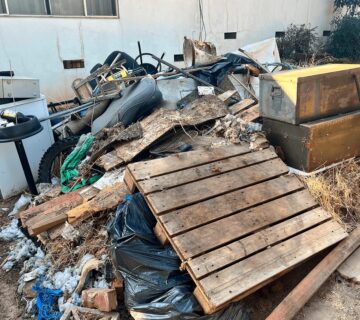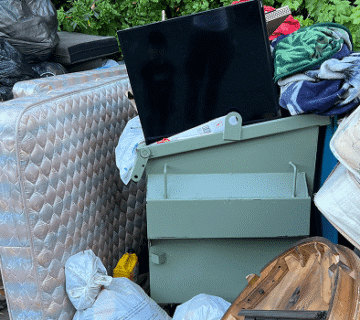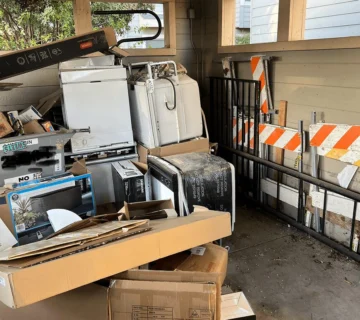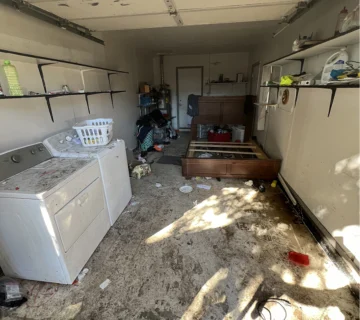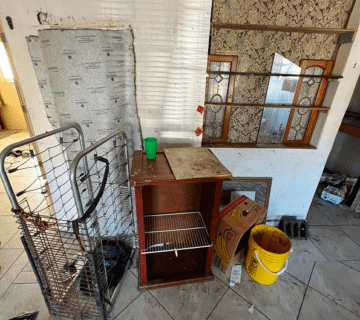
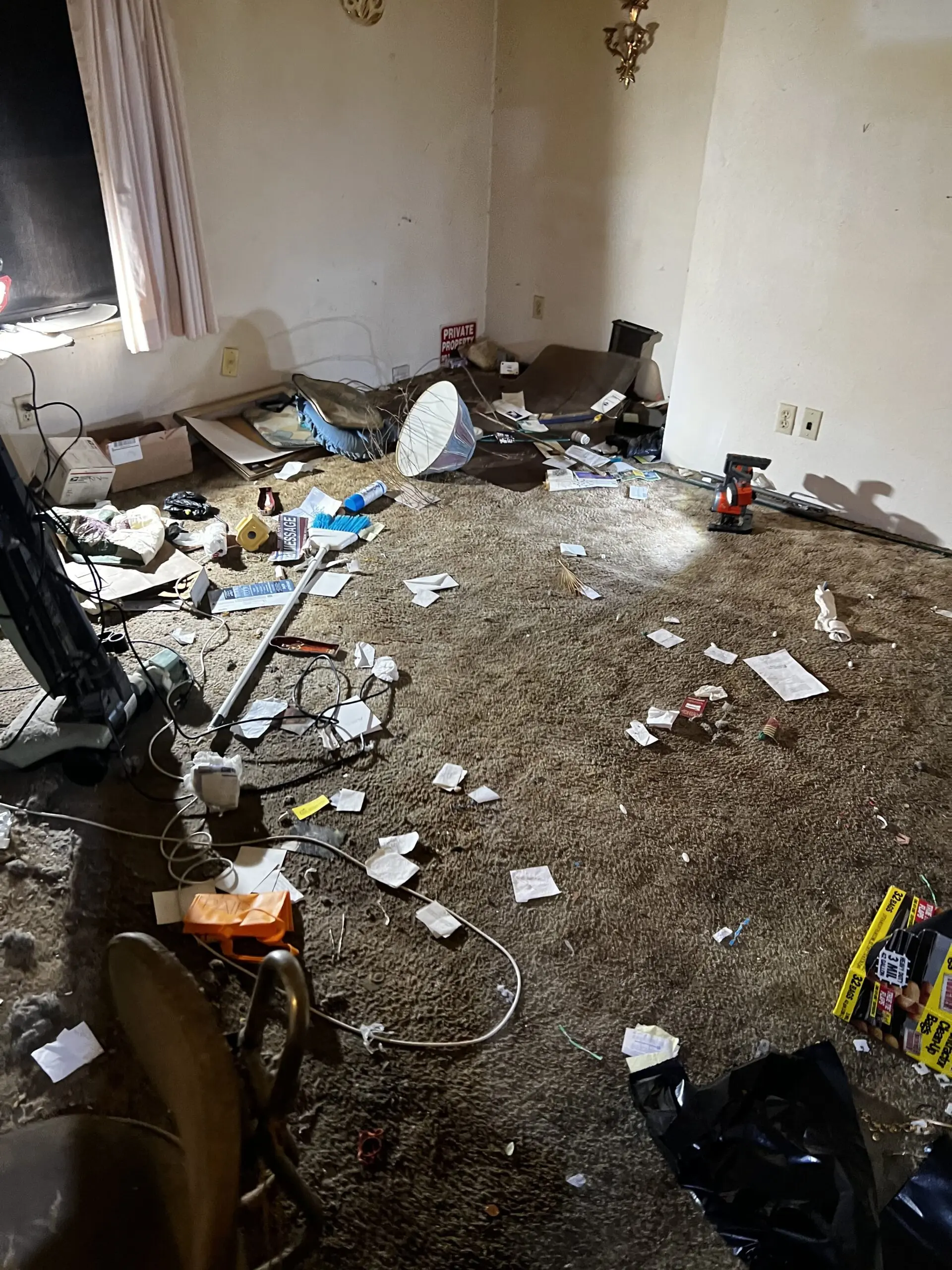
Someone you love is struggling. Maybe it’s a parent whose Sacramento home has slowly filled up over the years, or a neighbor who hasn’t opened their front door in months. You want to help, but you’re not sure how — and you’re worried about making things worse. You’re not alone, and there is a path forward.
A hoarder cleanout in Sacramento isn’t about throwing everything away while someone cries in the corner. Done right, it’s a careful, compassionate process that respects the person, protects their health, and helps them reclaim their living space one step at a time. In this guide, we’ll walk through 10 proven steps for a successful hoarding cleanup — from understanding the condition itself to building a maintenance plan that prevents relapse.
Whether you’re a family member, a caregiver, or the homeowner yourself, this guide is written with empathy first. Because stuff isn’t the real problem — and judgment never helps.
Key Takeaways
- Hoarding is a recognized mental health condition (DSM-5) — not laziness or a character flaw
- Never force a cleanout; involve the homeowner in every decision
- Start small: one room (or even one corner) at a time
- Biohazards like mold, animal waste, and expired food require professional handling
- Sacramento has excellent local resources including NAMI Sacramento and County Mental Health
- Professional hoarder cleanout Sacramento costs typically range from $1,000 to $25,000+ depending on severity
- A compassionate hoarding cleanup service makes the process safer, faster, and far less stressful
1. Understand That Hoarding Is a Mental Health Condition
Before picking up a single trash bag, the most important step is understanding what you’re actually dealing with. Hoarding disorder is a clinically recognized condition in the DSM-5 (Diagnostic and Statistical Manual of Mental Disorders). It’s characterized by persistent difficulty discarding possessions, regardless of their value, due to a perceived need to save them and distress associated with letting them go.
This is not about being “messy.” It’s not laziness. And it’s not something you can fix with a weekend blitz and a dumpster. Hoarding often co-occurs with anxiety, depression, PTSD, or grief — and it affects an estimated 2–6% of the U.S. population.
Key things to understand:
- The person often feels deep shame and isolation already
- Items carry emotional significance that outsiders can’t see
- Forced cleanouts without consent frequently lead to relapse within months
- Empathy and patience are not optional — they’re essential
💡 Did You Know? Hoarding disorder was officially recognized as its own diagnosis in 2013 when the DSM-5 was published. Before that, it was classified as a subtype of OCD, but researchers now understand it’s a distinct condition with its own treatment approaches.
Understanding this reality is what separates a compassionate hoarder house cleanup from one that causes harm. [INTERNAL LINK: /hoarding-cleanout/]
2. Get a Professional Assessment First
Before any cleaning begins, consult with professionals who understand hoarding disorder. This means both mental health support and a professional hoarding cleanup service that has experience with sensitive situations.
Sacramento-area mental health resources:
- Sacramento County Mental Health — Call (916) 875-1000 for assessments, referrals, and crisis support
- NAMI Sacramento (National Alliance on Mental Illness) — Support groups for families and individuals dealing with hoarding
- Adult Protective Services — If the hoarding situation involves an elderly or dependent adult at risk, APS can coordinate help
On the cleanup side, a professional assessment evaluates the hoarding severity level, which typically follows a 1–5 scale:
| Level | Description | Typical Cost Range |
| Level 1 | Light clutter, all doors and stairways accessible | $1,000–$3,000 |
| Level 2 | Noticeable odors, blocked exits, one room unusable | $3,000–$8,000 |
| Level 3+ | Structural concerns, biohazards, multiple rooms unusable | $8,000–$25,000+ |
A good hoarding cleanup service will visit the Sacramento home, assess the situation privately, and provide a detailed plan — never an ultimatum. At Take Care Junk, we’ve helped families across Sacramento, Elk Grove, Roseville, and Citrus Heights navigate these assessments with zero judgment. [INTERNAL LINK: /free-estimate/]
3. Create a Plan With the Homeowner — Never Force It
This step cannot be overstated: the homeowner must be involved in the plan. Forced cleanouts — even well-intentioned ones — almost always backfire. Research consistently shows that people whose belongings are removed without their consent experience significant psychological distress and are far more likely to re-accumulate.
How to build the plan together:
- Set realistic goals. Clearing one room in a weekend is reasonable. Clearing the entire house is not.
- Agree on decision-making rules. Who has final say on each item? (Hint: it should be the homeowner, with gentle guidance.)
- Establish a timeline. A Level 2 or 3 hoarding situation in Sacramento might take multiple sessions over weeks or months.
- Decide on helpers. Would the homeowner prefer family, a professional crew, or both? Some people feel more comfortable with strangers who won’t judge them.
- Plan for emotional breaks. This work is exhausting. Build in rest periods.
The goal is collaboration, not control. When someone feels respected and heard, they’re far more likely to participate willingly — and the results last.
🤝 Pro Tip: Frame the conversation around safety and health, not mess. Saying “I’m worried about you being able to get out if there’s a fire” lands very differently than “Your house is a disaster.” Sacramento Fire Department data shows that hoarding significantly increases fire risk and impedes emergency response.
[INTERNAL LINK: /estate-cleanout/]
4. Start With One Small Area — A Bathroom or Hallway Works Best
One of the biggest mistakes in a hoarder cleanout is trying to tackle everything at once. The result? Overwhelm, emotional shutdown, and often the project stalling completely.
Instead, start with a single small space that will provide an immediate sense of accomplishment. A bathroom or hallway is ideal because:
- They’re physically small, so progress is visible quickly
- They’re not typically where the most emotionally significant items are stored
- A cleared bathroom dramatically improves daily quality of life
- A cleared hallway restores a safe exit route (critical for fire safety)
Steps for that first small area:
- Remove obvious trash first (expired items, broken things)
- Work from the doorway inward
- Use the sorting system from Step 5
- Celebrate the win — take a “before and after” photo
That small cleared space becomes a proof of concept. The homeowner can see that progress is possible without everything being ripped away. This momentum is what carries the project forward.
Need help getting started with a hoarder cleanout in Sacramento? Take Care Junk offers free, no-pressure estimates and can work at whatever pace is comfortable. [INTERNAL LINK: /contact/]
5. Sort Everything Into Keep, Donate, Trash, and Recycle
The sorting process is where the real work happens — emotionally and physically. Having a clear, simple system prevents decision fatigue and keeps things moving.
Set up four clearly labeled zones or containers:
- 🟢 Keep — Items the homeowner genuinely uses, needs, or treasures (with limits agreed upon in advance)
- 🔵 Donate — Usable items in decent condition that can help someone else
- 🔴 Trash — Broken, expired, soiled, or genuinely unusable items
- 🟡 Recycle — Paper, cardboard, plastics, metals, and e-waste
Sorting tips for compassionate hoarding help:
- Let the homeowner handle “keep” decisions. Offer guidance, not directives.
- For items they’re stuck on, create a “maybe” box — revisit it in one week. Often, distance makes letting go easier.
- Point out duplicates gently. “I see you have fourteen can openers — which is your favorite?”
- Focus on categories, not rooms. Sort all clothing, then all papers, then all kitchenware.
In Sacramento, Take Care Junk donates usable items to local organizations like Goodwill Sacramento, the Sacramento SPCA thrift store, and Habitat for Humanity ReStore. We make sure items find new homes rather than landfills — we donate or recycle a good share of what we haul away. [INTERNAL LINK: /donation-pickup/]
💡 Did You Know? California’s AB 1383 law requires significant reductions in organic waste going to landfills. During a hoarder cleanout, old food, paper products, and yard waste should be separated for proper composting or organic recycling. Sacramento County enforces this, and professional hoarder junk removal services should be handling this correctly.
6. Handle Biohazards Properly — Old Food, Animal Waste, and Mold
Here’s where a hoarding disorder cleanup diverges sharply from regular junk removal. Many hoarding situations involve biohazardous materials that pose serious health risks and require specialized handling.
Common biohazards in Sacramento hoarder homes:
- Expired and rotting food — Can harbor bacteria, mold spores, and attract pests
- Animal waste — Accumulated pet urine and feces (sometimes from dozens of animals) release ammonia and pathogens
- Mold growth — Sacramento’s Central Valley humidity combined with blocked ventilation creates perfect conditions for mold, especially in kitchens and bathrooms
- Pest infestations — Rodent droppings, cockroach casings, and bed bugs are common
- Sharps or medical waste — Needles, old medications, or medical supplies
Why this matters: You should never attempt to clean biohazardous materials without proper PPE (personal protective equipment). At minimum, this means N95 respirators, nitrile gloves, eye protection, and disposable coveralls.
Professional hoarding cleanup services in Sacramento have the equipment, training, and disposal permits to handle these materials safely. Sacramento County Waste Management has specific protocols for biohazard disposal, and improper handling can result in fines or health code violations.
⚠️ Pro Tip: If you open a hoarder home and notice a strong ammonia smell, visible mold covering walls or ceilings, or evidence of large-scale pest infestation, do not enter without respiratory protection. Call a professional first. Your health matters too.
[INTERNAL LINK: /junk-removal-services/]
7. Address Structural Concerns — Floor Load, Blocked Exits, and Safety Hazards
Severe hoarding doesn’t just fill up space — it can compromise the structural integrity of a home. This is especially relevant in Sacramento’s older neighborhoods like Curtis Park, Land Park, Oak Park, and Midtown, where many homes were built in the early-to-mid 1900s and weren’t designed to support thousands of pounds of accumulated weight.
Structural and safety concerns to watch for:
- Floor sagging or bouncing — Excessive weight from stacked items can stress floor joists beyond their capacity
- Blocked exits — Every exterior door and window should be accessible. This is not optional — it’s a fire code requirement
- Blocked electrical panels — Items piled against electrical panels create fire hazards and prevent emergency shutoffs
- Water damage — Leaks hidden behind piles can cause extensive rot and mold
- Pest damage — Rodents chewing through wiring is a leading cause of house fires
If you notice sagging floors, cracks in walls, or doors that no longer close properly, get a structural assessment before continuing the cleanout. Removing weight unevenly from a compromised structure can actually cause further damage.
If there’s an immediate safety risk — blocked egress, gas leaks, or electrical hazards — contact Sacramento City Code Enforcement or the Sacramento Fire Department for guidance.
Feeling overwhelmed by the scope of a hoarder house cleanup? You don’t have to figure this out alone. Take Care Junk has the experience to identify safety concerns and coordinate with other professionals when needed. [INTERNAL LINK: /contact/]
8. Document and Photograph Everything for Insurance
Many families don’t realize that homeowner’s insurance may cover portions of a hoarder cleanout, particularly when there’s associated damage like mold, pest infestation, or structural issues. Proper documentation is essential.
What to document:
- Before photos of every room from multiple angles
- During photos showing the scope of work and any damage revealed as items are removed
- After photos of cleared spaces
- Inventory lists of any valuable items discovered (antiques, jewelry, collections, cash — it happens more often than you’d think)
- Receipts from professional services, dumpster rentals, and disposal fees
- Biohazard reports if professional remediation was required
Documentation tips:
- Use your phone’s timestamp feature — date-stamped photos are more credible
- Take video walkthroughs in addition to photos
- Keep a written log of work completed each day
- Save all communication with contractors and insurance adjusters
💡 Did You Know? Some Sacramento homeowners have discovered valuable items buried in hoarding situations — from vintage Sacramento Kings memorabilia to old CalTrans maps, coin collections, and even cash hidden in unusual places. Always sort carefully before assuming anything is trash.
Contact your insurance agent early in the process. Even if they don’t cover the cleanout itself, they may cover the remediation of damage the hoarding caused. [INTERNAL LINK: /residential-junk-removal/]
9. Deep Clean As Areas Are Cleared
As each section of the home is cleared of clutter, deep cleaning should follow immediately. This isn’t just about aesthetics — it’s about making the space feel genuinely new and livable again, which is critical for the homeowner’s emotional recovery.
Deep cleaning priorities:
- Sanitize all surfaces — Floors, walls, countertops, and shelving units
- Address odors — Hoarding homes often have deeply embedded smells. Enzymatic cleaners work well for biological odors. Ozone treatment may be needed for severe cases
- Clean or replace carpeting — Carpet in a hoarding situation is frequently unsalvageable. Sacramento has many affordable flooring companies that can install hard surfaces (which are easier to maintain)
- Check HVAC systems — Filters are likely clogged or contaminated. Have the ducts professionally cleaned
- Treat for pests — Even after the clutter is gone, pests may linger. Schedule a professional pest treatment
Why clean as you go (rather than waiting until the end)?
Cleaning room by room lets the homeowner experience the transformation in real time. Walking into a freshly cleaned bathroom after months or years of it being inaccessible can be genuinely emotional — in the best way. It reinforces that the effort is worth it.
For Sacramento-area homeowners, SMUD offers home energy assessments that can identify ventilation issues contributing to air quality problems — a common concern in post-hoarding homes.
[INTERNAL LINK: /appliance-removal/]
10. Create a Maintenance Plan to Prevent Relapse
The cleanout is complete. The house is clean. But without a relapse prevention plan, there’s a significant chance things will gradually return to how they were. Studies suggest that without ongoing support, relapse rates for hoarding disorder can be very high.
A strong maintenance plan includes:
- Ongoing mental health support — Regular therapy with a provider experienced in hoarding disorder. NAMI Sacramento offers support groups specifically for this. Sacramento County Mental Health at (916) 875-1000 can connect residents with affordable options
- The “one in, one out” rule — For every new item brought into the home, one item leaves
- Regular check-ins — Weekly or monthly visits from a family member, friend, or professional organizer to gently monitor
- Scheduled junk removal — Some families book a quarterly pickup with Take Care Junk to prevent accumulation from creeping back
- Reduced triggers — Identify what drives acquiring behavior (estate sales? online shopping? free items from Craigslist Sacramento?) and develop strategies to manage those triggers
- Emergency contact plan — A person the homeowner can call when they feel the urge to accumulate or are struggling to discard
🤝 Pro Tip: Consider connecting the homeowner with a professional organizer who specializes in hoarding. Sacramento has several, and they can provide regular in-home support sessions that a junk removal company can’t. The combination of professional organization support and periodic hoarder junk removal creates a powerful maintenance system.
[INTERNAL LINK: /recurring-junk-removal/]
You Don’t Have to Do This Alone
A hoarder cleanout in Sacramento is one of the most challenging — and most meaningful — projects a family can undertake. It requires patience, compassion, professional expertise, and a genuine commitment to the person at the center of it all.
At Take Care Junk, we’ve helped Sacramento families navigate these situations with the sensitivity they deserve. We show up without judgment, we work at the homeowner’s pace, and we make sure usable items are donated rather than trashed. We’re locally owned, fully licensed and insured, and we understand that this isn’t just about stuff — it’s about someone’s life and dignity.
Ready to take the first step? Call Take Care Junk today for a free, confidential, no-obligation estimate. We offer same-day service across Sacramento, Elk Grove, Roseville, Folsom, Citrus Heights, Rancho Cordova, and all surrounding areas. Let’s reclaim that home — together.
[INTERNAL LINK: /contact/] | [INTERNAL LINK: /hoarding-cleanout/]
Frequently Asked Questions About Hoarder Cleanouts in Sacramento
How much does a hoarder cleanout cost in Sacramento?
Costs vary widely based on severity. Level 1 situations (light to moderate clutter) typically run $1,000–$3,000. Level 2 (noticeable odors, blocked areas, one or more unusable rooms) averages $3,000–$8,000. Level 3 and above (biohazards, structural concerns, whole-home involvement) can range from $8,000 to $25,000 or more. Take Care Junk provides free estimates so you know the cost upfront with no surprises. [INTERNAL LINK: /pricing/]
How long does a hoarding cleanout take?
A smaller Level 1 cleanout might be completed in one to two days. More severe situations can take one to four weeks, especially when the homeowner is involved in sorting decisions (which we strongly recommend). We work at whatever pace is comfortable and can schedule multiple sessions over time.
Is hoarding a mental health condition?
Yes. Hoarding disorder is recognized in the DSM-5 as a distinct mental health condition. It’s not about being lazy or disorganized — it involves genuine distress about discarding items and difficulty organizing possessions. Professional mental health support is an important part of any successful cleanup plan.
Will you throw everything away?
Absolutely not. At Take Care Junk, we sort items into keep, donate, recycle, and trash categories — always with the homeowner’s input. We donate and recycle a good share of what we remove. We understand that many items have real sentimental or practical value, and we treat everything with respect.
Can I get a hoarder cleanout without the homeowner knowing?
We strongly advise against this. Cleanouts done without the homeowner’s knowledge or consent are psychologically harmful and almost always lead to rapid re-accumulation. The most successful outcomes happen when the homeowner is involved and feels in control of the process. If you’re unsure how to start the conversation, Sacramento County Mental Health at (916) 875-1000 can provide guidance.
What Sacramento resources are available for hoarding help?
Sacramento has several excellent resources: – Sacramento County Mental Health: (916) 875-1000 – NAMI Sacramento: Support groups for individuals and families – Adult Protective Services: For situations involving elderly or dependent adults at risk – Take Care Junk: Professional, compassionate hoarding cleanup service for the physical cleanout — [INTERNAL LINK: /hoarding-cleanout/]