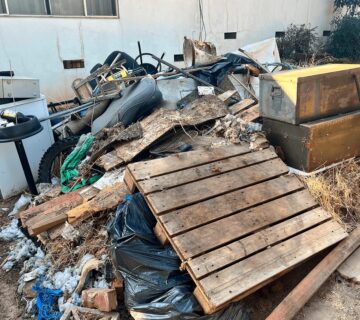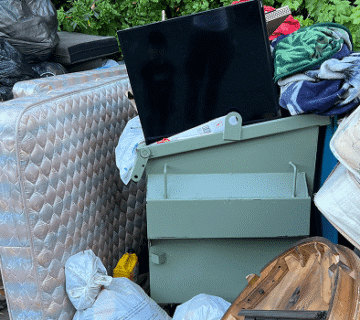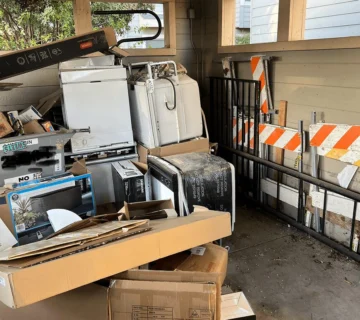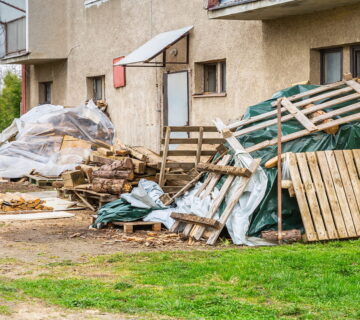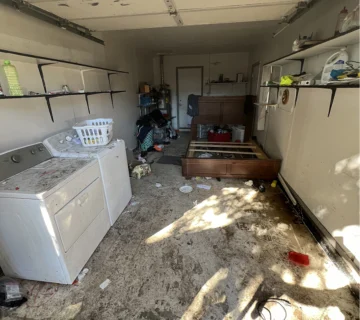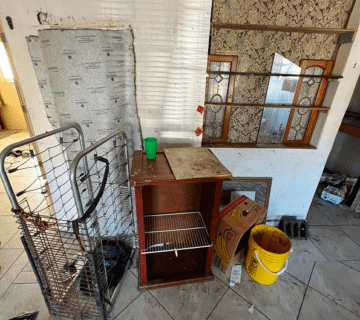
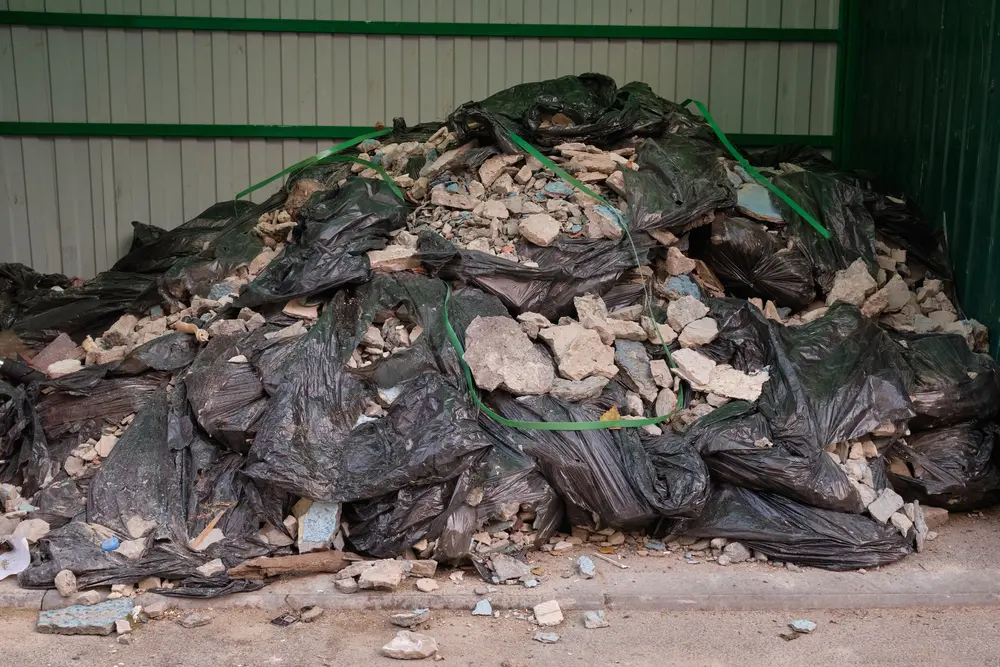
You tore out the old kitchen cabinets, ripped up the carpet, and smashed through that wall you’ve been eyeing for years — and now your driveway looks like a demolition zone. If you’ve ever tackled a home renovation in Sacramento, you know the work doesn’t end when the last tile comes off. Figuring out what to do with all that construction debris can feel like a second project entirely.
Here’s the thing most homeowners don’t realize: not all renovation waste is created equal. Some materials can be recycled, some need special handling, and dumping certain items the wrong way can actually land you a fine in California. That’s why we put together this guide — to walk you through the 9 most common types of construction waste and exactly how to dispose of each one here in the Sacramento area.
Whether you’re doing a full kitchen remodel in Natomas, replacing a roof in Elk Grove, or gutting a bathroom in Folsom, this breakdown covers weight considerations, recycling options, cost estimates, and the Sacramento-specific regulations you need to know.
🔑 Key Takeaways
- California’s CALGreen code mandates a 65% diversion rate for construction and demolition (C&D) debris — meaning most of your renovation waste must be recycled or reused.
- Many common materials (concrete, lumber, metals, drywall) have dedicated recycling streams in Sacramento County.
- Hauling C&D waste to Kiefer Landfill costs roughly $46–$55 per ton depending on material type, but recycling facilities often charge less.
- Hiring a professional construction debris removal service like Take Care Junk saves you time, keeps you compliant, and typically diverts a good share from the landfill.
- [INTERNAL LINK: /construction-debris-removal/] for the full rundown on how our service works.
1. Drywall and Sheetrock
Drywall is one of the most common materials you’ll deal with during any interior renovation, and it piles up fast. A single room remodel can easily generate 500 to 1,000 pounds of old drywall, and a full home gut can produce several tons.
Why it matters for disposal: Drywall contains gypsum, which produces hydrogen sulfide gas when it breaks down in landfills. That’s why California actively encourages drywall recycling, and Sacramento County has facilities that accept clean drywall for processing.
How to dispose of it: – Recycle it. Clean, unpainted drywall (or drywall with standard latex paint) can go to dedicated gypsum recyclers. The recycled material gets turned into new drywall, soil amendments, or cement additives. – Landfill as a backup. Kiefer Landfill accepts drywall, but at C&D rates — typically $46–$55 per ton. – What to watch for: Drywall from homes built before 1978 may contain asbestos in the joint compound. If your Sacramento home is older, get it tested before you start ripping walls apart.
⚠️ Did You Know? Under California’s AB 1383 regulations, organic waste diversion rules are tightening. While gypsum isn’t organic waste, the overall push toward diversion means recycling drywall helps contractors and homeowners meet CALGreen’s 65% C&D diversion mandate more easily.
Cost estimate: Recycling facilities typically charge $30–$45 per ton — less than landfill disposal. Professional removal of a room’s worth of drywall usually runs $150–$400 depending on volume.
2. Lumber and Wood Scraps
From framing studs to old baseboards, lumber and wood scraps are a staple of renovation debris. A typical kitchen or bathroom remodel generates anywhere from 300 to 800 pounds of wood waste, and structural work pushes that number much higher.
How to dispose of it: – Reuse first. Clean dimensional lumber (2x4s, 2x6s) in decent condition can be donated to organizations like Habitat for Humanity ReStore in Sacramento. Reclaimed wood is also popular with local makers and furniture builders. – Recycle it. Clean, untreated wood can be chipped into mulch or biomass fuel. Several Sacramento-area facilities accept clean wood waste. – Landfill disposal. Wood goes to Kiefer Landfill at standard C&D rates if it can’t be recycled. – What to watch for: Treated lumber (CCA-treated, painted, or stained) cannot be burned or composted and has limited recycling options. It typically needs to go to a landfill that accepts treated wood.
💡 Pro Tip: Separate your clean wood from your treated or painted wood before hauling day. Mixing them contaminates the entire load, which means the recycler will reject it and everything goes to the landfill. A little sorting on the front end saves money and keeps you on the right side of CALGreen’s diversion requirements.
Cost estimate: Clean wood recycling can cost as little as $20–$35 per ton. Mixed or treated wood disposal runs closer to $50+ per ton at the landfill.
3. Concrete, Brick, and Masonry
If you’re tearing out a patio, removing a brick fireplace, or jackhammering an old foundation in Carmichael, you already know: this stuff is heavy. Concrete debris typically weighs about 150 pounds per cubic foot, so even a small demolition project can produce a ton or more — literally.
How to dispose of it: – Recycle it. This is actually one of the easiest materials to recycle. Sacramento has several dedicated concrete and asphalt recyclers that crush old material into aggregate for road base and new construction. Look for facilities along the industrial corridors in West Sacramento and North Highlands. – Reuse on-site. Broken concrete (sometimes called “urbanite”) can be repurposed for retaining walls, garden borders, or pathfill on your own property. – Landfill. Kiefer Landfill accepts concrete and masonry, but the weight-based pricing makes this the most expensive option. At $46+ per ton, a single truckload of concrete can cost $200 or more to dump.
Weight considerations: Because of the extreme weight, most standard pickup trucks can only safely carry 1,000–1,500 pounds of concrete at a time. Overloading your vehicle is dangerous and can damage your suspension — not to mention the bridge weight limits on roads throughout Sacramento County.
Cost estimate: Concrete recyclers often charge just $10–$25 per ton, making recycling dramatically cheaper than landfill. Professional removal of a concrete slab or patio typically costs $300–$800+ depending on thickness, rebar content, and access. [INTERNAL LINK: /construction-debris-removal/]
4. Old Carpet and Padding
Ripping out old carpet is one of the most satisfying parts of a renovation — until you’re staring at a mountain of dusty, heavy rolls in your garage. A standard 12×15 room produces roughly 200–300 pounds of carpet and pad combined, and full-home carpet removal can easily exceed half a ton.
How to dispose of it: – Recycle when possible. California’s Carpet Stewardship Program (managed by CARE — Carpet America Recovery Effort) has expanded recycling infrastructure across the state. Some carpet types (nylon 6, nylon 6,6, PET) are recyclable into new carpet fiber, auto parts, and plastic lumber. – Drop-off. Check for carpet recycling drop-off locations through CARE’s online directory — there are options in the greater Sacramento region. – Landfill. Many carpets, especially older ones with heavy staining or mold, end up at the landfill. Standard C&D rates apply at Kiefer. – What to watch for: Carpet padding (especially older foam types) can contain moisture and mold that makes it a health hazard. Wear a respirator and gloves during removal.
💡 Pro Tip: Roll carpet tightly and cut it into 4-foot sections using a utility knife. This makes it dramatically easier to carry, load into a truck, and handle at the recycler or landfill. Loose, unrolled carpet is a nightmare to move.
Need help clearing out old carpet from your Sacramento-area renovation? Take Care Junk handles carpet and padding removal for homes across the region — from Roseville to Elk Grove. [INTERNAL LINK: /contact/] for a free estimate.
Cost estimate: Professional carpet removal and disposal typically runs $1–$2 per square foot, or roughly $150–$400 per room. Recycling fees are usually lower than landfill.
5. Roofing Materials (Asphalt Shingles, Tar Paper)
Sacramento’s hot summers are brutal on roofs, and re-roofing projects are one of the most common sources of heavy construction debris in the region. A single-layer tear-off on a typical 2,000-square-foot home produces roughly 2–4 tons of old shingles, underlayment, tar paper, and flashing.
How to dispose of it: – Recycle asphalt shingles. Old asphalt shingles can be ground up and used in road paving and new asphalt production. Sacramento has facilities that accept clean shingle loads. This recycling stream has grown significantly in California as part of the push to meet CALGreen C&D diversion goals. – Landfill. Mixed roofing loads (shingles combined with wood, metal flashing, and tar paper) usually end up at the landfill because the mixed materials can’t be processed by shingle recyclers. – What to watch for: Roofing materials from homes built before the 1980s may contain asbestos, particularly in older shingles, felt paper, and adhesives. Sacramento County requires asbestos testing and special handling — do NOT dump asbestos-containing roofing materials in regular C&D bins.
Weight considerations: Roofing debris is deceptively heavy. A single bundle of old three-tab shingles weighs about 60–80 pounds, and architectural shingles are even heavier. Most roofers use dedicated dump trailers — don’t try to haul this in a standard SUV.
Cost estimate: Shingle recycling typically costs $30–$50 per ton. Landfill disposal at Kiefer runs at standard C&D rates. Full roof tear-off debris removal by a professional service ranges from $300–$600+ depending on roof size and layers. [INTERNAL LINK: /services/]
6. Tile and Countertop Materials
Bathroom and kitchen remodels in Sacramento almost always involve ripping out old ceramic tile, porcelain, natural stone, or laminate countertops. The debris might not look like much, but tile with its mortar bed underneath is surprisingly heavy — a typical bathroom floor tear-out can generate 400–800 pounds of material.
How to dispose of it: – Recycle. Clean ceramic and porcelain tile can be crushed and used as aggregate, similar to concrete. Some Sacramento-area C&D recyclers accept tile mixed in with concrete and masonry loads. – Reuse. Intact vintage tile or natural stone (marble, granite slabs) can be sold or donated. Check local Sacramento resale marketplaces — reclaimed granite countertops are in high demand. – Landfill. Mixed tile, thin-set mortar, and grout go to Kiefer at standard C&D rates. – What to watch for: Granite countertops are extremely heavy (roughly 13 pounds per square foot for a standard 3cm slab). A single kitchen countertop can weigh 300–500 pounds — you’ll need help and proper lifting technique to move it safely.
⚠️ Did You Know? Some older tile installations (pre-1980s) used mastic adhesives that may contain asbestos. Black mastic under old vinyl floor tiles is a particularly common culprit in older Sacramento homes — especially in neighborhoods like Land Park, Curtis Park, and East Sacramento where many homes date to the 1940s–1960s. Always test before you scrape.
Cost estimate: Tile and countertop removal runs roughly $3–$8 per square foot professionally, including disposal. DIY disposal costs are mostly driven by dump fees and how many trips you need.
7. Plumbing Fixtures
Toilets, sinks, bathtubs, and old water heaters are standard casualties of bathroom and kitchen renovations. The good news? Many plumbing fixtures have solid recycling and donation potential — especially metal items.
How to dispose of it: – Donate. Working toilets, sinks, and faucets in good condition can go to Habitat for Humanity ReStore locations in Sacramento. This is the most eco-friendly option and may be tax-deductible. – Scrap metal recycling. Cast iron bathtubs, copper pipes, brass fittings, and steel fixtures have real scrap value. Sacramento has several scrap metal yards (along Florin Road and in the industrial areas of North Sacramento) that will pay you by weight. – Landfill. Porcelain fixtures like toilets and pedestal sinks can go to Kiefer if they’re broken or not reusable. – Special handling: Old water heaters need to be drained before transport. Gas water heaters should have the gas line properly disconnected — don’t just yank it out.
Weight considerations: | Fixture | Approximate Weight | |—|—| | Standard toilet | 60–120 lbs | | Cast iron bathtub | 250–500 lbs | | Porcelain pedestal sink | 50–100 lbs | | Water heater (40 gal) | 120–150 lbs (empty) | | Steel kitchen sink | 25–60 lbs |
Cost estimate: Professional removal of a full bathroom’s worth of fixtures (toilet, tub, vanity, sink) typically runs $200–$450. If you’re doing it yourself, dump fees are minimal since most of this is recyclable or donatable.
Remodeling a bathroom in Rancho Cordova or Citrus Heights? Take Care Junk can haul away all your old fixtures in one trip — and we’ll make sure usable items get donated, not trashed. [INTERNAL LINK: /contact/]
8. Windows and Glass
Replacing old single-pane windows with energy-efficient models is a popular upgrade for Sacramento homeowners looking to cut down on summer cooling costs — and SMUD even offers rebates for qualifying window upgrades. But old windows create a tricky disposal challenge because they combine glass, wood or vinyl frames, metal hardware, and sometimes lead paint.
How to dispose of it: – Donate. Intact windows in working condition can be donated to Habitat for Humanity ReStore or listed on local marketplace groups. Older wood-framed windows are especially sought after for historic restoration projects. – Recycle components. Separate the parts: aluminum frames go to scrap metal recyclers, clean glass can sometimes be recycled (though flat glass recycling is limited), and vinyl frames are generally landfill. – Landfill. Mixed window waste goes to Kiefer at C&D rates. Wrap or box broken glass before transport for safety. – What to watch for: Windows from pre-1978 Sacramento homes almost certainly have lead paint on the frames and sills. California’s RRP Rule (Renovation, Repair, and Painting Rule) requires certified contractors to follow lead-safe work practices. Even if you’re DIY-ing, contain lead paint chips and dispose of them properly — don’t sweep them into the yard.
💡 Pro Tip: When removing old windows, lay down a drop cloth on both sides (inside and outside) to catch broken glass and paint chips. This makes cleanup dramatically faster and prevents lead-contaminated debris from getting into your landscaping — which is especially important if you have kids or pets.
Cost estimate: Window replacement projects usually include removal and disposal in the contractor’s bid. Standalone old window removal runs $15–$40 per window for professional hauling.
9. Cabinets and Vanities
Kitchen cabinet replacements are one of Sacramento’s most popular renovation projects, and for good reason — they completely transform a space. But those old cabinets take up a lot of room. A standard kitchen’s worth of base and wall cabinets can fill an entire truck bed, and they’re bulkier than they are heavy (usually 400–800 pounds total for a full kitchen).
How to dispose of it: – Donate. This is the #1 option for cabinets in decent shape. Habitat for Humanity ReStore in Sacramento actively accepts used cabinets and vanities — and demand is high. Solid wood cabinets are especially valuable. – Sell. List intact cabinet sets on Facebook Marketplace, Craigslist, or Nextdoor. Sacramento’s active DIY renovation community means there’s usually a buyer. – Recycle. Wood cabinets can go to wood waste recyclers. Particleboard and MDF have limited recycling options but are accepted at C&D facilities. – Landfill. Damaged or particle board cabinets that can’t be reused go to Kiefer.
Removal tips: – Remove doors and drawers first — they’re much easier to carry separately – Label everything if the cabinets are being donated (future installers will thank you) – Check for hidden plumbing, gas lines, or electrical behind cabinets before you start prying them off the wall – Disconnect the garbage disposal and dishwasher before pulling the sink cabinet
Cost estimate: Professional cabinet removal and haul-away for a full kitchen typically costs $300–$600. Bathroom vanity removal is usually $75–$200 per unit. [INTERNAL LINK: /furniture-removal/]
Understanding CALGreen and Sacramento C&D Requirements
If you’re doing permitted renovation work in Sacramento, you need to know about CALGreen — California’s green building code. The rules are straightforward but non-negotiable:
- 65% of all C&D debris must be diverted from the landfill through recycling, reuse, or salvage.
- For permitted projects, the City of Sacramento may require you to submit a Waste Management Plan before work begins, documenting how you’ll meet the diversion target.
- You’ll need receipts from recyclers and landfills showing where materials went and in what quantities.
- Non-compliance can result in fines and delays in getting your final inspection signed off.
This is one of the biggest reasons Sacramento homeowners hire professional construction debris removal services — companies like Take Care Junk handle the sorting, hauling, and documentation so you can focus on the renovation itself.
[INTERNAL LINK: /about/] to learn more about our eco-friendly approach to junk removal.
The Bottom Line: Don’t Let Debris Derail Your Renovation
Home renovations are exciting — dealing with the waste shouldn’t be the part that overwhelms you. By understanding what you’re working with and knowing the disposal options available here in Sacramento, you can save money, stay compliant with California’s C&D diversion requirements, and keep usable materials out of the landfill.
Here’s a quick reference for all nine materials:
| Material | Avg. Weight (Per Room/Project) | Best Disposal Method | Est. Cost |
| Drywall | 500–1,000 lbs | Gypsum recycler | $30–$45/ton |
| Lumber | 300–800 lbs | Reuse/donate, then recycle | $20–$35/ton |
| Concrete/Masonry | 1,000+ lbs | Concrete recycler | $10–$25/ton |
| Carpet & Padding | 200–300 lbs/room | CARE recycling program | $1–$2/sq ft (pro) |
| Roofing Materials | 2–4 tons | Shingle recycler | $30–$50/ton |
| Tile & Countertops | 400–800 lbs | C&D recycler (as aggregate) | $3–$8/sq ft (pro) |
| Plumbing Fixtures | Varies (see table above) | Donate or scrap metal | $200–$450 (full bath) |
| Windows & Glass | Varies | Donate, separate & recycle | $15–$40/window |
| Cabinets & Vanities | 400–800 lbs (kitchen) | Donate to ReStore | $300–$600 (kitchen) |
Ready to clear out what the remodel left behind? Call Take Care Junk today for a free, no-obligation estimate. We offer same-day construction debris removal across Sacramento, Elk Grove, Folsom, Roseville, Rancho Cordova, and surrounding communities. We sort, recycle, and donate — so you meet California’s diversion requirements without lifting another finger.
👉 [INTERNAL LINK: /contact/] — Get your free estimate today.
Frequently Asked Questions
How much does construction debris removal cost in Sacramento?
Most professional construction debris removal in Sacramento costs between $200 and $800+ depending on the volume, weight, and type of materials. Heavy items like concrete and roofing cost more due to weight-based pricing at disposal facilities. Take Care Junk offers free on-site estimates so you know the exact cost before we load a single item. [INTERNAL LINK: /pricing/]
Can I put renovation debris in my regular trash or green waste bin?
No. Sacramento County curbside bins are for household waste only. Construction and demolition debris must go to a licensed C&D facility like Kiefer Landfill or an approved recycler. Putting construction waste in your residential bins can result in your pickup being refused or fines from the waste hauler.
What is California’s CALGreen C&D diversion requirement?
California’s CALGreen building code requires that at least 65% of construction and demolition waste be diverted from landfills through recycling, reuse, or salvage. This applies to most permitted renovation and construction projects. If you’re pulling permits in Sacramento, you may need to submit a Waste Management Plan and provide receipts showing compliance.
How do I know if my renovation debris contains asbestos or lead?
Homes built before 1978 may contain lead paint, and homes built before the mid-1980s may have asbestos in materials like floor tile mastic, drywall joint compound, roofing felt, and pipe insulation. The safest approach is to hire a certified testing professional before demolition. Sacramento County has several accredited asbestos and lead testing labs. Never sand, scrape, or demolish suspect materials without testing first.
Does Take Care Junk handle construction waste?
Yes! We handle drywall, lumber, concrete, carpet, roofing materials, fixtures, cabinets, tile, and more. We sort materials on-site and divert everything we can through recycling and donation — typically achieving a a good share diversion rate. The only exceptions are hazardous materials like asbestos, which require specialized abatement contractors. [INTERNAL LINK: /construction-debris-removal/]
Is it cheaper to haul construction debris myself or hire a junk removal service?
It depends on the project. DIY hauling saves on labor costs but comes with dump fees, fuel, multiple trips, potential vehicle damage from heavy loads, and the time it takes to sort materials for recycling. For most mid-to-large renovation projects, hiring a professional service like Take Care Junk is comparable in cost once you factor in your time and the hassle — and we handle all the compliance documentation for CALGreen diversion requirements.