


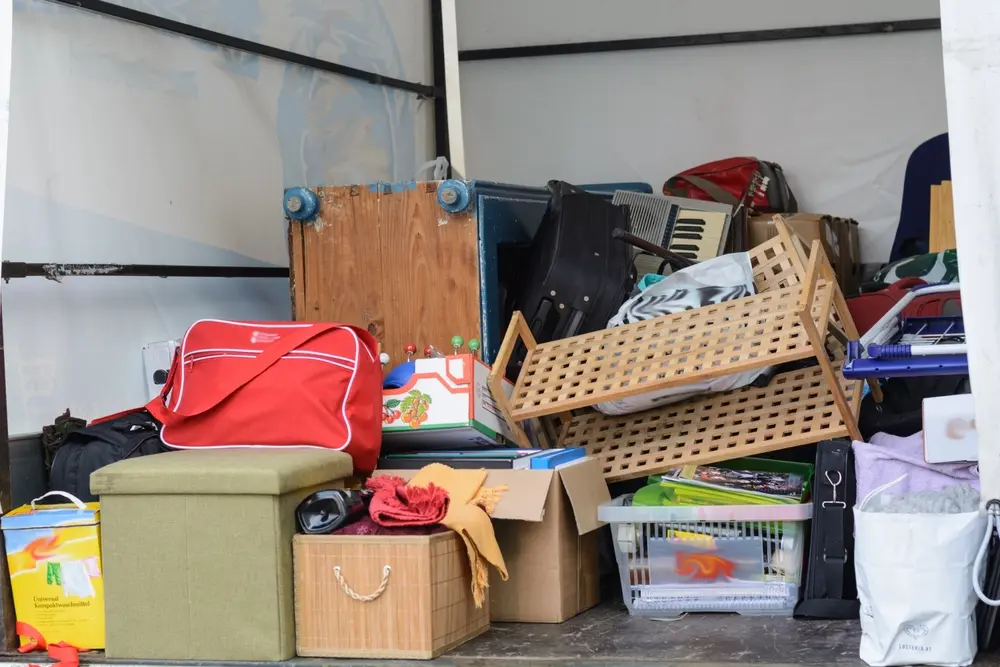
Key Takeaways – Sacramento landlords can legally deduct from your deposit for damage beyond normal wear and tear — but California law (Civil Code §1950.5) limits what counts – The biggest deposit hits come from left-behind junk and furniture (often $300–$1,000+), carpet damage, and pet-related issues – California’s AB 2801 security deposit reforms give tenants stronger protections — know your rights before your landlord walkthrough – Most deductions are completely avoidable with a weekend of targeted cleaning, minor repairs, and a pre-move cleanout – Use this article as your tenant move out checklist to protect every dollar of your deposit
You’ve signed the lease on your new place in Folsom. The moving truck is booked. Boxes are stacking up in the living room. And then it hits you — what’s my landlord going to charge me for when I hand back the keys?
If you’re planning a move out cleaning in Sacramento, you’re already ahead of the game. But cleaning alone won’t save your deposit if you don’t know what landlords actually look for during that final walkthrough. Sacramento’s rental market is competitive, and property managers in neighborhoods from Midtown to Natomas have gotten savvy about documenting every scuff, stain, and leftover item.
In this guide, we’ll break down the 12 most common things Sacramento landlords deduct from security deposits, what each one typically costs, and — most importantly — how to avoid every single charge. Whether you’re leaving a downtown apartment near the Capitol or a rental house in Elk Grove, this tenant move out checklist will help you get your full deposit back.
California renters, take note: We’ll also cover how AB 2801 and California Civil Code §1950.5 protect your rights when it comes to security deposit deductions in 2026.
1. Holes in Walls Beyond Normal Wear and Tear
Typical Deduction: $25–$150 per hole (or more for large patches)
A couple of small nail holes from hanging pictures? In California, that’s generally considered normal wear and tear, and your landlord can’t charge you for it. But that’s where most tenants get tripped up — there’s a big difference between a small nail hole and the anchor bolts you drilled in to mount your 65-inch TV above the fireplace.
Sacramento landlords commonly charge for: – Large anchor holes from mounted TVs, shelving units, or heavy mirrors – Multiple clustered holes from rearranging wall art repeatedly – Holes with surrounding wall damage — cracked drywall, chipped paint, or torn texture – Unauthorized modifications like removed shelving brackets or cut-in cable holes
How to Avoid It: Pick up a lightweight spackle kit from Home Depot on Arden Way or the Lowe’s in Rancho Cordova — they run about $5–$10. Fill holes with spackle, let it dry, sand smooth, and touch up with matching paint. For textured walls (common in Sacramento rentals built in the ’80s and ’90s), use a textured spray patch first.
Pro Tip: Take close-up photos of every wall after your repairs and before you hand back the keys. Under California Civil Code §1950.5, your landlord must provide an itemized statement of deductions within 21 days — your photos are your best defense if a charge seems unfair.
2. Stained or Damaged Carpet
Typical Deduction: $200–$800+ (partial or full replacement)
This is one of the most disputed security deposit deductions in Sacramento — and one of the most expensive. Landlords can charge for stains, burns, tears, or heavy matting that goes beyond normal wear, but they cannot charge you for the full cost of replacing carpet that was already years old.
Under California law, carpet has a useful life of approximately 8–10 years. If the carpet was already 7 years old when you moved in and you lived there for 3 years, your landlord can only charge you for a prorated share of replacement — not the full bill.
Common carpet charges include: – Large or dark stains (wine, coffee, pet accidents) – Burn marks from dropped cigarettes or space heaters – Rips or tears from moving heavy furniture – Heavy wear paths in high-traffic areas (though this can be argued as normal wear)
How to Avoid It: Rent a carpet cleaner from a Sacramento grocery store (Raley’s and Safeway locations usually stock Rug Doctor units for about $30–$40/day) or hire a local carpet cleaning company. A professional cleaning typically runs $100–$250 for a full apartment — far less than a carpet replacement deduction.
Did You Know? Under California’s AB 2801 (effective 2024), landlords now have stricter documentation requirements for deposit deductions. They must include receipts or invoices for any repair or cleaning charges — not just estimates. This means vague “$500 carpet cleaning” deductions without backup are easier to challenge.
3. Broken Blinds or Window Coverings
Typical Deduction: $30–$100 per blind
Blinds are deceptively expensive to replace, and they’re one of the first things a landlord checks during a walkthrough. Bent slats, broken tilt wands, cracked valances, and missing pull cords add up fast — especially in a 3-bedroom rental with 8–10 windows.
How to Avoid It: Replacement blinds are surprisingly affordable at stores like the Home Depot in Natomas or the Walmart on Florin Road. Standard 2-inch faux wood blinds run $8–$20 per window and can be cut to size in-store. If only a few slats are damaged, you can often buy individual replacement slats online for a few dollars.
- Wipe down all blinds with a damp cloth (dust buildup reads as neglect)
- Straighten bent slats carefully by hand
- Replace any missing or broken pull cords — kits are under $5
4. Dirty Oven and Stovetop
Typical Deduction: $50–$175
Sacramento property managers consistently rank a dirty oven as one of the top reasons for move out cleaning deductions. That baked-on grease from two years of cooking isn’t going to clean itself, and landlords know most tenants skip this one.
How to Avoid It: The night before your walkthrough, spray the inside of the oven with a heavy-duty cleaner (Easy-Off works well), close the door, and let it sit overnight. The next morning, wipe everything out. Don’t forget:
- Under the burner grates on gas stoves
- The drip pans beneath electric coil burners (or just buy new ones — they’re $3–$5 each)
- The range hood and filter — a greasy range hood signals a dirty kitchen
- Behind and beside the stove — pull it out and clean the sides and floor
Pro Tip: If your oven has a self-cleaning cycle, run it 3–4 days before your final clean. It gets extremely hot and can create smoke — you don’t want to deal with that on move-out day. Open your windows and turn on the kitchen fan.
Need help with your end of lease cleaning in Sacramento? A professional deep clean is one option, but if you’re dealing with leftover furniture and junk on top of cleaning, Take Care Junk can handle the heavy stuff so you can focus on the scrubbing. [INTERNAL LINK: /contact/] for a free estimate.
5. Mold or Mildew in the Bathroom
Typical Deduction: $75–$300+
Sacramento’s hot summers and mild winters create the perfect environment for bathroom mold, especially in older apartments in Midtown, Land Park, and Curtis Park that may have older ventilation systems. While some mold in a bathroom can be argued as a maintenance issue (your landlord’s responsibility), heavy buildup from tenant neglect is fair game for a deduction.
Landlords look for mold and mildew in: – Shower and tub grout lines – Caulking around the tub, shower, and toilet base – On and behind the toilet – Ceiling above the shower (especially in bathrooms without a window) – Under the bathroom sink
How to Avoid It: A bathroom mold treatment is one of the highest-impact items on any tenant move out checklist. Use a bleach-based spray on grout and caulk, let it sit 15–20 minutes, then scrub with a stiff brush. For caulking that’s deeply stained black, it may be faster to remove and re-caulk — a tube of silicone caulk is about $6, and it takes 30 minutes.
- Run the bathroom fan during and after every shower (this prevents future issues in your new place, too)
- Don’t forget to clean the bathroom fan vent cover — pop it off and wash it in the sink
6. Broken Fixtures or Hardware
Typical Deduction: $25–$200 per item
Cabinet knobs ripped off. Towel bars pulled out of the wall. Toilet seat cracked. Door handles loose or missing. Closet doors off the track. These small fixes are easy to overlook, but they add up on a landlord’s deduction list.
How to Avoid It: Do a full walkthrough of your unit with a screwdriver and a notepad. Tighten every loose handle, re-hang any towel bars, and slide closet doors back on track. Most of these are 10-minute fixes that could save you $50–$100 each.
Common Sacramento rental fixtures to check: – Cabinet hardware in kitchen and bathrooms – Toilet seat (replacements are $15–$25 at any hardware store) – Towel bars and toilet paper holders — these pull out of drywall easily; use wall anchors when reattaching – Sliding closet doors — the rollers pop out of the track frequently – Door stops — those little spring-loaded ones mounted on the baseboard break constantly
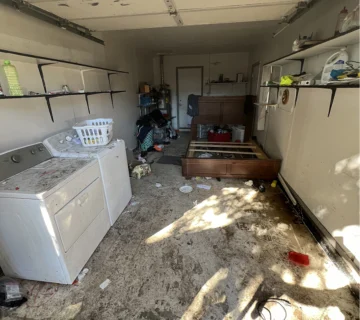
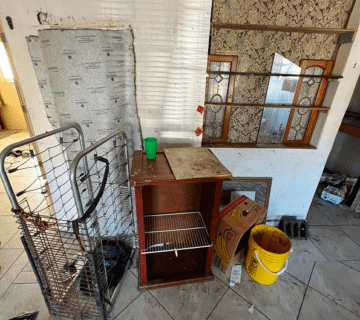
7. Left-Behind Furniture or Junk (The Most Expensive One!)
Typical Deduction: $300–$1,000+ (sometimes much more)
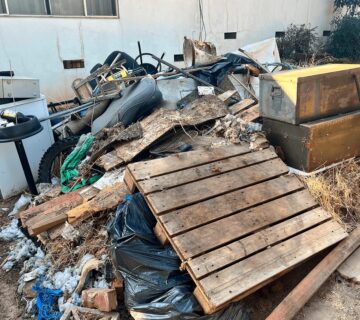
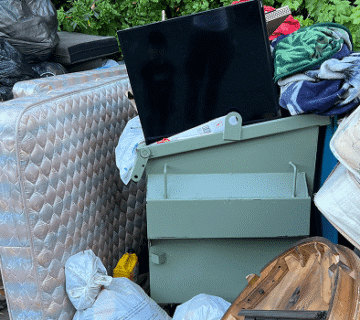
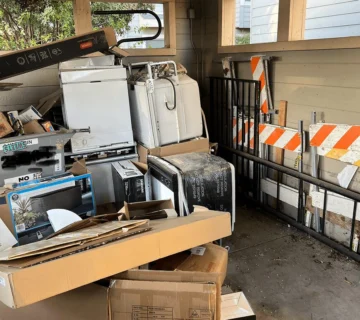
Here’s where Sacramento tenants lose the most money — and it’s completely avoidable. When you leave behind that old couch, the broken bed frame, boxes of stuff you didn’t feel like packing, or the random junk in the storage closet, your landlord has to pay someone to haul it all away. And they’re passing that cost straight to your deposit.
Sacramento landlords report that left-behind items are the single most common and most expensive deduction they make. A property management company will typically hire a junk removal service and mark up the cost, meaning you’ll pay a premium for something you could have handled yourself — or hired directly for less.
Items tenants most commonly leave behind: – Old mattresses and bed frames (mattress disposal is particularly costly) – Worn-out couches and recliners – Broken appliances (microwaves, mini fridges, space heaters) – Boxes of miscellaneous items in closets, garages, and storage areas – Exercise equipment (that treadmill you swore you’d use)
How to Avoid It: This is where apartment move out junk removal pays for itself. Schedule a pickup with [INTERNAL LINK: /residential-junk-removal/] a few days before your move-out date. Take Care Junk handles furniture removal, appliance pickup, e-waste, and everything else — typically for less than what your landlord would deduct from your deposit.
Did You Know? In Sacramento County, you can’t just drag a mattress or old couch to the curb. Sacramento’s bulky item pickup program through the city allows a limited number of free pickups per year (currently 2 per household), but you’ll need to schedule it in advance, and there are size and quantity limits. If you’re on a tight timeline, same-day junk removal from Take Care Junk is the fastest option. [INTERNAL LINK: /furniture-removal/]
8. Dirty Windows (Inside and Out)
Typical Deduction: $50–$200
This one surprises a lot of tenants. Yes, your landlord can deduct for dirty windows — particularly if they’re visibly grimy, have hard water stains, or the window tracks are caked with dust and debris. Sacramento’s dry, dusty summers (hello, Valley air quality) mean window tracks fill up fast.
How to Avoid It: You don’t need a professional window cleaning service. A spray bottle of vinegar and water plus newspaper or microfiber cloths will handle the glass. The real key is the window tracks — use a vacuum with a crevice attachment to clear out the debris, then wipe with a damp cloth.
Don’t forget: – Window screens — rinse them with a hose in the yard or bathtub – Sliding door tracks — these get especially dirty in Sacramento’s dry climate – Window sills — wipe down for dust and dead bugs
Dealing with more than just cleaning? If your garage or spare room is full of stuff you need gone before the walkthrough, [INTERNAL LINK: /contact/] — Take Care Junk offers same-day apartment move out junk removal across Sacramento, Elk Grove, Roseville, and beyond.
9. Yard Not Maintained (For Houses and Duplexes)
Typical Deduction: $100–$500+
If your Sacramento rental includes a yard — common in neighborhoods like Pocket, South Land Park, Arden-Arcade, and much of Elk Grove — your lease almost certainly requires you to maintain it. That means mowing, trimming, weeding, and keeping things generally tidy.
Sacramento’s climate makes yard maintenance tricky: scorching summers mean brown lawns are often normal (especially during drought years and water restrictions), but that’s different from a yard full of dead plants, overgrown weeds, and debris.
How to Avoid It: – Mow and edge the lawn within the final week before move-out – Pull visible weeds from flower beds and along fence lines – Trim back overgrown bushes that may be blocking windows or walkways – Remove any yard waste, debris, or personal items from the yard – Rake or blow leaves — Sacramento’s trees (especially those iconic valley oaks) drop a lot
For yard waste disposal, Sacramento County offers green waste bin service through the regular trash collection. But if you’ve got a major cleanup — fallen branches, old patio furniture, a broken shed — that’s a job for [INTERNAL LINK: /yard-waste-removal/].
10. Garage Left Full of Stuff
Typical Deduction: $200–$800+
The garage is the dumping ground of every Sacramento rental. Over two or three years, it fills up with old boxes, holiday decorations you never unpacked, broken tools, paint cans, and that random collection of stuff you always meant to sort through.
When you move out, the garage has to be completely empty and swept clean (unless your landlord specifically included items with the rental). Many tenants underestimate how long a garage cleanout takes — and how expensive the deduction is if they don’t do it.
How to Avoid It: Start your garage cleanout at least a week before move-out. Sort everything into three piles: take, donate, and junk.
- Take: Pack and load into the moving truck
- Donate: Sacramento has great options — [INTERNAL LINK: /blog/where-to-donate-items-sacramento/] including Goodwill, WEAVE Thrift Store, and Habitat for Humanity ReStore in North Sacramento
- Junk: Schedule a pickup with Take Care Junk for everything else — we handle the heavy lifting, loading, and responsible disposal. A good share of what we collect gets donated or recycled rather than going to landfill. [INTERNAL LINK: /garage-cleanout/]
Pro Tip: Don’t forget about hazardous materials in the garage. Old paint, motor oil, pesticides, and batteries can’t go in the regular trash in California. Sacramento County’s Household Hazardous Waste facility on 28th Street accepts these items for free — check their hours before you go.
11. Pet Damage (Stains, Scratches, Odor)
Typical Deduction: $100–$1,000+
If you had a pet in your Sacramento rental, this is probably your biggest vulnerability. Pet damage goes well beyond the pet deposit or monthly pet rent you’ve already paid — landlords can charge for actual damage on top of those fees.
The most common (and costly) pet-related deductions include: – Urine stains and odor in carpet — sometimes requiring carpet and pad replacement, plus subfloor sealing – Scratches on doors, trim, and hardwood floors — especially around entry points where dogs scratch to go out – Damage to blinds from cats perching in windows – Chewed baseboards or door frames – Yard damage — dead grass patches, holes from digging, damaged fencing
How to Avoid It: A pet-focused deep clean is essential as part of your move out cleaning in Sacramento. Use an enzymatic cleaner (not just regular carpet cleaner) on any area where your pet had accidents — these break down the proteins that cause lasting odor. Rent a UV blacklight to find stains you can’t see.
- Sand and repaint any scratched door frames or trim
- Replace damaged blinds (much cheaper than the deduction)
- Fill holes in the yard, reseed bare patches, and water daily for a week before move-out
12. Missing Light Bulbs and Smoke Detector Batteries
Typical Deduction: $10–$25 per item (but they add up!)
This is the most ridiculous charge on the list — and the most easily avoided. Yet landlords deduct for missing or burnt-out light bulbs and dead smoke detector batteries all the time. In a 3-bedroom rental with 15–20 light fixtures, that $10/bulb deduction turns into $150+ real quick.
How to Avoid It: On your last day, walk through every room and: – Replace every burnt-out bulb — buy a multipack of standard LED bulbs from Dollar Tree or Walmart. Under $10 for the whole rental. – Test every smoke detector and carbon monoxide detector — press the test button. If it doesn’t beep, replace the battery (usually a 9-volt). – Replace any missing or broken switch plates and outlet covers — they’re about $0.50 each at any hardware store.
Did You Know? California law requires working smoke detectors in every bedroom and on every floor. If your smoke detectors aren’t working at move-out, your landlord will replace them — and charge you for it. A $2 battery is a lot cheaper than a $50+ deduction for a new detector installation.
Your Complete Sacramento Tenant Move Out Checklist
Before you hand over the keys, use this quick-reference checklist:
| Task | Est. Cost to DIY | Potential Deduction If Skipped |
| Patch and paint wall holes | $5–$15 | $25–$150+ |
| Deep clean carpet / hire cleaner | $30–$250 | $200–$800+ |
| Replace broken blinds | $8–$20/each | $30–$100/each |
| Deep clean oven and stovetop | $5–$15 | $50–$175 |
| Treat bathroom mold/mildew | $6–$15 | $75–$300+ |
| Fix loose fixtures/hardware | $0–$25 | $25–$200/each |
| Remove all left-behind items | $150–$400 (junk removal) | $300–$1,000+ |
| Clean windows and tracks | $5–$10 | $50–$200 |
| Maintain and clean yard | $10–$30 | $100–$500+ |
| Clean out garage completely | $150–$400 (junk removal) | $200–$800+ |
| Address pet damage | $20–$100 | $100–$1,000+ |
| Replace bulbs and batteries | $5–$15 | $10–$25/each |
The bottom line? Spending $200–$500 on preventive cleaning and repairs can save you $1,000–$3,000+ in security deposit deductions.
Know Your Rights: California Security Deposit Law in 2026
Sacramento renters have strong legal protections. Here’s what you need to know:
- California Civil Code §1950.5 limits security deposits to one month’s rent for unfurnished units (two months for furnished). Your landlord must return your deposit or provide an itemized statement of deductions within 21 days of move-out.
- AB 2801 (2024) strengthened tenant protections by requiring landlords to include actual receipts or invoices for deductions — not just estimates. If your landlord can’t produce documentation, you have stronger grounds to dispute the charge.
- Normal wear and tear is NOT deductible. Faded paint, minor scuffs on floors, slightly worn carpet in walkways, and small nail holes are all considered normal and can’t be deducted.
- Pre-move-out inspection: Under California law, you have the right to request a pre-move-out walkthrough with your landlord. They must identify potential deductions and give you a chance to fix them before you leave. Always request this inspection — it’s your best tool.
If you believe your landlord made unfair deductions, you can file a complaint with the Sacramento County Department of Consumer Protection or pursue a claim in small claims court (up to $10,000).
[INTERNAL LINK: /blog/california-tenant-rights-junk-removal/]
Ready to Get Your Full Deposit Back?
Moving out of a Sacramento rental doesn’t have to mean losing your security deposit. Most of these charges are completely avoidable with a little planning, a weekend of elbow grease, and smart prioritization.
The single biggest thing you can do? Don’t leave anything behind. Left-behind furniture and junk in the garage are the most expensive and most common landlord charges — and they’re the easiest to prevent with a quick call to a junk removal company.
Ready to clear out before your move? Call Take Care Junk today for a free, no-obligation estimate. We offer same-day service across Sacramento, Elk Grove, Roseville, Folsom, Rancho Cordova, Citrus Heights, and all surrounding areas. We’ll haul away the furniture, appliances, garage junk, and anything else so you can walk away with your full deposit in hand.
[INTERNAL LINK: /contact/] | [INTERNAL LINK: /residential-junk-removal/]
Frequently Asked Questions
What counts as “normal wear and tear” in California?
Normal wear and tear includes minor scuffs on walls, small nail holes, slightly faded paint, carpet wear in high-traffic areas, and minor marks on floors. Basically, it’s the natural deterioration that happens from ordinary daily use over time. Your landlord cannot deduct for these items. If you’re unsure, California Civil Code §1950.5 is the governing law, and the pre-move-out inspection is your best opportunity to get clarity.
How long does my Sacramento landlord have to return my deposit?
Under California law, your landlord has 21 calendar days from the date you move out and return keys to either return your full deposit or provide an itemized statement of deductions with receipts or invoices (per AB 2801). If they miss this deadline, they may forfeit the right to make deductions entirely.
Can my landlord charge me for professional cleaning?
Only if the unit is returned less clean than when you moved in (beyond normal wear and tear). If you do a thorough move out cleaning in Sacramento — including oven, bathrooms, floors, and windows — your landlord shouldn’t have grounds for a cleaning deduction. This is why taking move-in and move-out photos is so important.
What’s the cheapest way to remove furniture and junk before move-out?
You have a few options. Sacramento’s bulky item pickup program offers limited free pickups but requires advance scheduling. Donation centers like Goodwill and Habitat ReStore will take items in good condition. For everything else — broken furniture, mixed junk, garage cleanouts — a professional apartment move out junk removal service like Take Care Junk is typically the most cost-effective when you factor in your time, vehicle rental costs, and dump fees. [INTERNAL LINK: /pricing/]
Should I hire a professional cleaner or do it myself?
It depends on the size and condition of your rental. For a standard 1–2 bedroom apartment, a thorough DIY clean over a weekend is usually enough. For larger homes, heavy pet damage, or if you’re short on time, a professional end of lease cleaning in Sacramento typically runs $150–$400 — still far less than what most landlords deduct. Focus your budget on the big-ticket items: carpets, oven, and bathrooms.
Can I be charged for painting?
Generally, no — if you lived in the unit for more than 2–3 years, minor wall marks and faded paint are considered normal wear and tear. However, if you painted walls a different color without permission, or left significant damage (large holes, heavy staining, crayon/marker), your landlord can charge to repaint. The cost is typically prorated based on the expected life of interior paint (usually 3–5 years in California).
Moving soon? Don’t let left-behind junk cost you your deposit. [INTERNAL LINK: /contact/] or call Take Care Junk for a fast, free estimate on pre-move junk removal anywhere in the Sacramento area.

)