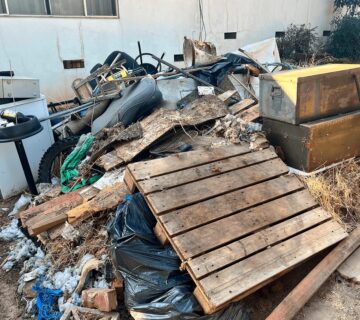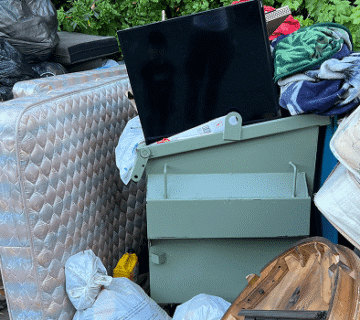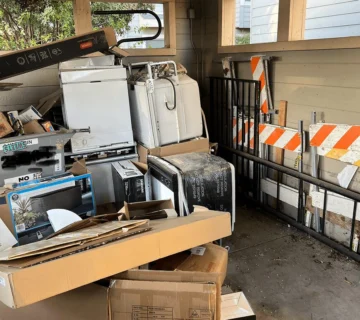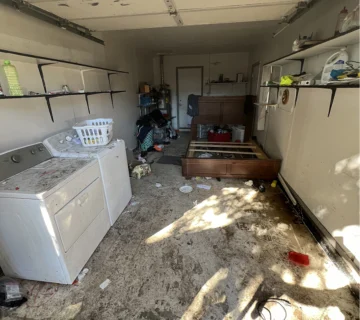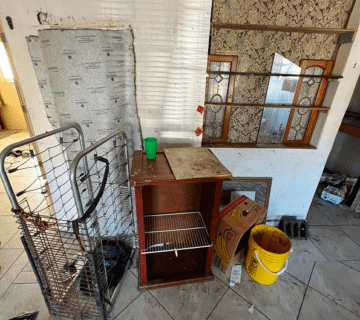
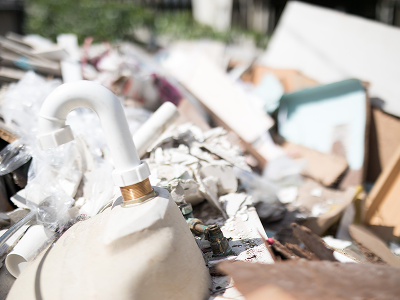
Tearing down outdated cabinets and ripping up old linoleum marks the exciting beginning of your dream kitchen. However, the sheer volume of debris generated during a kitchen remodel quickly shocks most homeowners. Before you swing the first sledgehammer, you need a clear understanding of the mess you are about to create.
Kitchen renovations produce more waste per square foot than almost any other room in your house. Managing this massive pile of heavy, bulky, and sometimes hazardous material requires careful planning. If you ignore the debris, your project timeline will stall, and your driveway will become an unmanageable junkyard.
The Staggering Volume of Kitchen Renovation Debris
When you look at your kitchen, you see appliances, cabinets, and flooring. When a demolition crew looks at your kitchen, they see thousands of pounds of heavy construction waste. Understanding the average volume of debris helps you prepare for the necessary cleanup.
Average Waste by the Numbers
A standard full kitchen remodel generates an average of two to three tons of debris. Yes, that is 4,000 to 6,000 pounds of waste coming out of a single room. For larger, custom kitchens with heavy stone countertops and extensive tile work, that number easily climbs to over four tons.
This waste does not neatly fold up into a few heavy-duty trash bags. It requires massive roll-off dumpsters or multiple trips with a large heavy-duty truck. Attempting to fit this volume of waste into your standard weekly municipal garbage bin is entirely impossible.
Why Kitchens Generate More Waste Than Other Rooms
You might wonder why a kitchen produces significantly more waste than a bedroom or a living room remodel. The answer lies in the density and variety of the materials used in kitchen construction.
A bedroom remodel usually involves pulling up carpet, painting, and maybe replacing some trim. A kitchen remodel involves ripping out heavy wooden cabinetry, removing massive metal appliances, and smashing dense countertops. Kitchens also require extensive plumbing and electrical work, which generates additional scrap metal, wiring, and drywall dust. The sheer density of these materials drives the weight of the debris sky-high.
Types of Debris Generated During a Kitchen Remodel
To manage your remodel waste effectively, you must identify exactly what you are throwing away. Different materials require completely different disposal and recycling methods. Here are the primary types of debris your kitchen demolition will produce.
Old Cabinets and Wood Materials
Cabinetry makes up the largest physical volume of your kitchen waste. A standard kitchen features anywhere from 15 to 30 individual cabinet boxes, plus doors, drawers, and trim. When you pull these off the walls, they consume massive amounts of space.
Most builder-grade cabinets consist of particleboard, MDF (medium-density fiberboard), and plywood. These engineered woods are heavy and bound together with glues and resins. If your cabinets are older, they might feature solid wood doors. You must also account for the wooden baseboards, crown molding, and window casings that you will inevitably tear out during the demolition phase.
Heavy Kitchen Appliances
Upgrading your kitchen almost always means replacing your major appliances. These items are incredibly heavy, awkwardly shaped, and difficult to move safely.
A standard refrigerator weighs between 200 and 300 pounds. A standard oven and range combination weighs roughly 150 pounds. Add in a dishwasher, a microwave, and a heavy range hood, and you easily have over 500 pounds of metal and plastic. You cannot simply throw these appliances into a landfill due to the hazardous chemicals and refrigerants they contain.
Outdated Flooring Materials
Kitchen floors endure heavy foot traffic, moisture, and spills. When it is time for a remodel, pulling up the old flooring generates a massive, heavy pile of debris.
If you have ceramic or porcelain tile, the demolition process will leave you with hundreds of pounds of sharp, broken shards and heavy chunks of hardened thin-set mortar. If you are removing hardwood, you face long, splintered planks covered in rusty staples. Even pulling up sheet vinyl or laminate flooring generates bulky, heavy rolls of synthetic material that take up significant space in a disposal bin.
Drywall, Plaster, and Insulation
Moving electrical outlets, adding new plumbing lines, or taking down walls to create an open concept requires removing drywall. Drywall demolition is incredibly messy.
It creates a massive amount of fine, choking dust and large, broken panels of gypsum board. If you live in an older home, you might encounter lath and plaster walls instead, which are significantly heavier and messier to tear down. Behind those walls, you will also pull out old fiberglass insulation, which requires careful handling to avoid skin and lung irritation.
Countertops and Heavy Stone
Countertops are the heaviest individual elements in your kitchen. If you are replacing outdated granite, quartz, or heavy concrete counters, you face a monumental physical challenge.
A single slab of granite can weigh hundreds of pounds. Demolition crews often have to break these stone countertops into smaller, more manageable pieces just to carry them out the door. Even older laminate countertops feature a heavy particleboard core that adds substantial weight to your total debris pile.
The Environmental Impact of Remodeling Waste
Throwing three tons of waste into the local landfill carries a severe environmental cost. As a responsible homeowner, understanding the impact of your debris helps you make better disposal choices.
Landfill Overflow and Space Constraints
Local landfills are not infinite bottomless pits. They are carefully engineered facilities that are rapidly running out of usable space. When you dump massive volumes of construction waste into these facilities, you accelerate their closure.
Items like synthetic laminate flooring, fiberglass insulation, and heavy plastics from appliances take centuries to decompose. They sit in the ground, taking up valuable space that should be reserved for unrecyclable municipal waste. Reducing the amount of material you send to the landfill is crucial for local sustainability.
Toxic Chemicals and Electronic Waste
Kitchen waste often contains hidden environmental hazards. Older appliances, especially refrigerators and freezers, contain Freon and other chemical refrigerants. If these gases escape during improper disposal, they severely damage the ozone layer.
Additionally, engineered woods like MDF and particleboard often contain formaldehyde and other chemical adhesives. When these materials sit in a landfill and get wet, those chemicals can leach into the surrounding soil and groundwater. Proper sorting and specialized recycling prevent these toxic elements from poisoning the local ecosystem.
Logistical Challenges of Managing Kitchen Debris
Knowing what makes up your debris pile is only half the battle. Actually getting that waste out of your house and disposed of legally presents a series of frustrating logistical hurdles.
Physical Strain and Safety Hazards
Kitchen demolition is exhausting, dangerous work. Carrying a 250-pound refrigerator out the front door or hauling hundreds of pounds of broken floor tiles requires serious physical strength.
One wrong move easily leads to a pulled back muscle or a severe joint injury. Furthermore, construction debris is sharp. Broken tiles, splintered wood, rusty nails, and shattered glass pose constant laceration hazards. Attempting to manage this debris without proper safety gear and heavy-lifting equipment puts your physical health at massive risk.
Hidden Costs of DIY Dump Runs
Many homeowners assume that hauling the debris to the dump themselves will save money. This assumption usually proves false.
First, you must rent a heavy-duty truck or a large trailer. Then, you must pay for the fuel to drive back and forth to the county waste facility. When you arrive at the dump, you are charged fees based on the exact weight of your debris. Because kitchen waste is incredibly heavy, those dumping fees add up rapidly. When you factor in the rental costs, fuel, dumping fees, and the value of your own time, DIY disposal frequently costs more than hiring a professional service.
Navigating Local Regulations
You cannot throw everything into the same pile and expect the county dump to accept it. Local waste facilities enforce strict regulations regarding construction and demolition debris.
You must separate your waste. You cannot mix drywall with scrap metal, and you certainly cannot dump appliances with chemical refrigerants into a standard trash pile. If you arrive at the facility with a mixed load or attempt to dump prohibited items, you will face steep fines and be turned away. Navigating these complex local recycling laws is a massive headache for a homeowner trying to focus on a remodeling project.
Eco-Friendly Disposal Methods for Kitchen Waste
Fortunately, you do not have to send all three tons of your kitchen waste to the landfill. Through careful planning and strategic sorting, you can dispose of your debris in a highly sustainable manner.
Donating Usable Cabinets and Appliances
If you carefully remove your cabinets rather than smashing them with a sledgehammer, you can often donate them. Organizations like Habitat for Humanity ReStore gladly accept complete sets of kitchen cabinets in good condition.
They also accept functioning appliances, unchipped sinks, and working light fixtures. Donating these materials provides a massive benefit to the community. It allows lower-income families to access affordable home improvement supplies, and it completely removes hundreds of pounds of waste from your disposal pile. You can often claim a tax deduction for the fair market value of these donated goods.
Recycling Metal, Wood, and Masonry
A significant portion of your kitchen debris is highly recyclable. You just have to ensure it reaches the correct processing facilities.
- Scrap Metal: Copper plumbing pipes, aluminum range hoods, steel ductwork, and brass sink fixtures are incredibly valuable. Metal recycling facilities melt these down to create new products without losing structural integrity.
- Clean Wood: Unpainted, untreated solid wood can be sent to specialized chippers. Facilities turn this wood into landscaping mulch or process it into biomass fuel.
- Masonry: Broken ceramic tiles and concrete can be crushed into aggregate. Construction companies use this aggregate as a base layer for new roads and driveways.
Repurposing Materials in Your Home
Before you throw anything away, look for opportunities to repurpose materials in other areas of your home.
Old lower cabinets make excellent storage units for a garage or a basement workshop. A heavily worn butcher block countertop can be cut down and transformed into a heavy-duty workbench. Even old light fixtures can be cleaned up and moved to a laundry room or a utility closet. Repurposing is the ultimate form of recycling, saving you money while reducing your overall waste footprint.
The Benefits of Professional Junk Hauling
When the piles of heavy debris become too massive to manage, bringing in professional junk haulers is the smartest decision you can make. Professional services eliminate the stress, danger, and logistical nightmares of remodel cleanups.
Fast and Efficient Cleanups
A professional removal team arrives equipped with heavy-duty trucks, appliance dollies, and the physical manpower necessary to clear your kitchen rapidly. They know how to navigate tight hallways without scratching your newly painted walls.
What might take you three weekends of grueling, back-breaking labor, a professional crew can accomplish in a single afternoon. This efficiency keeps your remodeling timeline on track. Your contractors do not have to wait for you to clear the floor; the professionals handle it instantly.
Sustainable Sorting and Recycling
Top-tier hauling companies prioritize the environment. When you hire experts, you do not have to worry about separating the drywall from the scrap metal or researching local landfill regulations.
The professionals take your mixed debris and transport it to specialized sorting facilities. They ensure that appliances are drained of refrigerants safely, metals are routed to the scrapyard, and clean wood is diverted from the landfill. This commitment to sustainable disposal allows you to complete your renovation with a completely clear conscience.
Local Help for Kitchen Remodel Cleanup
Take Care Junk helps homeowners across Sacramento and nearby areas remove heavy kitchen remodel debris quickly and safely. We handle the loading, hauling, and proper disposal so you don’t have to deal with multiple dump runs, sharp materials, or sorting different types of waste.
Reclaim Your Home and Enjoy Your New Kitchen
A kitchen remodel is a massive undertaking that dramatically improves the value and comfort of your home. However, the staggering amount of waste generated during the process easily derails your excitement. By understanding the types of debris you face and planning for sustainable disposal, you prevent the mess from overwhelming your project.
When the piles of heavy cabinets, broken tile, and dead appliances become too much to handle, you do not have to struggle alone. Our professional, eco-friendly team is ready to step in and clear the chaos swiftly and safely.
Are you ready to clear out the demolition debris so you can finally start building your dream kitchen? Reach out and contact us today to schedule your fast, stress-free debris removal service. We handle the heavy lifting so you can focus entirely on enjoying your beautiful new space.