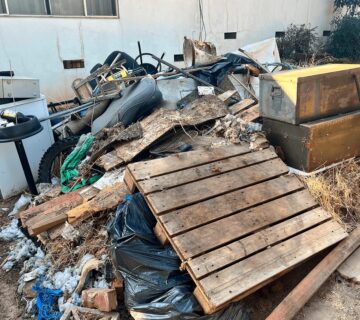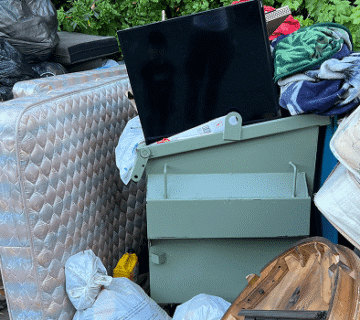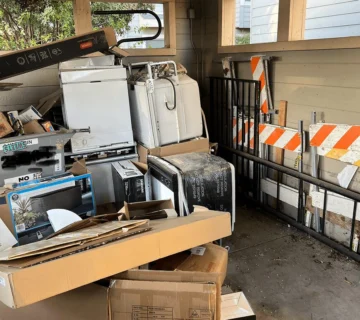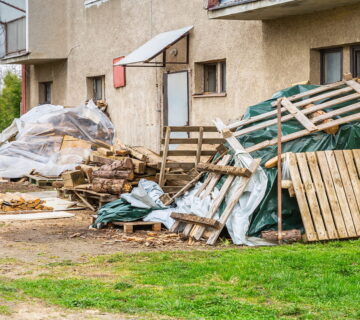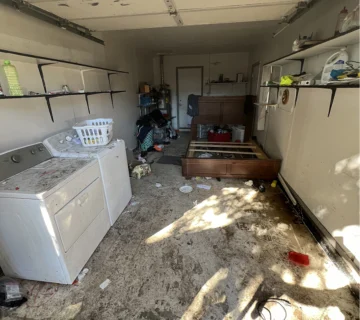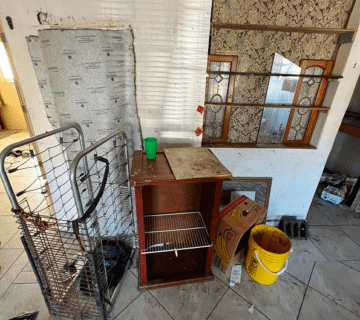
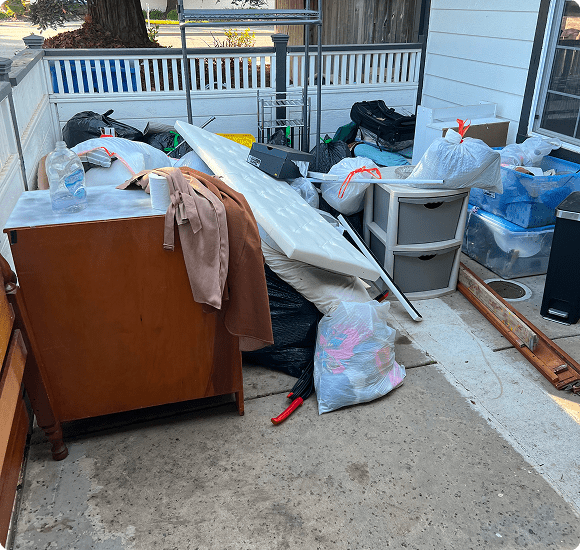
Tearing out outdated, dark, or damaged cabinets is the thrilling first step of any kitchen or bathroom remodel. You finally get to envision a bright, modern space. However, the excitement quickly fades when you find yourself staring at a massive pile of heavy wooden boxes taking over your garage and driveway.
You cannot simply drag an entire kitchen’s worth of cabinetry to the curb and hope the weekly trash truck picks it up. Old cabinets are bulky, incredibly heavy, and often constructed from materials that require specialized handling. Disposing of them improperly damages the environment and can earn you steep fines from your local municipality.
Fortunately, you have plenty of responsible options. This comprehensive guide will show you exactly how to handle cabinet disposal. You will learn the best ways to donate kitchen cabinets Sacramento charities desperately need, discover how to recycle old cabinets safely, and understand the profound environmental benefits of keeping these materials out of the landfill.
The Environmental Impact of Cabinet Disposal
Before you grab a sledgehammer and smash your old cabinets into splinters, you need to understand the environmental cost of that decision. Throwing massive amounts of construction debris into the local dump creates long-lasting ecological problems.
Landfill Space and Decomposition Issues
Local landfills are rapidly running out of usable space. A standard kitchen remodel generates dozens of large cabinet boxes, heavy doors, and thick shelving units. When you dump these massive items into a landfill, they consume a staggering amount of precious square footage.
Solid wood cabinets take decades to break down in a compacted landfill environment. Even worse, the paints, stains, and thick polyurethane varnishes coating your cabinet doors prevent natural decomposition. These chemical finishes flake off over time, contaminating the soil and creating hazardous conditions for local wildlife.
Toxic Chemicals in Engineered Wood
The biggest environmental threat comes from the materials used to build most modern cabinets. Unless you live in a historic home with custom cabinetry, your kitchen boxes are likely made from particleboard, medium-density fiberboard (MDF), or plywood.
Manufacturers bind these engineered woods together using heavy chemical resins and industrial glues. Many of these adhesives contain formaldehyde and other volatile organic compounds (VOCs). When you dump particleboard cabinets into a landfill, rain and moisture cause the wood to break down. As it degrades, those toxic chemicals leach directly into the surrounding soil and local groundwater. Finding eco-friendly ways to recycle old cabinets is essential for protecting the environment.
How to Donate Kitchen Cabinets
If your cabinets are outdated but still structurally sound, throwing them away is a massive waste. Many families and local charities desperately need affordable building supplies. Choosing to donate kitchen cabinets Sacramento community organizations rely on is the absolute best way to manage your remodel debris.
Habitat for Humanity ReStore
The Habitat for Humanity ReStore is the premier destination for donating usable building materials. These specialized retail outlets accept gently used home improvement items and sell them to the public at deeply discounted prices. The proceeds from these sales directly fund the construction of affordable housing for families in need.
The ReStore is always looking for complete sets of kitchen and bathroom cabinets. To be accepted, your cabinets must feature working doors and drawers. They should be free from heavy water damage, deep gouges, and structural rot. Donating here keeps heavy materials out of the landfill while helping a neighbor build a safer home. You also receive a tax-deductible receipt for the fair market value of your donation.
Local Charities and Community Centers
Beyond the ReStore, several local charities and vocational schools frequently seek cabinet donations. Community centers often need extra storage for their breakrooms or craft areas. Local theater groups sometimes repurpose old cabinetry for stage sets.
Call community organizations in your area to see if they have an active need for storage units. Keep in mind that these smaller organizations usually do not offer pickup services. You will need to transport the cabinets to their facility yourself.
How to Prepare Cabinets for Donation
Charities will quickly reject a pile of splintered wood. If you plan to donate your cabinets, you must handle the demolition process with care.
Do not use a sledgehammer. Instead, use a drill to carefully back out the screws holding the cabinet boxes to the wall studs. Remove the doors and drawers first to make the boxes lighter and easier to carry. Wipe down the interior and exterior surfaces with a mild cleaner to remove years of cooking grease and dust. Finally, place all the mounting screws in a plastic bag and tape it securely to the inside of one of the cabinets.
How to Recycle Old Cabinets and Hardware
If your cabinets have severe water damage from a leaky sink or are physically broken, charities cannot accept them. However, this does not mean they have to go straight to the dump. You can recycle old cabinets and their components with a bit of strategic sorting.
Salvaging Metal Hardware
Before you dispose of any broken cabinet doors, you must strip the metal hardware. Every hinge, drawer track, handle, and knob holds recycling value.
Take a drill and remove all the metal components. Place them in a heavy-duty cardboard box. You can take this box directly to a local scrap metal recycling facility. Scrap yards melt down these mixed metals—often steel, brass, or aluminum—and repurpose them into new products. Recycling metal requires significantly less energy than mining raw ore, making this a highly sustainable practice.
Solid Wood vs. Particleboard Recycling
Recycling the actual wooden boxes depends entirely on the type of wood you have. You must separate your solid wood from your engineered wood.
If you have untreated, unpainted solid wood cabinets, many local recycling centers will gladly accept them. Specialized facilities run solid wood through massive industrial chippers. They transform the wood into landscaping mulch, playground surfacing, or biomass fuel.
Unfortunately, particleboard and MDF cannot be recycled in the same manner. The toxic glues and plastic laminates used in engineered wood contaminate clean wood recycling streams. You cannot chip particleboard into mulch because it will poison the soil. These materials must be taken to specialized construction and demolition (C&D) waste facilities that possess the technology to handle chemical-laden wood safely.
Upcycling and Repurposing Ideas
Recycling does not always involve a commercial facility. You can recycle old cabinets by upcycling them into new items for your own home.
An old base cabinet easily transforms into a sturdy workbench for your garage. You can add a set of caster wheels to a tall pantry cabinet to create rolling storage for gardening tools. With a fresh coat of paint and a new top, an old bathroom vanity makes an excellent potting station for your backyard. Repurposing these items saves you money and completely eliminates disposal fees.
The Challenges of DIY Cabinet Disposal
Many homeowners attempt to handle cabinet disposal themselves to save money. Unfortunately, they quickly realize that managing hundreds of pounds of construction debris is an exhausting, logistical nightmare.
Heavy Lifting and Physical Strain
Cabinets are incredibly heavy and awkwardly shaped. A single wall cabinet can weigh 50 pounds, while a large base cabinet or pantry unit can easily exceed 150 pounds.
Carrying these bulky boxes out of your house, down the front steps, and into a vehicle requires serious physical strength. One wrong move easily leads to a pulled back muscle, a strained shoulder, or a smashed finger. Furthermore, navigating wide cabinet boxes through narrow hallways greatly increases the risk of scratching your floors or denting your drywall.
Vehicle Rentals and Hidden Costs
Unless you own a massive heavy-duty truck, you cannot transport an entire kitchen’s worth of cabinets in one trip. You will likely need to rent a box truck or a large utility trailer.
Once you pay the daily rental fee and cover the cost of fuel, you still have to pay dumping fees at the local waste facility. County dumps charge by weight. Because cabinetry is so heavy, these disposal fees add up rapidly. When you calculate the rental costs, the dumping fees, and the value of your own time and physical labor, DIY disposal frequently costs much more than simply hiring a professional.
The Benefits of Professional Junk Removal
When the towering pile of old cabinets becomes too overwhelming to handle, bringing in professional junk haulers is the absolute smartest choice. Professional removal services eliminate the physical danger and logistical headaches of remodeling cleanups.
Safe and Efficient Removal
A professional junk removal team arrives at your property with the right vehicles, moving equipment, and manpower. They know exactly how to maneuver heavy, awkward cabinets out of your home without damaging your property.
What might take you an entire weekend of grueling, back-breaking labor, a professional crew can often finish in a single hour. This incredible efficiency allows your renovation project to stay on schedule. Your contractors do not have to wait around for you to clear the floor; the professionals handle the mess instantly.
Eco-Friendly Sorting Practices
Top-tier hauling companies prioritize environmental sustainability. When you hire experts, you do not have to worry about separating metal hinges from particleboard doors or researching the rules of your local landfill.
The professionals load up your mixed debris and transport it to the correct specialized facilities. They ensure that usable cabinets are driven to donation centers like the ReStore. They strip and recycle the scrap metal, and they route the engineered wood to the proper C&D processing plants. This dedication to eco-friendly disposal means you can complete your beautiful new kitchen with a completely clear conscience.
Local Help for Cabinet Removal
Take Care Junk helps homeowners across Sacramento and nearby areas remove old cabinets quickly and safely. We handle the lifting, hauling, and proper disposal so you don’t have to deal with heavy materials, multiple trips to the dump, or sorting different types of debris.
Reclaim Your Space Today
A kitchen or bathroom remodel is a massive undertaking that dramatically improves the comfort, functionality, and value of your home. However, the staggering amount of waste generated by tearing out old cabinets easily derails your excitement. By understanding the environmental impact of your debris and planning for sustainable disposal, you prevent the mess from overwhelming your project.
Whether you choose to carefully dismantle and donate your cabinets to a local charity or strip the metal hardware for recycling, every step you take to keep materials out of the landfill matters.
When the towering piles of heavy wood, broken drawers, and shattered particleboard become too much to handle, you do not have to struggle alone. Our professional, eco-friendly team is ready to step in and clear the chaos swiftly and safely.
Are you ready to clear out the demolition debris so you can finally start building the kitchen of your dreams? Reach out and contact us today to schedule your fast, stress-free cabinet removal service. We handle the heavy lifting so you can focus entirely on enjoying your beautiful new space.