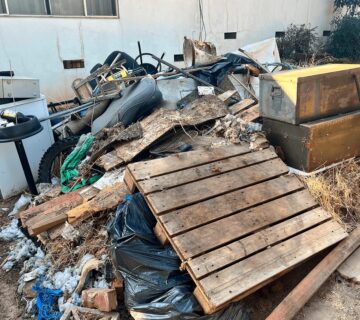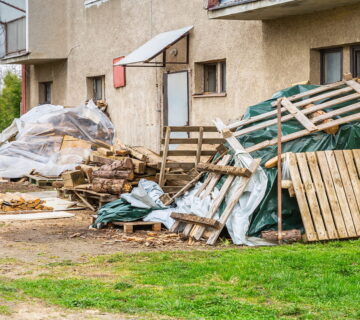
Replacing an aging, splintered deck drastically improves your outdoor living space. You finally get to enjoy summer barbecues without worrying about guests tripping over warped boards. However, the demolition phase leaves you staring at a massive, heavy pile of old lumber.
You cannot simply toss hundreds of pounds of old deck wood into your weekly trash bin. You also cannot drag it to the curb and expect the city to handle it. Deck materials are bulky, incredibly heavy, and often laced with complex chemical treatments that require highly specific disposal methods. Treating pressure-treated planks the same way you treat natural tree branches causes severe environmental damage and can lead to hefty fines at the local dump.
This comprehensive guide explains exactly what to do with old deck wood. We will explore how to identify your deck materials, detail the extreme hazards of burning treated wood, and provide a step-by-step guide for sorting salvageable planks from rotted ones. You will also discover creative ways to repurpose good lumber and learn how professional removal services keep your backyard safe and clean.
Understanding Your Deck Material
Before you decide how to dispose of your old deck, you must identify the type of wood you are handling. The species of the wood and the chemical treatments applied to it dictate your entire disposal strategy.
Pressure-Treated Wood Hazards (CCA and ACQ)
If you live in a standard suburban home built in the last 40 years, your deck is likely made of pressure-treated pine. Manufacturers treat this wood with heavy chemicals to prevent rot, repel insects, and withstand constant moisture.
For decades, the industry standard was Chromated Copper Arsenate (CCA). CCA contains high levels of arsenic, a highly toxic carcinogen. The EPA restricted the use of CCA in residential settings in 2003. However, if you are tearing down a deck built before 2004, you are almost certainly handling arsenic-laced lumber.
Modern pressure-treated wood uses Alkaline Copper Quaternary (ACQ) or Copper Azole. While these treatments lack arsenic, they still contain heavy concentrations of copper and chemical fungicides. Because of these intense chemical treatments, you cannot recycle pressure-treated wood into standard mulch. The chemicals will leach out and destroy the soil in your garden or local parks.
Cedar and Redwood (Natural Woods)
If your deck features a deep, rich color and a natural resistance to insects, it might consist of cedar or redwood. These premium materials naturally resist rot without the need for heavy chemical injections.
Because cedar and redwood are naturally durable, they hold excellent repurposing value. Untreated natural woods are highly recyclable. Facilities can run these clean planks through industrial chippers to create landscaping mulch, playground surfacing, or biomass fuel. However, if the previous homeowner applied thick layers of polyurethane varnish, chemical stains, or exterior paint, that natural wood loses its clean recycling status and must be handled carefully.
The Golden Rule: Never Burn Treated Wood
When faced with a massive pile of scrap lumber, many homeowners consider throwing it into the backyard fire pit. This is the absolute worst decision you can make.
Burning pressure-treated wood is incredibly dangerous and strictly illegal in most municipalities. When you ignite CCA-treated wood, the fire does not destroy the arsenic. Instead, the heat releases the arsenic into the air as a highly toxic smoke. Breathing in this smoke causes severe lung damage, neurological issues, and long-term health complications.
Furthermore, the ash left behind remains highly concentrated with toxic chemicals. If that ash blows into your vegetable garden or gets washed into the local water table by the rain, it poisons the surrounding environment. Never, under any circumstances, burn old deck wood.
How to Sort Salvageable Planks from Rotted Ones
Just because your deck looks worn out does not mean every single plank is garbage. By sorting your demolition debris, you can save valuable lumber for future projects and reduce the total weight of the waste you need to haul away.
The Screwdriver Test
Rot is the biggest enemy of old deck wood. Sometimes, wood looks structurally sound on the outside but is completely degraded on the inside.
To test a board, take a flathead screwdriver and press it firmly into the wood. Focus on the ends of the boards, the areas around the screw holes, and the joists underneath. If the screwdriver easily sinks into the wood or the wood flakes away like wet cardboard, the board is suffering from severe rot. Rotted wood has zero structural integrity and must be discarded. If the wood resists the screwdriver and feels solid, you can likely salvage it.
Inspecting for Warps, Splits, and Splinters
Even if a board passes the rot test, it might still be unusable. Look down the length of each solid plank.
- Bowing and Cupping: If the board curves upward like a smile or bows heavily to one side, it will be impossible to use for flat building projects.
- Deep Splits: Cracks that run completely through the board compromise its strength.
- Heavy Splintering: If the surface is deeply gouged and splintered beyond what a simple sanding can fix, set it aside for the dump pile.
Stack your solid, straight boards in a dry area. Place the warped, split, and rotted boards in your designated disposal pile.
Creative Ways to Repurpose Old Deck Wood
If you successfully salvaged several solid planks, you have access to excellent building materials. Repurposing old deck wood saves you money at the hardware store and keeps bulky materials out of the landfill.
Rustic Garden Planters and Raised Beds
Old deck wood possesses a beautiful, weathered patina that looks fantastic in a garden setting. You can cut the salvageable planks down to build rustic planter boxes or raised garden beds.
If you are using modern ACQ-treated wood, you must line the inside of the planter box with a heavy plastic barrier before adding soil. This prevents the copper treatments from leaching into the dirt where your vegetables grow. If you are dealing with pre-2004 CCA-treated wood, do not use it near edible plants at all. Reserve those older planks for decorative flower boxes only.
Outdoor Furniture and Workbenches
Solid deck boards are incredibly strong. You can repurpose them to build sturdy outdoor furniture. A simple picnic table, a rustic garden bench, or a heavy-duty potting station are all excellent projects.
You can also use the leftover 4×4 posts and solid planks to build a massive, durable workbench for your garage. Because the wood is already designed to withstand heavy wear and tear, it makes the perfect surface for hammering, drilling, and painting.
Walkways and Landscaping Borders
If you have shorter pieces of solid wood, you can use them to define spaces in your yard. Cut the planks into uniform lengths and bury them halfway into the ground to create an attractive, sturdy border around your flower beds. You can also lay the planks flat over a bed of gravel to create a charming, rustic walkway through your garden.
Eco-Friendly Disposal Options for Unusable Wood
Despite your best efforts to salvage and repurpose, you will inevitably end up with a massive pile of rotted, warped, and unusable wood. Disposing of this material responsibly protects the environment and adheres to local waste management laws.
Municipal Landfills and C&D Facilities
If your deck is made of pressure-treated pine, it cannot be recycled into mulch. You must transport this chemical-laden wood to a designated Construction and Demolition (C&D) waste facility.
These highly engineered facilities are equipped to handle treated lumber. They possess specialized liners that prevent the chemical preservatives from leaching into the local groundwater. You will need to rent a heavy-duty truck, load the heavy, splintered wood, and pay dumping fees based on the total weight of your load.
Clean Wood Recycling Centers
If you are disposing of untreated cedar or redwood, you have much better options. Many local recycling centers gladly accept clean, unpainted natural wood.
Before you drop it off, you must remove all the metal hardware. Pull out every rusted screw, hidden nail, and metal joist hanger. Facilities run this clean wood through massive chippers to create biomass fuel or landscaping materials. Recycling natural wood keeps heavy debris out of the landfill and reduces the demand for raw timber harvesting.
Why Professional Debris Removal Makes Sense
Managing deck demolition debris is a grueling, dangerous task. Carrying hundreds of pounds of splintered, nail-filled lumber across your yard quickly leads to physical exhaustion. One wrong move easily results in a pulled back muscle or a severe puncture wound from a rusty screw.
Furthermore, renting a truck, paying for gas, and covering the hefty dumping fees at the county facility often costs more than simply hiring a professional. When you factor in the physical strain and the complex local disposal laws, professional junk removal is the smartest, safest option.
A professional hauling team arrives at your property equipped with the right vehicles and heavy-lifting equipment. They load up the heavy lumber quickly, sweep your yard clean of dangerous nails, and transport the debris to the correct processing facilities. They ensure that treated wood goes to specialized C&D dumps and clean wood is routed to the proper recycling centers.
Local Help for Deck Wood Removal
Take Care Junk helps homeowners across Sacramento and surrounding communities remove heavy deck debris quickly and safely. We handle the loading, hauling, and responsible disposal so you don’t have to deal with multiple dump runs, sharp debris, or complicated disposal rules.
Reclaim Your Backyard Today
Tearing down an old deck is a massive undertaking that dramatically improves the safety and beauty of your backyard. However, the staggering amount of heavy, chemically treated waste generated by the process easily derails your excitement. By understanding the environmental impact of your debris and planning for sustainable disposal, you prevent the mess from overwhelming your project.
Whether you choose to carefully dismantle and repurpose your salvaged planks into garden beds or sort the clean wood for recycling, every step you take to manage your waste responsibly matters.
When the towering piles of heavy wood, rusted nails, and rotted boards become too much to handle, you do not have to struggle alone. Our professional, eco-friendly team is ready to step in and clear the chaos swiftly and safely.
Are you ready to clear out the demolition debris so you can finally start building your beautiful new deck? Reach out and contact us today to schedule your fast, stress-free wood removal service. We handle the heavy lifting so you can focus entirely on enjoying your updated outdoor living space.