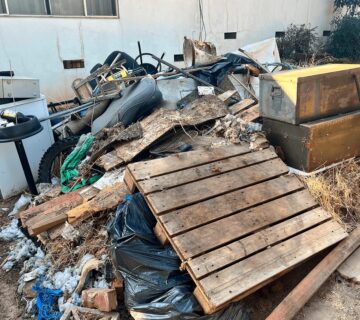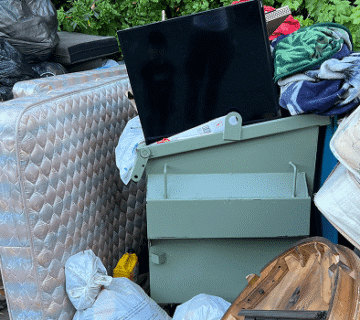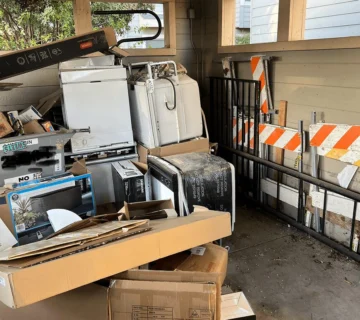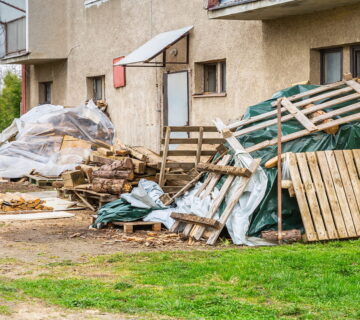
Professional junk removal services make clearing out clutter simple, especially when you’re dealing with old furniture, appliances, yard debris, or general household junk.
But there are limits. For safety, environmental, and legal reasons, certain items can’t be accepted by junk removal companies, including Take Care Junk.
Knowing what those items are helps you avoid surprises on pickup day and ensures everything is handled the right way. This guide breaks down the most common restricted items, explains why they’re not accepted, and shows you what to do instead.
Why Are Some Items Restricted?
Junk removal companies follow strict local, state, and federal regulations. These rules exist to protect workers, the public, and the environment.
Most restrictions fall into three categories:
- Hazardous materials: Items that are toxic, flammable, or reactive and require special handling.
- Legal regulations: Certain materials can only be transported or disposed of by licensed specialists.
- Safety concerns: Some items are too dangerous, heavy, or unstable for standard removal crews.
Now, let’s get to the list of what you’ll need to handle separately.
1. Hazardous Chemicals and Solvents
This is the largest and most critical category of restricted items. These are products you likely have under your kitchen sink, in your garage, or in your garden shed.
Examples:
- Paint, paint thinners, stains, and varnishes
- Pesticides, herbicides, and fertilizers
- Pool chemicals (chlorine, acid, etc.)
- Cleaners (bleach, ammonia, oven cleaner, drain cleaner)
- Automotive fluids (motor oil, antifreeze, gasoline, transmission fluid, brake fluid)
- Aerosol cans that are not completely empty
- Glues, resins, and adhesives
Why They Aren’t Taken: These products are the definition of Household Hazardous Waste (HHW). They are flammable, toxic, and can react dangerously when mixed. A leaking bottle of bleach could mix with ammonia in the back of a truck, creating toxic chloramine gas. A can of gasoline could ignite from a spark. These chemicals can also leach into the soil and groundwater if sent to a landfill, contaminating drinking water supplies for communities.
What to Do Instead:
Never pour these chemicals down the drain or throw them in the regular trash. The responsible solution is to take them to a designated Household Hazardous Waste (HHW) collection facility.
- Sacramento County Residents: The Sacramento County Department of Waste Management and Recycling operates several HHW drop-off locations. The North Area Recovery Station and the Kiefer Landfill both have facilities where residents can drop off these materials for free. They also host periodic collection events in different communities.
- Check Local Government Websites: Your city or county’s waste management website is the best source of information. Search for “HHW drop-off near me” to find locations, hours of operation, and a list of accepted materials. Many communities have specific hazardous waste programs for local residents.
2. Asbestos-Containing Materials
Asbestos was a common building material for decades before its severe health risks were understood. It can be found in older homes in insulation, vinyl flooring, “popcorn” ceilings, and siding.
Examples:
- Popcorn ceiling texture
- Pipe insulation
- Vinyl floor tiles
- Some types of roofing and siding shingles
Why It Isn’t Taken: Asbestos is a known carcinogen. When its fibers become airborne and are inhaled, they can cause serious lung diseases, including asbestosis and mesothelioma. Junk removal crews are not trained or certified for asbestos abatement. Disturbing these materials without proper containment procedures is illegal and extremely dangerous.
What to Do Instead:
If you suspect you have asbestos in your home, do not touch or disturb it.
- Professional Testing: First, hire a certified asbestos testing company to confirm its presence.
- Hire a Certified Abatement Contractor: If asbestos is confirmed, you must hire a licensed and certified asbestos abatement professional. These specialists follow strict protocols to safely contain and remove the material from your property. They are the only people legally allowed to handle and dispose of it. Trying to remove it yourself is a major health risk and could lead to costly contamination of your entire home.
3. Medical Waste and Sharps
This category includes any items that may be contaminated with bodily fluids or used for medical purposes.
Examples:
- Needles, syringes, and lancets (sharps)
- Soiled bandages, dressings, or surgical gloves
- IV bags and tubing
- Dialysis waste
- Expired or unused prescription medications
Why It Isn’t Taken: This is classified as biohazardous waste. It poses a significant risk of transmitting diseases and causing injury. A crew member could be stuck by a used needle hidden in a trash bag. These materials must be handled and disposed of according to strict health and safety regulations to protect sanitation workers and the public. Junk removal companies are not licensed or equipped to handle biohazardous materials.
What to Do Instead:
- Sharps Disposal: Never throw loose sharps in the trash. Place them in a designated, puncture-proof sharps container. You can purchase these at pharmacies or use a strong plastic container (like a laundry detergent bottle), sealed with tape, and clearly labeled “Sharps Waste.” Many pharmacies, doctor’s offices, and local health departments have mail-back programs or drop-off locations. Sacramento County has a specific program for proper sharps disposal.
- Other Medical Waste: Contact your local health department or waste management authority for guidance on other types of medical waste.
- Prescription Medications: Do not flush medications down the toilet. This contaminates waterways. The best option is to take them to a medication drop-box, often located at police stations and pharmacies. The DEA also hosts national “Take Back Day” events.
4. Pressurized Tanks and Cylinders
This includes any container that holds gas under pressure.
Examples:
- Propane tanks (from BBQ grills)
- Helium tanks
- Oxygen tanks
- Fire extinguishers
Why They Aren’t Taken: Pressurized tanks are an explosion risk, especially in the back of a junk truck where they can be punctured or exposed to heat. The compactor on a junk truck could easily crush a tank, causing a dangerous explosion that could injure the crew and damage the vehicle.
What to Do Instead:
- Propane Tanks: Many retailers that sell propane tanks, like Blue Rhino or Amerigas, have an exchange program. You can bring your empty tank and trade it for a full one, or simply turn in the empty tank. Some recycling centers and scrap metal yards also accept them once they are confirmed to be empty.
- Fire Extinguishers: Your local fire department is the best first call. They can tell you if the extinguisher can be recharged or where to take it for proper disposal. Some HHW facilities also accept them.
- Helium/Oxygen Tanks: The company you purchased or rented the tank from is typically responsible for taking it back. Check the label for a company name and contact them directly.
5. Fuels, Oils, and Flammables
While we covered some of these under hazardous chemicals, it’s worth creating a separate category for items that are purely fuel.
Examples:
- Gasoline or diesel fuel
- Kerosene
- Lighter fluid
- Full or partially full aerosol cans
Why They Aren’t Taken: The reason is simple: extreme fire and explosion hazard. These liquids and vapors are highly flammable. A small spark in a confined space like a truck bed could lead to a catastrophic fire. Junk removal companies have a strict “no flammables” policy to ensure the safety of their crew and the public.
What to Do Instead:
- Use It Up: The best option for small amounts of fuel is to use it for its intended purpose (e.g., in a lawnmower).
- HHW Facilities: For larger quantities or old, unusable fuel, this is a job for your local Household Hazardous Waste facility. They are equipped to safely handle and process these materials.
- Aerosol Cans: If an aerosol can is completely empty, it can often be recycled with other metals. If it still contains product and propellant, it is considered hazardous waste and must go to an HHW facility.
6. Large Quantities of Soil, Rock, and Concrete
While some junk removal companies will take a small amount of construction debris, they often have restrictions on very heavy, dense materials, especially in large volumes.
Examples:
- Large piles of dirt or soil from an excavation
- A demolished concrete patio or driveway
- A large load of bricks, rocks, or asphalt
Why They Are Restricted: The issue here is weight, not necessarily hazardous properties. Junk removal trucks have a specific payload capacity (e.g., 1-2 tons). A relatively small volume of concrete or soil can quickly exceed this weight limit, making the truck unsafe and illegal to operate on public roads. Junk removal pricing is typically volume-based, which doesn’t work well for exceptionally heavy materials.
What to Do Instead:
- Bed-Load Pricing: Ask your junk removal company if they offer a “bed load” or “heavy materials” pricing option. Some companies price these loads differently (e.g., by how much of the truck floor is covered up to a one-foot height) to account for the weight. Take Care Junk does not take dirt, sod, rock or gravel as a job of its own; small amounts can go along with a regular load. Some junk removal companies, including Take Care Junk, can take a heavy single-material load — metal only, concrete only, or clean wood only — at a different price because of the weight, though mixed construction debris is usually a job for a C&D hauler.
- Specialty Haulers: For very large projects, you may need to hire a construction debris specialist who operates dump trucks designed for heavy loads.
- Dumpster Rental: Renting a “roll-off” dumpster is an excellent option for large-scale projects involving heavy materials. You can fill it at your own pace, and the rental company will haul it away when you’re done.
7. Vehicles and Large Vehicle Parts
This refers to the vehicle itself or its main components.
Examples:
- Cars, trucks, and motorcycles
- Trailers and campers
- Engines and transmissions
- Large chassis parts
Why They Aren’t Taken: Junk removal companies are not licensed auto wreckers. Vehicles contain hazardous fluids (gas, oil, antifreeze), require a title for legal transfer of ownership, and need to be processed by licensed automotive dismantlers. A standard junk truck is not equipped to tow or transport a whole car.
What to Do Instead:
- Scrap Metal Recyclers: Local scrap yards or auto wreckers will often pay you for your old car. They will come and tow it away for free. You will need to provide the title.
- Charitable Donations: Many charities (like Kars4Kids or the Humane Society) accept vehicle donations. They will arrange for a free pickup and provide you with a tax receipt for your donation.
- Sell for Parts: If you’re mechanically inclined, you might sell individual parts online before having the remaining shell hauled to a scrapyard.
8. Uncontained or Unsanitary Waste
This category refers to loose, potentially hazardous waste that isn’t properly bagged or contained.
Examples:
- Loose trash blowing around a property
- Rotting food waste
- Waste contaminated with animal feces or other bio-contaminants
- Materials from a severe pest infestation (e.g., bed bug-infested furniture that isn’t wrapped)
Why It Isn’t Taken: This is a major health and safety issue for the crew. Handling uncontained waste exposes them to bacteria, diseases, and pests. For bed bug-infested items, improper handling can lead to the bugs spreading to the truck and then to other customers’ homes. Most companies require that all loose, small items be bagged, and some may require infested furniture to be professionally wrapped in plastic before they will touch it.
What to Do Instead:
- Bag It Up: Before your appointment, take the time to bag up all loose debris and trash. This makes the job safer and faster for the crew.
- Pest Infestations: If you have an infested item (like a mattress or sofa), be upfront with the junk removal company. They will give you specific instructions. This usually involves hiring a pest control company to treat and wrap the item before pickup. This protects everyone involved.
- Bio-Contaminants: For waste involving significant amounts of animal or human feces, you may need to hire a specialized biohazard or trauma cleanup service. This falls outside the scope of standard junk removal services and usually requires a specialized cleanup company.
9. Certain Large or Specialty Items
While junk removal services are known for taking bulky items, some are simply too large, heavy, or complex for a standard two-person crew and truck.
Examples:
- Large hot tubs or jacuzzis (sometimes accepted, but with a surcharge)
- Sheds or play structures that haven’t been disassembled
- Grand pianos or player pianos
- Extremely large commercial or industrial equipment
Why They Are Restricted: These items often require a larger crew, specialized equipment (like cranes or heavy-duty dollies), and significant time for disassembly. A standard junk removal quote is not designed to cover this level of labor. Hot tubs, for instance, are very heavy and must be cut into pieces before they can be loaded.
What to Do Instead:
- Be Upfront: When booking your appointment, be very specific about any unusually large or heavy items. The company will tell you if they can handle it and what the additional cost will be. Many companies, like Take Care Junk, do offer services like hot tub removal but price it as a separate, specialized job.
- Disassemble First: If you can safely disassemble an item like a shed or a swing set before the crew arrives, they can then haul away the pieces as standard debris.
- Hire a Specialist: For items like grand pianos or industrial machinery, you will likely need to hire a company that specializes in moving those specific items.
10. Explosives and Ammunition
This one should be obvious, but it’s crucial to state clearly.
Examples:
- Ammunition and bullets
- Fireworks (used or unused)
- Flares
- Gunpowder
Why They Aren’t Taken: These items are explicitly designed to explode. Transporting them without the proper authority is illegal and incredibly dangerous. They pose an extreme risk to the junk removal crew, the public, and disposal facility workers. There is absolutely no scenario where these items belong in a junk truck.
What to Do Instead:
- Contact Your Local Police Department: The police are the correct authority to contact for the safe and legal surrender of unwanted ammunition or explosives. Do not simply drive them to the station; call their non-emergency line first and ask for instructions. They will guide you on the proper procedure to ensure everyone’s safety. This is the safest and most appropriate way to handle unwanted ammunition or explosives.
Your Partner in Responsible Disposal
Navigating what can and can’t be removed might seem complicated, but it comes down to safety and proper disposal.
For most household items—furniture, appliances, yard debris, and general clutter—junk removal services handle everything quickly and efficiently.
For restricted items, your local waste facilities, recycling centers, or public agencies are the right solution.
When you’re ready to clear out everything else, Take Care Junk makes the process simple. Call today for a free quote and let us handle the heavy lifting.