You’ve spent weeks planning, packing, and preparing for your move. The moving truck is booked, and you’re ready for a fresh start. But as moving day gets closer, you discover a hidden catch: there’s a long list of items your moving company refuses to transport. This list, known as the “non-allowables” or prohibited items list, can come as a surprise, leaving you scrambling to figure out what to do with everything from propane tanks and paint cans to your pantry food and precious jewelry.
Understanding what movers won’t take is a critical, yet often overlooked, part of the moving process. These policies are in place for good reason—to protect your belongings, the moving crew, and the public from safety hazards like fires, spills, and explosions. This guide will provide a comprehensive breakdown of the items professional movers typically prohibit and give you practical, actionable solutions for each category. From responsible disposal to personal transport and professional junk removal, you’ll learn exactly how to handle these challenging items. For residents across the greater Sacramento area, this knowledge will make your move significantly smoother and less stressful.
Why Do Movers Have a Prohibited Items List?
Moving companies aren’t just being difficult when they hand you a list of things they won’t put on their truck. Their restrictions are primarily based on federal regulations, insurance liabilities, and practical safety concerns.
Safety and Legal Regulations
The U.S. Department of Transportation and other federal agencies have strict rules about transporting hazardous materials. Items that are flammable, explosive, or corrosive pose a significant risk on a moving truck, where they are subject to jostling, temperature changes, and pressure. A single leaking can of paint thinner or a small fire could have catastrophic consequences for the entire truckload of belongings—including yours.
Insurance and Liability
Moving companies have insurance policies that cover the goods they transport. However, these policies explicitly exclude damage caused by or to prohibited items. If your undeclared can of bleach leaks and ruins your neighbor’s antique wooden dresser in the truck, the moving company’s insurance won’t cover it, and you could be held personally liable for the damages. Likewise, movers cannot take on the liability of transporting high-value or irreplaceable items like cash, important documents, or fine jewelry.
Practicality and Contamination
Some items simply aren’t practical to move. Perishable food can spoil, creating foul odors, attracting pests, and contaminating other items in the truck. Live plants are another concern; many states have regulations to prevent the spread of invasive insects and plant diseases, and movers don’t want the liability if the plants die in transit.
Category 1: Hazardous Materials (Hazmat)
This is the largest and most strictly enforced category of non-allowable items. As a rule of thumb, if an item is flammable, corrosive, or explosive, it cannot go on the moving truck. You will likely find more of these items in your garage, under your kitchen sink, and in your utility closets than you realize.
Common Hazardous Items Movers Won’t Take:
- Flammable Liquids: Paint, paint thinner, varnish, stains, lighter fluid, gasoline, kerosene, diesel fuel, charcoal starter fluid, acetone (nail polish remover).
- Explosives and Propellants: Ammunition, fireworks, propane tanks (for grills), oxygen tanks, aerosol cans (hairspray, spray paint, cooking spray), fire extinguishers.
- Corrosives and Chemicals: Household cleaners (especially bleach and ammonia), pool chemicals, pesticides, herbicides, fertilizers, car batteries, chemistry sets.
What to Do with Hazardous Materials:
Transporting these items yourself can also be dangerous and is often illegal over long distances. The best and safest solution is proper disposal.
Step 1: Reduce and Use Up
In the weeks leading up to your move, try to use up products like cleaning supplies. Complete any small touch-up painting jobs you’ve been putting off. This is the most eco-friendly way to deal with these items.
Step 2: Give to Neighbors or Friends
If you have unopened or partially used products in good condition, like a bag of fertilizer or a can of paint in a popular color, offer them to a neighbor, friend, or a local community group that might need them.
Step 3: Find a Hazardous Waste Disposal Facility
Most counties and cities have a dedicated Household Hazardous Waste (HHW) facility or hold special collection days where residents can drop off these materials for free. Do not pour these chemicals down the drain or throw them in your regular trash. This is environmentally irresponsible and can be dangerous for sanitation workers.
- How to Find Your Local HHW Facility: A simple search for “[Your County] Household Hazardous Waste” will provide the location, hours, and specific rules for your local drop-off site. This is the correct procedure for residents everywhere, from Roseville to Rancho Cordova.
Propane Tanks and Fire Extinguishers:
- Propane Tanks: Many retailers that sell propane tanks, such as hardware stores or gas stations, have exchange programs. You may be able to turn in your old tank, even if it’s not empty.
- Fire Extinguishers: Contact your local fire department for guidance. They can often tell you where to take an old extinguisher for safe depressurization and disposal.
Category 2: Perishables and Food
The back of a moving truck is not a refrigerator. It can get incredibly hot, and your items may be in transit for days or even weeks. For this reason, movers will not accept anything that can spoil or attract pests.
Common Perishable Items Movers Won’t Take:
- Refrigerated Food: Milk, cheese, yogurt, meat, eggs, produce.
- Frozen Food: Anything from your freezer.
- Open Food Containers: Open boxes of cereal, bags of chips, jars of sauce, bottles of oil. These can spill and attract vermin.
What to Do with Perishable Food:
The strategy here is simple: don’t move it.
Step 1: The “Eat Down the Pantry” Challenge
About 3-4 weeks before your move, stop buying new groceries. Get creative and plan your meals around using up everything in your refrigerator, freezer, and pantry. This will save you money and reduce waste.
Step 2: Donate Unopened, Non-Perishable Items
For unopened, non-perishable items that you don’t want to move (canned goods, pasta, rice, sealed jars), donate them. Organizations like Move For Hunger partner with moving companies to make this easy. You can also drop them off at a local food bank.
Step 3: The Final Purge
The day before the movers arrive, go through your fridge and pantry one last time and toss anything that’s left. It may feel wasteful, but it’s a necessary step.
Category 3: High-Value and Irreplaceable Items
Moving companies place a standard, limited liability on the items they transport, often valued at just $0.60 per pound per item. While you can purchase additional insurance, it cannot replace items that are truly one-of-a-kind. For this reason, movers will not accept liability for high-value or sentimental items. You are responsible for moving these yourself.
Items You Must Transport Personally:
- Personal Documents: Birth certificates, social security cards, passports, wills, deeds, titles, financial records, insurance policies.
- Financial Valuables: Cash, stocks, bonds, credit cards, checkbooks.
- Jewelry and Collections: Fine jewelry, coin or stamp collections, and other small, high-value collectibles.
- Electronics Data: Laptops, hard drives, and personal computers. While movers will take the hardware, they are not responsible for the data. Always back up your data to the cloud or an external drive that you keep with you.
- Sentimental Items: Photo albums, home videos, irreplaceable family heirlooms.
- Medical Necessities: Prescription medications, medical records.
How to Handle High-Value Items:
The only solution is to keep these items with you at all times during the move.
The “Essentials Box”
Designate one or two sturdy, clearly labeled boxes or bags as your “Essentials” or “Do Not Move” containers. Keep these with you in your car or on the plane. This box should contain everything you’ll need for the first 24-48 hours in your new home, including your important documents, medications, chargers, a change of clothes, and basic toiletries. This ensures your most critical belongings are always safe and accessible.
Category 4: Plants and Living Things
For obvious reasons, movers will not transport pets. Arrangements must be made to move your furry, scaled, or feathered family members safely. But what about your green friends? Movers typically refuse to move live plants, especially on interstate moves.
Why Plants are Prohibited:
- State Regulations: Many states, including California, have strict regulations to prevent the transportation of invasive species and pests.
- Survival: Plants are unlikely to survive for days in the dark, hot, and unventilated environment of a moving truck.
- Liability: Movers don’t want to be responsible for your prized ficus dying in transit.
What to Do with Your Plants:
- Transport Them Yourself: If you are moving locally or driving to your new home, you can transport smaller plants in your car.
- Give Them Away: This is the most common solution. Offer your plants to friends, neighbors, or colleagues. Post them on a local “Buy Nothing” group or list them for free on Facebook Marketplace.
- Mail Them: For smaller, hardy plants, you can mail them to your new address. Check with the USPS or a private carrier for rules and best practices on shipping live plants.
What About the “Gray Area” Items?
Some items might not be strictly prohibited but are still a bad idea to move. This is where you have to make a judgment call. In many cases, getting rid of these items is the smarter choice, saving you money and hassle.
Old, Broken, or Low-Value Furniture
That wobbly particleboard bookshelf or the stained recliner in the basement might not be worth the cost to move. Moving companies charge by weight and space; you might pay more to move an old piece of furniture than it would cost to replace it.
Major Appliances
While most movers will take major appliances, you must decide if it’s worth it. If your refrigerator or washing machine is over ten years old, the move might be the final blow that breaks it. It’s often more cost-effective to sell the old ones and buy new, energy-efficient models for your new home, especially if the move is long-distance.
Outdoor Equipment and Structures
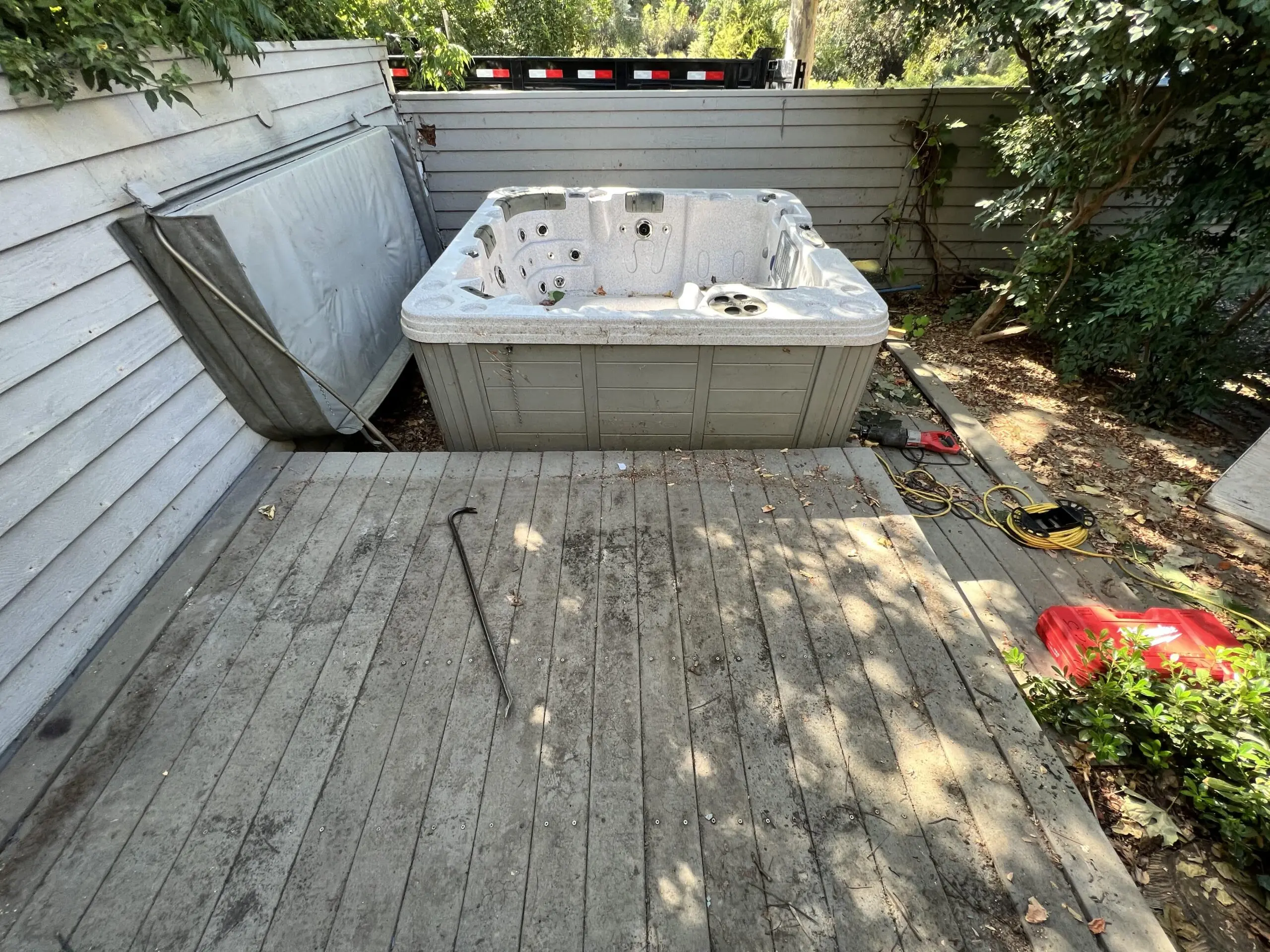
Items like old grills, rusty swing sets, rotting picnic tables, and old hot tubs are often not worth moving. They are heavy, difficult to disassemble, and may not fit your new outdoor space.
The Ultimate Solution for Everything Left Behind: Professional Junk Removal
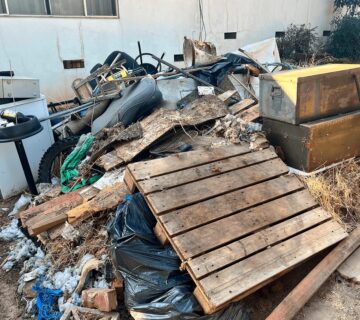
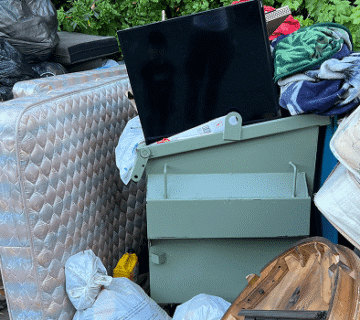
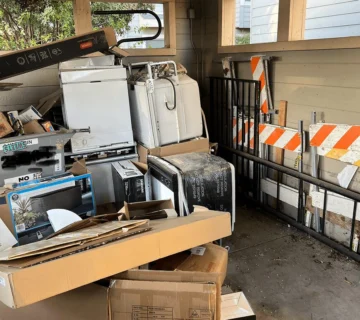
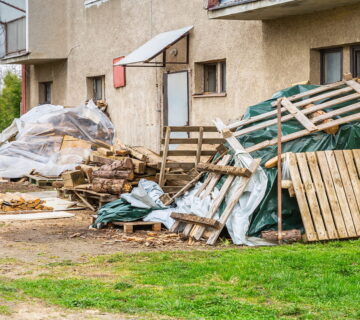
After you’ve sorted through the hazardous materials, donated your food, and packed your valuables, you’ll inevitably be left with a pile of stuff. This is the collection of items that are not hazardous but have no place in your new home:
- The old couch that won’t fit in the new living room.
- The mattress from the guest room that’s seen better days.
- The outdated tube TV from the basement.
- The broken lawnmower and rusty grill.
- Bags of miscellaneous clutter you’ve purged from closets and drawers.
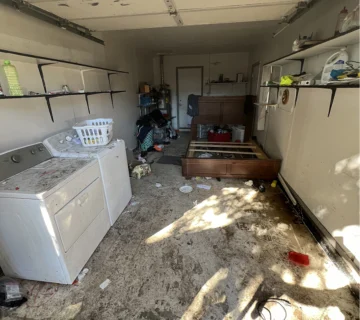
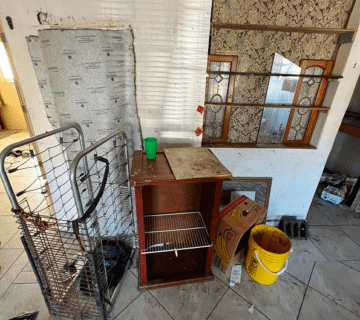
You cannot leave this pile for the new owners. Dealing with it is your final moving task. You could rent a truck, recruit friends, and spend a day hauling it all to the dump, but during the stressful final days of a move, do you really have the time or energy for that?
This is where a professional junk removal service like Take Care Junk becomes your most powerful moving ally. We are the perfect solution for handling all the non-hazardous items your movers won’t take and that you don’t want.
City pickup may work for a few small items, but move-out cleanups usually involve bulky furniture, old mattresses, broken appliances, garage clutter, and multiple oversized items that cannot be handled with standard curbside collection. Full-service junk removal saves time, labor, and repeated dump trips during an already stressful move.
Why Choose Professional Junk Removal?
- Stress-Free Convenience: It’s the easiest way to clear your property. You make one call, and we handle the rest. Our professional team comes to your home, and you simply point to what needs to go. We do all the heavy lifting, loading, and hauling.
- Saves Precious Time: In the week before your move, your to-do list is a mile long. Our crew can clear out years of accumulated junk in just a few hours, freeing you up to focus on final packing, cleaning, and saying your goodbyes.
- Safety and Efficiency: Don’t risk throwing out your back trying to lift a heavy old dresser or an appliance. Our teams are trained, insured, and equipped with the right tools to remove items from your home safely and without causing damage.
- Comprehensive Service: We can take almost anything the movers leave behind. From furniture and appliances to electronics (e-waste), yard waste, and construction debris, we handle it all. We help homeowners, renters, landlords, and families throughout Sacramento and surrounding areas clear out the items movers leave behind, from old furniture and broken appliances to garage clutter and full move-out cleanups.
- Eco-Friendly Disposal: A reputable junk removal company is also a partner in sustainability. We don’t just take everything to the landfill. At Take Care Junk, we are committed to responsible disposal. We pull out the items we can recycle or donate to local charities, minimizing our environmental impact and giving usable goods a second life. Responsible disposal is part of every job, helping homeowners clear unwanted items without adding unnecessary landfill waste during an already stressful move.
A smooth move is a well-planned move. By understanding what your movers will and won’t take, you can avoid last-minute surprises and create a solid plan for every item you own. Pack your valuables, dispose of hazardous materials responsibly, and let go of the clutter that no longer serves you. When you’re left with the final pile of unwanted belongings, let a professional service give you the clean slate you need to start your new chapter.
If you’re preparing for a move and need to clear out the items you’re leaving behind, contact us today. We’ll provide a free, no-obligation estimate and show you how easy it is to make your junk disappear.