Navigating the maze of waste disposal rules can feel like learning a new language. Blue bin? Gray bin? Green bin? What about batteries or that old gallon of paint sitting in the garage? For residents and business owners in Vacaville, understanding local waste management regulations isn’t just about avoiding a fine—it’s about contributing to a cleaner, more sustainable community.
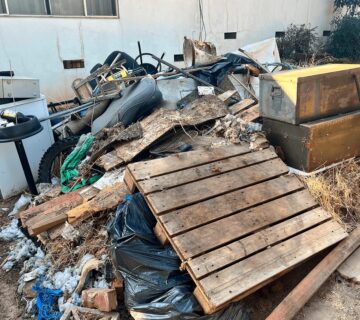
Vacaville, like many forward-thinking cities in California, has specific guidelines designed to minimize landfill waste and maximize recycling efforts. When large cleanouts go beyond normal city pickup limits, many residents turn to professional junk removal services to safely haul away bulky items. Whether you just moved to the area or have lived here for decades, staying updated on these rules is crucial. This comprehensive guide will walk you through everything you need to know about waste disposal in Vacaville, from curbside pickup nuances to specialized drop-off locations, ensuring you can manage your household waste with confidence and eco-conscious responsibility.
The Three-Bin System: Sorting Your Curbside Waste
The backbone of Vacaville’s residential waste management is the three-cart system. Proper sorting at the curb is the single most impactful action residents can take to support local recycling efforts. Mis-sorting, or “contamination,” can ruin entire batches of recyclables, sending them straight to the landfill instead of being repurposed. For households clearing out large amounts of clutter, residential junk removal services can help remove items that do not belong in curbside carts.
The Blue Recyclables Cart
Your blue cart is for mixed recycling. This is where most of your clean, dry packaging goes. The goal here is to capture materials that can be processed into new products.
What Goes In:
- Paper & Cardboard: Flattened cardboard boxes, junk mail, magazines, newspapers, office paper, and paper bags.
- Plastic Containers: Rigid plastics shaped like bottles, jugs, and tubs. This includes water bottles, milk jugs, detergent bottles, and yogurt containers. Tip: Keep the caps on bottles.
- Metal: Aluminum cans (soda/beer), tin or steel food cans, and clean aluminum foil.
- Glass: Bottles and jars of any color.
What stays OUT:
- Plastic Bags: These are the nemesis of recycling facilities. They tangle in the sorting machinery, causing shutdowns and safety hazards. Take these back to grocery stores for recycling.
- Polystyrene Foam (Styrofoam): Even if it has a recycling symbol, it generally cannot be processed in curbside bins.
- Food Soiled Paper: Pizza boxes with grease stains or dirty paper plates belong in the organic waste bin, not recycling.
- Textiles: Clothes and linens should be donated, not binned.
Many California cities follow similar contamination guidelines to keep recycling programs effective.
The Green Organic Waste Cart
California’s SB 1383 law has transformed how we handle organic waste. The green cart is no longer just for yard trimmings; it is now the home for food scraps as well. This shift aims to reduce methane emissions from landfills by composting organic material instead.
What Goes In:
- Yard Trimmings: Grass clippings, leaves, weeds, flowers, and small branches (less than 4 inches in diameter).
- Food Scraps: Fruits, vegetables, meat, bones, dairy, eggshells, coffee grounds, and bread.
- Food-Soiled Paper: Greasy pizza boxes, paper napkins, paper towels, and uncoated paper plates.
Crucial Rule: Do not use plastic bags to collect your organics, even if they claim to be “biodegradable.” Most facilities cannot process them quickly enough. If you need to contain mess, wrap food scraps in newspaper or use a paper bag.
The Gray (or Brown) Trash Cart
This is the cart of last resort. Only items that cannot be recycled or composted should end up here.
What Goes In:
- Wrappers: Chip bags, candy wrappers, and snack packaging (multi-layer materials).
- Diapers and Pet Waste: These are sanitary hazards and must be landfilled.
- Treated Wood: Painted or stained wood cannot be composted.
- Broken Ceramics/Glassware: Dishes and mirrors have different melting points than glass bottles and cannot be recycled.
By strictly adhering to these sorting rules, Vacaville residents can significantly reduce their environmental footprint. It’s a system mirrored in eco-conscious communities like Sacramento, where waste diversion is a top priority.
Handling Hazardous Waste: What Not to Bin
Some items are too dangerous for any curbside cart. Household Hazardous Waste (HHW) poses a threat to sanitation workers, the environment, and the water supply if disposed of improperly. Never pour these down the drain or toss them in the trash.
Common HHW Items Include:
- Batteries: All types (AA, AAA, lithium, button cells).
- Paint: Latex and oil-based paints, stains, and varnishes.
- Chemicals: Pesticides, herbicides, pool chemicals, and strong cleaners.
- Automotive Fluids: Motor oil, antifreeze, and transmission fluid.
- Fluorescent Bulbs: Tubes and CFLs contain mercury.
- Sharps: Needles and syringes must be in approved containers.
Where to Take HHW in Vacaville
Vacaville residents have access to the Recology Vacaville Solano Household Hazardous Waste Facility. This facility allows you to drop off these dangerous items safely. Typically, drop-offs are free for residents, though limits on quantity per trip may apply.
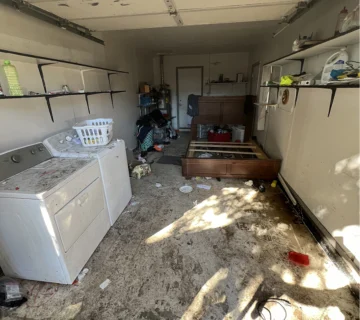
For those doing major cleanouts involving these materials, especially during garage cleanouts, remodels, or large renovation projects, it’s essential to segregate these items first. Professional junk haulers often cannot take hazardous materials due to legal restrictions, so you must handle them separately or contact a specialized hazardous waste service.
Bulky Item Pickups and Large Scale Disposal
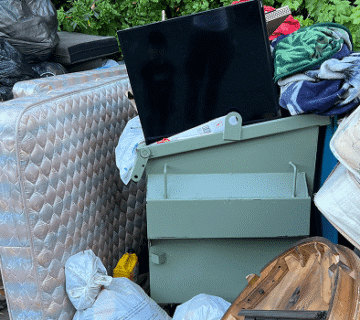
Sometimes, the weekly cart just isn’t enough. When you’re replacing a mattress, upgrading a refrigerator, or clearing out a spare room, you enter the territory of “bulky waste.”
Recology’s Bulky Item Collection Program
Vacaville residents typically receive a set number of free bulky item pickups per year as part of their service agreement with Recology. This is an excellent resource for getting rid of:
- Large appliances (stoves, washers).
- Furniture (sofas, chairs).
- Mattresses.
- E-waste (televisions, computers).
How to use it:
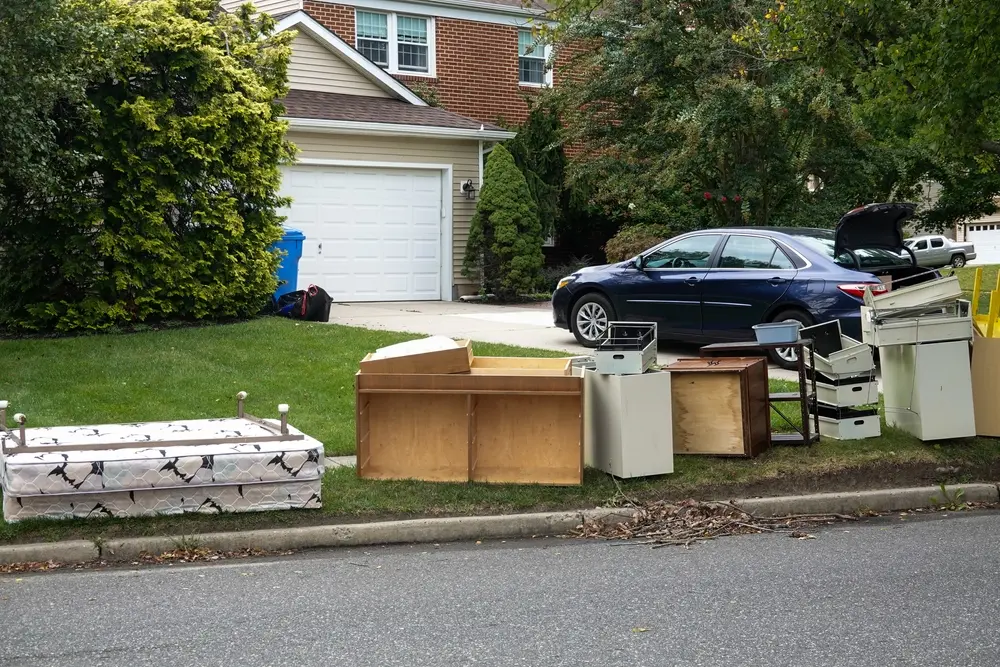
You must schedule this service in advance. You cannot simply leave a couch on the curb and hope it disappears. Once scheduled, place items curbside by 6:00 AM on your collection day. When bulky waste exceeds city pickup limits, homeowners often use Sacramento junk hauling services when furniture, appliances, or oversized items exceed city pickup limits. Note that there are strict limits on the size and quantity of items per pickup.
When to Hire Private Junk Removal
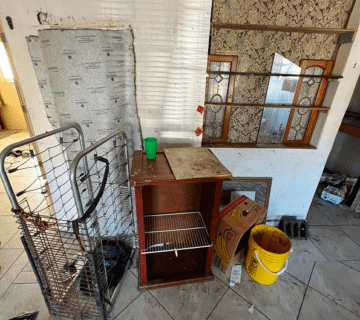
While the free city pickups are great, they have limitations. They may not take construction debris, extremely heavy items, or very large volumes of junk. If you are managing a foreclosure cleanout, a hoarding situation, or clearing a house before a remodel, a private service is often necessary. Mixed remodel debris itself goes to a licensed C&D hauler or a debris dumpster.
Private junk removal companies, such as those servicing Vacaville, offer “full-service” removal. This means they come into your home, do the heavy lifting, and haul it away. This is particularly useful for residents who cannot physically move heavy items to the curb or who have more junk than the city allowance covers.
For large projects, the convenience of having a crew handle the labor often outweighs the cost.
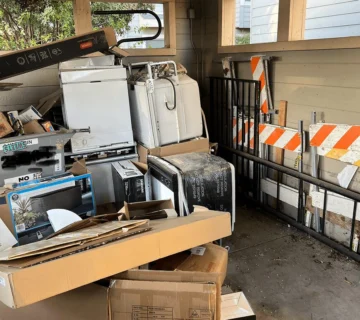
Electronic Waste (E-Waste) Regulations
E-waste is one of the fastest-growing waste streams in the world. Electronics contain valuable materials like gold, copper, and aluminum, but also toxic substances like lead and mercury. It is illegal in California to throw e-waste in the trash.
Examples of E-Waste:
- Computers, laptops, and tablets.
- Monitors and televisions (CRTs, LCDs, plasmas).
- Printers, scanners, and fax machines.
- Cell phones and landline phones.
- DVD players, VCRs, and stereos.
Disposal Options
- Curbside Bulky Pickup: As mentioned, many e-waste items can be included in your scheduled bulky item pickup.
- Drop-off Centers: The Recology facility in Vacaville accepts e-waste.
- Retailer Take-Backs: Stores like Best Buy or Staples often have recycling bins for small electronics and ink cartridges.
- Donation: If the item still works, donating it to a local charity or thrift store is the best form of recycling. It extends the product’s life and helps someone in need.
Businesses and households with large amounts of electronic waste should use certified recycling services whenever possible. Utilizing certified recyclers ensures your data is destroyed and the components are recovered responsibly.
Construction and Demolition (C&D) Debris
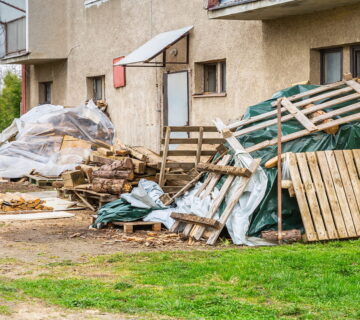
Renovating a bathroom? Replacing a fence? Construction waste is heavy, bulky, and subject to specific recycling mandates. The California Green Building Standards Code (CALGreen) requires that at least 65% of non-hazardous construction and demolition debris be diverted from landfills.
Common C&D Materials:
- Concrete, asphalt, and brick.
- Lumber and plywood.
- Drywall (gypsum board).
- Roofing shingles.
- Metal piping and wiring.
Disposal Rules:
You generally cannot put loose construction debris in your residential carts. It is too heavy and can damage the truck’s hydraulic arm.
Options for C&D Disposal:
- Debris Box Rental: For large projects, renting a dumpster (debris box) is standard. Be sure to ask about “source separation” (separating wood from concrete) which can sometimes lower your disposal costs.
- Self-Haul: You can haul debris to the landfill yourself, but be prepared for weight-based fees.
- Professional Hauling: Mixed demolition debris is a job for a licensed C&D hauler or a debris dumpster. A junk removal service like Take Care Junk can take a single-material load (metal only, concrete only, or clean wood only), but does not sort mixed construction debris.
This is especially common during older home renovation and remodeling projects.
Tips for Eco-Friendly Waste Management in Vacaville
Compliance with the rules is the baseline. To truly excel at waste management and protect our beautiful Solano County environment, consider these proactive tips.
1. Reduce and Reuse First
Recycling is great, but reduction is better.
- Buy in Bulk: Reduces packaging waste.
- Reusable Bags/Bottles: Eliminate single-use plastics.
- Repair before Replace: Can that toaster be fixed? Can that chair be reupholstered?
- Donation: Before trashing furniture or clothes, check with local charities like The Salvation Army, Goodwill, or Opportunity House.
2. Master the “Clean and Dry” Rule
Contaminated recycling is trash. A half-full jar of peanut butter can ruin a whole load of paper. Rinse your containers. They don’t need to be dishwasher clean, but they should be free of food residue.
3. Break Down Boxes
It sounds simple, but unflattened boxes take up massive amounts of space in trucks and bins. Breaking them down increases efficiency and reduces the carbon footprint of the collection trucks (they haul more material per trip).
4. Shop Smart for Disposal
When buying new appliances or furniture, ask if the retailer offers a haul-away service for the old item. Many mattress companies, for example, are required by law to offer to take back your old mattress upon delivery of a new one.
5. Educate Your Household
Make sure everyone in your home knows the rules. Put a simple chart on the fridge. If you live in a multi-family complex, advocate for clear signage in communal trash and recycling areas.
Specialized Disposal Needs
Tires
Tires are banned from landfills because they trap methane gas and can float to the surface over time. They are also breeding grounds for mosquitoes if left outside. You must take tires to a tire shop or a permitted recycling facility. They will usually charge a small environmental fee per tire.
Mattresses
California has a robust mattress recycling program called Bye Bye Mattress. Many transfer stations and landfills accept mattresses for free or a reduced fee because the components (steel, foam, wood) are highly recyclable. Never dump a mattress illegally; it is an eyesore and a burden on taxpayers.
Treated Wood Waste (TWW)
Effective 2021, treated wood (fence posts, railroad ties, pressure-treated decking) is considered hazardous waste in California. It cannot be thrown in the regular trash or burned. It must be taken to a specific landfill authorized to accept TWW. Always call ahead to the landfill to confirm they accept it and ask about specific handling requirements.
The Role of Professional Junk Removal Services
While the city’s services are robust, there are gaps.
- Speed: You might need items gone today, not on the next scheduled bulk pickup day.
- Labor: You might not be physically able to drag a refrigerator to the curb.
- Volume: You might have a whole house worth of junk that exceeds city limits.
This is where private services like junk removal in Vacaville shine, bridging the gap between municipal limits and full-service hauling. They are especially valuable for residents dealing with large cleanouts, bulky items, or tight cleanup timelines.
A good hauler also knows where things go. When a crew picks up a mixed load from your garage, it takes the load to the right facility, donating what’s usable and recycling what it can. Ask any company you hire where your load ends up.
Navigating Commercial Waste Rules
For Vacaville business owners, the rules are even stricter. Businesses managing office cleanouts or warehouse waste often depend on commercial junk removal services to handle large volumes efficiently. Under mandatory commercial recycling laws (AB 341) and organics recycling laws (AB 1826 and SB 1383), most businesses must subscribe to recycling and organics collection services.
Business Responsibilities:
- Education: You must educate employees and tenants annually on how to sort waste.
- Access: You must provide adequate recycling and organic bins for customers and staff.
- Monitoring: You are responsible for ensuring bins are not contaminated.
Failure to comply can result in fines. Many businesses find that by auditing their waste stream and increasing recycling, they can actually lower their garbage bill, as recycling service is often cheaper than trash service. Businesses that regularly review and sort their waste streams can often reduce disposal costs over time.
Illegal Dumping: A Community Problem
Illegal dumping is the unlawful disposal of waste in unauthorized areas—roadsides, empty lots, or public parks. It blights the landscape, lowers property values, and harms wildlife.
The Consequences:
- Fines: Vacaville and Solano County impose steep fines for illegal dumping.
- Prosecution: Serious offenders can face misdemeanor charges.
- Vehicle Impoundment: In some cases, the vehicle used to dump the waste can be seized.
If you see illegal dumping, report it to local authorities. If you have too much trash, do the right thing: hire a licensed hauler or take it to the dump. The cost of disposal is a fraction of the cost of a legal battle.
Local Disposal Facilities and Resources
Here is a quick reference for key facilities available to Vacaville residents:
- Recology Vacaville Solano: The primary provider for residential and commercial collection. Contact them for missed pickups, bin replacements, or billing questions.
- Recology Hay Road Landfill: Located near Vacaville, this is a major disposal site for self-haulers. They accept general refuse, green waste, and construction debris.
- Solano County HHW Facility: The go-to spot for chemicals, paint, and batteries.
Always check operating hours and current fees before driving to a facility.
Conclusion: A Cleaner Vacaville Starts With You
Waste management might not be the most glamorous topic, but it is the foundation of a healthy, functioning city. By understanding what goes in which bin, how to handle hazardous materials, and when to call in the pros, you are playing a vital role in preserving Vacaville’s charm.
Responsible waste disposal is a shared community responsibility. Whether you are relying on the weekly three-bin system or hiring a professional team for a major cleanout, hiring a professional team with transparent junk removal pricing helps you plan ahead when city limits aren’t enough. Make use of the resources available, follow the guidelines, and help keep Vacaville clean, green, and beautiful for generations to come. Professional removal services can also simplify large cleanouts when city disposal limits are no longer practical.