Living in Folsom means enjoying a beautiful, well-maintained community. Keeping it that way is a shared responsibility that starts with how each resident and business manages their waste. From regular household trash to bulky junk items, understanding the local disposal regulations is crucial. When large cleanouts exceed what the city collects, many residents eventually need additional disposal help for bulky items or large cleanup projects. It not only ensures you avoid potential fines but also plays a vital role in protecting our local environment, keeping property values high, and maintaining the quality of life we all appreciate.
However, navigating the rules for waste and junk disposal can be confusing. What goes in the black bin versus the green bin? How do you properly get rid of an old television or a worn-out mattress? What are the regulations for construction debris? This comprehensive guide will walk you through the essential Folsom waste and junk disposal regulations, providing clear answers and actionable advice for responsible waste management.
For situations that go beyond what the city collects, professional hauling services can also help with larger or more complicated cleanup projects.
The Foundation of Folsom’s Waste Management System
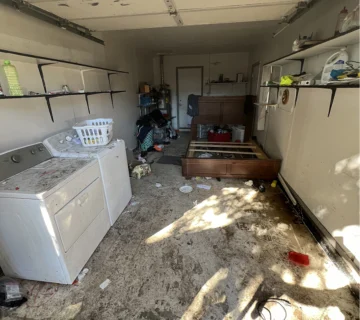
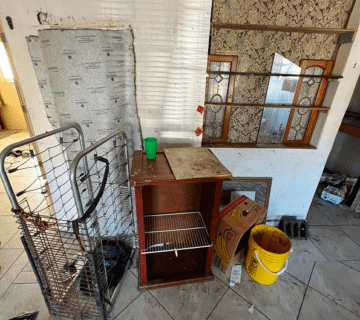
The City of Folsom has a structured waste management program designed to make disposal as straightforward as possible while maximizing recycling and green waste diversion. The system is primarily managed through a residential three-bin program and specific guidelines for commercial properties. Understanding this foundation is the first step for any resident. However, when households begin clearing garages or entire homes, residential junk removal services are often used to remove larger volumes of unwanted items.
The Three-Bin System for Residential Curbside Collection
For single-family homes, the city provides three distinct carts, each serving a specific purpose. Using these bins correctly is the most significant contribution you can make to Folsom’s recycling and waste reduction goals.
- Black Cart (Garbage): This cart is exclusively for non-recyclable, non-hazardous household trash. These are items that cannot be recycled or composted and are destined for the landfill.
- Acceptable Items: Plastic bags, Styrofoam, broken glass (safely wrapped), chip bags, pet waste, and mixed-material packaging.
- Prohibited Items: Hazardous waste, electronics, batteries, construction debris, hot ashes, and dirt.
- Blue Cart (Recycling): This cart is for clean recyclables. It’s essential that items placed in the blue cart are empty, clean, and dry to prevent contamination of the entire batch.
- Acceptable Items: Paper, cardboard, mail, magazines, plastic bottles and jugs (#1 & #2), glass bottles and jars, and metal cans (aluminum, tin, steel).
- Prohibited Items: Food-soiled containers (like greasy pizza boxes), plastic bags, Styrofoam, electronics, and yard waste.
- Green Cart (Organics/Green Waste): This cart is for organic materials that can be composted. This program is critical for diverting a significant portion of waste from landfills, where organic matter produces harmful methane gas.
- Acceptable Items: Yard trimmings (grass, leaves, small branches), food scraps (including meat, dairy, and bones), and food-soiled paper (like paper towels and coffee filters).
- Prohibited Items: Plastic bags, pet waste, dirt, rocks, and treated wood.
Proper sorting is not just a suggestion; it’s a requirement. Contaminated bins can be rejected for pickup, and repeated violations may lead to fines. Proper sorting is an important part of keeping recycling and organics programs effective.
Free Bulky Waste & E-Waste Drop-Off Events
To help residents dispose of items that don’t fit in the curbside carts, Folsom periodically hosts free drop-off events. These are excellent opportunities to get rid of bulky items and electronic waste responsibly. Residents should check the official City of Folsom website or local communications for dates, times, and locations of these events. Accepted items typically include furniture, appliances, and e-waste, but it’s important to confirm the specifics for each event as rules can change. When residents have larger piles of unwanted items, many residents schedule professional junk hauling services to remove furniture, appliances, and other bulky debris in a single visit.
Navigating the Rules for Special and Hazardous Waste
Many common household and project-related items cannot be placed in your regular trash bins. These materials are often hazardous or require special handling to prevent environmental contamination and ensure public safety. Disposing of them correctly is a legal requirement.
Household Hazardous Waste (HHW)
Household Hazardous Waste includes any product labeled with “Danger,” “Warning,” “Poison,” or “Caution.” These items contain chemicals that can be harmful to people, animals, and the ecosystem if they end up in a landfill.
Common HHW includes:
- Automotive Products: Used motor oil, antifreeze, car batteries.
- Paints and Solvents: Oil-based paints, thinners, stains, and varnishes.
- Cleaning Products: Bleach, oven cleaners, drain openers, and ammonia-based products.
- Pesticides and Herbicides: Weed killers, insect sprays, and rodent poison.
- Other Items: Fluorescent light bulbs, mercury thermostats, and pool chemicals.
Proper Disposal of HHW:
These items must be taken to a designated HHW collection facility. Folsom residents can use the Sacramento County HHW facility. Proof of residency is typically required. Never pour HHW down the drain, onto the ground, or place it in your curbside carts. Hazardous waste regulations are generally consistent throughout California.
Electronic Waste (E-Waste)
E-waste is one of the fastest-growing waste streams and is illegal to dispose of in the trash in California. Electronics contain heavy metals like lead, mercury, and cadmium, which can leach into the soil and groundwater from landfills.
Common E-waste includes:
- Televisions (CRT, LED, Plasma)
- Computers, laptops, and monitors
- Printers, keyboards, and mice
- Cell phones and tablets
- DVD players and VCRs
Proper Disposal of E-Waste:
Folsom residents have several options for e-waste disposal:
- City Drop-Off Events: Take advantage of the free e-waste collection events hosted by the city.
- Certified E-Waste Recyclers: Numerous certified facilities in the greater Sacramento area accept e-waste, sometimes for free.
- Retailer Take-Back Programs: Some electronics retailers offer recycling programs for old devices when you purchase a new one.
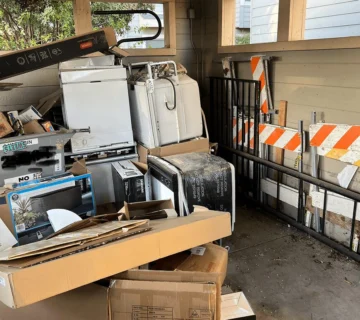
- Professional Junk Removal: A junk removal service can take a few electronics, such as an old big-screen TV, alongside a regular pickup and drop them at an e-waste recycler. For a large volume of electronics, use one of the options above.
Universal Waste (U-Waste)
Universal Waste is a category of hazardous waste that includes commonly generated items. The regulations for U-Waste are less stringent than for other HHW, but they still cannot go in the trash.
Common U-Waste includes:
- Batteries: All types, including AA, AAA, C, D, button cell, and rechargeable batteries.
- Fluorescent Tubes and Bulbs: Including compact fluorescent lamps (CFLs).
- Mercury-Containing Devices: Thermostats, switches, and thermometers.
Proper Disposal of U-Waste:
Many retailers that sell these items, such as hardware and home improvement stores, have free drop-off bins for batteries and fluorescent bulbs. They can also be taken to the HHW facility.
Regulations for Bulky Items and Construction Debris
Large items from home cleanouts and materials from renovation projects present unique disposal challenges and are strictly regulated.
Disposal of Bulky Items
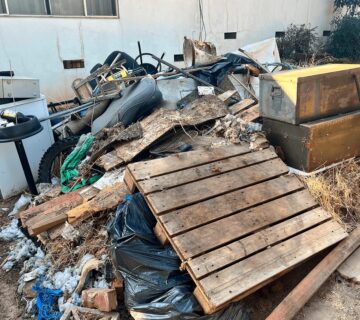
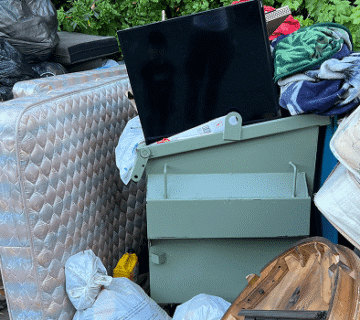
Bulky items are simply too large to fit in your residential carts. This category includes things like furniture, appliances, mattresses, and large carpets. For urgent cleanouts, same-day junk removal services can help remove oversized items without waiting for city drop-off events.
- Furniture: Sofas, chairs, tables, desks.
- Appliances: Refrigerators, stoves, washers, dryers, and water heaters. Note that appliances containing Freon (refrigerators, freezers, A/C units) require special handling and may incur extra fees.
- Mattresses and Box Springs: These are difficult for landfills to manage and are often recycled.
Disposal Options for Bulky Items:
- City Drop-Off Events: As mentioned, these events are a primary option for residents.
- Donation: If items are still in good, usable condition, consider donating them to a local charity. Many organizations in the Sacramento area offer pickup services for large furniture.
- Professional Junk Removal: This is the most efficient method for disposing of multiple bulky items. A junk hauling crew will do all the heavy lifting, load the items, and ensure they are taken to the appropriate recycling, donation, or disposal facility. This is especially helpful for homeowners dealing with multiple bulky items or difficult hauling situations.
Construction and Demolition (C&D) Debris
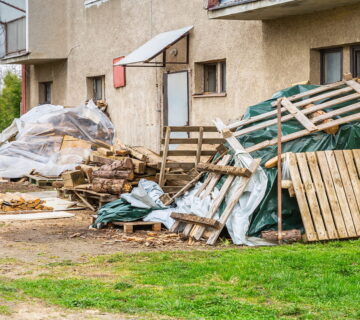
Whether you’re a DIY enthusiast or a contractor, managing waste from a renovation project in Folsom requires adherence to specific rules. C&D materials are heavy, bulky, and cannot be placed in your residential carts. Businesses often rely on commercial junk removal services for furniture, equipment, and large property cleanouts, but mixed renovation debris needs a licensed C&D hauler or a debris dumpster.
Common C&D Debris includes:
- Wood and lumber
- Drywall
- Concrete, brick, and asphalt
- Roofing materials
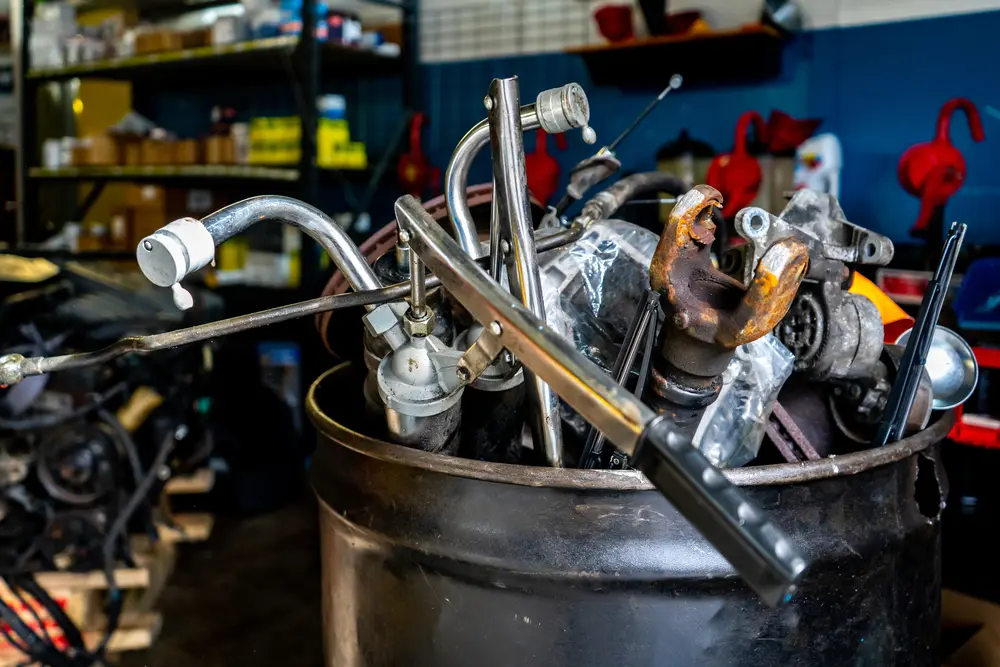
- Pipes and metals
- Carpet and flooring
Disposal Regulations and Options for C&D Debris:
Folsom, like many California cities, has ordinances aimed at diverting C&D materials from landfills. Many of these materials, such as clean wood, metal, and concrete, are highly recyclable.
- Dumpster Rental: For large, ongoing projects, renting a dumpster is a common solution. You are responsible for loading the debris yourself. Be sure to check with the City of Folsom regarding permits for placing a dumpster on a public street.
- Self-Hauling: You can load the debris into a truck and haul it to a C&D recycling facility or a transfer station. Be aware that these facilities charge by weight, and heavy materials can result in significant “tipping fees.”
- Professional Junk Hauling: Mixed demolition debris is a job for a licensed C&D hauler or a debris dumpster. A junk removal service like Take Care Junk can take a single-material load (metal only, concrete only, or clean wood only), plus the old cabinets, fixtures, appliances, and rolled carpet a remodel turns up. See construction debris: what we take.
Illegal Dumping: A Costly Mistake
Illegal dumping is the act of leaving waste in an unauthorized location. This includes abandoning furniture on a sidewalk, tossing bags of trash in a commercial dumpster, or leaving debris in a vacant lot or natural area.
In Folsom, illegal dumping is a serious offense that carries stiff penalties, including substantial fines and potential criminal charges. It is an eyesore that lowers property values, poses health and safety risks, and costs taxpayers money for cleanup. If you see illegal dumping in progress, report it to the proper city authorities.
The most common reason people dump illegally is to avoid disposal fees. However, when you consider the legal and financial risks, it is never worth it. Using legal disposal programs or licensed hauling services is always the safer and more responsible option.
The Role of Professional Junk Removal
Navigating the web of waste disposal regulations can feel overwhelming. A professional, licensed, and insured junk removal company can simplify much of the process for household junk and bulky items.
How a Professional Service Helps
- Expertise: They know exactly what can be recycled, what must be taken to a special facility, and what can be donated.
- Efficiency: They have the right equipment and trained personnel to remove everything from a single mattress to an entire house full of junk safely and quickly.
- Proper Disposal: A reputable company takes each load to the right facility, donating what’s usable and recycling what it can.
- Know the Limits: A junk removal crew does not handle hazardous waste or mixed construction debris, and Take Care Junk does not provide recycling-rate documentation for C&D ordinances. For a permitted project, use a licensed C&D hauler or a debris dumpster.
Professional hauling services can help ensure unwanted items are handled legally, safely, and responsibly. This expertise is the key to a truly clean and clutter-free property in Folsom.