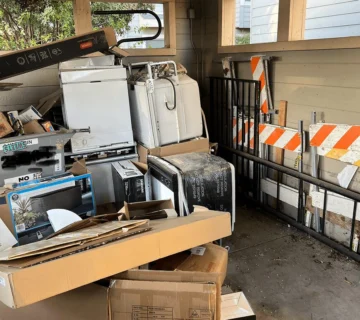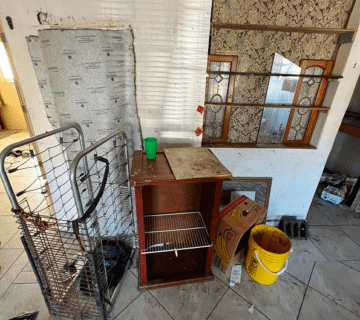

The idea of decluttering your entire home can feel like standing at the base of a mountain. It’s a massive, intimidating undertaking that often leads to paralysis. Where do you even begin? For many homeowners, the sheer scale of the project is enough to make them put it off indefinitely. But what if you could conquer that mountain one small, manageable step at a time? A year-long approach breaks down the overwhelming task into a series of achievable monthly goals, turning a sprint into a sustainable marathon.
A long-term approach makes decluttering more manageable. Breaking the process into monthly focus areas allows you to stay consistent, make steady progress, and avoid the burnout that comes with trying to do everything at once.
Why a 12-Month Plan Works
The “all at once” approach to decluttering often fails. It requires huge blocks of time, immense physical energy, and intense decision-making that most people simply can’t sustain. A year-long plan, however, is built for real life.
- Prevents Burnout: Focusing on one small area each month makes the process feel less daunting. You can dedicate a few hours over a weekend or 15-20 minutes each day to your monthly goal without disrupting your entire life.
- Builds Lasting Habits: Slow and steady progress allows you to develop new habits around organization and conscious consumption. This isn’t just about clearing out clutter; it’s about changing your relationship with your belongings for the long term.
- Aligns with the Seasons: The plan is structured to align with natural seasonal rhythms. You’ll tackle outdoor spaces in warmer months and cozy indoor areas during the winter, making the tasks more logical and timely.
- Delivers Visible Progress: Completing each month’s task provides a sense of accomplishment that fuels motivation for the next. Seeing a closet, room, or even a drawer become organized provides the positive reinforcement needed to keep going.
Before you begin, establish your sorting system. The classic four-box method is perfect for this year-long project. For each monthly task, you’ll need bins or boxes labeled: Keep, Relocate, Donate/Sell, and Junk. This simple system ensures you make a clear decision about every item you touch.
Your Month-by-Month Decluttering Guide
Let’s begin the journey. This is a long-term process, not something to rush. Be patient and celebrate each small victory along the way.
Month 1: The Entryway and Coat Closet
The Goal: Create a welcoming and functional first impression for your home.
The entryway is the first space you see when you arrive and the last you see when you leave. Clutter here sets a stressful tone for the entire house.
- Clear All Surfaces: Remove everything from entryway tables, benches, and floors. These areas are magnets for mail, keys, loose change, and items that are just passing through.
- Sort the Coat Closet: Take everything out. Try on every coat, jacket, and pair of shoes. If an item is worn out, no longer fits, or hasn’t been worn in the last year, it’s time for it to go.
- Organize Accessories: Go through winter hats, scarves, and gloves. Keep only what you use and love. Use bins or baskets to contain these items neatly on a shelf.
- Establish a System: Create a “home” for everything. Install hooks for keys, a tray for mail, and a basket for shoes. The goal is to make it easy to put things where they belong, preventing future clutter. Your junk box may fill up with old, broken shoes, worn-out jackets, and random odds and ends.
Month 2: The Kitchen – Counters and Pantry
The Goal: Streamline the heart of your home for efficiency and enjoyment.
A cluttered kitchen makes cooking a chore. This month, we focus on the most-used zones to make an immediate impact on your daily routine.
- Conquer the Countertops: The only items that should live on your counters are those used daily (e.g., coffee maker, knife block). Everything else needs a designated home in a cabinet or drawer. This single step will make your kitchen feel twice as large and infinitely cleaner.
- Purge the Pantry: Empty the pantry completely. Dispose of all expired food items. Group like items together: canned goods, grains, pastas, snacks. This helps you see what you have and avoid buying duplicates.
- Declutter the Refrigerator and Freezer: Do a full cleanout. Throw away old leftovers and expired condiments. Wipe down all shelves and drawers. This is a task that many homeowners often find satisfying, as it leads to less food waste and easier meal planning.
Month 3: The Kitchen – Cabinets and Drawers
The Goal: Organize the hidden spaces to make finding and using your tools effortless.
Now that the visible surfaces are clear, it’s time to dive into the storage.
- Tackle One Cabinet at a Time: Don’t pull everything out at once. Focus on one cabinet or drawer per session.
- Assess Your Cookware: How many pots and pans do you really need? Do you have duplicates? Keep your best-quality, most-used items and let the rest go.
- Simplify Dishes and Glassware: Be realistic about how many plates, bowls, and mugs your family uses. Keep a reasonable number and donate the excess.
- The Utensil Drawer: Dump it out. Get rid of broken or redundant gadgets. Do you really need three vegetable peelers and five wooden spoons? Keep the best, junk the rest. By the end of this month, your kitchen junk box might contain old appliances, chipped mugs, and worn-out utensils.
Month 4: The Living Room and Family Room
The Goal: Create a relaxing, inviting space for family and guests.
These rooms are for living, not for storage. The focus here is on comfort and connection.
- Declutter Surfaces: Clear off coffee tables, end tables, and bookshelves. Be intentional with decor. Keep a few cherished items and store or donate the rest.
- Cull the Media Collection: In the age of digital streaming, physical media can be a huge source of clutter. Go through your collection of DVDs, CDs, and video games. Keep sentimental favorites, but consider donating the bulk of them. Old, non-working electronics like VCRs or old gaming consoles are perfect candidates for a junk removal service.
- Sort Through Toys and Games: If you have children, involve them in the process. Create a designated toy storage area and get rid of broken toys or games with missing pieces.
- Assess the Furniture: Is the room overcrowded with furniture? Sometimes removing one bulky, unused chair can make the entire space feel more open and functional.
Month 5: The Master Bedroom and Closet
The Goal: Transform your bedroom into a true sanctuary for rest and rejuvenation.
Your bedroom should be the most peaceful room in your home. Clutter is the enemy of calm.
- The Nightstand: Clear everything off. Your nightstand should hold only essentials: a lamp, your current book, a glass of water, and perhaps a charging station. It is not a storage area for old mail or random receipts.
- Clothing Purge – The Main Event: This is a big one. Break it down by category: shirts, pants, dresses, etc. Pull everything from one category out of the closet. Try items on. Be honest. If it doesn’t fit, is uncomfortable, or you just don’t feel good in it, it’s time for it to go.
- The Hanger Trick Revisited: A great way to see what you actually wear is to turn all your hangers backward. As you wear an item, return it with the hanger facing the correct way. After six months, you’ll have a clear visual of the clothes you never reach for.
- Shoes and Accessories: Go through your shoes, handbags, belts, and jewelry. Repair what is broken, donate what you no longer use, and organize what you keep.
Month 6: The Bathrooms and Linen Closet
The Goal: Create a clean, functional, and spa-like bathroom environment.
Bathrooms are small but can harbor a surprising amount of clutter.
- The Medicine Cabinet: Empty it completely. Safely dispose of expired medications and prescriptions. Get rid of old makeup, half-used lotions, and product samples you’ll never use.
- Under the Sink: Pull everything out, wipe down the area, and only put back the cleaning supplies and backup toiletries you actually use.
- The Linen Closet: How many towels do you own? A good rule of thumb is two sets per person. Donate old, frayed, or mismatched towels and sheet sets. Homeowners in active communities find that simplifying linens makes laundry day much easier.
- Shower and Tub: Minimize the bottles. Use up those nearly empty containers or toss them. A caddy can keep your daily-use items neat and tidy.
The Halfway Point: Time for a Major Purge
You are now six months into your decluttering journey. By this point, you have likely accumulated a significant pile of junk, from old clothes and broken gadgets to larger items you’ve decided to replace. This is the perfect time to bring in professional help. Instead of letting those bags and boxes sit in your garage for another six months, schedule a pickup.
A professional junk removal service makes this step effortless. We can come to your home and remove everything you’ve collected so far. It’s a powerful motivator to see half a year’s worth of clutter disappear in an instant, giving you a clean slate and renewed energy for the second half of your plan.
Month 7: Kids’ Rooms and Playrooms
The Goal: Reclaim order in the most dynamic and often chaotic spaces in the house.
This month requires teamwork. Involve your children in the process to teach them valuable organization skills.
- Sort Toys Together: Help your children sort through their toys. Create categories: building blocks, dolls, art supplies, etc. Use bins for easy cleanup.
- Let Go of Outgrown Items: Children grow quickly. Go through their clothes, books, and toys, and set aside anything they have outgrown. Donate items in good condition.
- Create Zones: Designate specific zones in the room for different activities: a reading nook, an art corner, a play area. This helps contain the mess and makes cleanup more intuitive.
Month 8: The Home Office and Paperwork
The Goal: Create a productive and organized workspace and conquer the paper piles.
Paper clutter can be one of the most overwhelming types. This month, we tackle it head-on.
- Declutter Your Desk: Clear the surface of your desk. Only your computer, a lamp, and essential tools should remain.
- Tackle the Paper Piles: Create a system. You’ll need a file box, a shredder, and a recycling bin. Sort every piece of paper. Categories should include: Action (bills to pay), File (important documents), and Recycle/Shred.
- Go Digital: Scan important documents you don’t need a hard copy of, like old records or sentimental papers. Sign up for paperless billing and statements wherever possible. Many professionals find that a streamlined digital system boosts their productivity.
- Sort Supplies: Go through pens, notebooks, and other office supplies. Discard what doesn’t work and donate a surplus.
Month 9: The Garage – Part 1 (The Perimeter and Shelves)
The Goal: Begin to reclaim your garage for its intended purpose—parking cars.
The garage is often the final resting place for everything that doesn’t have a home inside. We’re splitting this into a two-month task.
- Focus on the Walls: Start by clearing off all shelves, workbenches, and storage units along the perimeter. Empty one section at a time.
- Sort into Categories: Group like items: tools, gardening supplies, sports equipment, holiday decorations.
- Be Ruthless: Garages accumulate junk like nothing else. Broken tools, old paint cans (check local disposal rules), and projects you’ll never finish need to go. Clearing out the garage means more space for bikes and outdoor gear.
- Install Smart Storage: Use the wall space. Install pegboards for tools, sturdy shelving for bins, and overhead racks for seasonal items.
Month 10: The Garage – Part 2 (The Center and Large Items)
The Goal: Clear the floor and make space for your vehicles.
With the perimeter clear, it’s time to tackle the big stuff in the middle.
- Address Large Items: This is where you evaluate the old lawnmower, the broken exercise equipment, the boxes you haven’t opened since you moved. Make firm decisions.
- Create Parking Space: The ultimate goal is to fit your car(s) in the garage. Clear a path and then the entire floor space. Sweep it clean for a fresh start.
- The Big Junk Pile: This month will likely generate your largest junk pile, full of bulky and heavy items. Moving an old freezer or a stack of rotted wood is not a simple task. This is an ideal time to call for a junk removal service. Professionals can safely remove these items for you.
Month 11: Storage Areas (Attic, Basement, Shed)
The Goal: Clear out the dark corners and forgotten spaces.
These are the “out of sight, out of mind” areas where things go to be forgotten.
- Work Safely: Attics and basements can be dusty and poorly lit. Wear a mask, use good lighting, and be careful.
- Empty and Sort: Just like the other rooms, work in small, manageable sections. Pull everything out, sort it, and clean the space before putting keepers back.
- Challenge “Sentimental” Items: We often hold onto things for sentimental reasons. Take a picture of the item and ask yourself if the memory is enough. Keep only the most precious heirlooms.
- Check for Damage: Look for signs of pests or water damage. Discard any items that have been ruined. Old, musty furniture from a basement or a shed is best handled by a junk removal team.
Month 12: Final Sweep and Digital Declutter
The Goal: Handle the last remaining details and extend the decluttering mindset to your digital life.
You’ve made it! This last month is about finishing touches and future-proofing your organized home.
- The “Relocate” Box: Go through the “Relocate” boxes you’ve been setting aside all year and find a permanent home for every item.
- Digital Declutter: Clean up your computer’s desktop, organize files into folders, and delete old, unnecessary documents. Unsubscribe from junk email lists. Delete apps you no longer use from your phone. This is a task that university community members might find especially freeing.
- The Final Junk Removal: You will have one last collection of junk from the final month’s work and anything you’ve found during your sweep. Celebrate your year of hard work with one final, satisfying pickup. A professional team can whisk away the last of your unwanted items.
Life After Decluttering: Maintaining Your Hard Work
Congratulations! You have systematically worked through your entire home. The key now is maintenance. Integrate the “one in, one out” rule into your life. Be a conscious consumer, thinking carefully before bringing new items into your home. Schedule a 15-minute tidying session each week to keep things in order.
Throughout this year-long journey, remember that you don’t have to handle the final disposal step alone. At any point—whether it’s the six-month mark, the big garage cleanout, or the final sweep—professional junk removal is your most powerful tool. It’s the convenient, efficient way to get rid of the clutter for good, allowing you to immediately enjoy the fruits of your labor.
You’ve invested a year in creating a home you love. Let us help you with the final step. If you need help removing unwanted items along the way, professional junk removal can handle the process efficiently. We’re ready to haul it away so you can start fresh.