

The sofa is on the driveway, the bulky pickup through Republic Services is a week out, and someone on the neighborhood thread swears you can just leave it at the curb overnight. You cannot. In Citrus Heights that is illegal dumping, and the fine can run into the thousands. Most residents are not trying to break the rules; they just do not know what goes in which cart, who takes a broken TV, or where the yard waste from a big weekend project is supposed to end up.
This guide answers those questions. It covers the three-cart curbside program, the disposal rules for bulky items, hazardous waste, e-waste and construction debris, what illegal dumping costs, and when professional hauling services are the sensible option because a cleanup is bigger than the carts.
Understanding Your Curbside Collection Service
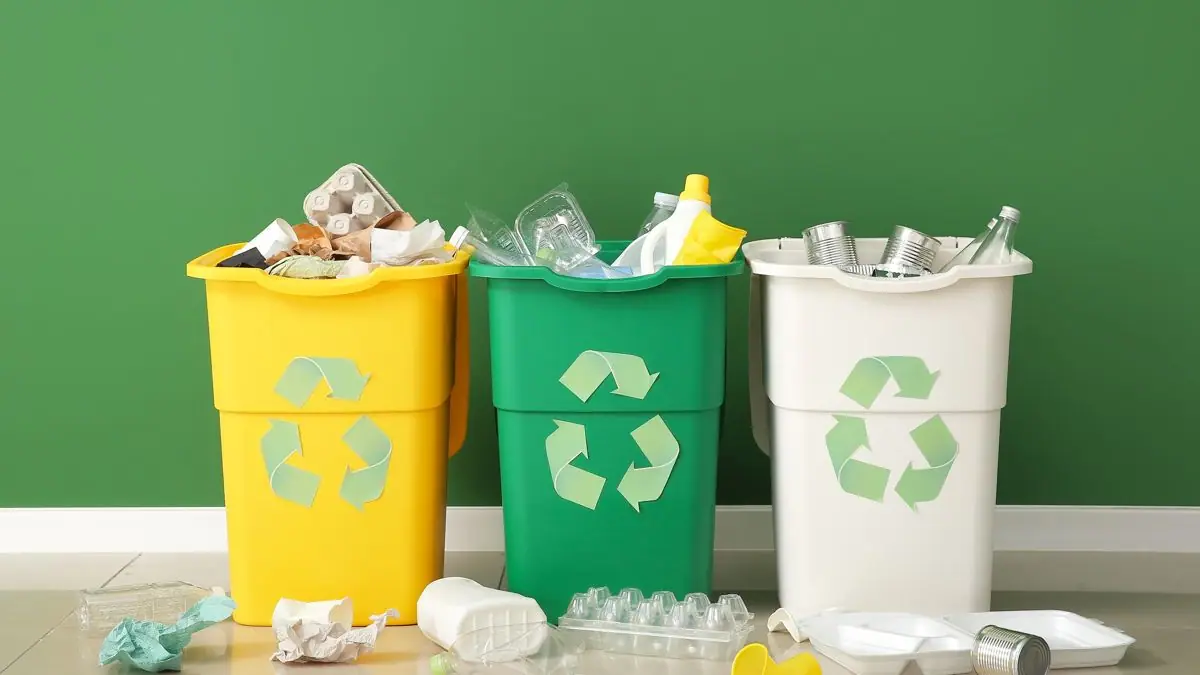
The City of Citrus Heights contracts with Republic Services for a three-cart system: garbage, recycling and organic waste. Each cart takes specific materials, and the sorting is what makes the program work. When a household has more than the carts can hold, residential junk removal services are the simple way to clear the overflow; many residents turn to professional hauling services when a project exceeds the local pickup limits.
The Garbage Cart (Gray Lid)
Regular household trash that cannot be recycled or composted, bound for the landfill.
- What belongs here: plastic bags, foam packaging (Styrofoam), chip bags, diapers, pet waste, broken dishes, and food-soiled paper that is not suitable for the organics bin.
- What to keep out: recyclables (plastic bottles, cans, paper, cardboard), organic waste (yard trimmings, food scraps), household hazardous waste (paint, batteries, chemicals), electronics and construction debris.
- Best practices: bag your trash before it goes in. The lid has to close completely to prevent spills and keep animals out, and an overfilled cart may not be serviced.
The Recycling Cart (Blue Lid)
Clean, dry recyclables only. Recycling conserves resources, saves energy and keeps material out of the landfill, but one wrong item can spoil the batch.
- What belongs here: clean paper and mail, flattened cardboard, glass bottles and jars, aluminum and steel cans, and plastic bottles and containers (look for the numbers #1 to #7).
- What to keep out: food waste, plastic bags (they jam the sorting machinery), Styrofoam, yard waste and electronics. Tossing in non-recyclables and hoping, often called “wish-cycling,” can ruin an entire batch of good recyclables.
- Best practices: lightly rinse food containers. No need to scrub, just no significant residue. Flatten boxes; they take up far less room in the cart.
The Organics Cart (Green Lid)
Yard trimmings and food scraps, which become compost and keep a large share of waste out of the landfill.
- What belongs here: grass clippings, leaves, small branches cut to fit, flowers, weeds, and food scraps such as fruit and vegetable peels, coffee grounds, eggshells and leftover grains.
- What to keep out: palm fronds, pet waste, dirt, rocks, plastic bags of any kind (including ones labeled “compostable” or “biodegradable”), and greasy or oily food.
- Best practices: put organics in loose, never in plastic bags. Line the bottom with newspaper or a paper bag to keep the cart cleaner.
The Problem of Illegal Dumping
Illegal dumping ranges from a bag of trash left in a park to a sofa abandoned on a dead-end street or construction debris tipped on a vacant lot. Citrus Heights and Sacramento County treat it as a serious offense with real legal and financial consequences. Using the approved programs, or licensed hauling services, is how you stay clear of it.
What Qualifies as Illegal Dumping?
Any disposal outside the approved channels, including:
- Leaving any trash, furniture or appliances on public or private property without permission.
- Placing household trash in a commercial dumpster (that is theft of service).
- Abandoning a mattress or sofa at the curb without scheduling a proper bulky item pickup.
- Dumping yard waste or construction materials in open spaces, creeks or along roadways.
- Pouring hazardous waste like oil, paint or chemicals down a storm drain or onto the ground.
Each of these creates a public health hazard, harms wildlife and the environment, and drags down property values. The City and County spend considerable taxpayer money every year cleaning up what people dump.
Penalties for Improper Disposal
- Substantial fines: hundreds or even thousands of dollars, depending on the volume and type of waste.
- Criminal charges: illegal dumping is a misdemeanor, punishable by fines and possible jail time. Large-scale or commercial dumping can be prosecuted as a felony.
- Cleanup liability: on top of the fine, the responsible party pays the full cost of cleanup and site restoration.
- Vehicle seizure: the vehicle used to haul and dump the waste can be impounded, with the owner responsible for every fee.
If you see dumping in progress, do not confront anyone. Safely note the location, time, vehicle description, license plate and what was dumped, and report it to the Citrus Heights Police Department or through the City’s online reporting system.
How to Handle Items That Don’t Belong in Your Carts
The three carts handle daily waste. Plenty of common items need another route, and following the right junk disposal regulations for each one is the whole job.
Bulky Items: Furniture, Appliances, and More
You cannot leave a couch or a refrigerator at the curb; that counts as illegal dumping. Citrus Heights residents have three good options, from free-but-slow to fast-and-paid. Many book same-day junk removal service or professional furniture removal services when an oversized item has to go quickly.
City-Provided Bulky Waste Pickup
Through its contract with Republic Services, the City of Citrus Heights provides residents with free bulky waste pickups.
- How it works: schedule an appointment in advance with Republic Services. They give you a specific date, and items go at the curb the evening before.
- What’s accepted: furniture (sofas, chairs, tables), mattresses, large appliances (refrigerators, stoves, washers) and bundled branches.
- Limitations: there are limits on the number of appointments per year and the total volume per pickup. Check with Republic Services for the specific rules and the list of items they will not take (construction debris and hazardous waste, for a start).
Professional Junk Removal Services
When you have more than the city program allows, need a specific day, or have items that take real labor, a professional junk removal company is the faster, more flexible route.
- What you get: a crew arrives, gives an upfront price, then does all the lifting, loading and hauling from anywhere on the property. No truck rental, no line at the dump, no risk of injury. A licensed hauling company takes each load to the right facility under local regulations, with donation and recycling whenever possible.
- When to use it: estate cleanouts, garage cleanouts, clearing a house before a renovation, or any time the junk needs to be gone this week.
Self-Hauling to a Disposal Facility
If you have a truck and the time, you can haul bulky items to a transfer station or landfill yourself.
- Local facilities: the Sacramento Recycling and Transfer Station (operated by Republic Services) and the Kiefer Landfill (operated by Sacramento County). Check hours, accepted materials and fees before you go.
- Important rule: the load must be securely covered with a tarp while driving. It is a legal requirement to keep debris from flying out, and an unsecured load gets you a fine.
Household Hazardous Waste (HHW)
Anything toxic, flammable, corrosive or reactive. These items are illegal in every curbside cart and down every drain, because they contaminate groundwater and harm the environment.
- Common HHW items: paint, pesticides, solvents, cleaning chemicals, motor oil, antifreeze, car batteries and fluorescent light bulbs.
- Disposal options: Sacramento County provides free HHW drop-off for residents at its permanent facilities at the North Area Recovery Station and the Kiefer Landfill, plus periodic one-day collection events in various communities. The Sacramento County Waste Management website lists facility hours and a full list of accepted materials.
E-Waste (Electronic Waste)
It is illegal in California to put electronic waste in the trash. E-waste contains heavy metals and toxic materials that do harm in a landfill.
- What counts as e-waste: televisions, computers, monitors, printers, cell phones, tablets, and basically anything with a cord or a circuit board.
- Proper disposal:
- HHW facilities: most e-waste can be dropped off for free at the county’s HHW facilities.
- Retailer programs: some electronics retailers take back old devices, especially when you buy a new one.
- Junk removal companies: we can take a few electronics alongside a regular pickup and drop them at an e-waste recycler. For a large volume, go to an e-waste recycler directly.
Construction and Demolition (C&D) Debris
Wood, drywall, concrete, roofing, dirt and rock from a home improvement or landscaping project are not allowed in residential carts. Property managers often rely on commercial junk removal services when preparing a property for new tenants.
- Small projects: a very small amount of C&D debris can be self-hauled to a transfer station.
- Large projects: two main options:
- Dumpster rental: a roll-off dumpster you fill at your own pace, ideal for heavy debris over several days.
- Junk removal service: we do not take mixed remodel debris or drywall. We can haul the old cabinets, appliances, fixtures and rolled carpet a remodel turns up, or a single-material load such as metal only, concrete only or clean wood only. For mixed debris, use a dumpster or a licensed C&D hauler. See construction debris: what we take.
The Value of Hiring a Professional Junk Hauling Service
The Citrus Heights waste disposal rules get complicated fast once an item does not fit a cart, and professional hauling services are the one-call way to handle it legally. A good crew knows which facility takes which material and delivers each load to the right one. We donate what is usable and recycle what we can.
The other half is time. A weekend of renting a truck, loading, and waiting in the line at the dump becomes a couple of hours with a crew that brings the truck and the muscle. Choose a licensed and insured company and the whole project gets done safely and within local regulations.
Your Role in a Cleaner Citrus Heights
Following the junk disposal regulations above is most of what keeps Citrus Heights a clean, attractive place to live. The short version:
- Master the three carts. Gray, blue and green, sorted correctly, is the most useful daily habit there is.
- Never dump illegally. The penalties and the environmental harm are both severe. Use an approved method every time.
- Have a plan for special items. For bulky items, hazardous waste and e-waste, use the free city and county programs, or licensed hauling services for the bigger cleanups.
- When in doubt, look it up. The City of Citrus Heights, Republic Services and Sacramento County websites answer the specific questions.
Handle your own waste the right way and the city stays the kind of place people want to call home.


