Living in a clean and beautiful community like Carmichael is a point of pride for its residents. A key part of maintaining this environment is understanding and following local waste disposal and dumping regulations. Improperly discarded junk not only creates an eyesore but can also lead to significant environmental damage and hefty fines. Many residents may not be fully aware of the specific rules governing what they can and cannot throw away, where different types of waste should go, and the legal consequences of illegal dumping.
This comprehensive guide is designed to provide Carmichael residents with all the necessary information about local dumping regulations. We will explore the specifics of residential waste collection, what constitutes illegal dumping, and the proper methods for disposing of everything from everyday trash to bulky items and hazardous materials. By the end of this guide, you will have a clear understanding of your responsibilities and the resources available to help you manage your waste legally and responsibly. When large cleanouts exceed what standard collection allows, many homeowners use professional hauling services when bulky items exceed standard collection limits. This knowledge will empower you to contribute to a cleaner, safer Carmichael for everyone.
Understanding Waste Management in Carmichael
Carmichael is an unincorporated community within Sacramento County. This means its waste management services and regulations are primarily governed by Sacramento County’s Department of Waste Management & Recycling. For situations involving large household cleanouts, residential junk removal services can help clear excess clutter while staying compliant with county rules. Understanding this structure is the first step toward proper waste disposal. The county provides curbside collection services for garbage, recycling, and green waste, forming the backbone of residential waste management.
Who Manages Your Waste?
Sacramento County’s Department of Waste Management & Recycling is the primary authority for all things related to trash and recycling in Carmichael. They set the rules, manage collection contracts, and operate disposal facilities like landfills and transfer stations. All residents with curbside service are billed through their consolidated utility bill, which simplifies the payment process.
For items that don’t fit into your regular bins, the system can seem more complex. This is where a clear understanding of local regulations becomes crucial. While the county provides certain programs for bulky items and household hazardous waste, residents often need to take extra steps to dispose of these materials correctly. This is also where professional services can be a valuable resource. For instance, a professional hauling service can handle items that regular curbside collection will not accept while ensuring proper disposal.
The Three-Bin Curbside System Explained
The foundation of waste disposal in Carmichael is the three-bin system. Each household with curbside service receives three distinct carts: one for garbage, one for recycling, and one for organic/green waste. Using these bins correctly is the most significant contribution you can make to effective waste management.
The Garbage Cart (Black Lid)
This bin is for non-recyclable, non-hazardous household waste. Think of it as the container for items that have no other place to go.
- What goes in: Plastic bags, Styrofoam, chip bags, diapers, pet waste, broken ceramics, and general food scraps that are not suitable for composting.
- What stays out: Recyclables, green waste, hazardous materials (like batteries and paint), electronics, and construction debris.
- Best Practices: Bag all your trash before placing it in the cart to prevent litter and keep your bin cleaner. Make sure the lid can close completely to avoid spills and deter animals.
The Recycling Cart (Blue or Green Lid)
This bin is for clean and dry recyclable materials. Proper recycling reduces the amount of waste sent to landfills and conserves natural resources.
- What goes in: Paper, cardboard, glass bottles and jars, plastic bottles and containers (check for numbers #1-7), aluminum and steel cans.
- What stays out: Food-soiled items (like greasy pizza boxes), plastic bags, Styrofoam, electronics, and yard waste. “Wish-cycling,” or putting non-recyclable items in the bin hoping they’ll be recycled, can contaminate an entire batch of materials.
- Best Practices: Lightly rinse containers to remove food residue. You don’t need to scrub them, but they should be mostly clean. Flatten cardboard boxes to save space in your cart.
The Organics/Green Waste Cart (Brown Lid)
This bin is for yard trimmings and, in many areas, food scraps. This material is composted, turning it into a valuable soil amendment.
- What goes in: Grass clippings, leaves, branches (cut to size), flowers, and food scraps like fruit and vegetable peels, coffee grounds, and eggshells.
- What stays out: Palm fronds, pet waste, dirt, rocks, plastic bags, and processed foods with high oil content.
- Best Practices: Do not use plastic bags to collect your green waste. Place it directly into the cart. You can use compostable bags or line the bottom with newspaper to help keep it clean.
The Serious Issue of Illegal Dumping
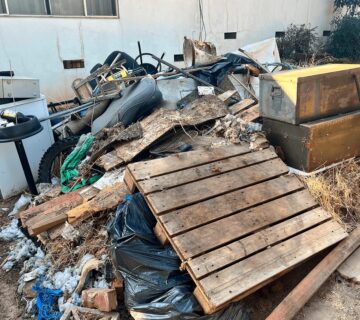
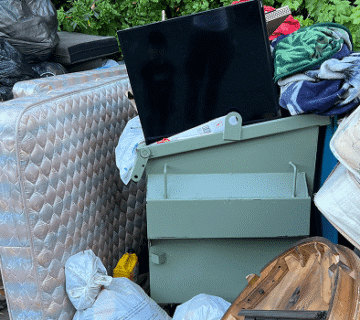
Illegal dumping, also known as “fly-dumping,” is the act of disposing of waste in an unauthorized location. This is a significant problem in many communities, including parts of Sacramento County. It ranges from a single bag of trash left on a rural road to a truckload of construction debris abandoned in an empty lot.
What Constitutes Illegal Dumping in Carmichael?
In simple terms, any disposal of waste outside of approved channels is illegal. This includes:
- Leaving trash or bulky items on public property like parks, roadsides, or vacant lots.
- Placing your personal household trash in a business’s private dumpster (known as dumpster diving or theft of service).
- Abandoning furniture, appliances, or mattresses on the curb without scheduling a proper pickup.
- Dumping yard waste, construction materials, or tires in creeks, rivers, or natural open spaces.
- Disposing of hazardous waste, like paint or oil, in storm drains or on the ground.
These actions have severe consequences that extend beyond just being an eyesore. They pose health risks, harm the environment, and create a financial burden for the community. The county spends significant taxpayer money each year cleaning up illegally dumped materials.
Consequences and Penalties
Sacramento County takes illegal dumping very seriously. The penalties are designed to be a strong deterrent. Under county and state law, illegal dumping is a crime.
- Fines: Individuals caught illegally dumping can face substantial fines. These can range from a few hundred dollars for minor offenses to thousands of dollars for larger quantities or hazardous materials. Fines are often calculated based on the volume of waste and the cost of cleanup.
- Criminal Charges: Illegal dumping is a misdemeanor punishable by fines and even jail time. For large-scale commercial dumping, it can be prosecuted as a felony. Repeat offenders face increasingly severe penalties.
- Vehicle Impoundment: The vehicle used to transport and dump the waste can be impounded. The owner is then responsible for all towing and storage fees, which can add up quickly.
- Cleanup Costs: In addition to fines, offenders are often held liable for the full cost of cleaning up the dumped materials and restoring the site to its original condition.
The county encourages residents to report illegal dumping. If you witness someone dumping waste, do not confront them. Instead, try to safely record details like the location, date, time, a description of the vehicle and license plate number, and a description of the people involved. You can report this information to the Sacramento County 311 Connect service.
How to Properly Dispose of Specific and Difficult Items
While the three-bin system handles everyday waste, many items require special handling. Knowing the correct disposal methods for these materials is essential for complying with Carmichael dumping regulations.
Bulky Items: Furniture, Appliances, and Mattresses
Your regular curbside service will not pick up large items left on the curb. You have several legal options for disposing of bulky waste. When residents need oversized items removed quickly, many residents schedule same-day junk removal services rather than waiting for scheduled bulky pickup dates.
County-Provided Bulky Waste Pickup
Sacramento County’s residential collection service typically includes a certain number of free bulky waste pickups per year. This is often the most convenient option for residents.
- How it works: You must schedule an appointment in advance. You can’t just leave items on the curb. Contact your waste service provider (often listed on your utility bill) or visit the Sacramento County Waste Management website to schedule a pickup.
- What they take: Common acceptable items include furniture (sofas, chairs, tables), though many residents choose professional furniture removal services for faster pickup.
- Limitations: There are limits on the number of items and the total volume per pickup. Certain items, like construction debris or hazardous waste, are not accepted.
Private Junk Removal Services
For situations where the county program isn’t a good fit, a professional junk removal company is an excellent alternative. This is especially true for distressed properties that may require professional foreclosure cleanout services. It’s ideal if you have more items than the county allows, need a faster pickup, or have bulky items beyond what the county will take.
- Benefits: A full-service company handles all the lifting, loading, and proper disposal. This saves you time and physical effort. Professional hauling crews can safely remove furniture, appliances, and other heavy items while ensuring responsible disposal. They can often come on short notice and can take a wider variety of items, including a few electronics and single-material loads such as clean wood or metal. A licensed hauling company should take each load to the right facility, donating what’s usable and recycling what it can.
- Choosing a Service: Look for a licensed and insured company. Ask them about their disposal practices to ensure they follow local regulations and prioritize recycling.
Self-Hauling to a Transfer Station or Landfill
If you have a truck and are able to transport the items yourself, you can take them directly to a county-approved facility.
- Local Facilities: The Kiefer Landfill and the North Area Recovery Station are the primary facilities serving the Carmichael area. Be sure to check their hours of operation and accepted materials before you go.
- Fees and Requirements: You will be charged a fee based on the weight and type of material you are dropping off. Loads must be securely covered with a tarp to prevent littering on the roadway, which is a legal requirement and can result in a fine.
Household Hazardous Waste (HHW)
Hazardous waste includes any product that is corrosive, flammable, toxic, or reactive. These items can never be placed in any of your curbside bins or poured down the drain.
- Common HHW: Paint, pesticides, cleaning chemicals, motor oil, antifreeze, car batteries, and fluorescent light bulbs.
- Disposal Options: Sacramento County operates several permanent HHW collection facilities. The North Area Recovery Station often has an HHW drop-off center. The county also hosts temporary collection events throughout the year in different communities. These services are typically free for residents. Check the county’s website for locations, hours, and a full list of accepted materials.
E-Waste: Electronics Disposal
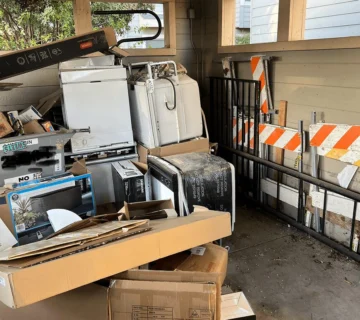
Electronic waste, or e-waste, contains heavy metals and other toxic components that can pollute the environment. It is illegal to dispose of e-waste in your regular trash.
- What is E-Waste?: Computers, monitors, televisions, printers, cell phones, and most other devices with a cord or battery.
- How to Dispose:
- HHW Facilities: Many e-waste items can be taken to the county’s HHW facilities.
- Retailer Take-Back Programs: Some electronics retailers offer take-back or recycling programs for old devices when you purchase a new one.
- Certified E-Waste Recyclers: There are private companies certified to handle and recycle e-waste.
- Junk Removal Services: A junk removal company like ours can take a few electronics alongside a regular pickup and drop them at an e-waste recycler. For a large lot of electronics, go to an e-waste recycler directly.
Construction and Demolition (C&D) Debris
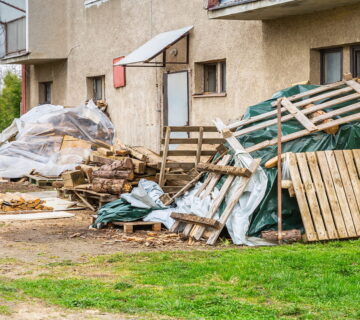
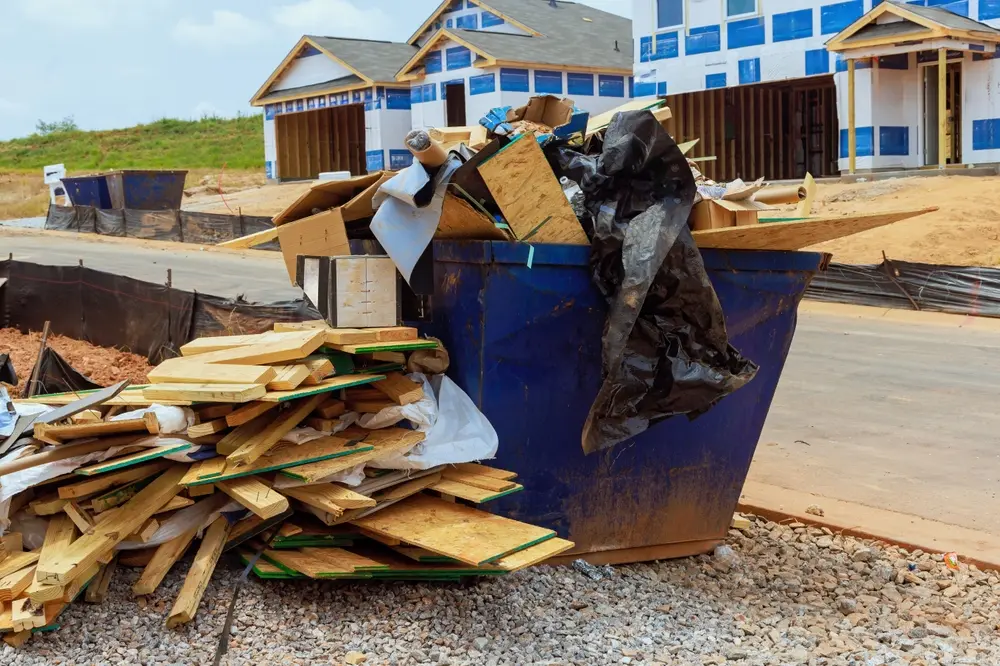
If you’re undertaking a home renovation or a major landscaping project, you’ll likely generate C&D debris. Property managers often rely on commercial junk removal services to prepare properties for new tenants, but mixed renovation debris is a different job. This material is not allowed in your residential carts.
- Examples of C&D: Wood, drywall, concrete, asphalt, roofing materials, and dirt.
- Disposal Methods:
- Renting a Dumpster: For large projects, renting a roll-off dumpster is a common solution.
- Self-Hauling: You can haul C&D debris to the Kiefer Landfill or a private C&D recycling facility. Be aware that many facilities have specific requirements for separating materials like wood and concrete.
- Junk Removal Companies: A junk removal service like Take Care Junk can take a single-material load (metal only, concrete only, or clean wood only) and the cabinets, fixtures, and appliances a remodel turns up. Mixed demolition debris goes to a licensed C&D hauler or a debris dumpster; see construction debris: what we take.
Navigating Specific Local Ordinances and Programs
Beyond the county-wide rules, it’s helpful to be aware of specific programs and ordinances that affect Carmichael residents. These initiatives are designed to promote a cleaner community and provide additional resources for waste disposal.
Weed Abatement and Fire Safety
In an area like Carmichael, with its hot, dry summers, fire safety is paramount. The Sacramento County Code includes weed abatement ordinances that require property owners to manage overgrown vegetation.
- Requirements: Property owners must keep their land free of dry grass, weeds, and other combustible debris that could pose a fire hazard. The county performs inspections, and properties that are not in compliance may be subject to forced cleanup at the owner’s expense, plus administrative fees.
- Disposal of Yard Waste: The green waste cart is suitable for regular yard maintenance. However, for large-scale cleanups, you may need another solution. Large branches can often be included in a bulky waste pickup if bundled correctly. For very large amounts of vegetation, you might consider renting a green waste dumpster or hiring a junk hauling service.
Abandoned Vehicle Abatement
An abandoned or inoperable vehicle left on public or private property is not only an eyesore but also a violation of local ordinances.
- Reporting: You can report abandoned vehicles on public streets to the Sacramento County Sheriff’s Department or the California Highway Patrol, depending on the location. For vehicles on private property, you can report them through the County 311 service.
- Disposing of Your Own Vehicle: If you have an old car you need to get rid of, you cannot simply leave it on the street. You can sell it for scrap, donate it to a charity (many of which will tow it for free), or use a private service that specializes in junk car removal.
Shopping Cart Abatement
Stray shopping carts are a common form of litter. Sacramento County has an ordinance that makes it illegal to remove a shopping cart from a store’s premises without permission.
- What to do: If you see an abandoned shopping cart, do not take it. You can report its location to the store it belongs to or use the county’s 311 service. Many carts have a phone number printed on them for a retrieval service.
The Role of Professional Junk Removal in Compliance
Navigating the complexities of Carmichael dumping regulations can sometimes feel overwhelming, especially when you’re dealing with items that don’t fit neatly into the three-bin system. Professional hauling services can simplify disposal projects that fall outside standard county collection programs.
A reputable company offers more than just hauling; they provide a complete service that takes the guesswork and physical labor out of responsible disposal. When you have a garage full of old junk, a backyard piled with debris, or an old appliance to get rid of, a professional service simplifies the entire process.
They are experts in local regulations. They know precisely where different types of materials need to go. For example, they understand that an old refrigerator needs to have its refrigerants safely removed before being recycled, and that e-waste must go to an e-waste recycler rather than the trash. They take each load to the right facility, donating what’s usable and recycling what they can. Proper disposal helps protect the local environment.
Furthermore, using a professional hauling service from start to finish saves you time and effort. You don’t need to borrow a truck, worry about securing your load with a tarp, drive to a transfer station, and pay disposal fees. The convenience of having a team show up, load everything for you, and haul it away is a major benefit for busy residents. By choosing a licensed and insured provider, you can have peace of mind knowing that your unwanted items will be handled legally and responsibly, helping you do your part to keep Carmichael clean and beautiful. Professional hauling services can help ensure waste is removed and disposed of responsibly.
A Cleaner Carmichael Starts With You
Maintaining the quality of life in Carmichael is a shared responsibility. By taking the time to understand and follow local dumping and waste disposal regulations, every resident plays a vital role in preserving the community’s beauty, safety, and environmental health. From correctly using your three curbside bins to knowing the proper procedures for disposing of bulky items, e-waste, and hazardous materials, your actions make a direct impact.
Remember the key takeaways:
- Know Your Bins: Use the garbage, recycling, and green waste carts correctly to maximize recycling and composting.
- Illegal Dumping is a Crime: Disposing of waste in unauthorized locations carries heavy fines and legal penalties. Always use approved disposal methods.
- Plan for Special Items: Utilize county programs for bulky waste and HHW, or consider using a licensed hauling service for larger cleanup projects.
- When in Doubt, Ask: The Sacramento County Waste Management & Recycling website and 311 Connect service are valuable resources for any questions you may have.
By embracing these responsible waste management practices, you not only avoid potential fines but also contribute to a sustainable future for our community. Let’s work together to keep Carmichael a clean and welcoming place for generations to come.