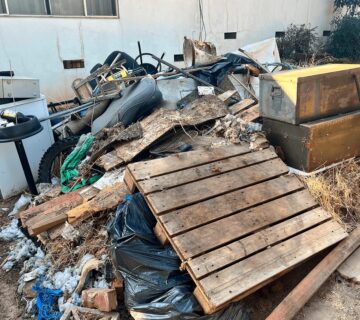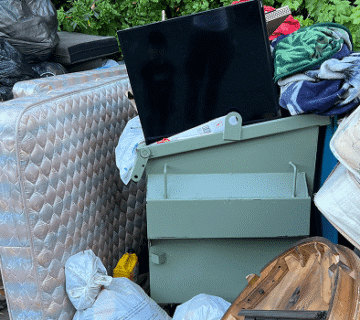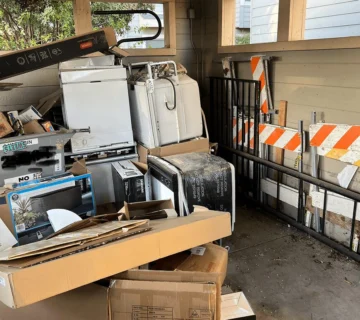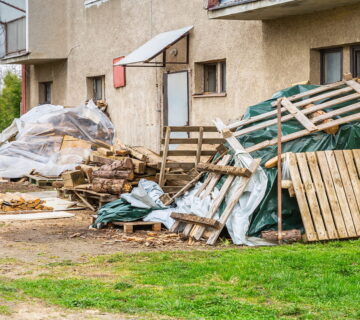
A home remodeling project is an exciting venture. Whether you’re finally creating your dream kitchen, updating a dated bathroom, or finishing your basement, the transformation process is filled with anticipation. You pick out new fixtures, choose paint colors, and imagine how the finished space will improve your daily life. However, between the “before” and “after” photos lies a messy reality: demolition and construction generate an astonishing amount of debris.
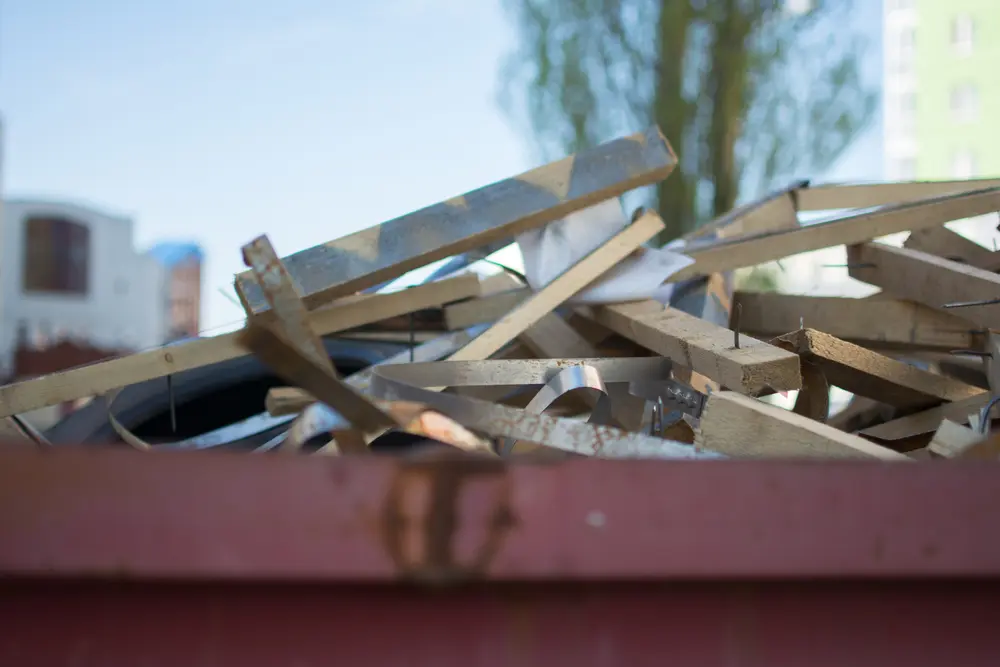
Drywall, old cabinets, flooring, broken tiles, and wood scraps can quickly pile up, turning your organized project into a chaotic and potentially hazardous worksite. Managing this waste is one of the most overlooked aspects of planning a remodel. Many homeowners think they can handle it themselves, only to find themselves overwhelmed by the volume, weight, and complexity of construction debris disposal.
A junk removal company can take a real share of that load off your hands, but not all of it. This guide explains what a junk removal crew like Take Care Junk hauls from a remodel, what it doesn’t, and who handles the rest. We’ll cover the types of debris you’ll face, the pitfalls of DIY disposal, and how to split the job between a junk removal service and a licensed C&D hauler or a debris dumpster, whether you’re renovating a single room or managing a full-home remodel.
The Unseen Challenge: Understanding Remodeling Debris
Before you can appreciate the solution, you need to understand the problem. The waste from a remodeling project is vastly different from typical household trash. It’s heavy, bulky, and often contains a mix of materials that require special handling.
Common Types of Construction and Remodeling Debris
A standard kitchen or bathroom demolition can produce a surprising variety of waste materials:
- Structural Materials: Drywall, plaster, wood studs, insulation, and old wiring.
- Finishing Materials: Pulled-up carpeting and padding, vinyl flooring, shattered ceramic or porcelain tiles, and laminate planks.
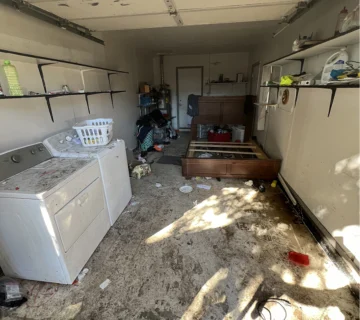
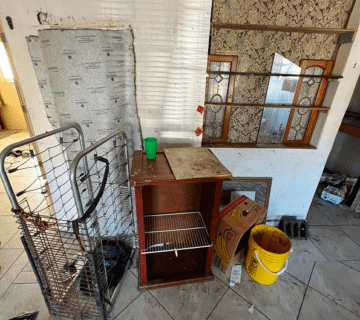
- Fixtures and Cabinetry: Old kitchen cabinets, countertops, bathroom vanities, and other bulky items often require professional furniture removal services. Many homeowners rely on residential junk removal services when remodeling kitchens, bathrooms, or other living spaces.
- Appliances: Old refrigerators, ovens, dishwashers, and microwaves that are being replaced.
- Windows and Doors: Old single-pane windows, frames, and interior or exterior doors.
- Concrete and Masonry: Broken concrete from a patio demolition, old bricks from a fireplace surround, or leftover masonry blocks.
- Packaging: A mountain of cardboard boxes, plastic wrap, and styrofoam from your new cabinets, appliances, and fixtures.
This isn’t just a few trash bags’ worth of stuff. A small bathroom remodel can easily generate over 1,000 pounds of debris. A full kitchen gut can produce several tons. This volume immediately presents a logistical challenge for the average homeowner. Many homeowners schedule same-day junk removal to get the old cabinets, appliances and fixtures out quickly, and use a debris dumpster or a licensed C&D hauler for the mixed demolition debris.
The Pitfalls of DIY Construction Debris Removal
Many ambitious DIYers and even some contractors initially plan to manage waste removal themselves to save money. However, this approach often leads to hidden costs, delays, and significant stress.
Challenge 1: The Transportation Hurdle
The first major obstacle is transportation. Construction debris will not fit in your weekly residential trash can. You need a vehicle capable of hauling heavy, bulky, and often dirty materials.
- Vehicle Damage: Tossing broken tiles, splintered wood, and old plumbing into the bed of your personal pickup truck can easily lead to scratches, dents, and dings. If you’re using an SUV or van, you risk tearing the upholstery and ruining the interior.
- Multiple Trips: Unless you have access to a large commercial truck, you will likely need to make multiple trips to the appropriate disposal facility. This consumes a huge amount of time and fuel. A project in a community like Elk Grove could mean a long drive to the nearest landfill equipped to handle construction materials.
- Rental Costs: Renting a truck or trailer is an option, but it comes with daily fees, mileage charges, fuel costs, and insurance requirements. This “savings” can quickly evaporate.
Challenge 2: The Physical Strain and Safety Risks
Demolition and cleanup are physically demanding and hazardous jobs. Professionals come equipped with the right gear and training, but homeowners often underestimate the risks.
- Heavy Lifting: Old countertops, cast iron tubs, and bundles of flooring are incredibly heavy. Improper lifting is a leading cause of back injuries, strained muscles, and hernias.
- Sharp Objects: Demolition creates a minefield of hazards. Exposed nails and screws, sharp edges on broken tiles, and splintered wood can cause serious cuts and puncture wounds.
- Dust and Air Quality: Tearing down drywall and plaster releases a large amount of fine dust into the air, which can be harmful to breathe without a proper respirator. Older homes may even contain hazardous materials like asbestos or lead paint, which require specialized abatement and should not be handled by homeowners.
Challenge 3: Navigating Disposal Regulations
You can’t just take construction debris to any dump. Different materials must go to specific facilities.
- Landfill Rules: Landfills and transfer stations have strict rules about what they accept. They separate “clean” materials like concrete and wood from mixed debris. If you show up with an unsorted load, you may be turned away or charged a significantly higher “mixed debris” fee.
- Recycling Mandates: California has recycling mandates for construction and demolition (C&D) debris. Many materials, like clean wood, metal, and cardboard, are required to be recycled. Simply dumping everything in a landfill is not only environmentally irresponsible but can also be illegal. Sorting your debris for recycling is a time-consuming step that many DIYers skip.
- Time and Fees: Locating the correct facility, waiting in line with commercial contractors, and paying the per-ton disposal fees all add up. What seems like a simple trip to the dump can consume half a day of your project time.
The Professional Solution: What a Junk Removal Company Takes, and What It Doesn’t
Take Care Junk is a junk removal service, not a C&D hauler, so it helps to know where the line is. We take the furniture, appliances, cabinets, fixtures (toilets, sinks, tubs), rolled carpet and household items a remodel turns up, plus single-material loads: metal only, concrete only, or clean wood only. We don’t take mixed demolition debris, drywall, or roofing; those go to a licensed C&D hauler or a debris dumpster. See construction debris: what we take.
Benefit 1: Significant Time and Labor Savings
In any remodeling project, time is money. Delays can have a cascading effect, pushing back plumbers, electricians, and installers. A cluttered worksite slows down everyone’s progress.
- Fast Clear-Out Before Demolition: A professional crew can empty a room of furniture, appliances, cabinets and fixtures in a fraction of the time it would take you. They can be scheduled right before the tear-out starts, so your contractors walk into a clear space. This keeps your project on schedule.
- Focus on the Real Work: By outsourcing the cleanup, you and your contractors can focus on your core tasks—installing cabinets, laying tile, or painting. You’re not wasting valuable project hours on loading and hauling trash. This is crucial for projects on a tight timeline, whether it’s a home in Davis or a commercial space in West Sacramento. Property managers often schedule commercial junk removal services to clear offices, retail spaces, or rental properties before a renovation starts.
- No Heavy Lifting for You: The most immediate benefit is that you don’t have to do the back-breaking work. A team of trained professionals handles all the lifting, carrying, and loading.
Benefit 2: Enhanced Safety and Reduced Risk
A clean worksite is a safe worksite. Piles of debris are a major trip hazard and can hide sharp objects.
- Professional Training and Equipment: Junk removal crews are trained to handle heavy and awkward items safely. They use dollies, carts, and proper lifting techniques to prevent personal injury and protect your property from damage. They also wear personal protective equipment (PPE) like gloves, steel-toed boots, and safety glasses.
- Injury Prevention: By letting the experts manage the debris, you drastically reduce your risk of cuts, strains, and other injuries. This is especially important for homeowners who aren’t accustomed to intense physical labor.
- Liability and Insurance: Reputable junk removal companies are fully insured. In the unlikely event that there is any damage to your property during the removal process, their insurance covers the repairs. This provides a layer of financial protection that you don’t have when doing the work yourself.
Benefit 3: Proper and Responsible Disposal
Another benefit is knowing that what we haul goes to the right facility.
- Knowledge of Local Facilities: A local crew knows which facility takes scrap metal, which takes clean concrete or clean wood, and where appliances and mattresses go. A service based in the region knows the best disposal sites for residents in Roseville versus those in Vacaville.
- Donation and Recycling: We donate what’s usable and recycle what we can. We don’t sort mixed debris, which is why we take metal, concrete and clean wood one material at a time. Usable cabinets or fixtures you set aside for donation go to a local charity when time and space allow.
- Know Who Handles Compliance: On a permitted project, California’s C&D recycling rules can require a waste management plan and diversion receipts. That paperwork is a job for a licensed C&D hauler, not a junk removal service, so line one up for the mixed debris.
Benefit 4: Cost-Effectiveness
While there is an upfront cost to hiring a junk removal service, it can often be more cost-effective than the DIY route when you factor in all the hidden expenses.
Consider the True Cost of DIY:
- Truck rental fees, mileage, and fuel
- Landfill disposal fees (often by weight)
- The value of your time spent on loading and transport
- Potential cost of vehicle damage or personal injury
Most companies base junk removal pricing on the volume of items removed, giving you a predictable cost for that part of your remodel. This price covers the labor, transportation, and all disposal fees. This predictable cost makes budgeting for your remodel much easier. For homeowners in communities like Carmichael or Arden-Arcade, the convenience and efficiency often outweigh the DIY costs.
Junk Removal Service vs. Dumpster Rental
When considering professional waste management, homeowners often weigh hiring a junk removal service against renting a dumpster. While both are valid options, they serve different needs.
- Dumpster Rental: You rent a large container that is dropped off at your property. You are responsible for filling it yourself. This can be a good option for very long-term projects where debris is generated slowly over weeks. However, it requires you to do all the labor, the dumpster can be an eyesore, and it may damage your driveway.
- Junk Removal Service: A team comes and does all the loading for you. It’s a full-service option ideal for clearing out the furniture, appliances, cabinets and fixtures at once, or a single-material load such as concrete only. It’s faster, involves no physical labor on your part, and you only pay for the volume of junk removed.
For most residential remodels, the two work together: a dumpster or a licensed C&D hauler for the mixed demolition debris, and a junk removal service for the bulky items that come out before the demolition starts.
How to Choose the Right Junk Removal Company
Selecting a reputable company is key to realizing all these benefits. Look for these qualities when choosing a partner for your remodeling junk removal.
- Look for Upfront, All-Inclusive Pricing: A trustworthy company will provide a clear, no-obligation estimate before any work begins. This price should include all labor, travel, and disposal fees. Be wary of companies that give you a vague quote over the phone without seeing the debris.
- Verify They Are Licensed and Insured: This is non-negotiable. Ask for proof of general liability and workers’ compensation insurance. This protects you, your property, and their workers.
- Ask Where the Load Goes: Choose a company that will tell you plainly where your items end up and what it does and doesn’t take. A straight answer beats a vague promise.
- Read Customer Reviews: Look at online reviews on platforms like Google, Yelp, and Angi. Consistent positive feedback about professionalism, punctuality, and efficiency is a strong indicator of a quality service. See what other homeowners in areas like Rocklin or Citrus Heights have to say.
- Excellent Customer Service: From your first phone call, the company should be professional, responsive, and helpful. They should be able to answer your questions clearly and accommodate your project’s schedule.
A home remodel is a significant investment. Don’t let the stress and hassle of waste management derail your project or compromise your safety. By budgeting for and hiring a professional junk removal company, you are investing in a smoother, faster, and safer renovation. Reliable junk hauling in Sacramento gets the old furniture, appliances and fixtures out quickly, and we recycle what we can. You get to focus on the exciting transformation of your space, confident that the messy part is being handled by experts. When the demolition dust settles, the most satisfying feeling is seeing a clean slate, ready for the beautiful “after” to begin.