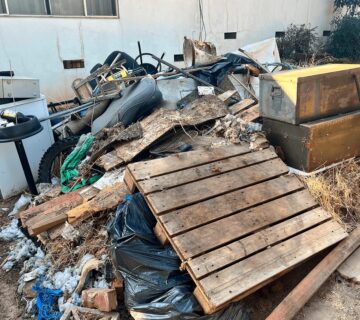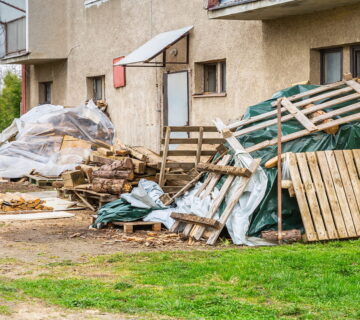
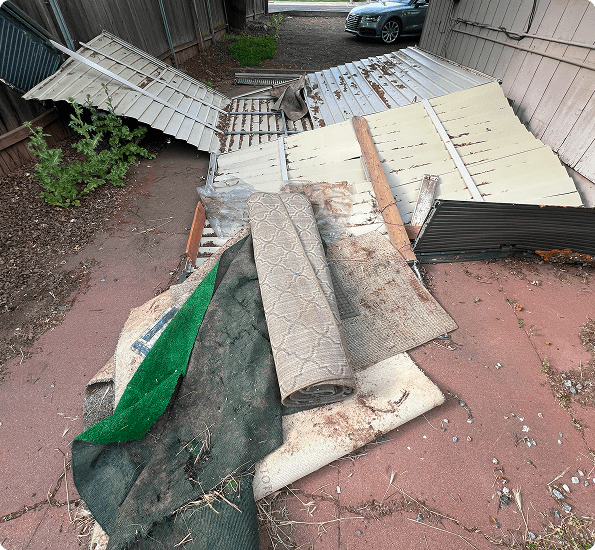
A new roof is one of the most significant investments you can make in your home. It protects your property from the elements, improves energy efficiency, and boosts curb appeal. But as the new materials go on, the old ones must come off, creating a mountain of debris. A typical roof replacement can generate several tons of waste. This leaves many homeowners and contractors asking a critical question: what happens to all those old roofing materials?
For decades, the standard answer was simple: the landfill. However, with growing environmental awareness and advancements in recycling technology, the fate of old roofing materials is changing for the better. Disposing of this waste involves more than just hauling it away; it requires an understanding of the materials, their environmental impact, and the available disposal options.
This comprehensive guide explores the journey of old roofing materials after they leave your property. We will break down the common types of roofing waste, examine their environmental consequences, and detail the processes for recycling and disposal. We’ll also cover why partnering with a professional junk removal service is often the smartest, safest, and most sustainable choice for managing roofing debris.
Common Types of Roofing Materials and Their Waste Profile
The first step in responsible disposal is understanding what you are dealing with. Roofing materials vary widely in composition, weight, and recyclability. Here are the most common types found on residential and commercial buildings.
Asphalt Shingles
Asphalt shingles are, by far, the most popular roofing material in North America, covering approximately 80% of homes. Their popularity stems from their affordability, durability, and ease of installation.
- Composition: Asphalt shingles are a composite material. They consist of a fiberglass or organic mat, a layer of asphalt for waterproofing, and a top coating of mineral granules (like quartz or ceramic) to protect against UV rays and add color.
- Waste Generation: The sheer volume of asphalt shingle use means they constitute the vast majority of roofing waste. It’s estimated that the United States generates between 11 and 13 million tons of asphalt shingle waste annually from roof tear-offs and manufacturing scraps.
- Disposal Challenges: Their composite nature once made them difficult to recycle. The mix of asphalt, fiberglass, and granules required specialized processing. Furthermore, some very old shingles may contain asbestos, which classifies them as hazardous waste and requires stringent handling protocols.
Metal Roofing
Metal roofing, including steel, aluminum, and copper, has gained significant popularity due to its longevity, durability, and modern aesthetic.
- Composition: Metal roofs can be made from various metals. Galvanized steel (steel coated with zinc) and Galvalume steel (steel coated with an aluminum-zinc alloy) are common choices. Aluminum is lightweight and corrosion-resistant, while copper is a high-end option known for its distinctive patina.
- Waste Profile: Metal roofing is 100% recyclable. Unlike some materials that degrade with each recycling cycle, metals can be melted down and reformed into new products of the same quality, over and over again. This makes metal one of the most sustainable roofing options available.
- Disposal Advantages: The high value of scrap metal means recycling is not only environmentally responsible but also economically viable. Scrap yards will pay for old metal roofing, incentivizing its diversion from landfills.
Clay and Concrete Tiles
Tile roofs are a hallmark of Mediterranean and Spanish-style architecture, prized for their exceptional durability and fire resistance.
- Composition: Roofing tiles are made from either clay that has been fired in a kiln or a mixture of sand, cement, and water that is molded and cured.
- Waste Profile: Both clay and concrete are heavy, inert materials. While they don’t leach toxic chemicals into the ground, their weight and bulk take up significant landfill space. Individual broken tiles are common, but a full tear-off generates an enormous amount of dense, heavy waste.
- Disposal Options: Clean concrete and clay tiles (free of tar paper and other debris) can be crushed and recycled. The crushed material is often used as an aggregate for road base, construction fill, or in the manufacturing of new concrete products.
Wood Shingles and Shakes
Wood roofing offers a natural, rustic beauty that many homeowners find appealing. Cedar is the most common wood used for shingles and shakes.
- Composition: Wood shingles are sawn for a smooth, uniform appearance, while shakes are hand-split for a more rugged look.
- Waste Profile: The disposal method for wood roofing depends entirely on whether it has been treated.
- Untreated Wood: Natural, untreated wood is biodegradable and can be easily repurposed or recycled. It can be chipped into mulch or composted.
- Treated Wood: Many older wood roofs were treated with chemicals like chromated copper arsenate (CCA) to resist rot and insects. This type of pressure-treated wood is considered hazardous waste. It cannot be burned, as this releases toxic chemicals into the air, and it cannot be chipped into mulch for landscaping. It must be disposed of in specially lined landfills that are equipped to handle hazardous materials.
The Environmental Impact of Roofing Waste
The sheer volume of roofing debris generated each year has significant environmental consequences. The traditional “take it to the dump” mentality has put immense pressure on our landfills and wasted valuable resources.
Landfill Overload
Landfills are not infinite. Space is a finite resource, and in many regions, landfills are nearing capacity. Roofing materials, particularly bulky asphalt shingles and heavy tiles, consume a massive amount of this precious space. The 11-13 million tons of shingle waste generated annually in the U.S. is equivalent to filling thousands of football stadiums. Diverting this waste through recycling extends the life of existing landfills and reduces the need to create new ones, which is a complex, expensive, and often contentious process.
Depletion of Natural Resources
When we throw away old roofing materials, we are also throwing away the raw materials used to create them.
- Asphalt Shingles: Asphalt is a petroleum product, a non-renewable resource. Recycled asphalt shingles (RAS) can be used to replace a portion of the virgin asphalt needed to pave roads, conserving oil reserves.
- Metal Roofing: Mining and processing ores to produce new steel, aluminum, and copper are energy-intensive processes with significant environmental footprints. Recycling metal uses up to 95% less energy than producing it from raw materials, drastically reducing greenhouse gas emissions.
- Wood Roofing: While trees are a renewable resource, unsustainable harvesting contributes to deforestation. Repurposing or properly recycling old, untreated wood reduces the demand for new timber.
Potential for Pollution
Improper disposal of certain roofing materials can lead to environmental contamination.
- Treated Wood: As mentioned, burning treated wood releases toxic ash and fumes. If left to rot in an unlined landfill or on a property, the chemicals can leach into the soil and potentially contaminate groundwater.
- Asbestos: Shingles and roofing felt manufactured before the 1980s may contain asbestos. When these materials are disturbed, asbestos fibers can become airborne. Inhaling these fibers can cause serious diseases, including lung cancer and mesothelioma. Asbestos-containing material (ACM) requires specialized handling and disposal by licensed professionals.
Hazardous roofing materials should always be handled by trained professionals who understand proper disposal requirements and local compliance rules.
The Journey of Recycling: From Rooftop to Roadway
Recycling is the most effective way to mitigate the environmental impact of roofing waste. While metal and tile have straightforward recycling paths, the process for asphalt shingles—the most common waste material—is particularly interesting and impactful.
The Asphalt Shingle Recycling Process
What was once considered useless garbage is now a valuable commodity known in the industry as Recycled Asphalt Shingles (RAS). The transformation from rooftop waste to a paving component follows a clear, multi-step process.
Step 1: Collection and Transportation
The process begins on the job site. Instead of mixing all roofing debris into a single dumpster destined for the landfill, shingles are separated. This is known as “source separation.” A clean load of only shingles, tar paper, and nails is crucial for efficient recycling. This separated material is then transported to a specialized shingle recycling facility.
Step 2: Inspection and Sorting
Upon arrival at the recycling center, the load is inspected for contaminants. Things like wood, plastic, flashing, and other garbage must be removed. A small amount of nails is acceptable, as they are typically removed later in the process. Loads with excessive contamination may be rejected and sent to a landfill, which is why clean loading at the source is so important.
Step 3: Grinding
Once approved, the shingles are fed into a large industrial grinder. These powerful machines use high-speed rotating hammers or cutters to break down the shingles into smaller, more uniform pieces. The size of the final product can be precisely controlled by changing screens within the grinder.
Step 4: Debris Removal
During or after grinding, the material passes through additional processing steps to remove any remaining non-shingle material.
- Magnetic Separation: The ground material passes under powerful magnets that pull out all the steel nails. The recovered nails are then sent to a metal recycler.
- Screening: The material is passed over screens to ensure a consistent particle size and to sift out any oversized pieces or remaining debris.
Step 5: The Final Product
The end result is a fine, granular material that looks like black sand. This is RAS. The high concentration of asphalt cement and high-quality aggregate within RAS makes it a valuable additive for hot-mix asphalt (HMA), the material used to pave most roads and parking lots.
Benefits of Using RAS in Paving
Incorporating RAS into asphalt mixes for roads offers numerous advantages:
- Cost Savings: Asphalt cement (the black, sticky binder in asphalt) is the most expensive component of HMA. Because RAS contains a significant amount of this binder, its use can reduce the amount of virgin, petroleum-based asphalt cement needed, lowering the overall cost of the pavement.
- Improved Performance: The fine aggregate and fibers from the shingle mat can actually improve the performance of the pavement, making it more resistant to rutting and cracking.
- Environmental Conservation: Every ton of RAS used in pavement saves a barrel of oil and prevents a ton of waste from entering a landfill. It’s a true win-win for both the economy and the environment.
Landfill vs. Recycling: Making the Right Choice
When faced with a pile of old roofing, homeowners and contractors essentially have two choices: send it to a landfill or ensure it gets recycled.
The Landfill Option
Hauling roofing debris to a landfill is often perceived as the easier, more direct route. You load it up, drive it to the dump, pay the tipping fee (the fee charged per ton of waste), and you’re done.
However, this option has significant downsides:
- Environmental Cost: As discussed, landfilling wastes resources, consumes valuable land, and contributes to the potential for pollution.
- Rising Financial Cost: Tipping fees are increasing across the country as landfills reach capacity. In some areas, the cost to landfill a ton of shingles can be higher than the cost to have it recycled.
- Regulatory Hurdles: Some states and municipalities have banned or are in the process of banning asphalt shingles from their landfills to encourage recycling and preserve landfill space.
The Recycling Option
Choosing to recycle requires a bit more foresight and effort but offers far greater benefits.
- Sustainability: Recycling is the most environmentally responsible choice, conserving resources and energy while reducing waste.
- Economic Benefits: Recycling can be more cost-effective than landfilling, especially for materials like metal. Using a service that recycles can also be a selling point for contractors looking to appeal to eco-conscious clients.
- Compliance: As regulations around landfilling construction debris become stricter, recycling ensures you are compliant with local and state laws.
The main challenge for the average person is logistics. You need to separate materials correctly and find the right recycling facilities, which may not be conveniently located. This is where a professional service becomes invaluable. Working with a professional junk removal team can make recycling much easier by ensuring materials are sorted correctly and taken to the proper facilities.
The Smart Solution: Hiring a Professional Junk Removal Service
For most people, managing the disposal of several tons of roofing debris is a daunting task. It’s labor-intensive, time-consuming, and logistically complex. This is why hiring a professional junk removal company like Take Care Junk is the most efficient and effective solution.
The Benefits of Professional Debris Removal
- Safety and Convenience
Roofing materials are heavy, awkward, and can have sharp edges. Loading and hauling this debris yourself poses a risk of back strain, cuts, and other injuries. Our trained and insured team handles all the heavy lifting for you. We come directly to your property, load the debris from wherever it is, and ensure the area is swept clean before we leave. You don’t have to lift a finger. - Proper Sorting and Disposal
The world of waste disposal is more complicated than it seems. Different materials have different destinations. Our team at Take Care Junk understands the local regulations and the recycling landscape. We know which materials can be recycled and where to take them. We are committed to diverting as much waste as possible from landfills. When you hire us, you can be confident that your old roofing materials will be handled in the most environmentally responsible way. Shingles and mixed roofing debris are outside what we take; metal-only loads we can talk about. - Time and Cost Efficiency
Consider the time and effort involved in a DIY disposal project: renting or borrowing a truck, multiple trips to a transfer station or recycling center, loading and unloading heavy materials, and paying disposal fees. A professional service streamlines this entire process into a single, efficient operation. Our large trucks can often haul away an entire roof’s worth of debris in one trip. When you factor in your time, fuel, and potential vehicle rental costs, our service is often more cost-effective than you might think. - Serving the Greater Sacramento Area
We help homeowners and contractors throughout Sacramento and surrounding communities handle roofing debris safely and efficiently. Whether it is a full roof replacement, storm damage cleanup, or leftover construction debris after repairs, professional hauling saves time, reduces risk, and keeps heavy materials out of the way so projects can move forward smoothly.
The final phase of a roofing project shouldn’t be a source of stress. By understanding what happens to old roofing materials and the options available, you can make an informed and responsible choice. While recycling is the clear environmental winner, the logistics can be challenging. Partnering with Take Care Junk removes all the hassle. We provide a safe, efficient, and eco-friendly way to clear out the debris, allowing you to focus on enjoying the peace of mind that comes with a new, secure roof.
Ready to clear away the mess from your roofing project? Contact us today for a free, no-obligation quote and let us handle the heavy lifting for you.