The distinct seasons of Northern California bring a unique rhythm to our lives and, consequently, to our yards. From the vibrant blooms of spring to the golden carpet of leaves in autumn, each season presents its own landscaping opportunities and challenges. The primary challenge for many homeowners is the constant cycle of yard waste. Piles of pruned branches, bags of fallen leaves, and the aftermath of a summer garden can quickly accumulate, turning a beautiful outdoor space into a chore-filled headache.
For residents across the region, from the valley floors of Sacramento to the foothills of Placer County, managing this green waste is a year-round task. Proper disposal is not just about keeping your property looking tidy; it’s also crucial for fire prevention, local ordinance compliance, and environmental responsibility. But what are the best ways to handle this ever-growing pile of organic material?
This comprehensive guide is designed specifically for Northern California homeowners. We will explore the different types of yard waste you’ll encounter each season, provide tips for effective at-home management like composting, and detail your options for disposal, including when to call in professionals. Whether you need seasonal pickup or professional yard waste removal, you’ll find the information you need to keep your yard pristine all year long.
Understanding Yard Waste in Northern California
Before diving into seasonal strategies, it’s important to understand what “yard waste” or “green waste” typically includes. Local municipalities often have specific definitions, but generally, it encompasses all organic material generated from landscaping and gardening activities.
Common Types of Yard Waste:
- Grass clippings
- Leaves and pine needles
- Weeds
- Flowers and garden trimmings
- Small branches, twigs, and prunings (usually under a certain diameter)
- Shrubs and brush
- Holiday trees (seasonal)
- Un-treated wood scraps
Items NOT Considered Yard Waste:
- Dirt, rocks, and sod
- Concrete and construction debris
- Painted or treated wood (e.g., from an old fence)
- Animal waste
- Plastic bags, pots, and garden hoses
- Food waste (this is often a separate category for composting)
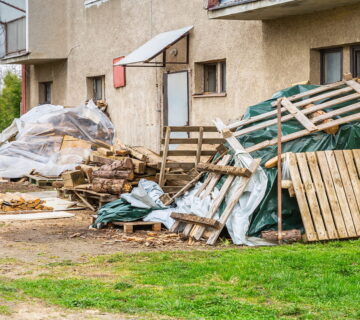
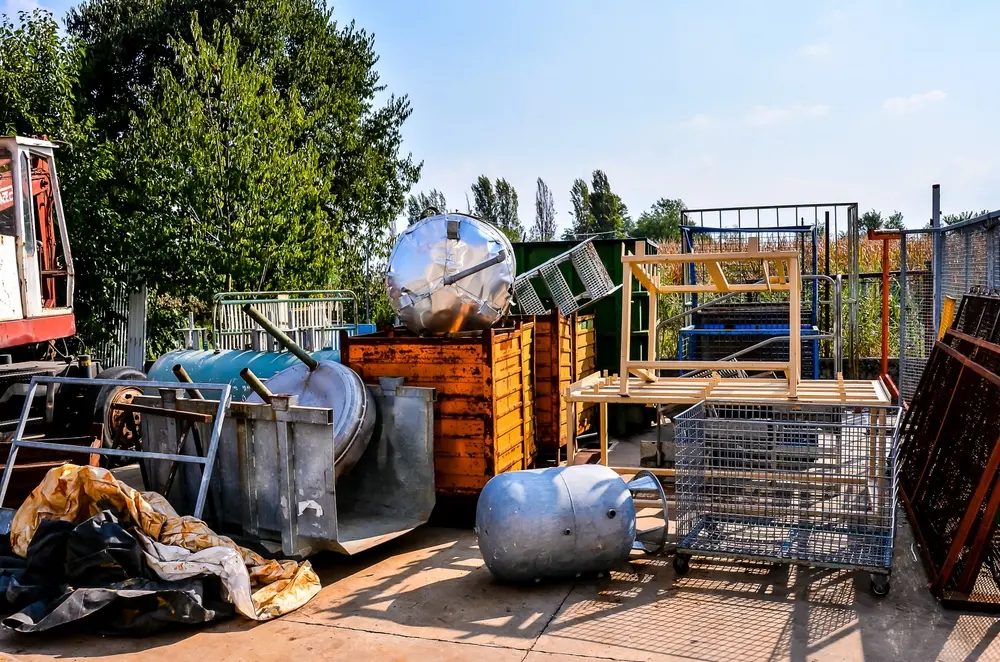
Knowing this distinction is key. Your local green waste bin has rules, and putting the wrong materials in it can result in fines or non-collection. When dealing with larger projects that mix these categories, such as a full landscape renovation, different disposal methods are required. Property managers often use commercial junk removal services for the branches, brush and old outdoor items. Dirt, rock, sod and mixed construction debris need a debris dumpster or a licensed C&D hauler instead.
Spring Cleanup: Renewal and Growth
Spring in Northern California is a time of explosive growth. As the winter rains subside and the sun warms the soil, our yards come alive. This is the prime season for pruning, planting, and preparing for the summer ahead, all of which generate significant yard waste.
Common Spring Yard Waste
- Pruning Debris: Shaping fruit trees, cutting back frost-damaged branches from shrubs, and trimming ornamental grasses results in piles of branches and stems.
- Old Mulch and Dead Plants: Removing old, compacted mulch to make way for a fresh layer and clearing out annuals that didn’t survive the winter.
- Weeds: The first flush of spring brings a vigorous crop of weeds that need to be pulled before they go to seed.
- Lawn Thatching: Dethatching your lawn to remove the layer of dead grass and allow for better water and nutrient absorption creates a surprising amount of waste.
Spring Waste Management Strategies
- Prune and Chop: When pruning, try to chop larger branches into smaller pieces. This makes them easier to handle and allows them to fit into your green waste bin more efficiently. If you have an overwhelming amount of branches, especially from larger trees, this is a perfect time to consider a professional service. A professional team can make quick work of a massive brush pile.
- Use Your Green Bin Wisely: Most municipalities provide residents with a green waste bin for curbside collection. To maximize space, mow over leaves and small twigs on your lawn to chop them up before bagging or binning them. Make sure your bin lid can close completely.
- Start a Compost Pile: Spring is the ideal time to start composting. The mix of “green” materials (like grass clippings and weeds) and “brown” materials (like leftover fall leaves and small twigs) is perfect for creating nutrient-rich compost for your summer garden. We’ll cover this in more detail later.
For large-scale spring cleanups, the volume of waste can easily overwhelm a standard residential bin. This is when scheduling a one-time yard waste removal service becomes a huge time and labor saver. A professional removal team can handle large volumes of branches, brush, and yard debris in a single visit.
Many homeowners schedule same-day junk removal after major seasonal yard cleanups to remove branches, brush, and landscaping debris quickly.
Summer Maintenance: Taming the Growth
The long, hot, and dry summers in Northern California mean our focus shifts from planting to maintenance and water conservation. While the growth rate of some plants may slow, yard waste is still a constant factor.
Common Summer Yard Waste
- Grass Clippings: Even with water-wise lawns, regular mowing produces a steady stream of clippings.
- Garden Debris: Deadheading flowers, harvesting vegetables, and removing spent plants from your summer garden.
- Pruning: Light pruning of shrubs and trees to maintain shape and remove suckers or water sprouts.
- Fire Clearance: This is a critical summer activity. Clearing dry brush, overgrown grasses, and low-hanging tree limbs away from your home is essential for creating defensible space. This can generate an enormous amount of highly flammable yard waste.
Summer Waste Management Strategies
- Grasscycling: One of the easiest ways to deal with grass clippings is to leave them on the lawn. This practice, known as “grasscycling,” allows the clippings to decompose quickly, returning valuable nitrogen and other nutrients to the soil. It reduces the need for fertilizer and saves you the effort of bagging.
- Fire Safety First: The yard waste generated from creating defensible space cannot be left in piles on your property. It’s a fire hazard. For residents in foothill communities like Rocklin or Folsom, this is a serious concern. Many fire districts have specific programs or deadlines for this type of cleanup. Due to the sheer volume, hiring a professional junk removal company is often the safest and most efficient way to clear this hazardous debris promptly.
- Stay Ahead of It: During summer, try to manage waste as it’s created. A small amount of pruning debris each week is much easier to handle than a giant pile at the end of the season.
Autumn Cleanup: The Season of Leaves
Autumn is arguably the most beautiful season in many Northern California neighborhoods, but it’s also the most demanding for yard waste management. As deciduous trees put on their spectacular color show, they prepare to drop tons of leaves onto our lawns, roofs, and gutters.
Common Autumn Yard Waste
- Leaves, Leaves, and More Leaves: This is the big one. Oak, maple, sycamore, and liquidambar trees can cover an entire property in a thick blanket of leaves.
- End-of-Season Garden Cleanup: Removing frosted tomato plants, dead stalks, and other remnants from the vegetable and flower gardens.
- Final Mowing and Pruning: The last few mows of the season and pruning back perennials in preparation for winter dormancy.
Autumn Waste Management Strategies
- Leaf Management Techniques:
- Mulching Mower: Mow over the leaves on your lawn. This shreds them into small pieces that will decompose over the winter, enriching your soil.
- Leaf Blower/Vac: Use a leaf blower to gather leaves into large piles. Some models can also vacuum and mulch the leaves, significantly reducing their volume.
- Raking: The classic method. Rake leaves onto tarps to make them easier to drag to a central pile or to your curb for collection.
- Municipal Leaf Pickup Programs: Many cities, including Sacramento and surrounding areas like Carmichael, offer special seasonal leaf pickup programs, often called the “Claw.” Residents can pile leaves on the street (away from storm drains), and a special truck comes to collect them. Check your city’s public works website for schedules, pile size limits, and specific instructions.
- Compost Gold: Fallen leaves are a fantastic source of “brown” material for your compost pile. They are rich in carbon and provide the perfect balance to the “green” waste from your summer garden cleanup.
- When It’s Too Much: For large properties or if you miss the window for your city’s pickup, the volume of leaves can be staggering. Bagging them can take dozens of bags and several weeks to dispose of via your green bin. A professional junk removal service can remove large piles of leaves and yard debris in a single visit.
Winter Prep: Storm Debris and Dormancy
Winter in Northern California is typically mild but is also our wet and windy season. The main source of yard waste during these months comes from storm damage and final preparations.
Common Winter Yard Waste
- Fallen Branches and Storm Debris: Winter storms can bring high winds that snap branches and even topple entire trees.
- Holiday Trees: After the holidays, you’re left with a large, dry Christmas tree to dispose of.
- Dormant Pruning: Winter is the best time to prune many types of deciduous trees and roses while they are dormant.
Winter Waste Management Strategies
- Storm Debris Cleanup: After a storm, survey your property for fallen limbs. Small twigs can go in the green bin. Larger branches may need to be cut down to size. For significant damage, such as a large fallen tree limb, professional help is recommended for both removal and safe cutting. Most companies base junk removal pricing on the volume of debris, making large seasonal cleanups more predictable to budget for.
- Christmas Tree Recycling: Most municipalities have a Christmas tree recycling program. Typically, you can place your clean tree (all decorations, lights, and stands removed) next to your green bin on your regular collection day for a few weeks after Christmas. Some areas have drop-off sites or programs run by local non-profits.
- Plan for Spring: Winter is a great time to plan next year’s garden and landscaping projects. If you’re thinking of a major overhaul that will generate significant waste, you can start getting quotes from professional services now.
At-Home Yard Waste Solutions: Composting
Composting is an excellent way to manage a significant portion of your yard and kitchen waste while creating a free, high-quality soil amendment for your garden.
Getting Started with Composting
- Choose a Bin: You can buy a commercial compost bin, build one from pallets or wire, or simply start an open pile in a discreet corner of your yard. Communities like Arden-Arcade may have specific regulations about the placement and type of compost bins, so check with your local HOA if applicable.
- The Right Mix (Browns & Greens): A successful compost pile needs a balance of carbon-rich “browns” and nitrogen-rich “greens.”
- Browns: Fallen leaves, small twigs, straw, shredded newspaper, cardboard.
- Greens: Grass clippings, garden trimmings, weeds (before they seed), fruit and vegetable scraps from the kitchen.
- Layer and Turn: Start with a layer of browns, then add a layer of greens. Lightly water the pile to keep it damp like a wrung-out sponge. Turn the pile with a pitchfork every week or two to aerate it and speed up decomposition.
- What to Avoid: Do not add meat, dairy, oily foods, pet waste, or diseased plants to your compost pile, as these can attract pests and create odors.
Composting can significantly reduce the amount of waste you need to have hauled away, but it can’t handle everything. Large branches, woody shrubs, and diseased plants should be disposed of separately.
When to Hire a Professional Yard Waste Removal Service
While DIY methods and municipal bins are great for routine maintenance, there are many situations where a professional service is the best choice.
Consider hiring a professional junk removal company when:
- The Volume is Overwhelming: After a major seasonal cleanup, landscape project, or storm, you may have more waste than your bin can handle for weeks or even months.
- You Have Bulky Items: Large branches, tree stumps, old timbers, or entire shrubs won’t fit in your bin and are difficult to transport yourself.
- You’re on a Deadline: You’re preparing to sell your home, hosting an event, or need to comply with a fire clearance notice quickly. A professional service can clear the property in a matter of hours, not weeks.
- You Lack the Time or Physical Ability: Yard work is hard work. Bagging and hauling heavy debris isn’t feasible for everyone. A professional cleanup service handles the heavy lifting and hauling for you.
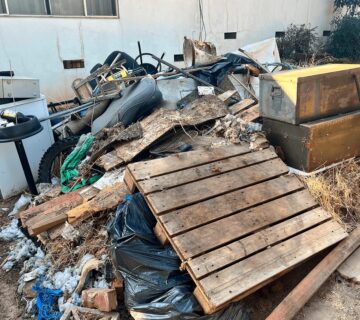
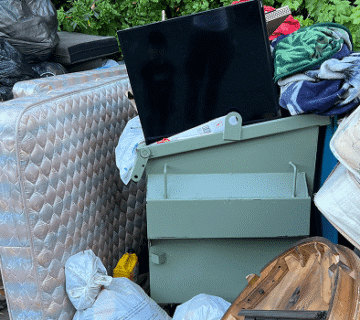
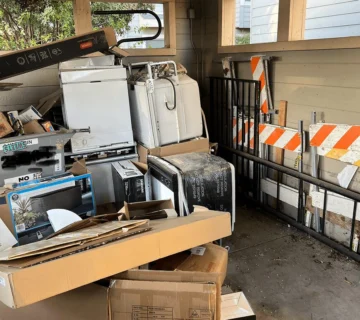
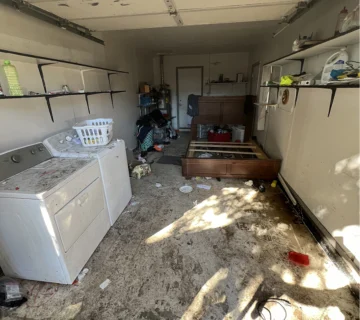
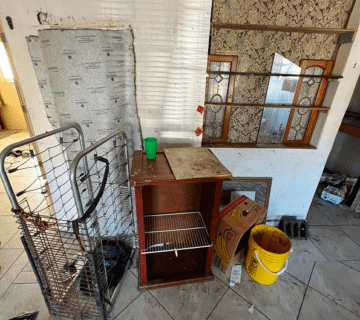
- The Waste is Mixed: If your cleanup project includes non-organic waste like old patio furniture or a broken lawnmower, a junk removal company can take it all in one trip. Rocks, soil and sod are the exception: we only take small amounts alongside a load. Homeowners often schedule residential junk removal services when clearing patios, sheds, or landscaping debris around the property. This is not an option for your municipal green waste bin.
Professional yard waste removal offers a convenient and efficient solution for large seasonal cleanups. A good company will haul the material away and tell you where the load goes if you ask.
Managing yard waste is an integral part of homeownership in Northern California. By understanding the rhythm of the seasons and utilizing a combination of municipal services, at-home composting, and professional help when needed, you can keep your property beautiful, safe, and manageable all year long. Reliable junk hauling in Sacramento gets seasonal yard debris off your property quickly. A clean yard not only enhances your home’s curb appeal but also provides a serene outdoor space for you and your family to enjoy.