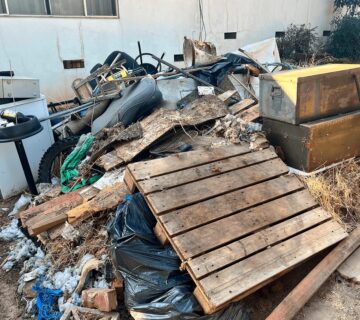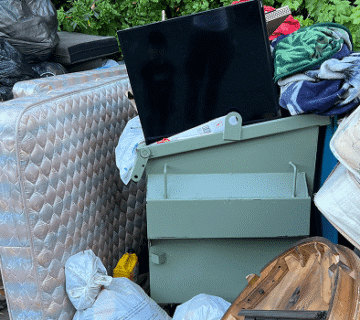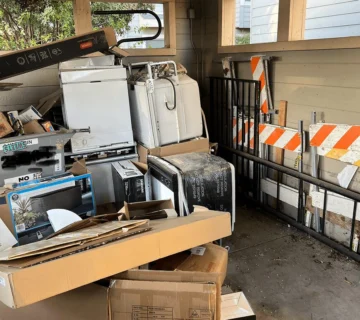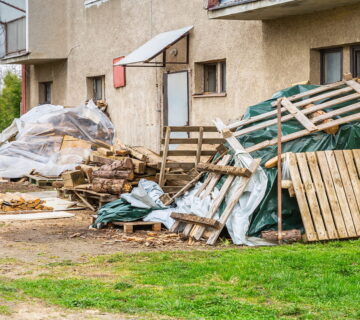
When you toss a bag of trash into your garbage can, you probably do not give much thought to where it goes next. A garbage truck picks it up, drives away, and the waste becomes out of sight and out of mind. But the final destination for most of our household and commercial waste is a highly complex engineering marvel. If you want to understand what happens to your debris, you need to know how landfills actually work.
Far from the open dumps of the past, modern sanitary landfills are carefully designed structures. They protect the environment, manage harmful gases, and ensure that hazardous liquids do not contaminate the local groundwater. Whether you are doing a massive home cleanout or simply want to be a more informed citizen, understanding the landfill process helps you appreciate the importance of proper waste management. Let us explore the engineering, daily operations, and environmental protections that make modern landfills function safely.
The Evolution of Waste Management
Before we dive into the mechanics of a modern facility, we need to understand the past. Historically, towns simply designated a piece of land as the local dump. People threw everything from food scraps to old furniture into a hole in the ground.
These open dumps caused severe problems. They attracted pests, generated terrible odors, and caught fire easily. Worse, rain washed through the rotting garbage, carrying toxic chemicals directly into the soil and nearby water supplies.
To solve these environmental disasters, engineers developed the modern sanitary landfill. Unlike an open dump, a sanitary landfill acts as a sealed container. It isolates waste from the surrounding environment—the groundwater, the air, and the soil—until the garbage is completely stabilized. Stabilized waste has degraded to the point where it no longer poses an active threat to public health or local ecosystems.
Whenever large amounts of household or construction waste are removed, the material ultimately ends up in one of these highly regulated, secure facilities.
The Anatomy of a Modern Landfill
A modern landfill looks like a massive construction project. Before a single piece of trash touches the ground, crews spend months or even years preparing the site. They dig deep into the earth and install multiple layers of protection.
The Bottom Liner System
The most critical part of a landfill sits at the very bottom. The bottom liner system prevents liquids from escaping into the earth. If you live in an area with a high water table, this protection is absolutely essential.
First, engineers compact a thick layer of dense clay along the bottom and sides of the excavated hole. Clay is naturally impermeable, meaning water struggles to pass through it. Over this clay, they lay a heavy-duty, high-density polyethylene (HDPE) plastic liner. This plastic is thick, flexible, and extremely tough. It acts as the ultimate barrier between your discarded items and the natural environment.
The Leachate Collection System
When rain falls onto a landfill, it filters down through the layers of garbage. As water travels through the waste, it picks up harmful chemicals, heavy metals, and decaying organic matter. This toxic liquid is called “leachate.”
If leachate builds up too much pressure against the bottom liner, it could cause a rupture. To prevent this, engineers install a leachate collection system directly above the plastic liner.
This system consists of a bed of gravel and a network of perforated pipes. The gravel allows the liquid to flow easily, and the pipes collect the leachate as it drains to the bottom. Pumps then pull the toxic liquid out of the landfill and send it to collection tanks. From there, it goes to a specialized wastewater treatment plant. These systems are designed to safely capture and manage any liquids that develop from typical household waste during the disposal process.
The Cover System
A landfill operates in sections, called “cells.” Once a cell reaches its maximum capacity, workers cap it to seal the waste permanently. The final cover system acts like an umbrella for the landfill.
Workers lay down another thick plastic liner over the compacted trash, followed by more clay. They then add a drainage layer to manage surface water, and finally, a thick layer of topsoil. They plant native grasses and shallow-rooted vegetation on top to prevent erosion. This cover stops rain from entering the landfill, massively reducing the amount of leachate generated inside.
Managing Landfill Gas
Garbage inside a sealed landfill sits in a very unique environment. Because the waste is tightly compacted and buried under layers of dirt, there is virtually no oxygen.
When organic materials—like food scraps, yard waste, and paper—break down without oxygen, they undergo anaerobic decomposition. This process creates landfill gas, which consists of roughly fifty percent methane and fifty percent carbon dioxide. Methane is highly flammable and acts as a potent greenhouse gas. If left unchecked, it can build up pressure, cause explosions, or contribute significantly to climate change.
Gas Extraction Wells
To safely manage this hazard, landfill operators install gas extraction wells throughout the waste cells. These vertical pipes sink deep into the garbage. They operate under a slight vacuum, actively pulling the methane and carbon dioxide out of the decomposing trash.
Once the gas reaches the surface, the facility has a few options. Many older landfills simply burn the gas in a controlled flare, converting the methane into carbon dioxide (which is a less potent greenhouse gas). However, modern facilities increasingly view landfill gas as a valuable resource. They clean and process the gas to generate electricity, power vehicles, or even supply local homes with natural gas.
When waste is handled through regulated disposal systems, it often becomes part of processes that capture and repurpose landfill gas as a usable energy source.
The Daily Operations of a Landfill
A sanitary landfill is a busy, heavily monitored operation. A strict set of procedures dictates what happens from the moment a truck arrives until it leaves.
Weighing and Inspection
When a waste collection truck arrives at the facility, it drives onto a massive scale. The weigh station, often called the scale house, records the gross weight of the vehicle. After the truck dumps its load, it gets weighed again. The difference tells the facility exactly how much trash was deposited. They charge a “tipping fee” based on this weight, which funds the facility’s operations and environmental monitoring.
Operators also inspect the incoming loads. They look for illegal items that could damage the landfill’s systems or pose safety risks. Hazardous chemicals, tires, car batteries, and large appliances with refrigerants cannot go into the standard working face.
Compaction and Daily Cover
Once a truck dumps its load at the active “working face” of the landfill, heavy machinery takes over. Massive steel-wheeled compactors drive back and forth over the trash. These machines weigh tens of thousands of pounds and feature large spikes on their wheels. They crush the waste, breaking it apart and squeezing out air pockets. Proper compaction maximizes the space available and makes the landfill more stable.
At the end of every single day, operators must cover the working face. They typically use six to twelve inches of soil, though some facilities use alternative covers like spray-on foam or heavy tarps. This daily cover is crucial. It traps odors, prevents trash from blowing away in the wind, and stops birds, rodents, and insects from accessing the garbage.
Whether the waste comes from a small cleanout or a large project, the daily cover ensures it stays exactly where it belongs.
What Happens When a Landfill is Full?
Landfills do not last forever. An average facility might accept waste for thirty to fifty years before reaching its permitted capacity. But the work does not stop when the final truck leaves.
Once a landfill is completely full and capped with its final cover system, it enters a phase called “post-closure care.” By law, the owners must monitor the site for at least thirty years. They continuously check the groundwater monitoring wells that surround the site to ensure the bottom liner remains intact. They maintain the gas extraction system and carefully manage the vegetation on the surface.
Many closed landfills find second lives. Because you cannot build heavy structures on settling trash, communities often transform these massive mounds into public parks, golf courses, or solar panel farms. This turns former disposal sites back into usable land for the community.
How You Can Reduce Landfill Waste
Understanding how landfills operate highlights how much effort goes into safely managing everyday waste. While these systems are designed to contain and control environmental risks, they rely on limited space and long-term monitoring to remain effective.
Reducing what enters the landfill in the first place is one of the most practical ways to support these systems. Separating recyclable materials, extending the life of usable items, and avoiding unnecessary disposal all help reduce the long-term environmental burden.
Managing waste with a clear plan also removes the guesswork that often leads to unnecessary landfill use. When materials are handled intentionally, more of them can be reused, recycled, or redirected instead of permanently buried.
For projects where waste becomes difficult to manage, especially when dealing with large or bulky materials, handling removal in one step can make the process significantly easier. Instead of coordinating multiple trips or figuring out disposal requirements for different materials, a single pickup keeps everything simple and efficient.
If you need help clearing out larger amounts of waste or hard-to-handle items, you can contact Take Care Junk to schedule a pickup and handle the removal without the extra hassle.