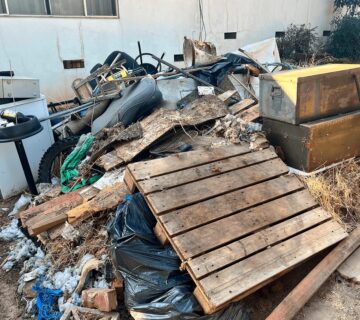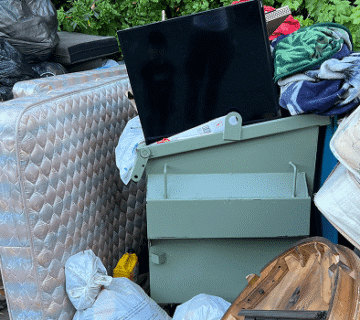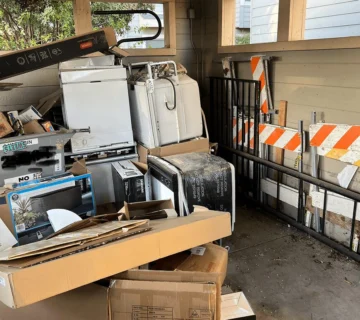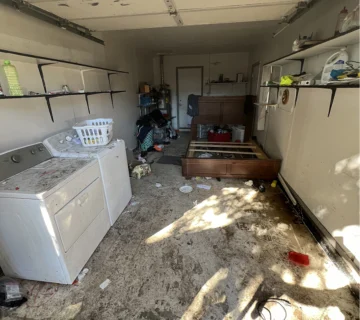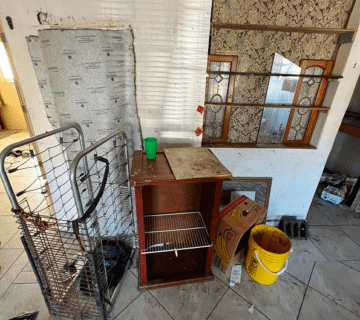
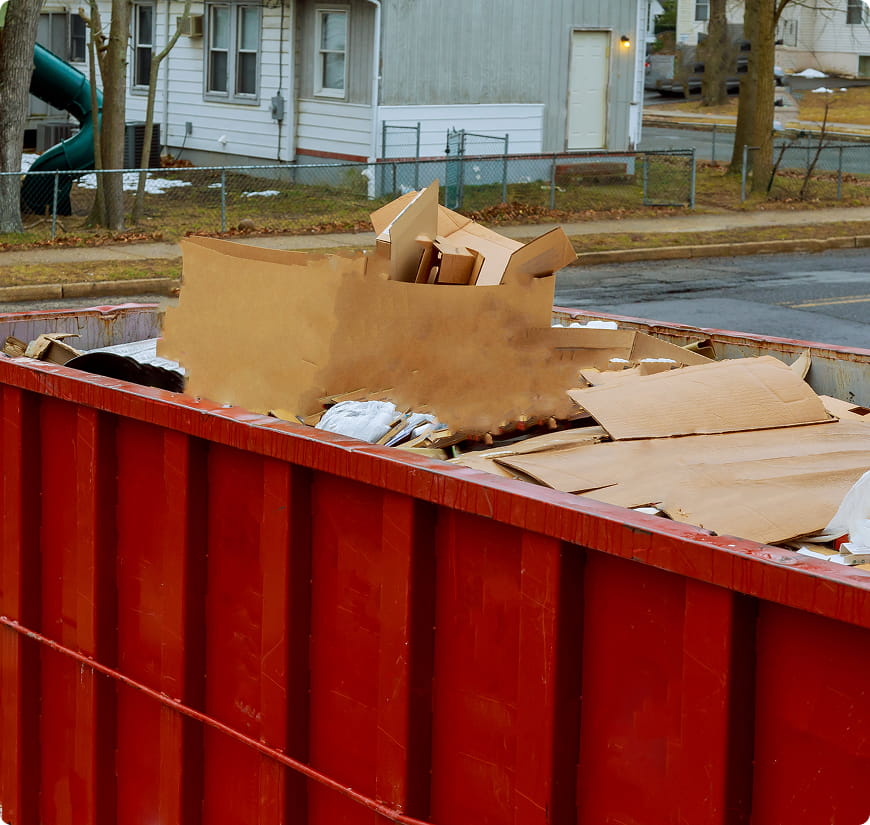
When you clear out a cluttered garage, renovate an office, or move to a new home, the easiest solution often feels like throwing everything into a dumpster. You watch the truck drive away, and the problem vanishes from your mind. However, that split-second decision sets off a chain reaction with severe ecological consequences. The things we discard do not simply disappear; they sit in massive landfills, slowly degrading and altering the environment around them.
The choice between donating your unwanted items and dumping them is not just a matter of convenience. It represents a critical environmental crossroads. Landfills are rapidly reaching capacity, emitting potent greenhouse gases, and threatening local water supplies. Alternatively, donating gently used furniture, electronics, and household goods feeds into a circular economy that conserves raw materials, reduces pollution, and supports local communities.
Understanding the true environmental impact of your disposal habits empowers you to make better choices. The way you handle unwanted items has a direct impact on the environment. Choosing between donating and dumping determines whether materials are reused or left to create long-term waste.
What Happens When You Dump Junk
Most people view landfills as giant, harmless holes in the ground where garbage rests peacefully. The reality is far more alarming. Landfills are active, volatile environments where chemical reactions constantly take place. When you toss away a perfectly usable couch or a functioning television, you contribute to a growing ecological crisis.
Methane Emissions and Climate Change
When organic materials—such as wood furniture, natural fiber textiles, and paper products—end up in a landfill, they decompose in an anaerobic (oxygen-free) environment. This specific type of decomposition produces landfill gas, a potent mixture composed primarily of carbon dioxide and methane.
Methane is a highly aggressive greenhouse gas. Over a 20-year period, methane traps significantly more heat in the atmosphere than carbon dioxide. As millions of tons of discarded furniture and organic waste rot under piles of plastic and dirt, they release massive amounts of this gas into the air. By choosing to dump wooden desks, cotton mattresses, and leather chairs instead of finding them a second home, we actively accelerate the pace of global warming.
Toxic Leaching and Groundwater Contamination
Greenhouse gases are not the only threat. As rainwater filters down through mountains of garbage, it mixes with the decomposing waste and industrial chemicals present in discarded items. This creates a highly toxic liquid known as leachate.
Many common household items contain hazardous substances. Old electronics leak lead, mercury, and cadmium. Treated wood furniture releases chemical varnishes, formaldehyde, and flame retardants. If the protective liners at the bottom of a landfill fail or degrade over time, this toxic leachate seeps directly into the surrounding soil. Eventually, it can infiltrate groundwater supplies, threatening the health of local ecosystems and human populations. Keeping these hazardous yet reusable materials out of landfills is an urgent necessity.
How Long Items Take to Break Down
To truly grasp the impact of dumping, you must understand how long everyday items take to break down. When you throw away furniture or household junk, you are leaving a physical legacy that will outlast you by generations.
Wood and Upholstered Furniture
A standard wooden dining chair or desk might seem relatively harmless because wood is a natural material. However, modern furniture is rarely just raw wood. It comes coated in synthetic varnishes, paints, and protective sealants that severely slow down the decomposition process. A treated wooden desk can take anywhere from 10 to 15 years to break down.
Upholstered furniture poses an even bigger problem. Sofas and mattresses contain a complex mix of materials: wooden frames, steel springs, polyurethane foam, and synthetic fabrics. The steel springs can take up to 50 years to degrade, while the synthetic foam and polyester fabrics can sit in a landfill for hundreds of years without breaking down completely. They simply break apart into microplastics, which contaminate the soil.
Plastics and Synthetics
Plastics are the most notorious landfill residents. If you throw away plastic storage bins, patio furniture, or acrylic home accessories, you are essentially burying permanent trash. Traditional plastics can take anywhere from 400 to 1,000 years to decompose.
Even then, they do not biodegrade in the way natural materials do. They photodegrade, meaning they simply break down into smaller and smaller fragments. These microplastics easily enter waterways and the food chain, causing widespread harm to wildlife.
Metals and Electronics
Metals take a considerable amount of time to rust and break down. Aluminum cans take about 50 to 200 years to decompose. Steel items, like filing cabinets or metal bed frames, can take 50 to 100 years.
Electronics, or e-waste, represent the most dangerous category of dumped items. A discarded computer monitor, smartphone, or printer contains glass, hard plastics, and heavy metals. The plastic casings will last for centuries, while the internal metals slowly leach toxins into the earth. E-waste constitutes a small percentage of global waste by volume but accounts for a massive portion of the toxic waste found in landfills.
The Power of Donating and the Circular Economy
The alternative to this cycle of waste and pollution is the circular economy. This economic model focuses on sharing, leasing, reusing, repairing, refurbishing, and recycling existing materials and products for as long as possible. Donating your unwanted items is a foundational pillar of this system.
Extending the Lifespan of Everyday Items
Every time you donate a piece of furniture, you double or triple its usable lifespan. A gently used desk that no longer fits your home office can serve a local student for another decade. A functioning refrigerator you replaced during a kitchen remodel can provide essential food storage for a family in need.
By keeping these items in circulation, you directly prevent them from taking up space in a landfill. You also eliminate the immediate environmental hazards associated with their decomposition, from methane generation to toxic leaching.
Conserving Natural Resources and Energy
Manufacturing new products requires a staggering amount of resources. To build a single wooden dining table, companies must harvest timber, process the wood, manufacture synthetic glues and varnishes, assemble the piece, and ship it across the country or the world. This entire supply chain consumes massive amounts of water, fossil fuels, and electricity.
When someone buys your donated table from a local thrift store or receives it through a charity, it eliminates the need to manufacture a new one. Donating reduces the demand for virgin materials. It conserves forests, saves water, and drastically cuts down on the carbon emissions associated with industrial manufacturing and global shipping networks.
How to Handle Junk More Responsibly
Taking environmental responsibility seriously starts at the local level. Whether you are clearing out a residential property or managing a commercial office cleanout, your disposal choices directly impact the region.
Assessing Your Junk Before Disposal
Before you rent a dumpster or haul items to the dump, take a moment to evaluate what you have. Separate your items into clear categories: donate, recycle, and dispose.
Look critically at your furniture, clothing, and electronics. If an item is structurally sound, clean, and functioning, it belongs in the donation pile. Even items with minor cosmetic wear can often be repaired or upcycled by the organizations that receive them. Only items that are broken beyond repair, hazardous, or severely degraded should be slated for the landfill.
Partnering with Eco-Conscious Professionals
Sorting, moving, and transporting bulky items to donation centers requires heavy lifting and suitable vehicles. Many property owners skip donating simply because the logistics feel overwhelming. This is where partnering with a responsible hauling service changes the game.
At Take Care Junk, we prioritize the environment with every job we take. Our mission is to keep as much usable material out of local landfills as possible. When we arrive to clear out your space, we do not just drive straight to the dump. We actively sort through your items, identifying furniture, appliances, and goods that can serve a second purpose. We partner with local charities and recycling centers to ensure your items are distributed responsibly.
We provide our eco-friendly removal services across the entire region. If you are cleaning out a garage and need reliable junk removal services, we handle the heavy lifting while ensuring your usable goods find new homes. If your business is upgrading its office space and requires comprehensive junk hauling services, our professional teams will manage the logistics of donating your old desks and chairs.
Conclusion
The environmental impact of dumping our unwanted items is too significant to ignore. Every piece of furniture, every old appliance, and every bag of clothes sent to a landfill contributes to greenhouse gas emissions, toxic pollution, and the rapid depletion of natural resources.
Donating is a powerful, actionable way to fight back against this waste crisis. By embracing reuse and supporting the circular economy, you protect local ecosystems and reduce the demand for new manufacturing. The next time you face a major cleanout, choose the path of environmental responsibility. If handling a large cleanout becomes overwhelming, professional junk removal can help manage sorting and responsible disposal.