

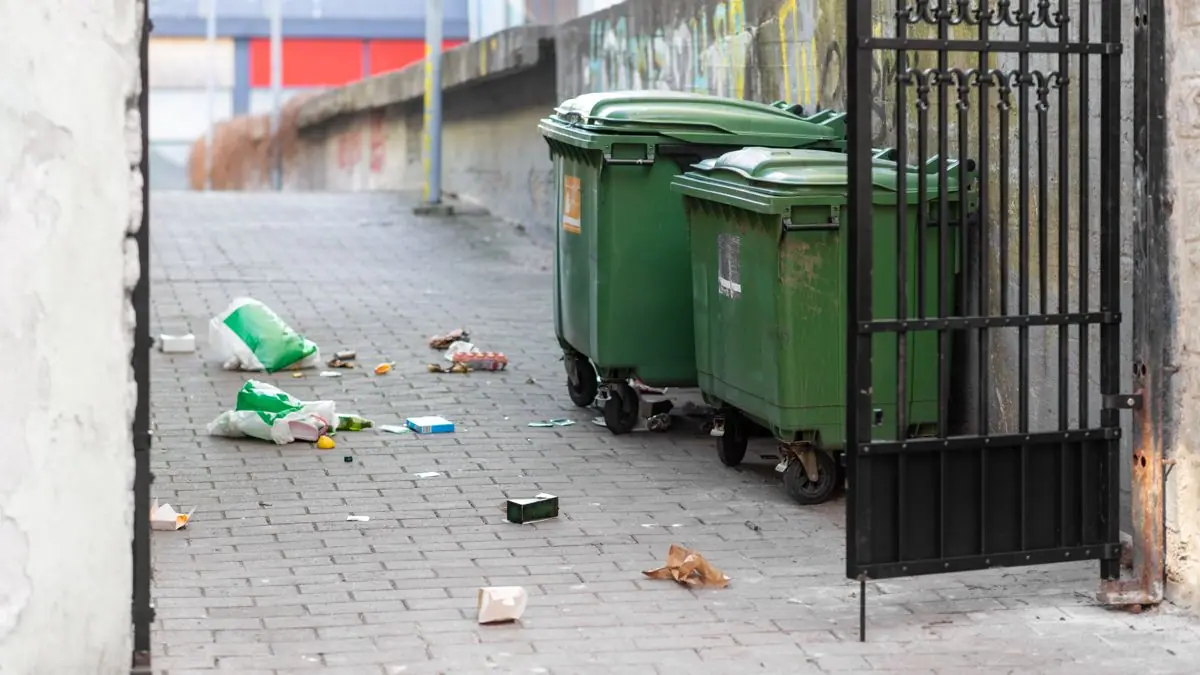
The roll-off arrives Saturday morning, and by noon it is half full: old carpet, broken shelving, a dead computer monitor and a half-empty can of wood stain tossed on top. Two of those four things are illegal in that dumpster. The carpet and shelving are fine. The monitor and the stain can bring fines, harm the environment and put sanitation workers at risk.
Renting a dumpster for a home cleanout, a commercial renovation or a big spring clean feels like the simple answer: toss it all in and it gets hauled away. But not everything can legally or safely go into a standard dumpster. If you want to declutter responsibly, here is what stays out of the bin, why, and where each item goes instead.
Why You Cannot Throw Everything in a Dumpster
Landfills and waste facilities run under strict regulations that protect local ecosystems, groundwater and the people handling your waste.
The Environmental Impact
Hazardous materials do not sit safely in a landfill. Chemicals seep into the soil and contaminate groundwater. Batteries and electronics contain heavy metals such as lead, mercury and cadmium, which pose severe long-term risks to wildlife and human health.
California Disposal Regulations
California has some of the strictest environmental and waste disposal regulations in the country. Hazardous waste, electronic waste (e-waste) and certain construction materials must be sorted and processed at specialized facilities. Hiding them in a standard bin violates state law and can bring significant penalties for both the property owner and the hauling company.
Common Items That Are Illegal to Throw in a Dumpster
Before anything goes over the side of the bin, check it against these six categories.
Hazardous Waste and Chemicals
Household cleaners, pesticides, herbicides and pool chemicals cannot go in a dumpster. Mixed with other trash under the pressure of a garbage truck, these reactive substances can cause fires or toxic fumes. They go to a household hazardous waste (HHW) facility. Sacramento County runs free HHW drop-off centers for residents, including one at the North Area Recovery Station.
Electronics (E-Waste)
Old televisions, computers, monitors, printers and smartphones cannot go in a dumpster. Their toxic components need specialized recycling, and a reputable hauler takes e-waste to a proper recycling facility instead of the landfill.
Tires and Auto Parts
Tires are notoriously hard to dispose of. In a landfill they trap methane gas and can bubble up to the surface over time, disrupting the landfill’s structure. They also catch fire easily and give off toxic smoke. Motor oil, car batteries and other automotive fluids are strictly prohibited too.
Refrigerators and Appliances with Freon
Standard scrap metal is often fine, but appliances that contain Freon, like refrigerators, freezers and air conditioners, are illegal to dump without proper processing. A certified professional has to extract the Freon first, because released into the atmosphere it severely depletes the ozone layer.
Wet Paint and Solvents
Empty, dried-out paint cans are usually fine to toss. Wet paint, paint thinners and wood stains are highly flammable and toxic. Latex paint can be mixed with cat litter or a commercial hardener until it is completely dry. Oil-based paint always goes to a hazardous waste facility, and leftover usable paint is accepted free at PaintCare drop-off sites across the Sacramento area.
Batteries
From standard alkaline AA batteries to large lithium-ion and car batteries, none of them belong in a dumpster. Lithium-ion batteries in particular are known to spark and start massive fires inside garbage trucks and recycling centers.
What Can You Safely Put in a Dumpster?
Plenty. A standard dumpster is the right place for:
- General household trash and clutter
- Wooden furniture and scrap wood
- Yard waste (branches, leaves, grass clippings)
- Cardboard and paper products
- Non-hazardous construction debris (drywall, siding, untreated lumber)
- Carpeting and flooring materials
How to Dispose of Illegal Dumpster Items Responsibly
Every item on the restricted list has a legal way out.
Use Specialized Recycling Facilities
Most counties have designated drop-off days or permanent facilities for household hazardous waste and e-waste. Auto parts stores often accept used motor oil and old car batteries. Tire retailers will typically recycle your old tires for a small fee.
Hire Professional Junk Removal Services
Learning the rules and driving heavy items to several facilities takes real time. A team that knows California’s disposal laws is the simplest way to get it done legally and safely.
Here is where we draw the line. We take refrigerators, freezers and air conditioners and route them through processors that recover the refrigerant before the unit is scrapped. A few electronics can ride along with a regular pickup, and we drop them at an e-waste recycler. We do not take liquid paint, chemicals, solvents or other hazardous waste; those go to a household hazardous waste facility. Everything else goes to the right facility, and we donate what’s usable and recycle what we can.
Let Take Care Junk Handle the Heavy Lifting
An old refrigerator, a few worn-out tires (limited quantities, so call first) or decades of garage clutter: we do the lifting, loading and sorting, so you do not have to manage the disposal yourself.
“Serge was quick to respond and very professional. His prices were reasonable. I’d definitely use him again!”
A M., YelpReady to get rid of it the right way? Visit our contact us page for a free estimate.


