You drop a crumpled piece of paper, an empty plastic milk jug, or a banana peel into your kitchen bin. You tie up the bag, carry it to the curb, and a truck hauls it away. For most people, the story ends right there. However, the moment your trash leaves your driveway, it embarks on a complex and highly engineered journey. Understanding this journey is essential for anyone who wants to make smarter, more sustainable choices about what they throw away.
Household waste does not simply vanish. It travels through specialized facilities, undergoes intense sorting processes, and eventually settles into environments where it may remain for centuries. Every material behaves differently. An apple core undergoes a completely different biological process than a plastic water bottle or a discarded aluminum can.
This comprehensive guide will trace the exact lifecycle of typical household waste. We will explore how municipalities collect your trash, what happens inside a Material Recovery Facility (MRF), and the science of long-term decomposition in modern landfills. We will also examine the severe environmental impacts of different waste streams and highlight how responsible disposal practices can protect our communities for generations to come.
The Journey Begins: From Your Home to the Curb
The lifecycle of your waste starts the moment you decide an item no longer has value. How you make that decision, and into which bin you place the item, dictates the rest of its existence.
Sorting at the Source
Waste management professionals refer to your kitchen and garage bins as the “source.” When you separate your recyclables from your general garbage, you perform source sorting. This is the most critical step in the entire lifecycle of household waste.
If you throw a recyclable aluminum can into the general trash bin, it heads straight for the landfill. It will never have the chance to become a new product. Conversely, if you throw greasy pizza boxes or half-full containers of yogurt into your recycling bin, you contaminate the recycling stream. Contamination causes massive problems for processing facilities and often forces workers to send entire loads of otherwise good recyclables to the dump.
The Role of Collection Vehicles
On your designated collection day, heavy-duty diesel or natural gas trucks arrive in your neighborhood. These trucks feature powerful hydraulic compactors. As the mechanical arms dump your bins into the hopper, a massive steel blade sweeps the trash into the main body of the truck, crushing it to maximize space.
This early compaction saves fuel by allowing the truck to service hundreds of homes before making a trip to the drop-off site. However, it also means your trash mixes tightly with your neighbors’ waste. Broken glass shards embed themselves in cardboard, and food waste leaks onto clean paper. This tightly packed, mixed state makes the next phase of the journey incredibly challenging.
The Sorting Phase: Inside Material Recovery Facilities (MRFs)
If you place your items in a recycling bin, the truck transports them to a Material Recovery Facility, commonly known as an MRF (pronounced “murf”). An MRF is a massive industrial plant designed to separate mixed recyclables into distinct, valuable material streams.
The Tipping Floor
When the collection truck arrives at the MRF, it drives onto a massive concrete area called the tipping floor. The truck dumps its entire load, creating a mountain of mixed materials. Front-end loaders then push this pile onto a series of fast-moving conveyor belts, officially starting the mechanical sorting process.
Workers stand alongside the initial conveyor belts at the pre-sort station. Their job requires intense focus and speed. They manually pull out hazardous items and “tanglers.” Tanglers include plastic grocery bags, garden hoses, electrical cords, and clothing. These flexible items wrap around the spinning gears of the facility’s machinery, causing severe damage and forcing the entire plant to shut down for maintenance.
Mechanical and Automated Sorting
Once the waste passes the manual pre-sort, technology takes over. The materials travel up an incline and enter a massive, spinning cylindrical screen called a trommel. The trommel features holes of various sizes. Heavy, 3D objects like glass bottles and plastic jugs bounce and fall through the larger holes, while flat, 2D objects like paper and cardboard ride over the top.
Next, the materials encounter a series of spinning star screens. These star-shaped rubber discs propel lighter paper forward while allowing heavier containers to drop down onto a lower belt.
Sorting Metals and Plastics
The facility uses powerful physics to separate different types of materials. To capture ferrous metals (like soup cans and steel lids), the conveyor belt passes under a massive overhead magnet. The magnet snaps the steel items off the belt and drops them into a dedicated bunker.
Aluminum cans require a different approach because aluminum is not magnetic. The MRF uses an eddy current separator. This machine features a rapidly spinning magnetic rotor that creates a powerful magnetic field. When an aluminum can passes through this field, the machine actually repels the can, launching it physically off the belt and into a separate collection bin.
Plastics present the biggest challenge because there are many different chemical types. Modern facilities use optical scanners. These scanners shoot infrared light at the plastic items moving down the belt at high speeds. The light reflects differently depending on the type of plastic. When the computer recognizes a specific plastic, such as a PET water bottle, it fires a precise blast of compressed air, shooting the bottle into the correct sorting bin.
Once sorted, massive balers crush the distinct materials into tight, rectangular blocks weighing thousands of pounds. The MRF then sells these bales to manufacturers who melt them down and turn them into new products.
The Final Destination: How Modern Landfills Operate
If you place your waste in the general garbage bin, it skips the MRF entirely. Instead, the collection truck transports it directly to a municipal solid waste landfill.
Engineered Containment Systems
Modern landfills are not simply holes in the ground. They are highly engineered containment systems designed to protect the surrounding environment from the hazardous byproducts of rotting garbage.
Before operators place any trash into a new section of a landfill, they build a complex bottom liner system. They compact several feet of dense, impermeable clay into the earth. Over this clay, they lay a thick layer of high-density polyethylene plastic. This barrier prevents toxic liquids from seeping into the groundwater.
Above the plastic liner, engineers install a leachate collection system. Leachate is the toxic, foul-smelling liquid created when rainwater filters down through layers of decaying garbage. A network of perforated pipes sits in a bed of gravel to collect this liquid. Pumps pull the leachate out of the landfill and send it to wastewater treatment plants for safe processing.
Compaction and Daily Cover
When the garbage truck dumps your trash at the active working face of the landfill, heavy machinery takes over. Massive steel-wheeled compactors, weighing over forty tons, drive back and forth over the garbage. The wheels feature heavy spikes that crush the waste, break open bags, and squeeze out air pockets to maximize the available space.
At the end of every operating day, environmental regulations require the facility to cover the freshly dumped trash. Workers spread a thick layer of soil, or sometimes a specialized spray-on foam, over the working face. This daily cover suppresses terrible odors, prevents loose trash from blowing away in the wind, and keeps pests like seagulls, rats, and flies away from the waste.
The Long-Term Decomposition of Household Waste
Once buried and sealed under the daily cover, your household waste enters a dormant state. The conditions inside a tightly packed landfill are highly unusual. Because the trash is heavily compacted and buried under tons of dirt, very little oxygen reaches the waste. This lack of oxygen fundamentally alters how materials decompose.
The Environmental Impact of Organic Matter
You might assume that throwing food scraps, yard clippings, and paper into the trash is harmless because these items are natural. In a forest, an apple core rots quickly because insects, fungi, and oxygen-breathing bacteria break it down.
Inside an oxygen-starved landfill, organic matter undergoes anaerobic decomposition. Certain types of bacteria thrive in these airless environments. As these anaerobic bacteria slowly consume your leftover food and yard waste, they produce landfill gas. Landfill gas consists of roughly fifty percent carbon dioxide and fifty percent methane.
Methane represents a massive environmental threat. It acts as an incredibly potent greenhouse gas, trapping significantly more heat in the earth’s atmosphere than carbon dioxide over a twenty-year period. While modern landfills install gas extraction wells to capture and burn this methane, large quantities still escape into the air. Therefore, sending organic matter to a landfill contributes directly and heavily to global climate change.
The Persistent Problem of Plastics
Plastics dominate modern household waste. From food packaging to broken toys to shampoo bottles, plastic materials make up a staggering percentage of our municipal trash.
Unlike organic matter, plastics do not decompose biologically. Bacteria and microorganisms do not recognize synthetic polymers as a food source. Instead, plastics undergo a process called photodegradation, which requires sunlight. Because landfills bury trash in the dark, photodegradation cannot happen.
Consequently, a plastic water bottle or a synthetic nylon jacket will sit in a landfill essentially unchanged for hundreds of years. Over the course of centuries, the immense pressure and chemical environment of the landfill may cause the plastic to become brittle and shatter into smaller pieces known as microplastics. These microplastics carry toxic chemical additives and can easily contaminate water systems if the landfill’s protective liners ever fail. The plastic you throw away today will outlive you, your children, and several subsequent generations.
The Slow Breakdown of Metals and Glass
Metals and glass follow an entirely different decomposition timeline. If you throw away an aluminum soda can or a steel soup can, the material relies on chemical oxidation (rusting) to break down.
Steel and iron will eventually rust away in a landfill, but the process takes fifty to one hundred years depending on the moisture levels in the surrounding garbage. Aluminum resists corrosion much more effectively. An aluminum can might sit buried in the dirt for two hundred to five hundred years before completely degrading.
Glass represents the ultimate survivor. Glass is made from melted silica sand, making it incredibly stable. A glass jar thrown into a landfill will never truly decompose. It will simply crack and crush under the weight of the garbage, remaining in the earth for over a million years. This extreme longevity highlights the absolute necessity of recycling glass and metal, as these materials can be melted and reformed infinitely without ever losing their quality.
The Environmental Consequences of Improper Waste Disposal
The lifecycle of household waste carries a heavy toll on our natural environment. While engineered landfills attempt to mitigate the damage, the sheer volume of waste generated by modern society overwhelms the system.
Resource Depletion
When we throw recyclable materials like paper, metal, and plastic into a landfill, we destroy valuable resources. Manufacturing a brand-new aluminum can from virgin bauxite ore requires massive amounts of destructive mining and heavy energy consumption. Recycling an existing aluminum can uses ninety-five percent less energy. By sending recoverable materials to the dump, we force industries to continuously extract fresh resources from our rapidly depleting earth.
Groundwater Contamination Risks
Despite the heavy-duty plastic liners and clay barriers at the bottom of modern landfills, nothing lasts forever. Over the course of several decades, shifting earth, heavy pressure, and caustic chemicals can cause tiny tears in the protective liners.
If a liner ruptures, the toxic leachate escapes into the surrounding soil. This liquid carries heavy metals from discarded electronics, harsh chemicals from household cleaners, and toxic dyes from synthetic clothing. Once leachate reaches the local groundwater table, it contaminates the drinking water supply for surrounding communities and destroys local ecosystems.
The Burden of Bulky Waste
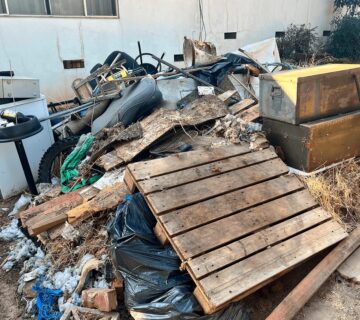
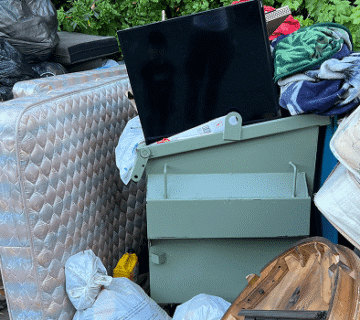
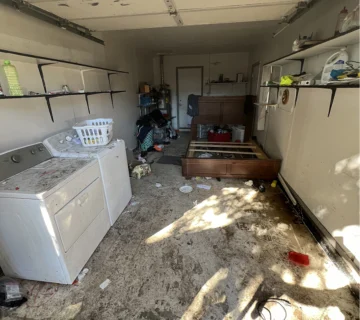
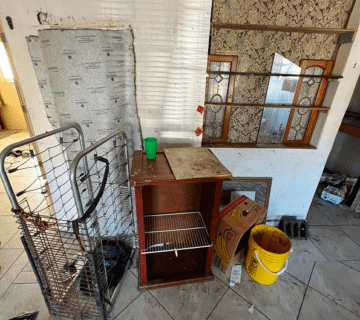
Large household items, such as old furniture, broken appliances, and torn mattresses, create severe logistical problems for waste facilities. These items take up massive amounts of valuable real estate inside the landfill. Furthermore, they resist compaction. A mattress features steel springs that pop out and tangle in the compactor’s wheels, while the foam padding acts like a sponge, bouncing back after the heavy machinery rolls over it.
Bulky items create empty voids within the garbage pile, causing the landfill to settle unevenly over time and increasing the risk of structural failures or liner tears.
How to Minimize Your Household Waste Footprint
Understanding the long, destructive lifecycle of household waste should empower you to change your daily habits. You hold the power to divert materials away from the landfill and reduce your overall environmental impact.
Reduce and Reuse
The most effective way to manage waste is to stop creating it in the first place. Opt for products with minimal packaging. Buy groceries in bulk to reduce plastic wrappers. Replace single-use water bottles, coffee cups, and shopping bags with durable, reusable alternatives.
When an item breaks, attempt to repair it before throwing it away. If you have clothing, furniture, or electronics that you no longer want but still function properly, donate them to local charities or thrift stores. Extending the lifespan of an existing product drastically reduces its environmental footprint.
Recycle Correctly
Recycling only works when you follow the rules of your local municipality. Take the time to understand exactly what your local MRF accepts. Never engage in “wish-cycling”—the practice of throwing questionable items into the recycling bin and simply hoping the facility can process them. Wish-cycling causes contamination and damages sorting machinery.
Always rinse your plastic and metal containers to remove food residue. Keep your cardboard clean and dry. Never put plastic grocery bags, tangled cords, or hazardous chemicals into your curbside recycling bin.
Composting Organic Waste
Because organic waste generates potent methane gas in a landfill, keeping it out of the trash bin is vital. You can easily start a small compost bin in your backyard.
Composting relies on aerobic decomposition (with oxygen). By mixing food scraps, coffee grounds, and yard clippings with dry leaves and turning the pile regularly, you allow oxygen-breathing bacteria to break the organic matter down quickly and safely. This process produces zero methane and yields incredibly rich, nutrient-dense fertilizer for your garden.
The Role of Professional Junk Removal in Eco-Friendly Disposal
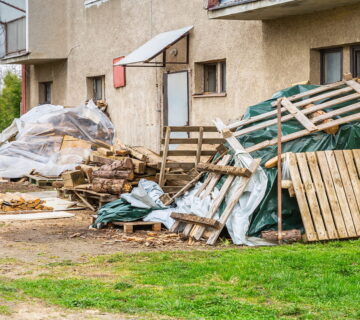
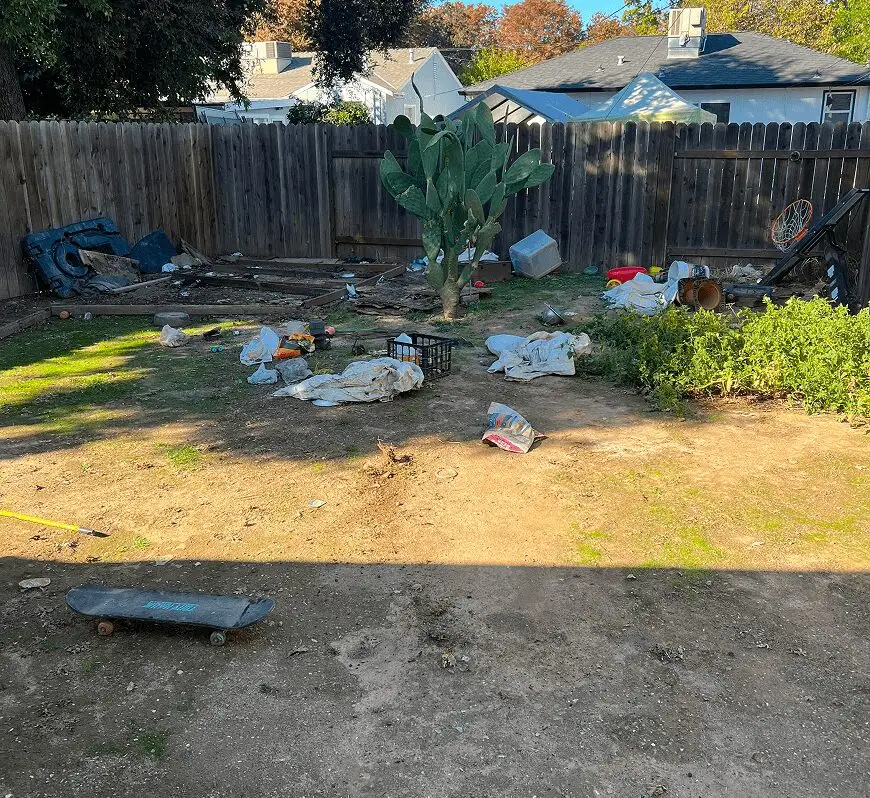
Managing everyday trash is straightforward, but dealing with large-scale cleanouts, home renovations, or bulky furniture requires a different approach. When you have more waste than your curbside bin can handle, hiring a responsible professional service becomes critical.
If you simply rent a standard dumpster, the entire contents typically head straight to the landfill, regardless of what you put inside. Professional, eco-conscious junk removal teams intercept this waste and sort it meticulously to ensure the highest possible diversion rates.
Diverting Waste from Landfills
A dedicated junk removal team understands the local waste infrastructure better than anyone. They know exactly which local facilities process scrap metal, where to take rigid plastics, and which local charities accept gently used furniture.
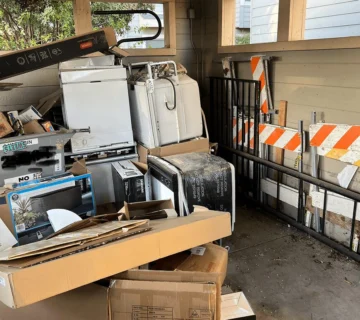
When you hire professionals, they do not just throw your items into the back of a truck and drive to the dump. They separate the materials on site. They pull out the recyclable cardboard, set aside the salvageable wood, and ensure that hazardous electronic waste goes to specialized e-waste processing centers. This extra effort guarantees that only true, unusable garbage ends up taking up space in the local landfill.
How Take Care Junk Makes a Difference
Professional junk removal plays a practical role in reducing landfill waste when it is handled correctly. Large cleanouts, bulky items, and mixed materials often require more than standard curbside disposal, and handling them improperly usually results in everything ending up in a landfill.
A more effective approach involves separating materials, identifying what can be recycled or donated, and routing each type of waste to the appropriate facility. This reduces environmental impact and ensures that reusable materials remain in circulation instead of being permanently discarded.
Handling disposal in a single, organized step also removes the need for multiple trips, guesswork about local regulations, and the physical strain of moving heavy or hazardous items.
Take Control of Your Household Waste
The lifecycle of household waste reveals a massive, hidden infrastructure that works tirelessly to manage our discarded items. From the roaring conveyor belts of the material recovery facilities to the deeply buried layers of modern landfills, your trash takes an incredible journey.
However, this system faces severe strain. Pushing organic matter, resilient plastics, and valuable metals into the earth harms our environment, drives climate change, and wastes precious natural resources. You do not have to contribute blindly to this cycle.
By taking a few extra moments to sort your recyclables properly, choosing reusable products, and composting your food scraps, you dramatically alter the lifecycle of your household items. You keep valuable materials in circulation and reduce the toxic burden on our local ecosystems.
When the job gets too big for your curbside bins, rely on professionals who share your commitment to the environment. Let the experts handle the heavy lifting, the meticulous sorting, and the eco-friendly disposal. Reclaim your space while protecting the planet for future generations. Choose a sustainable path for your unwanted items and experience the peace of mind that comes with responsible waste management.