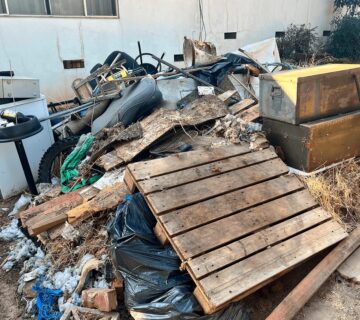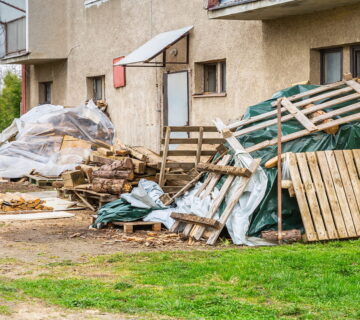
A backyard renovation is an exciting project, transforming an ordinary outdoor area into a personal oasis for relaxation, entertainment, and family fun. Whether you’re installing a new patio, redesigning the landscape, or building a deck, the result is a more beautiful and functional living space. However, before you can fire up the new grill or relax in your new garden, you must face the aftermath: the massive pile of debris. Every backyard project, big or small, generates a significant amount of waste, and dealing with it is often the most overlooked and challenging part of the job.
This waste isn’t just a simple pile of trash. It’s a complex mix of heavy, bulky, and sometimes hazardous materials that cannot be left on the curb for your weekly garbage pickup. Understanding the types of waste you’ll encounter and creating a solid plan for disposal is crucial for a smooth, safe, and successful renovation.
This guide will provide a deep dive into the common types of waste generated during backyard renovations. We will explore everything from soil and concrete to wood and green waste, discussing the challenges and proper disposal methods for each. We’ll also cover why partnering with a professional junk removal service is the most efficient and responsible way to handle the cleanup, allowing you to enjoy your new backyard sooner.
Understanding the Scale of Renovation Debris
Homeowners often underestimate the sheer volume and weight of debris a backyard project can produce. What looks like a small patio demolition can quickly become several tons of concrete. Removing a few shrubs can result in a mountain of branches and roots. This miscalculation can lead to major logistical headaches, unexpected costs, and project delays.
The first step in managing renovation waste is to identify the materials you’ll be dealing with. A typical backyard overhaul can involve several distinct project types, each with its own waste profile.
- Landscaping and Yard Clearing: This includes removing old sod, soil, trees, shrubs, and other organic matter.
- Hardscape Demolition: This involves breaking up and removing old patios, walkways, retaining walls, and driveways made of concrete, brick, or stone.
- Deck and Fence Removal: This generates large quantities of wood, which may be treated or untreated, along with nails, screws, and concrete footings. For more on fence disposal, see our fence removal guide and wood waste removal services.
- New Construction Debris: This includes leftover materials from building new features, such as wood scraps, concrete mix bags, packaging, and unused pavers.
Each of these materials requires a different disposal strategy. Mixing them all into one giant pile can make disposal more difficult and expensive, and it prevents recyclable materials from being processed correctly.
In-Depth Look at Common Backyard Waste Types
Let’s break down the specific types of waste you are likely to encounter and the best practices for handling each one.
1. Soil, Sod, and Earth
Any project that involves digging, regrading, or creating new garden beds will generate a surprising amount of earth.
Characteristics:
- Heavy and Dense: Soil is incredibly heavy, especially when wet. A single cubic yard of soil can weigh over a ton (2,000 pounds).
- Bulky: Even a small excavation project can produce a large mound of dirt that takes up significant space.
- Potentially Contaminated: Soil from urban or older properties can sometimes be contaminated with chemicals, pesticides, or construction debris, which may affect disposal options.
Disposal Challenges and Solutions:
- Municipal Restrictions: Most municipal waste services will not pick up large quantities of soil or sod from the curb.
- DIY Hauling: Hauling soil yourself is back-breaking work. It requires a heavy-duty truck or trailer and can involve multiple trips to a landfill or clean fill site. You’ll also need to pay disposal fees, which are calculated by weight.
- Repurposing: Clean topsoil can be valuable. You can use it to fill in low spots in your yard, build raised garden beds, or offer it for free to neighbors or local gardeners. However, you must be sure it is “clean fill,” meaning it’s free of rocks, roots, and contaminants.
- Clean Fill Sites: There are specific facilities that accept clean soil and rock. They often use this material for large-scale construction and land reclamation projects. You will need to find a site near you and verify their acceptance criteria.
For large amounts of soil, dirt, or earth, professional junk hauling saves significant time, labor, and disposal headaches.
2. Concrete, Brick, and Pavers
Demolishing an old patio, walkway, or retaining wall results in a pile of heavy, inert material that is impossible to ignore.
Characteristics:
- Extremely Heavy: Concrete is one of the heaviest and densest construction materials. Attempting to lift and move large broken slabs is a primary cause of back injuries during DIY projects.
- Sharp and Abrasive: Broken concrete and brick have sharp edges that can easily cause cuts and scrapes.
- Often Contains Rebar: Concrete slabs are frequently reinforced with steel bars (rebar), which can be sharp, rusty, and difficult to cut.
Disposal Challenges and Solutions:
- Landfill Unsuitability: While landfills will accept concrete, it is not an ideal destination. It’s heavy, takes up a huge amount of space, and does not biodegrade.
- Recycling is Key: Concrete and brick are highly recyclable. Specialized recycling facilities use powerful crushers to break down the material into different sizes. This crushed aggregate, known as Recycled Concrete Aggregate (RCA), is a valuable resource.
- Uses for Recycled Aggregate: RCA is widely used in new construction projects. It can serve as a stable base layer for new roads and driveways, as backfill for retaining walls, or even as an ingredient in new concrete mixes.
- Finding a Recycler: The challenge for homeowners is transporting the material. You must locate a concrete recycling facility and have the means to haul several tons of debris there yourself. Some facilities may have minimum drop-off quantities.
Heavy concrete and brick debris are much safer and easier to remove with professional hauling instead of trying to manage multiple dump trips yourself.
3. Wood Waste (Lumber, Fencing, and Decking)
Deconstructing an old deck, fence, or pergola creates a large volume of wood waste. The disposal method for this wood depends entirely on one critical factor: whether it has been treated.
Characteristics:
- Bulky and Awkward: Long fence posts, deck planks, and framing members are difficult to handle and transport.
- Full of Fasteners: Old wood is riddled with nails, screws, and bolts. These are a major safety hazard, causing puncture wounds and tetanus risk. They also need to be removed before the wood can be processed for some recycling methods.
- Treated vs. Untreated: This is the most important distinction.
- Untreated Wood: Natural wood like cedar or redwood can be safely repurposed, chipped into mulch, or even used as firewood.
- Treated Wood: Most older outdoor wood structures are made from pressure-treated lumber. This wood has been infused with chemicals (like CCA, or chromated copper arsenate, in older wood) to prevent rot and insect damage.
Disposal Challenges and Solutions for Treated Wood:
- Hazardous Waste: Pressure-treated wood is considered hazardous waste in many jurisdictions. The chemicals it contains can be harmful to humans and the environment.
- NEVER Burn Treated Wood: Burning pressure-treated wood releases toxic chemicals into the air, creating a serious health hazard. The resulting ash is also toxic and requires special handling.
- No Mulching: The chemicals in treated wood will leach into the soil, so it must never be chipped into mulch for use in gardens or landscaping.
- Proper Landfill Disposal: Treated wood must be taken to a specific type of landfill that is lined and equipped to handle hazardous or designated waste. You cannot simply mix it in with regular trash.
For specialist fence or deck debris removal, the Take Care Junk team can help.
4. Green Waste (Branches, Leaves, Stumps)
Extensive landscaping work, tree removal, or simple yard clearing can generate an enormous pile of organic material, often referred to as green waste.
Characteristics:
- High Volume: What starts as a few branches can quickly become an unmanageable pile that overtakes your driveway.
- Varying Density: A pile of light, dry leaves is very different from a collection of heavy logs or dense tree stumps.
- Can Be Recycled: Green waste is 100% organic and can be recycled into valuable landscape products.
Disposal Challenges and Solutions:
- Curbside Limits: While many cities offer green waste bins, they are intended for routine yard maintenance, not the massive volume from a renovation. You will likely have far more than can fit in your bin.
- Composting and Mulching: If you have the space and equipment, you can rent a wood chipper to turn branches into mulch for your garden beds. Large-scale composting is also an option, but it requires significant space and management.
- Municipal Green Waste Facilities: Most regions have dedicated facilities that accept green waste. They process this material on an industrial scale, turning it into compost, mulch, and soil amendments that are then sold back to the public or used in municipal landscaping projects. Again, the main challenge is transporting the bulky material to the facility.
- Stump Removal: Tree stumps are a particularly difficult type of green waste. They are heavy, dense, and require special equipment like a stump grinder to remove.
Large piles of branches, stumps, and green waste are often much easier to handle with full-service removal, especially after major landscaping projects.
5. Scrap Metal
Backyard projects often unearth or create scrap metal waste. This can come from old metal sheds, chain-link fences, dismantled playsets, old lawn furniture, or steel rebar from concrete.
Characteristics:
- Valuable: Metal is a valuable commodity. Steel, aluminum, and copper can all be sold to scrap metal dealers.
- 100% Recyclable: Metals can be melted down and reformed into new products with no loss of quality, saving enormous amounts of energy compared to producing new metal from virgin ore.
- Hazardous Edges: Cut or broken metal often has extremely sharp edges.
Disposal Challenges and Solutions:
- Separation is Key: To get the most value, you should separate different types of metal (e.g., steel from aluminum).
- Transport to a Scrap Dealer: The primary challenge is hauling it. You will need a truck to transport the metal to a scrap yard. While you will get paid for it, you must decide if the time and effort are worth the payout for the quantity you have. A professional service that works with scrap dealers might be a more efficient choice.
Professional junk removal makes scrap metal pickup faster and helps ensure recyclable materials are handled properly.
The Disposal Dilemma: DIY vs. Professional Help
After identifying the waste your project will generate, you face a critical decision: how will you get rid of it? There are three main paths you can take.
Path 1: The Full DIY Approach
This involves you personally handling every aspect of waste removal.
- Process: You rent or borrow a truck, load all the debris yourself, and haul it to the appropriate facilities—the clean fill site for soil, the concrete recycler, the designated landfill for treated wood, and the scrap dealer for metal.
- Pros: It can potentially be the cheapest option in terms of direct cash outlay.
- Cons: This path is incredibly labor-intensive, time-consuming, and carries a high risk of personal injury. It also requires you to research and locate all the different disposal facilities, understand their hours and fees, and make multiple trips.
Path 2: The Dumpster Rental Approach
This is a popular middle-ground option for DIY projects.
- Process: You rent a large roll-off dumpster, which is delivered to your property. You then fill it with your debris.
- Pros: It contains the mess to one location and allows you to work at your own pace.
- Cons: You still have to do all the heavy lifting. Dumpsters can be expensive, unsightly, and may require permits. Crucially, most dumpster companies have strict rules about mixing materials. You may need separate dumpsters for concrete (“inert materials”) and general construction debris, which dramatically increases the cost.
For larger cleanup projects, professional hauling often works better than renting multiple dumpsters and handling all the loading yourself.
Path 3: The Professional Junk Removal Service Approach
This is the all-in-one, hassle-free solution.
- Process: You make a phone call. A professional team arrives at your property, gives you an upfront price, and, upon your approval, loads all the debris onto their truck and hauls it away.
- Pros:
- Zero Physical Effort: You don’t lift a finger. This saves your back and prevents injury.
- Time Savings: The job is done quickly and efficiently, often in a single visit.
- Responsible Disposal: A reputable company like Take Care Junk handles all the sorting for you. We are experts in local disposal regulations and have established relationships with recycling centers. We ensure your concrete, green waste, and metal are recycled, and all other materials are disposed of properly.
- Cost-Effective: When you factor in the value of your time, the cost of truck rentals, fuel, and multiple disposal fees, a professional service is often the most economical choice.
City pickup may work for a few bags of yard waste, but backyard renovations usually create heavy concrete, treated wood, broken fencing, large branches, and oversized debris that standard curbside pickup will not handle. Full-service junk removal saves time, labor, and repeated trips to multiple disposal facilities.
Take Care Junk: Your Backyard Renovation Cleanup Partner
We proudly serve homeowners across Sacramento and surrounding communities, helping with everything from patio demolition cleanup and fence removal to green waste hauling, deck debris, and full backyard renovation cleanup. Whether the project involves concrete, lumber, landscaping waste, or oversized outdoor debris, our goal is simple: make cleanup fast, easy, and stress-free.
With Take Care Junk, the process is simple. You point, and the junk disappears. We handle all the heavy lifting, loading, and sorting. Our commitment to the environment means we divert as much waste as possible from landfills, recycling everything we can. This isn’t just good for the planet; it’s part of being a responsible member of the communities we serve.
Don’t let the final cleanup stand between you and your dream backyard. Let the professionals handle the mess so you can start enjoying the fruits of your labor.
Ready to clear out what the remodel left behind? Contact us today for a free, no-obligation estimate and let us take care of the junk.