Selling your home is a significant undertaking, and one of the most impactful steps you can take is to declutter. A clean, organized, and spacious-looking home doesn’t just look better in photos; it allows potential buyers to envision themselves living in the space. This process can directly influence how quickly your house sells and for how much. But where do you even begin? The task of sorting through years of accumulated belongings can feel overwhelming.
This guide provides a comprehensive, room-by-room strategy to help you declutter your home effectively. We will cover why decluttering is crucial for a successful sale, how to approach the process systematically, and what to do with all the items you decide to let go of. By following these steps, you can transform your property into a buyer’s dream and simplify your own moving process. For the items that need to go, handling the final removal step is often the most time-consuming part of the process.
Why Decluttering is Non-Negotiable When Selling
Before diving into the “how,” it’s important to understand the “why.” Decluttering is more than just a simple cleaning task; it is a strategic marketing tool for your property.
Creating a Blank Canvas for Buyers
Potential buyers need to see your house as their future home, not as your current one. When a space is filled with personal items, family photos, and distinct collections, it can be difficult for them to mentally place their own furniture and life within the walls. Clutter is a distraction. By removing it, you create a neutral, blank canvas. This allows buyers’ imaginations to take over, which is a powerful step toward them making an offer. A decluttered space feels larger, brighter, and more inviting, highlighting the home’s features rather than the owner’s possessions.
Highlighting Key Features and Square Footage
Is there beautiful hardwood flooring hiding under that stack of magazines? Do you have stunning crown molding that’s obscured by tall, cluttered shelving? Clutter can hide your home’s best selling points. When you clear away the excess, you allow the architectural details, storage space, and overall layout of your home to shine.
Buyers are paying for square footage, and a cluttered home can feel significantly smaller than it is. Piles of items on the floor, overflowing closets, and crowded countertops shrink the perceived size of a room. By clearing these surfaces, you visually expand the space, making every square foot count and helping justify your asking price.
Improving Online Listings and Showings
Your home’s first showing almost always happens online. Professional real estate photos are crucial, and a cluttered home simply does not photograph well. Clutter makes rooms look dark, small, and chaotic. A clean, decluttered space looks pristine and appealing in photos, attracting more potential buyers to schedule an in-person visit.
During showings, this positive impression continues. Buyers can walk freely through rooms without navigating around piles of stuff. They can open closets and cabinets without the fear of an avalanche. This seamless experience contributes to a positive overall feeling about the property, increasing the likelihood of a strong offer. A home that feels well-maintained and cared for gives buyers confidence in their potential purchase.
Streamlining Your Move
One of the most practical benefits of decluttering before you sell is that it gives you a massive head start on your own move. Why pay to pack, move, and unpack items you no longer want or need? Sorting through your belongings at this stage means you will only take what is necessary and loved to your new home. This saves you time, money, and significant effort during the already stressful moving process. For everything you decide not to take, junk removal services can be a lifesaver. Having a clear plan for disposal is important.
The Decluttering Game Plan: A Systematic Approach
The thought of decluttering an entire house can be paralyzing. The key is to break it down into manageable steps and focus on one area at a time.
Gather Your Supplies
Before you start, get your tools ready. This will help you stay organized and efficient. You will need:
- Boxes or Bins: Clearly label them: Keep, Donate, Sell, and Dispose/Junk.
- Packing Tape and Markers: For sealing and labeling boxes.
- Cleaning Supplies: Rags, all-purpose cleaner, and a vacuum will be needed as you clear spaces.
- A Positive Mindset: Remember your goal—a successful home sale and an easier move.
The Four-Box Method
For every room you tackle, use the four-box method. As you pick up each item, make a quick decision and place it into one of the following boxes:
- Keep: These are items you love, use regularly, and definitely want to take to your new home. For selling purposes, many of these “keep” items may need to be packed up and stored off-site to depersonalize the space.
- Donate: Items that are in good, usable condition but you no longer need. Local charities or thrift stores can benefit from these.
- Sell: Higher-value items you don’t want but could sell online, at a consignment shop, or in a garage sale. Be realistic about the time and effort this requires.
- Dispose/Junk: This is for broken items, expired goods, old papers, and anything that can’t be donated or sold. This is where a professional junk hauling service becomes invaluable.
Start Small and Build Momentum
Don’t try to tackle the entire house in one weekend. Start with a small, manageable area like a single drawer, a small closet, or the laundry room. The feeling of accomplishment from completing a small space will give you the motivation to continue. Schedule decluttering sessions on your calendar just as you would any other important appointment.
Room-by-Room Decluttering Strategy
Apply the four-box method as you move through each area of your home. The goal is to make each room feel as spacious, bright, and neutral as possible.
The Entryway: First Impressions Matter
The entryway is the very first space a buyer sees. It must be clear, welcoming, and functional.
- Clear the Floor: Remove all shoes, boots, and bags. All footwear should be stored out of sight.
- Organize the Closet: The coat closet will be opened. Pare down jackets and coats to a few essentials for the current season. The rest should be packed. Make sure hangers are uniform and spaced out.
- Surface Control: If you have an entryway table, it should be almost empty. A small, simple decorative item like a plant or a bowl for keys is sufficient. Remove mail, flyers, and personal items.
The Living Room: Creating a Relaxing Space
The living room is often a focal point. Buyers need to envision themselves relaxing and entertaining here.
- Depersonalize: This is crucial. Pack away family photos, children’s artwork, and personal collections. Replace them with neutral art or mirrors, which can make the space feel larger.
- Manage Media: Tidy up entertainment centers. Organize DVDs, video games, and CDs into binders or storage boxes and pack them away. Tame the tangle of cords and cables with zip ties or cord organizers.
- Evaluate Furniture: Too much furniture can make a room feel cramped. Consider putting oversized or excess pieces into storage. Arrange the remaining furniture to create clear walking paths and showcase the room’s flow.
- Clear Surfaces: Coffee tables and end tables should be mostly clear. A couple of art books or a single decorative piece is enough. Remove stacks of magazines and remote controls.
Removing old, bulky furniture can instantly improve the feel of your living space.
The Kitchen: The Heart of the Home
Kitchens sell houses, but a cluttered kitchen is a major turn-off. Buyers want to see ample counter space and storage.
- Countertops are King: Clear everything off the countertops. This is the most important step. Store away the toaster, coffee maker, knife block, and utensil crock. The goal is to show off as much counter space as possible.
- Tackle the Cabinets and Pantry: Go through every cabinet and the pantry. Be ruthless. Dispose of expired food, old spices, and duplicate utensils. Pack away appliances and specialty dishes you don’t use daily. Organize what’s left so that when buyers peek inside, they see order and space.
- The Refrigerator: Clean the inside of the refrigerator thoroughly. On the outside, remove all magnets, photos, and calendars. A clean, empty refrigerator door makes the whole kitchen look cleaner.
- Junk Drawer: Every home has one. Empty it completely. Only put back the absolute essentials. The rest can be packed, tossed, or relocated.
The Dining Room: Showcase Entertaining Potential
Buyers should be able to imagine hosting holiday dinners or family gatherings in this space.
- Clear the Table: The dining table should be clear except for a simple, elegant centerpiece like a vase of flowers or a bowl of fruit.
- Empty the Hutch: If you have a china cabinet or hutch, pack away most of the dishes and glassware. Leave only a few matching, decorative pieces to suggest its purpose without creating clutter.
- Assess Furniture: Ensure there is enough space to comfortably walk around the table and chairs. If the room is small, consider removing the leaf from the table or storing extra chairs.
The Bedrooms: Sanctuaries of Peace
Bedrooms should feel like restful, private retreats.
- Depersonalize and Declutter: As with the living room, pack away all personal photos and trinkets. Clear off nightstands and dressers, leaving only a lamp and perhaps one book.
- Conquer the Closet: The closet is a major selling point. Buyers will open it. Your goal is to make it look spacious. Pack away all out-of-season clothing. Organize the remaining clothes by type and color. The floor should be completely clear. If the closet still looks full, pack up more clothes. You want it to look like it has room to spare.
- Under the Bed: This is not a storage area during a home sale. Clear out everything from under the bed to maximize the sense of space.
- Children’s Rooms: This can be challenging. Pack away the majority of toys, books, and games. Use storage bins for the few that remain and keep them neatly organized. Depersonalize by removing posters and excessive artwork. Create a clean, simple space that any child could imagine as their own. This step is especially important in homes with children.
The Bathrooms: A Spa-Like Experience
Bathrooms should feel clean, hygienic, and functional.
- Clear the Vanity: The bathroom counter should be completely clear. Store toothbrushes, makeup, and daily toiletries in a small caddy that you can pull out and put away easily.
- Medicine Cabinet: Buyers will look inside. Remove and dispose of expired medications and old products. Neatly arrange the few remaining essentials.
- Shower and Tub: Remove all but the essential soap and shampoo. Use a new shower curtain and liner. Make sure tile and grout are sparkling clean.
- Linen Closet: Go through all towels and sheets. Keep only your best matching sets. Fold them neatly and stack them with space between the stacks to show off storage capacity. Donate or dispose of old, frayed linens.
The Office: A Functional Workspace
With more people working from home, a dedicated office space can be a huge draw.
- File or Shred: Tackle paper clutter head-on. Sort through piles of paper, filing what you must keep and shredding the rest. Your goal is a clean desk and clear surfaces.
- Organize Supplies: Pack up most of your office supplies. Keep only a pen, a notepad, and your computer on the desk.
- Streamline Bookshelves: Bookshelves should be styled, not stuffed. Pack away the majority of your books. Arrange the rest neatly, interspersing them with a few simple decorative objects. An organized bookshelf looks intentional and adds to the room’s appeal.
The Garage, Attic, and Basement: Unlocking Hidden Value
These storage areas are often the most daunting but decluttering them is critical. Buyers want to see that there is ample storage space for their own belongings.
- Sort and Purge: This is where your “Dispose/Junk” box will get the most use. Be aggressive in getting rid of old paint cans, broken tools, unused sports equipment, and holiday decorations you haven’t used in years.
- Organize and Zone: Group similar items together. Create zones for tools, gardening supplies, and sports equipment. Use shelving units to get as much as possible off the floor.
- Show the Space: The goal is to show the full dimensions of the garage or basement. Buyers should be able to see the walls and floor. They need to be able to visualize parking their cars in the garage or setting up a workshop.
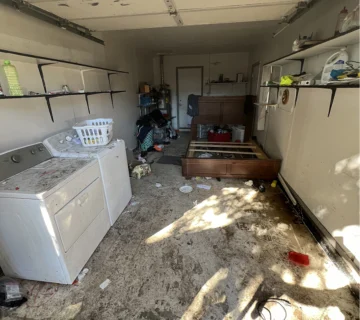
A clean garage can be a deciding factor for many buyers. Don’t let this space become a dumping ground.
Handling the Aftermath: What to Do with Your Piles
Once you have sorted everything, you will be left with several piles.
- Keep: Pack these items neatly in labeled boxes. If they are not essential for daily living, move them to an off-site storage unit. This is the best way to truly stage your home.
- Sell: List items on platforms like Facebook Marketplace or hold a garage sale. Be mindful of your timeline; selling items can take time.
- Donate: Schedule a pickup from a local charity or drop items off at a donation center.
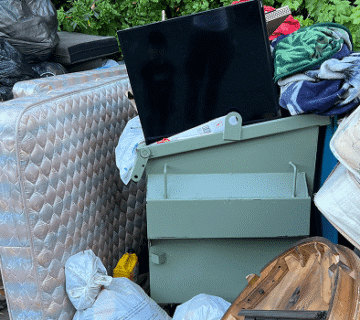
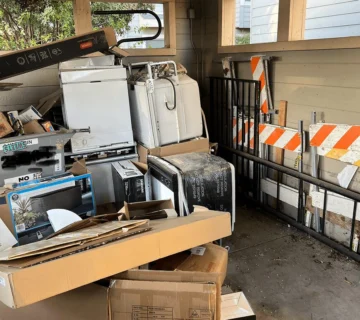
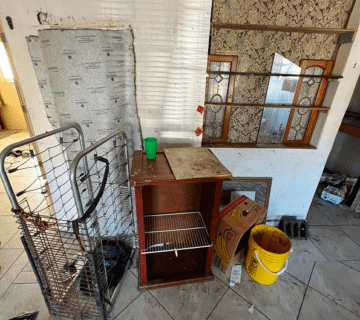
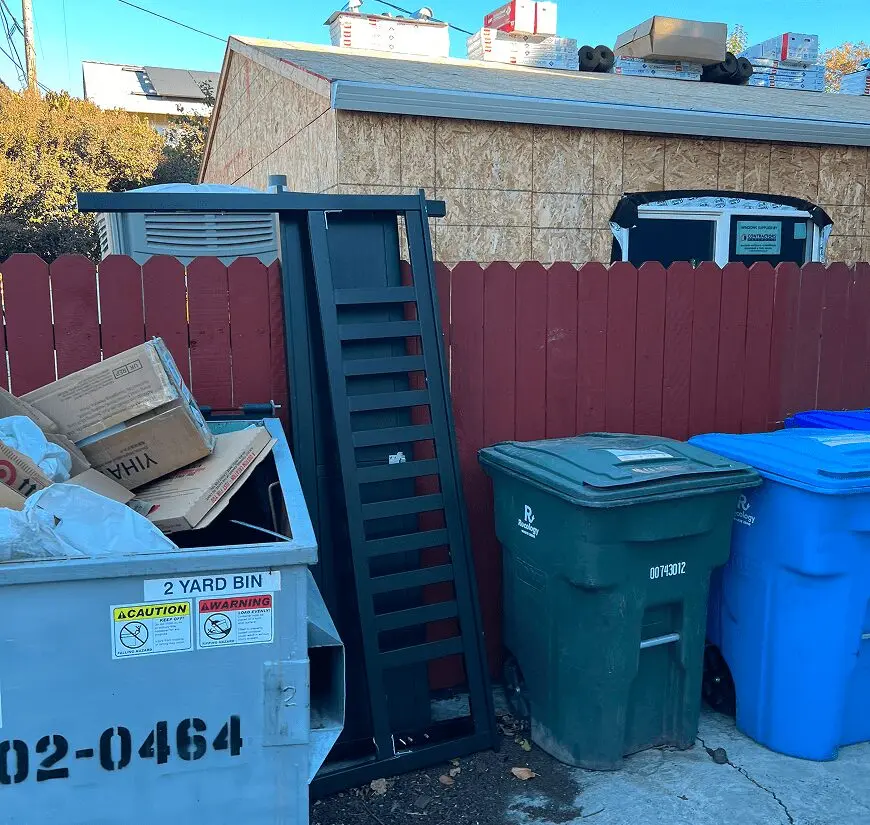
- Dispose/Junk: This is often the largest and most difficult pile to handle. It can include old furniture, broken appliances, construction debris, and bags of miscellaneous trash. This is where professional help is a game-changer.
The Role of Professional Junk Removal
Attempting to haul away years of accumulated junk on your own can be time-consuming, physically demanding, and complicated. You may need to rent a truck, make multiple trips to the dump or recycling center, and pay disposal fees.
Handling disposal after decluttering is often the most physically demanding and time-consuming part of the process. Large items, mixed materials, and local disposal requirements can make it difficult to manage everything efficiently. Coordinating removal in a single step reduces the need for multiple trips and simplifies the final stage of preparing the home for sale
Final Touches: Deep Clean and Staging
Once all the clutter is gone, it’s time for a thorough deep clean. This means cleaning windows, scrubbing baseboards, cleaning carpets, and making every surface shine. After the deep clean, you can perform final staging touches, like adding fresh flowers, setting out new towels in the bathroom, and ensuring every room has excellent lighting.
Decluttering is an investment in your home’s sale. It takes effort, but the payoff is a faster sale, a higher selling price, and a much smoother move. By breaking the process down room by room and enlisting professional help for the final haul-away, you can transform your property and make a lasting impression on potential buyers.
Ready to clear out the clutter and prepare your home for a successful sale? Contact Take Care Junk today to learn how our junk removal services can make your pre-sale preparations simple and stress-free.