Decluttering your home feels incredible. Clearing out overflowing closets, packed garages, and stuffed kitchen cabinets breathes new life into your living space. But as the piles of unwanted items grow, a common question arises: what should you actually do with all this stuff? Tossing everything into the trash bin might seem like the easiest route, but it carries a heavy environmental cost.
Many of the items we casually throw away have plenty of life left in them. Donating these items provides essential goods to families in need, supports local charities, and protects our beautiful Sacramento environment. Knowing exactly what items can be donated instead of thrown away transforms your weekend cleaning project into a powerful act of community support.
Why Donating Matters
Choosing to donate rather than discard your unwanted belongings does much more than clear up floor space. It directly impacts the health of our local environment and contributes to a sustainable future for Northern California.
Keeping Waste Out of Sacramento Landfills
Our local landfills handle massive amounts of municipal solid waste every single day. A significant portion of this waste consists of perfectly usable goods. When you throw away a functioning toaster or a gently worn sweater, it takes up valuable landfill space. Items like synthetic clothing, hard plastics, and metal electronics can take hundreds of years to break down. By redirecting these items to local thrift stores and shelters, you actively extend the lifespan of our regional waste facilities and prevent soil contamination.
Reducing Manufacturing Demands
Creating brand-new products requires a tremendous amount of natural resources. Manufacturing textiles consumes thousands of gallons of water. Building new electronics requires mining for heavy metals and rare earth elements. Producing plastic toys relies heavily on petroleum products.
When you donate an item, you participate in the circular economy. You give a product a second life, which directly reduces the demand for new manufacturing. This lowers the greenhouse gas emissions associated with producing, packaging, and shipping new goods across the globe.
Textiles and Clothing: Give Fabric a Second Life
Closets are often the first target during a home organization project. Fashion trends change, children grow out of their outfits, and certain pieces simply get pushed to the back of the wardrobe. Instead of throwing these garments away, bag them up for donation.
What Clothing Can You Donate?
Charitable organizations and thrift stores are always in desperate need of clean, wearable clothing. You can comfortably donate:
- Shirts, pants, and dresses
- Winter coats and heavy jackets
- Clean shoes, boots, and sneakers
- Belts, hats, and scarves
- Unused socks and undergarments (must be new with tags)
Ensure all clothing is washed before you donate it. Charities do not have industrial laundry facilities on-site to clean your garments.
What to Do With Worn-Out Textiles
What happens if a shirt has a massive tear, or a pair of jeans is heavily stained with paint? While thrift stores cannot sell these items on their retail floors, you still should not throw them in the trash. Many large charitable organizations have textile recycling programs. They bundle unwearable fabrics and sell them to textile recyclers. These companies break the fabrics down to create industrial rags, carpet padding, and home insulation. Always clearly label bags of damaged clothes as “For Textile Recycling” so volunteers know how to process them.
Kitchenware: Equip Another Family’s Home
Upgrading your kitchen appliances or investing in a new set of pots and pans leaves you with older, perfectly functional kitchenware. Purchasing kitchen essentials brand-new is a significant financial hurdle for many young families and individuals transitioning into permanent housing. Your donations make a huge difference.
Acceptable Kitchen Items
Thrift stores sell kitchen goods quickly. If the items are clean and functional, pack them securely in a cardboard box. Charities eagerly accept:
- Plates, bowls, and coffee mugs (free of major chips or cracks)
- Silverware and cooking utensils
- Pots, pans, and baking sheets
- Glassware and Tupperware (must include matching lids)
- Working small appliances like blenders, toasters, and coffee makers
Items to Leave Out of the Donation Box
For health and safety reasons, do not donate broken appliances, heavily rusted baking pans, or knives that are severely damaged. If a non-stick pan has deep scratches that expose the metal underneath, it poses a health risk and should be recycled as scrap metal rather than donated.
Electronics: Recycle and Reuse Safely
We constantly upgrade our smartphones, televisions, and computers. This rapid technological turnover creates a massive amount of electronic clutter. Electronics should never be thrown into your standard garbage bin.
Working Electronics and Gadgets
Many local charities accept functioning electronics. These items are highly valued by bargain hunters and families who need affordable technology for school or work. You can safely donate:
- Flat-screen televisions
- Desktop computers, laptops, and tablets
- DVD players and gaming consoles
- Stereo equipment and speakers
- Digital cameras
Before donating any personal device, perform a factory reset to wipe all your personal data, passwords, and photographs.
The Danger of E-Waste
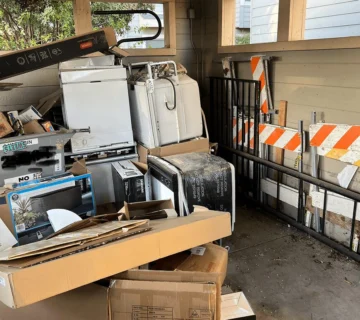
If an electronic device is broken, it becomes e-waste. E-waste contains hazardous materials like lead, mercury, and cadmium. If you throw a broken laptop in the trash, these chemicals eventually leach into the groundwater. Broken electronics must be taken to certified e-waste recycling facilities, where the precious metals are safely extracted and the dangerous chemicals are contained.
Books and Media: Share the Joy of Reading
Books are heavy, bulky, and take up a significant amount of space. However, they are also timeless resources that hold tremendous value for the community.
Types of Books Charities Love
Used bookstores, public libraries, and charitable thrift stores rely on book donations to keep their shelves stocked. You can comfortably donate:
- Paperback and hardcover novels
- Children’s picture books and young adult fiction
- Cookbooks and craft guides
- Historical biographies and memoirs
- Complete puzzle boards and board games
Items to Recycle Instead
Charities generally do not want outdated encyclopedias, old textbooks with highlighted pages, or magazines. The information in these materials is often obsolete. Because most paperback books are printed on lower-quality paper, you can usually place old, unwanted paperbacks directly into your household recycling bin.
Toys and Games: Bring Joy to Local Children
Children outgrow their toys rapidly. A toy that was beloved six months ago often ends up collecting dust in a toy box. Donating these items brings joy to other children in the Sacramento community while clearing out your playroom.
Guidelines for Donating Toys
Thrift stores, family shelters, and local community centers often accept gently used toys. When preparing toys for donation, make sure they are clean and functional. Wipe down plastic toys with a sanitizing wipe. Ensure that all puzzles and board games have their required pieces; a puzzle missing a single piece is incredibly frustrating and cannot be sold.
Due to strict safety regulations and recall liabilities, charities generally do not accept used baby gear like cribs, car seats, or high chairs.
Donating Building Materials
If you recently completed a home renovation, you likely have leftover building supplies. You might have swapped out old cabinets, replaced a functioning sink, or simply bought too much tile.
Usable Construction Supplies
Organizations like Habitat for Humanity operate ReStore locations that specifically sell building materials and home fixtures. The proceeds fund affordable housing projects in the region. You can donate:
- Unused lumber and plywood
- Whole boxes of tile or hardwood flooring
- Functioning light fixtures and ceiling fans
- Kitchen cabinets and bathroom vanities
- Interior and exterior doors
Donating these heavy items keeps massive amounts of debris out of local landfills and provides affordable materials for community members tackling their own home repairs.
How to Handle Non-Donatable Items
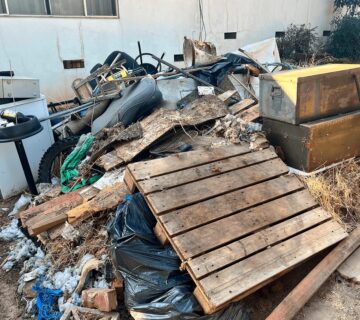
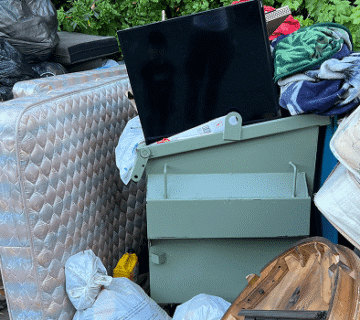
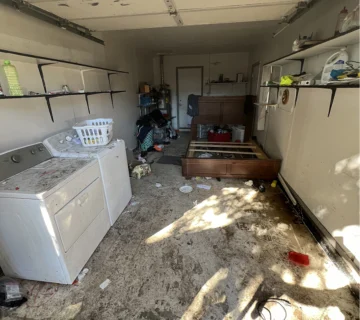
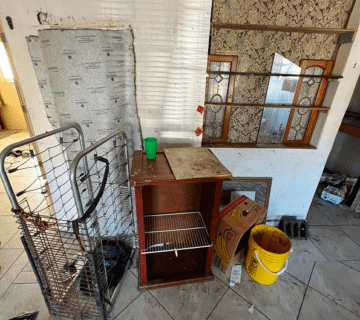
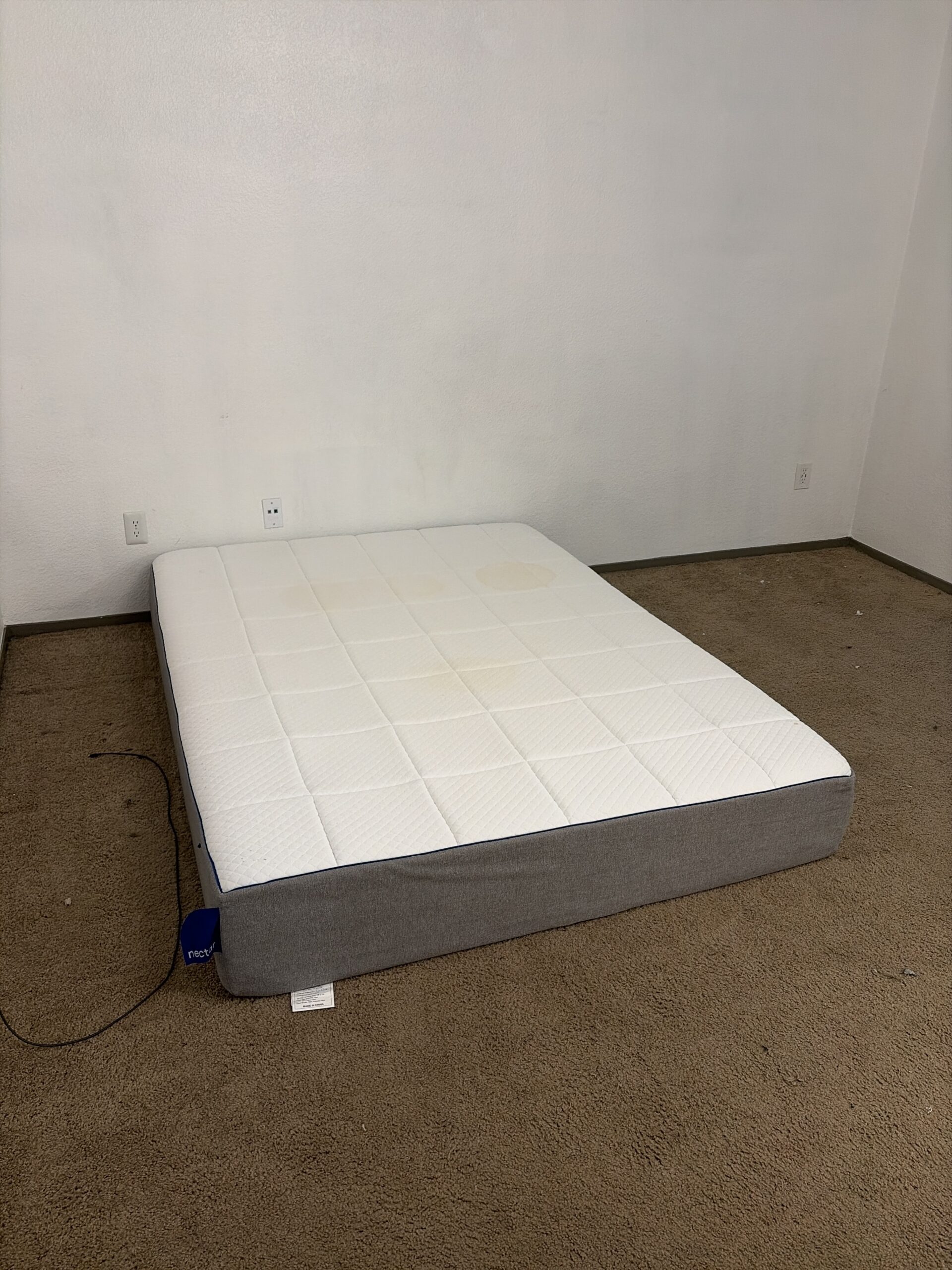
Despite your best intentions, not everything can be donated. You will inevitably uncover broken furniture, torn mattresses, stained carpets, and non-working appliances that charities simply cannot accept. Leaving these items on the curb is illegal in many neighborhoods, and wrestling them to the dump yourself is exhausting.
When you run into items that cannot be donated, professional eco-friendly removal services provide the perfect solution.
What to Do With Non-Donatable Items
If you have piles of unusable items taking up space, a professional junk removal service offers a stress-free alternative. Professional teams handle all the heavy lifting, navigating tight hallways and stairs to safely remove your unwanted items.
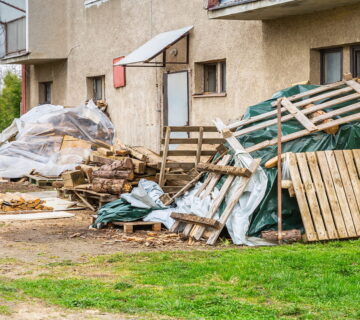
Responsible removal companies prioritize the environment. When an item cannot go to a thrift store, they transport it directly to specialized recycling facilities. Scrap metal, degraded wood, and broken electronics are sorted and processed correctly.
If you have items that cannot be donated, professional junk removal services can help handle heavy lifting and ensure materials are sorted for proper recycling or disposal.
Using a professional service guarantees your unwanted items are handled with absolute respect for local environmental laws. You get to reclaim your space quickly while knowing the materials are being processed correctly. For eco-friendly disposal options, professional junk removal can help handle the process responsibly.
Reclaim Your Space Sustainably
Donating your gently used household items is a powerful way to support the Sacramento community. By bagging up clothes, boxing up kitchenware, and properly routing your old electronics, you protect the environment and provide vital resources to local families.
However, when you encounter items that have reached the end of their lifespan, you do not have to struggle with the heavy lifting alone. Our professional, eco-friendly removal teams are ready to help you finish your decluttering project responsibly.
Ready to get rid of that broken couch or dead appliance? If certain items cannot be donated, professional junk removal can help handle the remaining materials safely.