The idea of decluttering often brings to mind images of large trash bags filled to the brim, ready to be tossed to the curb. For many people, this is the biggest barrier to starting. The thought of throwing away perfectly good, functional, or even valuable items can feel wasteful, irresponsible, and financially imprudent. If you’ve ever looked at a crowded closet or a cluttered garage and thought, “But this is all good stuff!”—you are not alone. This mental block is one of the most common reasons people live with clutter they don’t love.
But what if decluttering wasn’t about throwing things away? What if it was about rehoming, repurposing, and responsibly redirecting your belongings? The truth is, a successful decluttering journey has very little to do with the trash can. It’s about making conscious decisions to ensure your items continue their lifecycle of usefulness, just somewhere else. This approach not only eases the guilt and anxiety associated with letting go but also benefits your community and the environment.
This comprehensive guide is for everyone who wants a clear, organized home but struggles with the idea of waste. We will explore a multitude of practical, effective strategies for decluttering that don’t involve simply throwing things away. From selling and donating to recycling and repurposing, you’ll learn how to mindfully part with your belongings. And for the items that have truly reached the end of their useful life, a professional service can ensure they are disposed of responsibly, completing your decluttering project with peace of mind.
The Mindset Shift: From “Wasting” to “Rehoming”
Before you begin sorting, the most critical step is to reframe your perspective. The guilt you feel about getting rid of a useful item isn’t about the item itself; it’s about its potential. You see an unused bread maker on the counter and think of the money you spent and the delicious bread you could have made. This guilt keeps it there, collecting dust.
The shift is to recognize that an item’s potential is only realized when it is being used. A bread maker sitting in your kitchen for five years is not fulfilling its purpose. Its potential is being wasted every day it sits there. By giving it to a friend who loves to bake or donating it to a family that needs one, you are not wasting the item—you are finally allowing its potential to be unlocked.
Key Questions to Ask Yourself
Instead of asking, “Is this still useful?” ask more targeted questions that focus on its usefulness to you, right now.
- When was the last time I used this? If it has been over a year, the chances of you using it again are slim. For seasonal items, consider if you used them during the last relevant season.
- Do I have another item that serves the same purpose? You don’t need three can openers or five black sweaters. Keeping duplicates is one of the fastest ways to create clutter.
- If I were shopping right now, would I buy this? This question helps you detach from the past purchase and evaluate the item based on your current needs and style.
- Does this item support the life I want to live? If your goal is to eat healthier, the deep fryer you never use might not align with that vision. If you want a calm, minimalist space, a collection of 50 decorative mugs might be working against you.
- Am I keeping this out of guilt or obligation? Many items are gifts we feel obligated to keep. Remember, a gift’s purpose is fulfilled when it is given and received. You are not obligated to keep it forever at the expense of your own peace.
By changing your mindset from “getting rid of” to “passing on,” the entire process becomes a positive act of generosity and responsibility rather than a negative act of waste.
The First Destination: Selling Your Unwanted Items
One of the most appealing alternatives to throwing things away is to sell them. This approach not only ensures your items go to someone who actively wants them but also allows you to recoup some of your original investment. With numerous online and offline platforms available, selling your clutter has never been easier.
What Items Sell Best?
Not everything is worth the effort of selling. Focus your energy on items that are in high demand and good condition.
- Brand-Name Clothing and Accessories: Gently used clothing, shoes, and handbags from popular brands can sell quickly.
- Electronics: Recent-model smartphones, tablets, laptops, cameras, and gaming consoles hold their value well.
- Furniture: Quality, solid-wood furniture, and popular mid-century modern or contemporary pieces are always in demand.
- Children’s Gear and Toys: High-end strollers, brand-name toys (like LEGOs or American Girl dolls), and baby gear are sought after by parents.
- Sporting Goods and Fitness Equipment: Bicycles, weights, and gear for popular sports can be good sellers.
- Collectibles: Antiques, vinyl records, vintage toys, and other collectibles can be valuable, but may require more research.
Popular Platforms for Selling
Local Selling: For Large Items and Quick Cash
For furniture, large equipment, and general household goods, local selling is often the most practical option as it avoids the hassle and expense of shipping.
- Facebook Marketplace: This is one of the most popular platforms for local sales. It’s free to list, and you can communicate directly with potential buyers. For safety, always arrange to meet in a public place or have someone with you for home pickups.
- Craigslist: The original online classifieds, Craigslist is still a viable option, especially for furniture and larger items. Be cautious of scams and follow safety best practices.
- OfferUp and Letgo (now part of OfferUp): These mobile apps are user-friendly and popular for a wide range of goods.
Online Consignment and Niche Markets: For Clothing and Specialty Items
For clothing, designer goods, and electronics, specialized online marketplaces can connect you with a larger pool of interested buyers.
- Poshmark and Mercari: These apps are fantastic for selling clothing, shoes, and accessories. You simply snap a photo, write a description, and they handle the payment processing. You will need to ship the items to the buyer.
- thredUP: If you don’t want to manage individual listings, you can send a “Clean Out Kit” to thredUP. They will sort, photograph, and list your items for you, and you’ll receive a payout for what sells.
- Gazelle: This site specializes in buying used electronics like phones and laptops. You get a quote, ship your item for free, and get paid. It’s a hassle-free way to sell old tech.
The Old-Fashioned Garage Sale
A garage sale is a great way to sell a large volume of lower-priced items at once. It’s a one-and-done event for things that aren’t worth listing individually online. To have a successful sale, advertise well in local groups, price your items clearly, and have plenty of change on hand. At the end of the day, have a plan for the leftovers—often, a scheduled donation pickup is a great next step.
The Second Destination: Donating for a Cause
Donation is the cornerstone of responsible decluttering. It’s a powerful way to give your items a second life while supporting charitable organizations and helping people in your community. Nearly every category of household goods can be donated, provided they are in clean, usable condition.
Where to Donate Your Items
Beyond the well-known national charities, many local organizations are in desperate need of specific goods.
National Charities with Local Drop-Offs
- Goodwill and The Salvation Army: These are the most widespread options. They accept a huge range of items, including clothing, furniture, housewares, and books. The revenue from their stores funds job training programs and other community services.
- Habitat for Humanity ReStore: These stores are a goldmine for anyone decluttering home improvement items. They accept new and gently used furniture, appliances, building materials (like leftover tile or lumber), lighting fixtures, and tools. Donating here helps fund the building of homes for families in need. Decluttering after a renovation project? ReStore is your best first stop.
Local and Specialized Charities
- Homeless Shelters and Domestic Violence Shelters: These organizations are often in need of clothing (especially professional attire for job interviews), new toiletries, bedding, and towels. Call ahead to see what their current needs are.
- Animal Shelters: Your local humane society or animal rescue can often use old towels, blankets, and sheets for animal bedding. They may also accept cleaning supplies and office supplies.
- Dress for Success: This wonderful organization accepts gently used professional attire for women to help them thrive in work and in life. If you have old suits or blouses, this is a fantastic place for them to go.
- Local Libraries and Schools: Many libraries accept book donations for their “Friends of the Library” sales. Schools in your area, especially in towns like Davis with a strong educational focus, may appreciate donations of children’s books or craft supplies.
- Churches and Community Centers: These groups often run their own thrift shops or can direct your donations to families in their community who have specific needs.
The “Free Box” and Buy Nothing Groups
- The Curb Alert: For larger items like furniture that are still in usable shape, placing them on the curb with a clear “FREE” sign can be surprisingly effective. Post a “curb alert” with a photo on Craigslist or Facebook Marketplace, and the item will often be gone within hours.
- Buy Nothing Project: This is a global movement of hyper-local gift economies. You join a group for your specific neighborhood (usually on Facebook) and can post anything you want to give away. It’s a beautiful way to see your items go directly to a neighbor who will use and appreciate them.
Donation is a powerful tool. Whether you’re clearing out an estate or simply downsizing, there is an organization that can put your useful items to good work.
The Third Destination: Recycling and Responsible Disposal
What about items that are not in good enough condition to be sold or donated? This is where many people get stuck and simply default to the trash can. However, a huge percentage of these “junk” items can and should be recycled. This is a critical step in minimizing your environmental impact.
Understanding Local Recycling Rules
Recycling capabilities can vary dramatically from one municipality to another. Start by checking your local waste management authority’s website. They will have detailed guidelines on what can go in your curbside bin and what needs to be taken to a special facility.
Common Items That Require Special Recycling
Many common household items cannot be placed in your regular recycling bin and are major contributors to landfill waste if not handled properly.
E-Waste (Electronic Waste)
This is one of the most important categories. Electronics contain hazardous materials that can leach into the soil and water if they end up in a landfill.
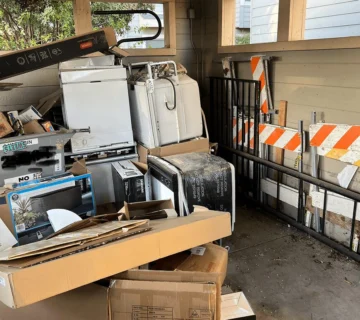
- What it includes: Computers, monitors, printers, televisions, smartphones, cables, chargers, and anything with a circuit board.
- How to recycle: Many counties have dedicated e-waste collection days or drop-off facilities. Big-box electronics stores like Best Buy also have robust recycling programs, often accepting a wide range of electronics regardless of where you bought them.
Textiles
The average American throws away about 81 pounds of clothing per year. Even clothes that are stained, torn, or worn out should not go in the trash.
- What it includes: Any fabric item—clothing, sheets, towels, curtains—that is not suitable for donation.
- How to recycle: Many clothing donation centers (like Goodwill) will accept unwearable textiles, which they sell to textile recycling companies. There are also specific clothing recycling drop-boxes from companies like USAgain or Planet Aid. These textiles are turned into insulation, carpet padding, or industrial cleaning rags.
Mattresses
Mattresses are bulky, difficult to transport, and take up a massive amount of landfill space.
- How to recycle: Many states now have mattress recycling programs. Organizations like the Mattress Recycling Council have drop-off locations where old mattresses are dismantled, and the steel, foam, and wood are recycled. When you’re clearing out old bedroom furniture, looking up a mattress recycler is a crucial step.
Household Hazardous Waste (HHW)
These are items that are flammable, corrosive, toxic, or reactive and must be handled with care.
- What it includes: Old paint, cleaning chemicals, pesticides, automotive fluids, and fluorescent light bulbs.
- How to recycle: Your local waste authority will have specific HHW drop-off facilities or collection events. Never pour these chemicals down the drain or put them in the trash.
The Role of a Professional Junk Hauling Service
Navigating the complex world of recycling can be overwhelming. This is where a professional, eco-friendly junk removal service becomes an invaluable partner. When you hire a company like Take Care Junk, you are not just hiring movers; you are hiring disposal experts.
Our process is built around responsible “rehoming”:
- Sorting: We sort through the items we collect from you. We identify anything that can be donated to our network of local charities.
- Recycling: We separate materials like metal, e-waste, paper, and more, and we transport them to the appropriate recycling facilities. Whether it’s scrap metal from a renovation project or old electronics, we ensure it’s processed correctly.
- Disposal: Only after all donation and recycling options have been exhausted do we take the small remaining portion to the landfill.
By using a service that prioritizes these steps, you can be confident that your unwanted items are being handled in the most environmentally friendly way possible, without you having to make a dozen trips to different centers across town.
The Creative Option: Repurposing and Upcycling
Before you decide to part with an item, consider if it can be given a new life right in your own home. Upcycling is the creative reuse of an item, transforming it into something new and often more valuable.
Simple Upcycling Ideas
- Furniture Makeovers: A fresh coat of paint, new hardware, or some strategic reupholstering can completely transform an old, dated piece of furniture. An old dresser can become a bathroom vanity or a TV stand.
- Glass Jars: Cleaned glass jars from food products can be used for pantry storage, as vases, or to organize small items like office supplies.
- Old T-Shirts: T-shirts that are too worn to donate can be cut up into cleaning rags, braided into rugs, or turned into reusable shopping bags.
- Ladders and Crates: An old wooden ladder can be a unique bookshelf. Wooden crates can be painted and mounted on the wall as decorative shelving.
The key to upcycling is creativity. A quick search on Pinterest for “upcycling ideas” will yield thousands of inspiring projects for almost any item you can imagine.
When “Junk” is Just Junk: The Final Step
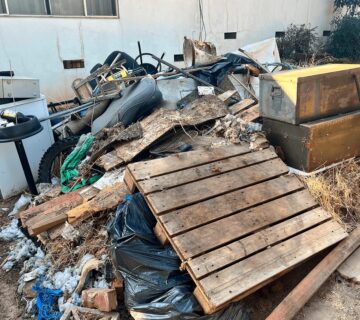
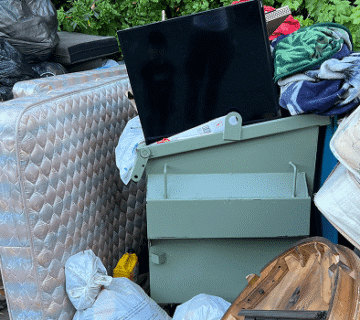
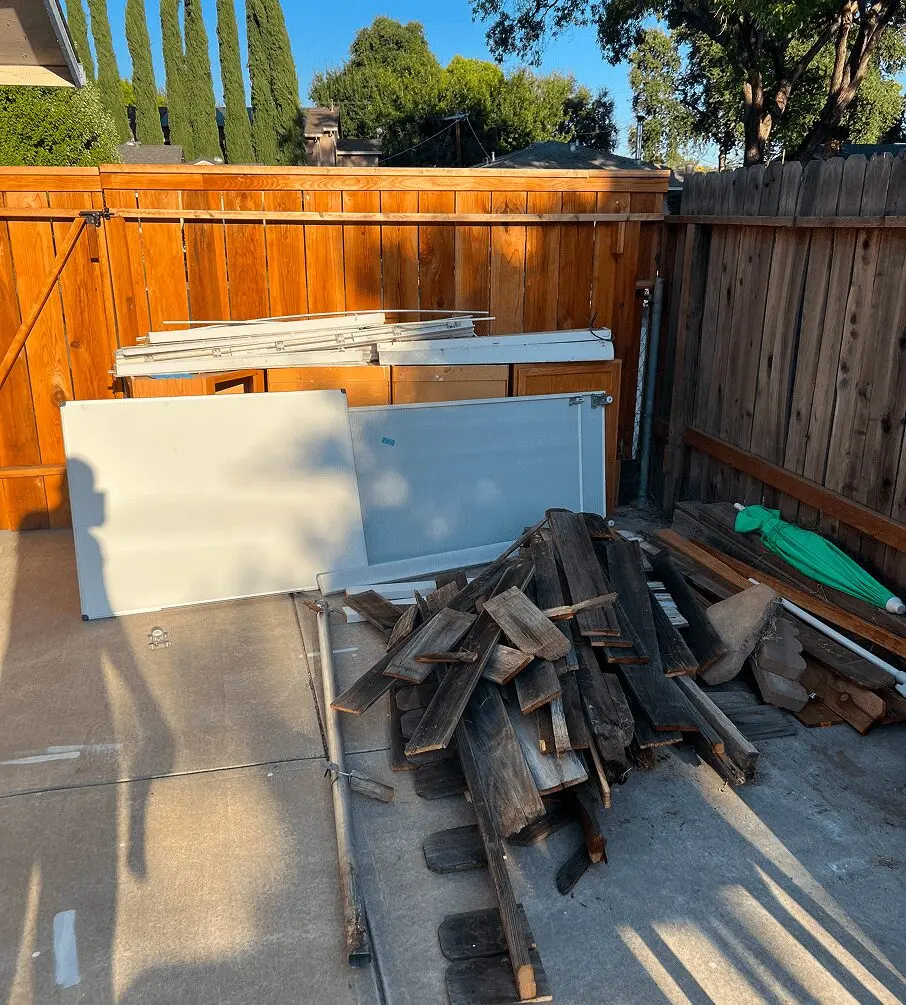
After you have sold, donated, recycled, and upcycled, you will inevitably be left with a pile of items that have truly reached the end of their life. This is the actual “junk”—broken, unsanitary, or otherwise unusable items. This is the only category of belongings that should be destined for the dump.
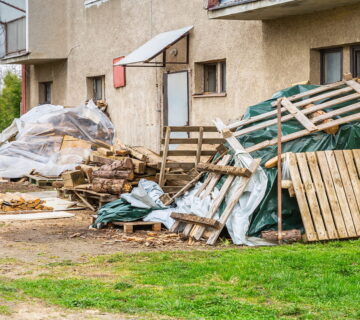
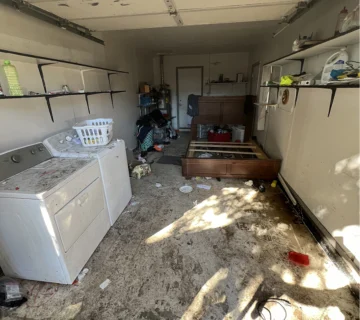
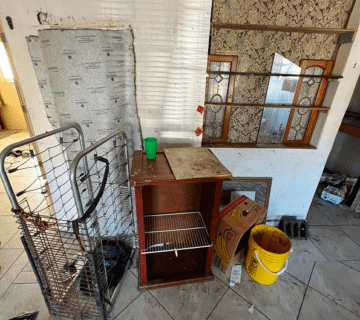
Handling this final pile can be the most challenging part of the process. It might contain a decrepit couch from a basement in West Sacramento, construction debris from a remodel in Vacaville, or a mountain of miscellaneous broken items from a garage cleanout in Woodland.
Renting a truck, loading it all yourself, and making multiple trips to the dump and various recycling centers is time-consuming, physically demanding, and often more expensive than you think.
Let the Professionals Handle the Final Step
Once you’ve sold, donated, and recycled what you can, there’s usually a small portion left that still needs to go. This is where a professional junk removal service can make the process simple.
A team can handle the heavy lifting, remove bulky or broken items safely, and make sure everything is disposed of properly. Instead of making multiple trips or trying to sort everything yourself, you can clear the remaining clutter quickly and move on.
Decluttering doesn’t have to be a wasteful process. By embracing a strategy of rehoming, selling, donating, and recycling, you can clear your space with a clean conscience. This mindful approach transforms a daunting chore into a positive series of actions that benefit you, your community, and the planet. And for the very last step, let a professional partner help you cross the finish line with ease.
Ready to clear out your clutter the responsible way? Contact Take Care Junk today for a free, no-obligation quote and let us do the heavy lifting for you.