
When you decide to declutter your home, you probably have a clear picture of the main offenders. You see the stacks of old magazines, the clothes that no longer fit, and the toys the kids have outgrown. These are the obvious targets, the low-hanging fruit of home organization. But after you’ve cleared the visible clutter, do you still feel like your space isn’t as serene or organized as it could be? That’s because the most persistent clutter is often the kind we’ve learned to ignore.
It hides in plain sight, tucked away in drawers, cabinets, and digital folders. These are the forgotten items—the things we see so often they become invisible, or the things we hold onto “just in case.”
Most clutter isn’t what you notice right away. It builds up in drawers, cabinets, and storage areas until it becomes part of the background, making it easy to overlook.
These are the items that quietly take up space over time, often kept out of habit or “just in case.” Taking the time to identify and clear them out is what leads to a more complete and lasting sense of organization.
Why We Overlook Certain Clutter
Before we dive into the specific items, it’s helpful to understand why we forget to declutter them in the first place. This isn’t about being lazy or disorganized; it’s rooted in human psychology.
- “Just in Case” Syndrome: This is perhaps the biggest culprit. We hold onto things with the belief that we might need them someday. That “someday” rarely comes, but the fear of future regret keeps us from letting go. This applies to everything from old electronic cables to extra buttons from a shirt you no longer own.
- Sentimental Guilt: We often feel guilty getting rid of items that were gifts, even if we don’t like or use them. The same goes for things we inherited or items that remind us of a specific person or time, even if the object itself doesn’t bring us joy.
- Sunk Cost Fallacy: This is the idea that because we spent good money on something, it would be wasteful to get rid of it, even if it’s just taking up space. That expensive bread maker you used twice falls into this category.
- Clutter Blindness: This happens when we become so accustomed to seeing an object in a certain place that our brain no longer registers it as clutter. That pile of old mail on the counter or the collection of half-empty bottles in the shower becomes part of the landscape.
- Lack of a Clear “Home”: Small, miscellaneous items often become clutter because they don’t have a designated storage spot. Think of spare keys, rubber bands, and loose change. They float from surface to surface, creating visual noise.
Recognizing these mental blocks is the first step toward overcoming them. As we go through the following list, challenge these mindsets and give yourself permission to let go.
Forgotten Clutter in the Kitchen
The kitchen is the heart of the home, but it’s also a hotspot for hidden clutter. We tend to focus on clearing countertops and organizing the pantry, but the real mess often lies within the drawers and cabinets.
The Overstuffed Utensil Drawer
We all have that one drawer that requires a bit of force to close. It’s crammed with tools we rarely, if ever, use.
- What to Look For: Duplicate tools (how many spatulas do you need?), unitaskers (avocado slicers, banana hangers, egg separators), gadgets you bought for one recipe and never used again, and low-quality or broken utensils.
- Action Plan: Empty the entire drawer onto the counter. Group like items together. You’ll be surprised to find you own five vegetable peelers. Keep only the best one or two of each essential tool. For the unitaskers, be honest. If you haven’t used it in a year, you likely won’t. A good knife can do the job of dozens of specialized slicers.
Mismatched and Excess Food Containers
The cabinet of plastic containers is a source of frustration in many homes. It’s a jumble of containers without lids and lids without containers.
- What to Look For: Stained or warped plastic containers, containers missing their matching lids, an excessive number of take-out containers you saved “just in case,” and lids that have no mate.
- Action Plan: Pull every single container and lid out. Match them up. Immediately recycle any piece that doesn’t have a partner. Get rid of any that are discolored or damaged. Invest in a single, high-quality set where the lids are interchangeable. This simple change can reclaim an entire cabinet and eliminate a daily frustration.
The Mug and Glassware Avalanche
It’s easy to accumulate a huge collection of mugs and glasses from gifts, events, and impulse buys.
- What to Look For: Chipped or cracked mugs, promotional glasses from fast-food restaurants, novelty mugs you never use, and simply more glasses than your family could ever use at one time.
- Action Plan: Decide on a reasonable number. A good rule is two mugs and two glasses per person in your household, plus a small set for guests. Keep your absolute favorites—the ones that feel good to hold and use—and donate the rest. Many homeowners find that paring down their dishware makes their cabinets feel instantly more organized and spacious.
The Spice Graveyard
Spices don’t last forever. They lose their potency and flavor over time. Yet most of us have a collection of spices that are years, or even decades, old.
- What to Look For: Spices that are past their expiration date, spices you bought for a single recipe years ago, and duplicates you bought because you forgot you already had one.
- Action Plan: Go through every single bottle and jar. Most ground spices are best within 1-2 years. If you can’t remember when you bought it, or it has lost its vibrant color and aroma, it’s time to toss it. Consolidate duplicates and make a list of what you actually need to replace.
Hidden Clutter in the Bathroom
Bathrooms are small spaces, which makes them susceptible to feeling cluttered very quickly. We clean the surfaces, but the real mess is often hiding behind the mirror and under the sink.
The Medicine Cabinet Museum
The medicine cabinet often becomes a time capsule of past illnesses and abandoned skincare routines.
- What to Look For: Expired prescription and over-the-counter medications, old vitamins, crusty tubes of ointment, product samples you’ll never use, and nearly-empty bottles of skincare you didn’t like.
- Action Plan: Empty the entire cabinet. Safely dispose of all expired medications (do not flush them; many pharmacies have take-back programs). Be ruthless with the tiny hotel shampoos and the face mask you tried once. A clean, curated medicine cabinet should only hold items you use regularly.
The Linen Closet Linen Avalanche
We tend to hold onto far more towels and sheets than we could ever possibly need.
- What to Look For: Frayed, stained, or threadbare towels; mismatched sheet sets; old beach towels that are stiff with age; and linens in colors or patterns you no longer like.
- Action Plan: A practical rule of thumb is to have two full sets of towels per person and two sets of sheets per bed. This ensures you always have a clean set ready while the other is in the laundry. Donate any towels and sheets that are still in decent condition—animal shelters are often in great need of them. The rest can be cut up for cleaning rags or added to your junk pile.
The Makeup and Toiletries Graveyard
Cosmetics and toiletries have expiration dates, and using them past their prime can be ineffective or even cause skin irritation and infections.
- What to Look For: Old makeup (mascara should be replaced every 3 months), dried-up nail polish, half-used lotions with a strange smell or texture, and perfumes you no longer like.
- Action Plan: Go through your makeup bag and drawers. Look for the period-after-opening symbol (a small jar with a number like “12M”) to see how long a product is good for after opening. Let go of colors that don’t suit you and products that didn’t work for your skin or hair.
Overlooked Clutter in the Home Office and Living Areas
These spaces are prone to collecting paper, media, and electronic clutter that we quickly become blind to.
The Cable and Charger Abyss
Every time you get a new electronic device, it comes with a new set of cables. Most of them end up in a tangled mess in a drawer or box.
- What to Look For: A tangled knot of chargers for phones you no longer own, random USB cables, old coaxial cables, and power cords for mysterious, long-gone devices.
- Action Plan: Dump the entire box out. Unravel the mess. Identify and keep only the cables for devices you currently own and use. Invest in some simple cord organizers or labels to keep them tidy. For the rest, bundle them up for electronic waste recycling. Many junk removal companies, including Take Care Junk, can ensure these items are disposed of responsibly. This is a common issue in many homes, where old cables and chargers accumulate over time.
Manuals, Warranties, and Old Paperwork
We diligently save the manual and warranty for every appliance and electronic device we buy, creating a mountain of paper we never look at.
- What to Look For: Manuals for appliances you’ve since replaced, expired warranties, old bills and statements you’re no longer required to keep, and outdated financial documents.
- Action Plan: Go through your filing cabinet or paper pile. You can find almost any manual online in PDF format, making the physical copy redundant. Shred and recycle them. For warranties, check the expiration date. If it’s passed, shred it. Digitize important documents you need to keep for your records and shred the originals (check legal requirements first). This can free up an entire file drawer.
Obsolete Media Collections
In the age of streaming, our once-prized collections of physical media are often just collecting dust.
- What to Look For: DVDs and Blu-rays you haven’t watched in years, CDs you’ve already uploaded to your computer or can stream online, old VHS tapes (and no VCR to play them on), and video games for consoles you no longer own.
- Action Plan: Be realistic about what you will actually watch or listen to in its physical form. Keep the few that have true sentimental value or are rare. Sell or donate the rest. For things like VHS tapes that are clearly obsolete, it’s time to add them to the junk pile. Clearing out a bulky media cabinet can completely change the feel of a living room.
Books You’ll Never Read (Again)
Book lovers often have the hardest time with this category. But a bookshelf should be a curated collection, not a storage facility for every book you’ve ever owned.
- What to Look For: Novels you didn’t enjoy, outdated nonfiction or textbooks, cookbooks with recipes you never make, and books you own but know in your heart you will never get around to reading.
- Action Plan: The “one day” argument is weak here. If a book has been on your shelf unread for more than two years, you are probably not going to read it. Keep the books that you love, that you reference often, or that hold deep personal meaning. Donate the rest to your local library, a school, or a charity shop so someone else can enjoy them.
The Final Frontier: Digital and Sentimental Clutter
Clutter isn’t just physical. Our digital lives and our emotional attachments can be just as cluttered and draining.
Your Crowded Digital World
A cluttered digital space can be just as stressful as a cluttered physical one. It slows down your devices and makes it harder to find what you need.
- What to Look For: A desktop littered with random files, thousands of unread emails, a photo library full of duplicates and blurry shots, apps you never use on your phone, and old documents taking up cloud storage space.
- Action Plan:
- Desktop: Create a simple folder system and file everything away. Aim for a clean desktop.
- Email: Use the “unsubscribe” button liberally. Mass delete old promotional emails. Create filters to automatically sort incoming mail.
- Photos: Schedule time to go through your camera roll. Delete duplicates, screenshots you no longer need, and blurry photos.
- Apps: If you haven’t used an app in three months, delete it. You can always re-download it if you need it.
Navigating Sentimental Items
This is the most emotionally difficult category of clutter. These are the items we keep not for their use, but for their memories.
- What to Look For: Every piece of your child’s artwork, souvenirs from every trip you’ve ever taken, clothes you wore for a special occasion, and inherited items you feel obligated to keep.
- Action Plan: The goal is not to get rid of all sentimental items, but to curate them.
- Create a Memory Box: Designate one or two beautiful boxes as “memory boxes.” Only your most treasured and important sentimental items should earn a place here.
- Take a Picture: For items that you have a fond memory of but don’t need to keep physically, take a high-quality photo. You can create a digital or physical album of these memories, which takes up far less space.
- Repurpose: Can that inherited teacup be used as a small planter? Can a t-shirt be made into a pillow? Sometimes giving an item a new purpose can help you enjoy it in the present.
- Give Yourself Permission: It is okay to let go of a gift you never liked. The person who gave it to you would not want you to feel burdened by it. Thank the item for the memory and let it go.
The Final Step: Clearing Out the Clutter for Good
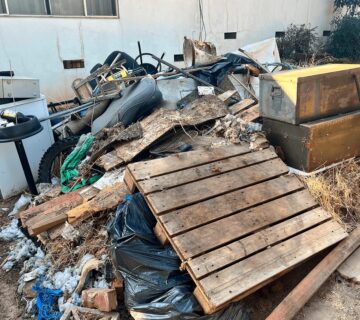
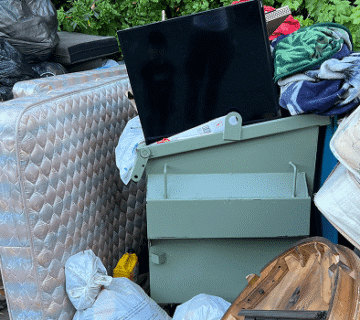
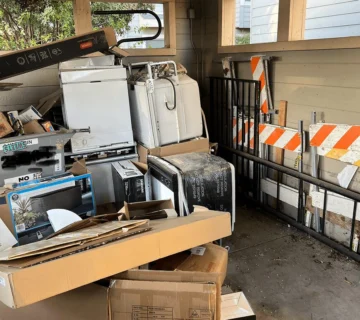
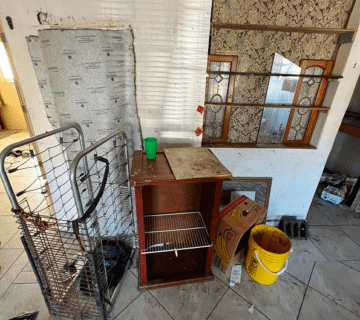
You have now gone through every nook and cranny of your home, uncovering and sorting through years of forgotten clutter. You have bags for donation and a pile of items that are simply junk. This final pile can be surprisingly large, filled with broken gadgets, expired products, old media, and miscellaneous items that have no more value.
Dealing with this final pile can be the most tedious part of the process. It might involve a trip to the dump, a visit to an e-waste recycling center, and figuring out how to dispose of certain items properly. This is where the process can stall for many people.
This is why partnering with a professional junk removal service is the most efficient and satisfying way to complete your decluttering project.
Clearing Out the Final Pile
A service like Take Care Junk is designed to make this final step simple and stress-free.
- Convenience and Speed: Instead of spending your precious time and energy dealing with the junk, you make one phone call. A team arrives and quickly loads up everything you want gone. In a matter of minutes, a year’s worth of accumulated clutter can disappear from your property.
- Handles Everything: You don’t need to sort your junk pile into different categories. Whether it’s old electronics, broken furniture, bags of miscellaneous household trash, or yard waste, we take it all. This all-in-one solution is a massive time-saver.
- Responsible Disposal: A reputable company is committed to environmental responsibility. We sort through the items we collect to ensure that anything that can be recycled is, and anything that can be donated is diverted from the landfill. You get the peace of mind of knowing your unwanted items are being handled the right way.
- The Final Motivation: Seeing a professional team haul away the physical representation of your clutter is incredibly motivating. It provides a clean, definitive end to your project and allows you to immediately enjoy your newly organized space. Whether you’re in a bustling center like Sacramento or a quieter suburb, the feeling of reclaiming your space is universal.
Decluttering is a journey of a thousand small decisions. By focusing on the forgotten items, you can achieve a level of order and calm that surface-level tidying can never provide. You create a home where everything has a purpose and a place.
When you’re ready to complete that journey and see all your hard work pay off, let us handle the heavy lifting. If you’re left with items that can’t be donated or recycled easily, professional junk removal can help clear everything out efficiently.