The day the last child moves out is a milestone filled with a complex mix of pride, sadness, freedom, and nostalgia. The house suddenly feels quieter, larger, and full of echoes from years gone by. This new chapter, often called the “empty nest” phase, is a significant life transition. As you stand in the doorway of a now-vacant bedroom, you’re not just looking at an empty room; you’re looking at years of memories, growth, and love. But you’re also looking at an opportunity.
Reclaiming your space after the kids have flown the coop is both a practical task and an emotional journey. It’s about more than just cleaning out closets; it’s about redesigning your home to fit the life you want to live now. This process allows you to honor the past while embracing the future. It can be overwhelming to decide what to do with rooms full of childhood treasures, old furniture, and accumulated belongings.
This guide will walk you through the process of decluttering your empty nest, step by step. We’ll explore how to navigate the emotional side of this transition, provide a practical framework for sorting through your children’s former rooms, and offer ideas for transforming that newfound space. And when you’re faced with piles of items that need to go, a professional service like Take Care Junk is ready to handle the heavy lifting, making your transition smoother and simpler.
The Emotional Side of an Empty Nest
Before you even open a closet door, it’s important to acknowledge the emotions that come with this stage of life. It’s completely normal to feel a sense of loss and nostalgia. These rooms were the backdrop for your children’s lives, from toddler scribbles on the wall to teenage posters and prom outfits. Giving yourself grace and time to process these feelings is the first step.
Honoring Memories While Making Space
Decluttering is not about erasing the past. It’s about curating it. You’re not throwing away memories; you’re choosing which physical items best represent those cherished moments. The goal is to create a home that reflects your current and future self, not just a museum of your children’s past.
Think of this process as a celebration of a job well done. You’ve raised your children, and now it’s time to focus on yourself. This can be an exciting prospect! What have you always wanted to do? What passions or hobbies have been on the back burner? Your home can now be adapted to support those dreams.
Involving Your Adult Children
While it’s your house, the belongings in their old rooms are often a mix of yours and theirs. It’s essential to communicate with your children before you start making major changes. They may want to keep certain sentimental items, furniture, or memorabilia.
- Set a Deadline: Have an open conversation. Let them know you’re planning to repurpose their room and ask them to come and sort through their belongings by a specific date. This prevents the room from remaining in limbo for months or even years.
- Work Together (If Possible): If they live nearby, schedule a weekend to go through the room together. This can be a wonderful bonding experience, full of storytelling and shared memories.
- Use Technology: If they live far away, use video calls. You can walk them through the room, show them items, and make decisions together. They can tell you what to pack for them to pick up later, what to ship, and what they’re okay with you donating or disposing of.
- The “Memory Box” Approach: For sentimental items they want to keep but don’t have space for, offer to create one or two clearly labeled “Memory Boxes.” This contains the most important treasures (trophies, yearbooks, favorite childhood books) and can be stored in the attic or basement until they have a permanent home for them. This shows you respect their feelings while still allowing you to clear the room.
The Practical Guide: A Step-by-Step Decluttering Plan
Once you’ve navigated the emotional landscape and communicated with your kids, it’s time to roll up your sleeves. The key is a systematic approach. Don’t try to do everything at once. Focus on one room, one closet, one area at a time.
The Decluttering Toolkit
Before you start, gather your supplies to make the process as efficient as possible.
- Boxes or Bins: Label them clearly: Keep (for your child), Keep (for you), Donate, Sell, and Junk/Dispose.
- Packing Supplies: Have packing tape, markers, and bubble wrap on hand for fragile items.
- Cleaning Supplies: As you empty spaces, you’ll want to do a deep clean. Have cloths, all-purpose cleaner, and a vacuum ready.
Tackling the Childhood Bedroom
This is the heart of the project. Break it down into smaller, manageable zones to avoid feeling overwhelmed.
1. The Closet: A Time Capsule of Fashion
Closets in former children’s rooms are often packed with items from different eras.
- Empty Everything: Start by taking everything out of the closet. This gives you a clean slate and allows you to see exactly what you’re dealing with.
- Sort the Clothes: Go through every piece of clothing. Create piles for donation (old prom dresses, outgrown sports jerseys, clothes they no longer want) and a pile for your child to go through. Be realistic; they probably don’t need their high school P.E. uniform.
- Shoes and Accessories: Sort through shoes, belts, and bags. Often, these items can be donated if they are in good condition.
- Clear the Floor and Shelves: Remove old sports equipment, forgotten projects, and miscellaneous boxes. This is where you might find items that belong in the “Junk” pile. Disposing of bulky or awkward items like old hockey sticks or broken instruments is a perfect job for a junk removal service. Sports equipment alone can take up a surprising amount of space over the years.
2. The Furniture: More Than Just a Bed
The furniture in the room is often the biggest hurdle. Does it stay or does it go?
- Evaluate Each Piece: Look at the bed, dresser, desk, and bookshelves. Are they good quality? Could they be used in a future guest room? Does your child want them for their own apartment?
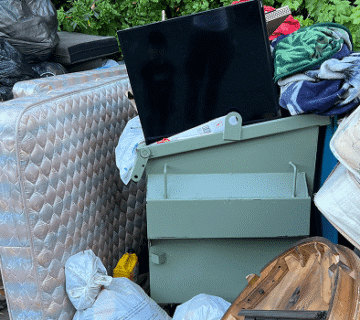
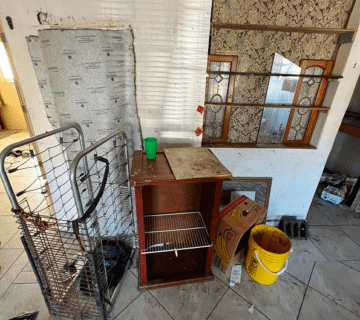
- Old, Worn-Out Furniture: A teenager’s bed or desk may have seen better days. If the furniture is broken, heavily worn, or simply not needed, it’s time for it to go. Large, heavy items like bed frames, mattresses, and desks are difficult to dispose of on your own. This is where professional help is a lifesaver. Old, worn-out furniture is often the hardest part to remove because of the size and weight.
- Repurpose or Refinish: If a piece has “good bones,” consider giving it a new life. A fresh coat of paint or new hardware can transform an old dresser. It could be perfect for your new hobby room or office.
3. Desks, Drawers, and Bookshelves
These areas are treasure troves of paper, old school supplies, and forgotten hobbies.
- The Desk: Empty every drawer. You’ll likely find a mix of old papers, dried-up pens, and random trinkets. Sort papers into “shred/recycle” and “keep” (like diplomas or important certificates).
- Bookshelves: Go through the books. Your child may want to keep their favorites. The rest can be donated to local libraries, schools, or shelters. Many libraries, schools, and community programs accept book donations.
- Trophies and Awards: This can be a sensitive area. Your child might want to keep a few of their most significant awards. For the rest, suggest taking a high-quality photo of the collection before letting the physical items go. Trophies are surprisingly difficult to donate, and often end up in the junk pile.
4. The Deep Clean
Once the room is empty of clutter, give it a thorough deep cleaning.
- Wash the walls and baseboards.
- Clean the windows.
- Shampoo the carpets or deep clean the floors.
- Patch any holes from posters or shelves.
- Consider a fresh coat of neutral paint. This is the single most effective way to neutralize the space and prepare it for its new purpose.
This deep clean provides a symbolic fresh start and creates a blank canvas for your vision.
Reclaiming the Space: Ideas for Your New Room
With a clean, empty room, the fun begins! The possibilities are endless and should be tailored to your interests and lifestyle. Here are some popular ideas for transforming a former bedroom.
1. The Ultimate Guest Room
This is one of the most practical uses for a spare room. You can create a welcoming, hotel-like space for when your children come back to visit, or for other family and friends.
- Comfort is Key: Invest in a comfortable new mattress and high-quality bedding. A queen-size bed is often more versatile than a twin.
- Thoughtful Amenities: Equip the room with a luggage rack, an empty closet with hangers, a charging station for electronics, and a basket with toiletries.
- Neutral Decor: Use a calming, neutral color palette. This creates a relaxing atmosphere that will appeal to any guest.
2. A Dedicated Home Office
With remote work becoming more common, a dedicated office is a huge asset.
- Ergonomic Setup: Invest in a proper desk and an ergonomic chair. Your back will thank you.
- Good Lighting: Ensure the room has good task lighting and natural light if possible.
- Get Organized: Use the opportunity to create the filing and storage system you’ve always wanted. A clean, organized office can dramatically improve productivity and focus. For many households, a dedicated home office has become a necessity.
3. A Hobby or Craft Room
Have you always wanted a space for your passion projects? Now is the time.
- Creative Zone: Set up an easel for painting, a large table for sewing or scrapbooking, or a comfortable chair for knitting.
- Smart Storage: Install shelving, cabinets, and pegboards to organize all your supplies. Having everything visible and accessible makes it much more likely you’ll use it.
- Durable Flooring: If your hobby can get messy (like painting or pottery), consider installing easy-to-clean flooring.
4. A Home Gym or Wellness Space
Cancel that gym membership and create your own fitness sanctuary.
- Essential Equipment: You don’t need much to start. A yoga mat, some free weights, and resistance bands can form the foundation. You can add a treadmill or stationary bike if you have the space.
- Create the Vibe: Add a mirror to check your form, a speaker for music, and ensure good ventilation.
- Meditation Corner: Even a small corner of the room can be turned into a wellness space with a comfortable cushion, a small table for a candle, and some plants. Removing old bedroom furniture often makes space for exercise equipment or other uses.
5. A Personal Library or Reading Nook
If you’re a book lover, create a quiet retreat for reading.
- Wall-to-Wall Bookshelves: Go for the library look with built-in or freestanding bookshelves.
- The Perfect Chair: Find the most comfortable armchair you can, complete with a good reading lamp and a small table for your tea or coffee.
- Soundproof for Peace: Consider adding a thick rug and heavy curtains to absorb sound and create a truly peaceful escape.
Beyond the Bedroom: Other Spaces to Reclaim
Once you’ve conquered the bedrooms, you may find other areas of your home are ready for a refresh.
- The Basement or Attic: These areas often become dumping grounds for everything the kids left behind. This is a major decluttering project. Sort through boxes, old toys, and holiday decorations. This is where your “Junk” pile will likely be at its largest. It’s common for basements to hold years—sometimes decades—of forgotten items.
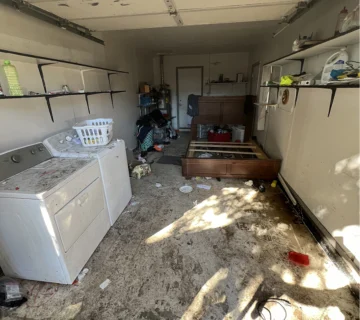
- The Garage: Is the garage so full of old bikes, sports gear, and boxes that you can’t park your car inside? This is the perfect time to clear it out and create a functional space for your vehicles and tools.
- The Second Bathroom: Transform the kids’ bathroom into a more sophisticated guest bathroom with a new shower curtain, fresh towels, and updated decor.
The Final Step: Clearing Out the Clutter for Good
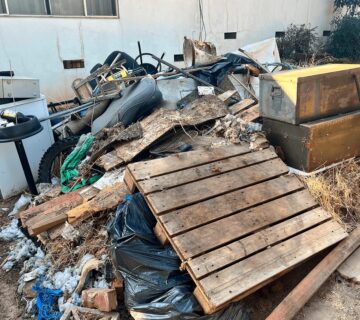
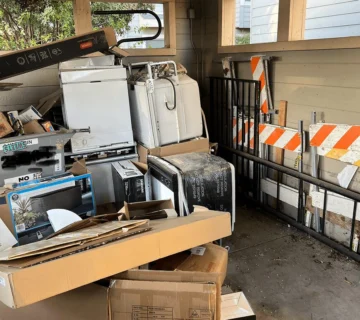
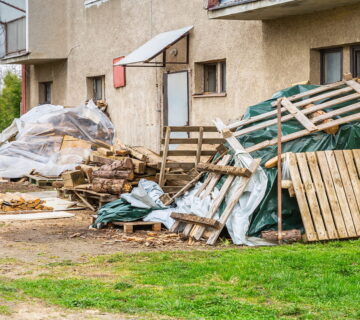
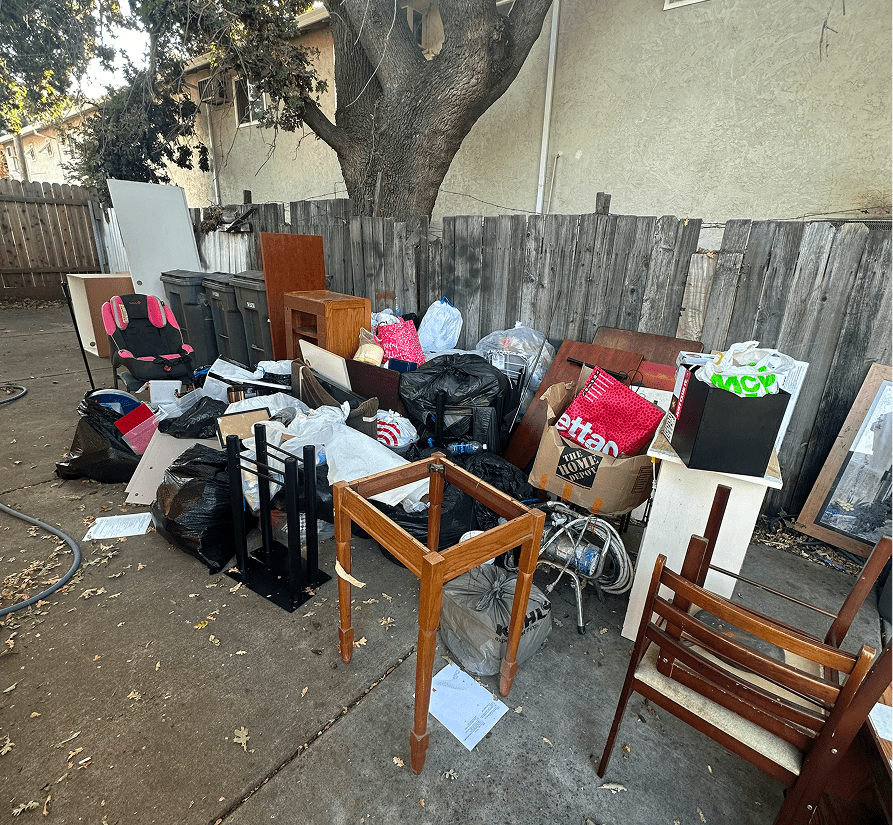
After you’ve sorted everything, there’s usually a small portion left that can’t be donated, reused, or kept. This is often the part people put off, not because it’s difficult to decide, but because it takes time and effort to remove.
For larger or hard-to-handle items, a junk removal service can help simplify that step. Instead of trying to coordinate multiple trips or figure out where everything needs to go, you can clear the remaining items in one move and focus on settling into your newly reclaimed space.
The transition to an empty nest is a journey. It’s about creating a home that supports the next exciting chapter of your life. By taking a thoughtful and systematic approach to decluttering, you can honor your family’s past while eagerly stepping into your future.
Ready to clear out the old and make way for the new? Contact Take Care Junk today for a free, no-obligation estimate and let us help you reclaim your space.