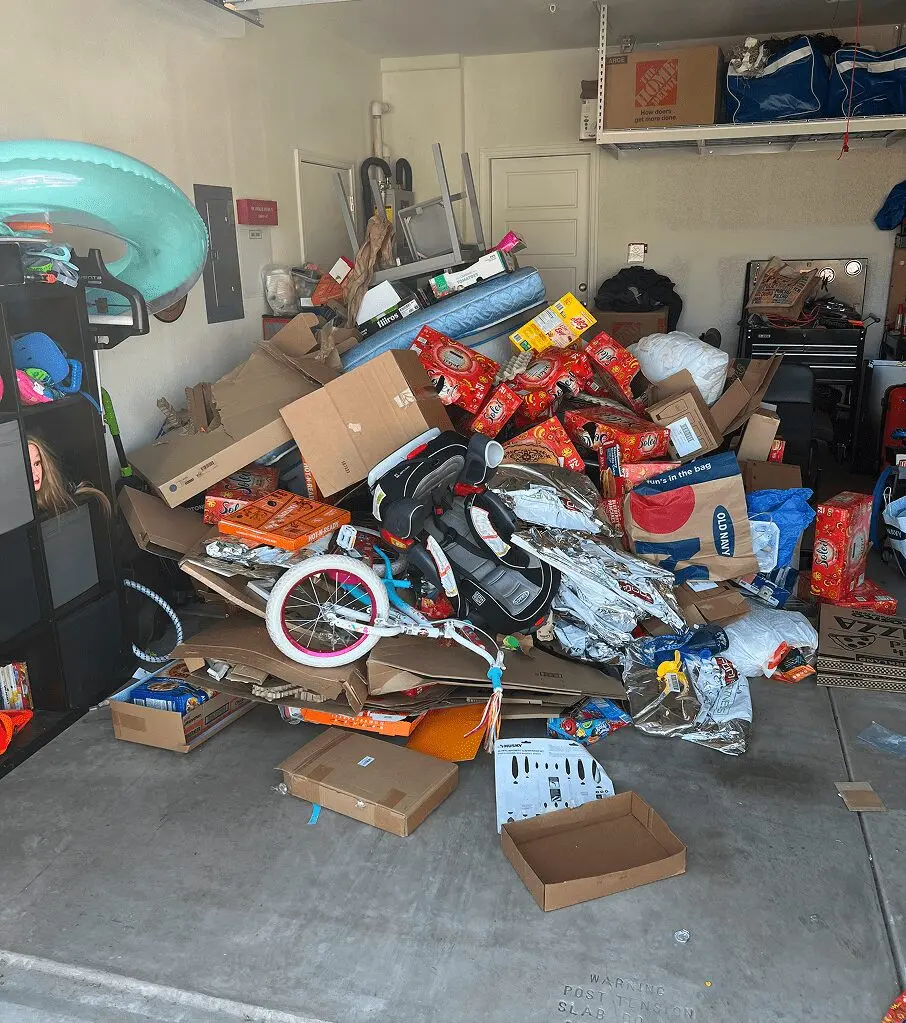
You’ve done the hard work. You’ve sorted through closets, conquered the garage, and faced the mountain of items you no longer need. The clutter is gone, and your home can finally breathe. But this is where the next crucial phase begins: organization. Without a smart storage plan, those newly cleared spaces can quickly fall back into disarray. Effective storage isn’t about hiding things; it’s about creating a functional, peaceful environment where everything has a place.
Putting a system in place after a major declutter ensures your hard work lasts. It transforms your home from simply being “not cluttered” to being truly organized. This guide will provide comprehensive and practical storage solutions for every key area of your home. We’ll explore systems for your kitchen, closets, living areas, and the ever-challenging garage.
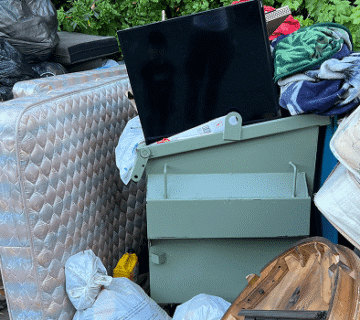
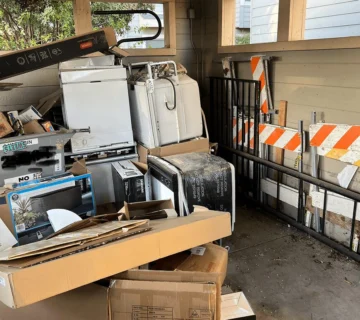
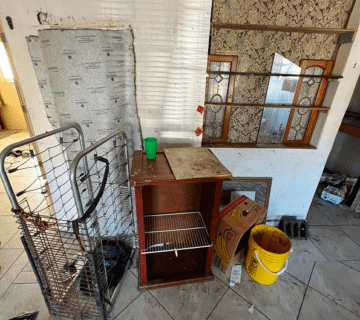
Before you can install new shelving or buy organizing bins, you need a completely clear space. This often means dealing with a large volume of unwanted items. For larger or hard-to-handle items, junk removal can be the link between decluttering and organizing. A service like Take Care Junk can efficiently clear out old furniture, broken appliances, and all the miscellaneous junk you’ve decided to part with, giving you the blank canvas you need to build a beautifully organized home.
The Foundation of Organization: Why It Matters
After a massive decluttering effort, it’s tempting to just relax and enjoy the empty space. However, without implementing storage solutions, you’re setting the stage for clutter to creep back in. A well-organized home offers more than just aesthetic appeal.
Maintaining Your Hard Work
Think of your decluttering effort as tilling the soil. It was hard, necessary work. Implementing storage solutions is like planting the seeds and creating pathways. It gives structure to the space and makes it easy to maintain. When every item has a designated home, tidying up becomes a simple, five-minute task instead of an hour-long chore. You’re less likely to leave things on the counter or floor when you know exactly where they belong.
Reducing Stress and Saving Time
A disorganized home can be a source of chronic, low-level stress. Constantly searching for your keys, that specific kitchen utensil, or an important document wastes time and drains mental energy. An organized space creates a sense of calm and control. Your daily routines become more efficient, freeing up valuable time and reducing frustration. You’ll know exactly where everything is, which simplifies everything from cooking dinner to getting ready in the morning.
Maximizing Your Space
Effective storage solutions are designed to make the most of every square foot of your home. This is especially important in smaller homes or apartments. The right systems can unlock unused vertical space, make deep cabinets more accessible, and turn awkward corners into functional storage. By optimizing your space, your home will not only feel more organized but also significantly larger.
Before You Buy: Planning Your Storage Strategy
Jumping into buying bins and containers without a plan is a common mistake that can lead to more clutter. Before you head to the store, take some time to assess your needs.
Assess Your Inventory
Now that you’ve decluttered, you are left only with the items you need, use, and love. Take stock of what remains. Group similar items together. How many pairs of shoes do you have? What are the categories of food in your pantry? How many tools do you need to store in the garage? Understanding the volume and type of items you need to store is the first step in choosing the right solutions.
Measure Everything
Measure your spaces carefully. This includes the interior dimensions of closets, cabinets, and drawers, as well as the floor and wall space in your garage or living areas. There is nothing more frustrating than buying a shelving unit only to find it’s an inch too wide. Keep a running list of these measurements on your phone or in a notebook.
Zone Your Home
Think about your home in terms of zones. A zone is an area where you perform a specific task. For example, in the kitchen, you might have a “coffee zone,” a “baking zone,” and a “food prep zone.” In the entryway, you’ll have a zone for keys, mail, and shoes. Designing your storage around these zones makes your home more intuitive and efficient to use.
Kitchen Storage Solutions: The Heart of the Home
A cluttered kitchen can make cooking feel like a chore. The goal is to create a functional, efficient workspace with clear countertops. This is a room where smart storage can make a massive difference in your daily life.
Unlocking Cabinet Potential
Kitchen cabinets are often deep, dark spaces where items get lost. The key is to make the entire space accessible.
- Pull-Out Shelves and Drawers: Retrofitting your lower cabinets with pull-out shelves is a game-changer. Instead of kneeling and reaching into the back of a cabinet, you can slide the entire shelf out to see and access everything. They are perfect for pots, pans, and small appliances.
- Tiered Shelves for Upper Cabinets: Simple tiered shelves can double or even triple the usable space in your upper cabinets. They allow you to see all your plates, bowls, or mugs at a glance, preventing you from having to unstack everything to get to the item you need.
- Vertical Dividers: Use tension rods or vertical dividers to store items like baking sheets, cutting boards, and platters on their sides. This prevents a noisy, dangerous avalanche every time you pull one out and makes them much easier to grab.
Taming the Pantry
An organized pantry saves you money by preventing you from buying duplicates and reducing food waste.
- Decant and Label: Remove dry goods like flour, sugar, pasta, and cereal from their bulky, mismatched packaging and store them in clear, airtight containers. This not only looks beautiful and uniform but also keeps food fresher for longer. Use a label maker for a clean, consistent look.
- Use Bins and Baskets: Group similar items into bins or baskets. For example, have a “snack bin,” a “baking bin,” or a “breakfast bin.” This makes it easy for the whole family to find what they need and, more importantly, put it back in the right place. Clear bins are ideal so you can see the contents easily.
- Over-the-Door Organizers: Don’t forget the back of the pantry door. An over-the-door organizer with clear pockets or shelves is perfect for storing spice packets, jars, and other small items that would otherwise get lost.
Drawer Organization
Kitchen drawers can quickly become a jumbled mess.
- Customizable Drawer Dividers: Invest in adjustable dividers for your utensil and cutlery drawers. This allows you to create perfectly sized compartments for everything from forks and knives to spatulas and whisks.
- The Spice Drawer: If you have a spare drawer near your stove, consider turning it into a spice drawer. You can buy angled inserts that let you lay your spice jars down, making all the labels visible. This is often more efficient than a spice rack on the counter or a lazy Susan in the cabinet.
After clearing out old, expired food and unused kitchen gadgets, these systems can be implemented on a truly clean slate.
Closet Organization: Creating a Calm Sanctuary
Whether it’s your bedroom closet or the hall linen closet, these spaces are clutter hotspots. The goal is to create a system where you can see what you have, making it easier to get dressed in the morning and find what you need.
The Bedroom Closet Overhaul
Your closet should feel like a personal boutique, not a stressful mess.
- The Double-Hang System: Most closets come with a single rod, which leaves a huge amount of wasted space underneath. Installing a second rod to create a double-hang section instantly doubles your storage for shirts, blouses, and pants.
- Slimline Velvet Hangers: This is one of the easiest and most impactful changes you can make. Ditch the mismatched collection of wire and plastic hangers. Slim velvet hangers save a significant amount of space, prevent clothes from slipping, and create a clean, uniform look.
- Use the Vertical Space: The top shelf of the closet is often underutilized. Use labeled bins to store out-of-season clothing, special occasion shoes, or extra bedding. Keep a small, foldable step stool in the closet to make accessing this shelf easy.
- Shoe Organization: Depending on your space and collection, consider clear, stackable shoe boxes, an over-the-door shoe organizer, or a dedicated shoe rack on the floor. The key is to get your shoes off the floor where they can become a jumbled pile.
The Linen Closet
A well-organized linen closet is a small but significant luxury.
- Fold and File: Instead of stacking towels and sheets, fold them and “file” them vertically, like files in a cabinet. This allows you to see every set you own and pull one out without toppling the entire stack.
- Store Sheets Inside Pillowcases: To keep sheet sets together, fold the fitted sheet and flat sheet and store them inside one of the matching pillowcases. This simple trick will save you from hunting for a matching set.
- Use Baskets for Small Items: Use small baskets or bins to corral toiletries, first aid supplies, and cleaning products. Label each bin clearly.
Removing old, worn-out clothing and frayed linens is a key part of the decluttering process. Having a junk removal service handle this disposal step simplifies your project, a benefit many homeowners have come to appreciate.
Living Area Storage: Blending Function and Style
Storage in your main living areas needs to be both functional and aesthetically pleasing. The goal is to hide everyday clutter while contributing to the overall decor of the room.
Choose Multi-Functional Furniture
This is the number one rule for living area storage. Every piece of furniture should work hard.
- Storage Ottomans: An ottoman is a perfect place to stash blankets, pillows, video game controllers, or children’s toys. It serves as a footrest, extra seating, and hidden storage all in one.
- Coffee Tables with Drawers or Shelves: Look for coffee tables that offer more than just a flat surface. A lower shelf is great for books and magazines, while drawers can hide remotes, coasters, and other small items.
- Media Consoles: Choose a media console that is appropriately sized for your television and offers plenty of closed storage. This is the best way to hide messy cables, streaming devices, and your media collection.
Vertical Storage and Shelving
Using your walls is key to keeping floors and surfaces clear.
- Floating Shelves: Floating shelves offer a modern, minimalist way to display decorative items, books, and plants. Be careful not to let them become cluttered. The key to styling shelves is to leave plenty of negative space.
- Leaning or Ladder Bookshelves: These are a stylish alternative to traditional bookcases and can fit well in smaller spaces. They provide vertical storage without feeling as heavy or bulky as a large shelving unit.
- Built-Ins: If you have the budget, custom built-ins around a fireplace or along a wall can provide a massive amount of storage while adding architectural character and value to your home.
Use Decorative Baskets and Boxes
For items you need to access regularly, use stylish storage solutions that can be left out in the open. Woven baskets are perfect for holding extra throw blankets or magazines. Decorative boxes on a bookshelf can hold photos, charging cords, or other small items.
Garage Storage Solutions: Conquering the Clutter Zone
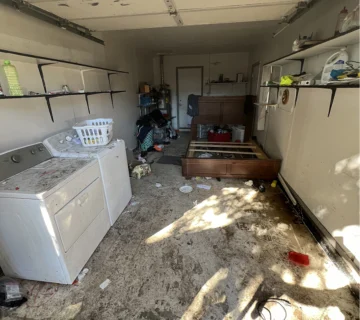
The garage is often the most challenging area to organize. It’s typically a dumping ground for everything that doesn’t have a place inside the house. A major garage cleanout, often requiring professional junk removal to get rid of old equipment, broken furniture, and mystery boxes, is the first step. Homeowners know that a clean garage feels like adding a whole new room to the house.
Get Everything Off the Floor
The primary goal of garage organization is to utilize the wall and ceiling space to get as much as possible off the floor. This not only creates more space for your vehicles but also protects your belongings from moisture and pests.
- Heavy-Duty Shelving: Invest in sturdy, freestanding shelving units. Metal or industrial-grade plastic shelves are best for the garage environment. These are perfect for storing heavy bins, paint cans, and coolers.
- Wall-Mounted Track Systems: Systems from brands like Gladiator or Rubbermaid feature horizontal tracks that you mount to the wall. You can then attach a wide variety of hooks, shelves, and baskets to the tracks. This is an incredibly versatile solution for hanging everything from shovels and rakes to bicycles and sports equipment.
- Pegboards: A classic for a reason, pegboards are perfect for organizing hand tools. You can see everything at a glance, and a wide array of hooks and holders are available to customize your layout.
Utilize Overhead Space
The ceiling is the most underutilized space in the garage.
- Overhead Racks: Sturdy, ceiling-mounted racks are ideal for long-term storage of items you don’t need to access often, such as holiday decorations, camping gear, or seasonal items.
- Bike and Ladder Hooks: Simple, heavy-duty hooks screwed into the ceiling joists can be used to hang bicycles, ladders, and other bulky items, freeing up valuable floor and wall space.
Create Clear Zones
Just like in the house, zoning your garage will make it far more functional.
- Tool and Workshop Zone: Set up your workbench, tool chest, and pegboard in one corner.
- Gardening Zone: Keep all your pots, soil, and gardening tools together near the door.
- Sports and Recreation Zone: Designate an area for bikes, balls, and other sports gear. Use large mesh bags or bins to contain balls.
- Long-Term Storage Zone: Use the overhead racks and high shelves for items you access infrequently.
Use large, durable, and clearly labeled plastic bins for everything. Opaque bins are often better in the garage as they create a more uniform, less visually cluttered look.
The Role of Professional Junk Removal in Organization
It’s difficult to implement any storage system if unwanted items are still taking up space. Once you’ve sorted everything, the next step is making sure those items are removed so you can move forward with organizing.
A professional junk removal service can help clear out bulky or hard-to-handle items and ensure they are disposed of properly. Instead of spending extra time hauling everything yourself or figuring out where it all needs to go, you can focus on setting up your storage systems and maintaining an organized space.
Organizing your home after a major declutter is the key to long-term success. By carefully planning your strategy and investing in the right storage solutions for your kitchen, closets, living areas, and garage, you can create a home that is not only tidy but also more functional, peaceful, and enjoyable to live in. Don’t let the final step of removal derail your progress. Clear the path for a beautifully organized home.
Ready to get rid of the last of the clutter so you can start organizing? Contact Take Care Junk today for a free estimate and let us handle the final cleanout for you.