A cross-country move is a major life event. It’s a fresh start, a new chapter, and an exciting adventure. But before you can enjoy your new home, you face the massive task of getting there. Packing up your entire life and transporting it thousands of miles is a significant logistical and financial challenge. The more you move, the more it costs in terms of moving truck space, fuel, and labor. This is where the power of decluttering comes in. By strategically getting rid of items you no longer need, use, or love, you can make your move simpler, cheaper, and far less stressful.
This comprehensive guide will walk you through every step of decluttering for a long-distance move. We will explore practical strategies, room-by-room checklists, and what to do with all the stuff you decide not to take. Preparing for a move from the Sacramento area means you have a reliable partner to help. Professional junk removal can be one of the biggest time-savers during a long-distance move, helping clear unwanted items before moving day.
Why Decluttering is Non-Negotiable for a Cross-Country Move
Moving down the street is one thing; moving across the country is an entirely different beast. The stakes are higher, and every item you pack carries a literal cost. Let’s break down why decluttering isn’t just a good idea—it’s an essential first step.
The Financial Benefits of a Lighter Load
Moving companies typically charge based on the weight of your shipment and the distance it travels. The less your belongings weigh, the less you will pay. It’s that simple. By getting rid of a heavy, old sofa, a spare mattress, or boxes of books you’ll never read again, you could save hundreds or even thousands of dollars. Think about the cost to move an item versus the cost to replace it. An old, wobbly bookcase might cost $100 to move but only $75 to replace with a new one at your destination. This cost-benefit analysis is crucial for every item you’re unsure about.
The Mental and Emotional Advantages
Clutter is more than just physical stuff; it’s mental weight. It represents postponed decisions and items from a past you may have outgrown. Moving is already a stressful process. Adding the burden of packing, moving, and unpacking items you don’t even want creates unnecessary anxiety. Starting fresh in a new state is a chance to curate a home that reflects who you are today, not who you were five years ago. A decluttered move allows you to set up your new space with intention, surrounded only by things that add value to your life.
The Logistical Simplification
Fewer items mean less to pack, less to label, less to load, and less to unpack. This saves you an immense amount of time and physical energy. Imagine arriving at your new home with only the essentials and your favorite belongings. Unpacking becomes a joyful experience of setting up your new life, rather than a draining chore of finding a place for junk you shouldn’t have brought in the first place. Streamlining the moving process early makes packing, loading, and settling into your new home much easier.
Creating Your Decluttering Game Plan
Decluttering an entire home can feel overwhelming. The key is to break it down into manageable steps. A solid plan will keep you focused and prevent burnout.
Start Early: The 8-Week Rule
The ideal time to start decluttering is at least eight weeks before your moving date. This gives you ample time to sort through your belongings without feeling rushed. A rushed job leads to poor decisions—either keeping too much or tossing things you later regret. Create a timeline and assign specific rooms or categories to each week.
- Weeks 8-7: Start with storage areas (garage, attic, basement) and the least-used rooms.
- Weeks 6-5: Tackle bedrooms, closets, and offices.
- Weeks 4-3: Focus on the kitchen, living room, and bathrooms.
- Weeks 2-1: Deal with essential items, final clean-out, and arrange for junk removal.
The Four-Box Method
This is a classic and highly effective sorting strategy. As you go through each area, set up four distinct zones or boxes:
- Keep: These are the items you love, use regularly, and are definitely coming with you to the new home. Be selective. For a cross-country move, “keep” should mean it’s worth the cost of moving it.
- Sell/Donate: These items are in good condition but no longer serve you. They have value, and someone else could benefit from them.
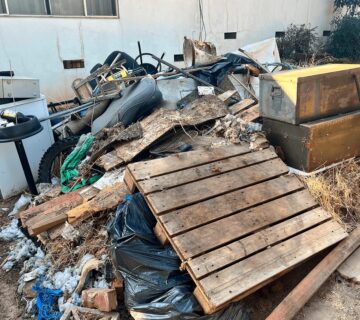
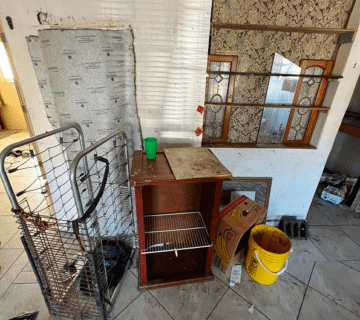
- Trash/Junk: This category is for broken, expired, or unusable items. This is where a professional service becomes invaluable. If you have a large pile of broken furniture, old appliances, or bulky junk accumulating, having a removal plan early makes the process much easier.
- Relocate: These are items that don’t belong in the room you’re currently in. Put them in a box to be returned to their proper place. This helps you stay focused on one room at a time.
Ask the Right Questions
As you pick up each item, ask yourself a series of direct questions to make a clear-headed decision.
- Have I used this in the last year? If not, the chances of you using it in your new home are slim.
- Is it worth the cost to move it? Consider its weight, size, and fragility.
- Do I own a better version of this? Eliminate duplicates. You don’t need three can openers or five black t-shirts.
- Does this fit my lifestyle in the new location? That heavy winter gear may not make sense if you are moving to a much warmer climate.
- Am I keeping this out of guilt or obligation? Let go of unwanted gifts or inherited items that don’t bring you joy.
Room-by-Room Decluttering Checklist
Now, let’s apply these strategies to every room in your house.
The Garage, Attic, and Basement
These storage areas are often goldmines for decluttering. They hold items we’ve long forgotten about, making it easier to part with them.
- Old Paint and Chemicals: Most movers will not transport hazardous materials. Check with your local waste management for disposal guidelines.
- Tools and Equipment: Do you have duplicate tools? Are you taking up a new hobby that renders old equipment obsolete? Sell or donate items in good working order.
- Sporting Goods: Be realistic about what you will use. If the kids have outgrown their bikes or the skis haven’t been used in years, it’s time for them to go.
- Holiday Decorations: Keep your cherished ornaments, but consider parting with broken lights or dated decorations.
- Boxes of “Memories”: Go through these boxes one last time. Digitize old photos and children’s artwork to save space. Keep only the most meaningful physical mementos.
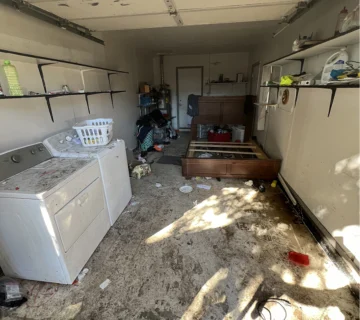
Cleaning out a packed garage is often one of the biggest early wins during the decluttering process. This is a perfect time to schedule a junk hauling service.
Bedrooms and Closets
Your personal space is often filled with items that are easy to accumulate.
- Clothing and Shoes: Use the one-year rule. If you haven’t worn it, donate it. Be ruthless with clothes that don’t fit, are out of style, or are uncomfortable.
- Accessories: Go through purses, belts, scarves, and jewelry. Keep what you love and use.
- Linens and Bedding: How many sets of sheets do you really need? Most people can get by with two sets per bed. Donate old towels and blankets to animal shelters.
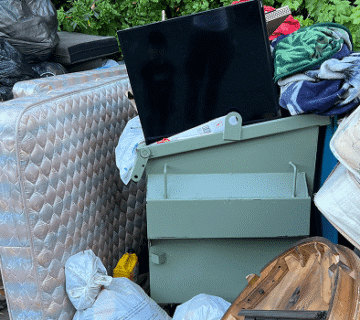
- Furniture: Evaluate each piece. Is that bulky dresser worth its weight? Is the guest room mattress stained and old? Moving is a great excuse to upgrade. Old mattresses and bulky furniture are some of the most common items people remove before a long-distance move.
The Kitchen and Pantry
The kitchen is the heart of the home, but it can also be a magnet for clutter.
- Small Appliances and Gadgets: The bread maker you used once? The novelty egg cooker? If it’s a “unitasker” that you rarely use, sell or donate it.
- Pots, Pans, and Bakeware: Get rid of warped pans, chipped dishes, and anything you have in excess.
- Food: Don’t move food. Plan your meals to use up what’s in your pantry, fridge, and freezer. Donate unopened, non-perishable items to a local food bank.
- Mugs and Glassware: This is a category that multiplies. Keep a matching set and a few favorites, and let the rest go.
- Cookbooks: These are heavy. Go through your collection, keep a few cherished ones, and take pictures of your favorite recipes from the others.
The Living Room and Family Room
This is where you relax, so it should be filled with things that contribute to a peaceful environment.
- Furniture: A cross-country move is the perfect time to assess your large furniture. Will your massive sectional fit in your new, smaller apartment? Is your style evolving? Selling large pieces and buying new at your destination can be more cost-effective.
- Media Collections: DVDs, CDs, and even books are heavy and take up a lot of box space. Digitize what you can and sell or donate the physical copies.
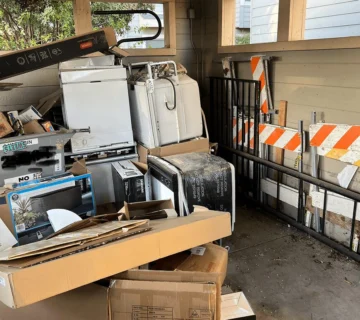
- Electronics: Old TVs, VCRs, and outdated stereo systems are e-waste. They often contain hazardous materials and need to be disposed of properly. Professional junk removal helps ensure old electronics are handled and recycled properly.
- Decor and Knick-Knacks: Be a curator. Pack only the decorative items that you truly love and that will make your new house feel like a home.
The Home Office
Your office can quickly become a dumping ground for papers and old technology.
- Paperwork: Shred old bills, receipts, and unimportant documents. Scan and digitally store important files like tax records and contracts. Create one “Important Documents” binder to keep with you during the move.
- Office Supplies: Don’t move ten half-empty pens and a collection of dried-up markers. Consolidate your supplies and only take what you need.
- Books: As mentioned before, books are incredibly heavy. Be honest about which ones you will read again or need for reference.
- Old Electronics: That drawer full of old charging cables, previous-generation cell phones, and broken keyboards needs to go. Find a certified e-waste recycling center.
What to Do With Your Unwanted Items
Once you’ve sorted everything, you’ll be left with piles for donation, sale, and trash. Managing these piles is the next critical step.
Selling Your Items
- Online Marketplaces: Facebook Marketplace, OfferUp, and Craigslist are great for selling furniture, electronics, and larger items locally. Price items to sell quickly.
- Consignment Shops: For high-end clothing, furniture, and decor, a consignment shop can do the selling for you.
- Garage Sale: If you have a lot of smaller items and the time to organize it, a moving sale can be a great way to make some extra cash and clear out clutter in one weekend.
Donating Your Items
Many charities offer pickup services for large furniture donations, which can be a huge help. Goodwill, The Salvation Army, and Habitat for Humanity ReStores are excellent options. Local shelters, churches, and community centers may also be in need of specific items. Always call ahead to confirm what they are accepting. Remember to get a receipt for your donation for a potential tax deduction.
The Professional Junk Removal Solution
This is where you get the most significant return on your time and energy. After selling and donating, you will still have a pile of things that are simply junk: the broken furniture, the old mattress, the bags of trash, the construction debris from small repairs, and the electronics that can’t be donated.
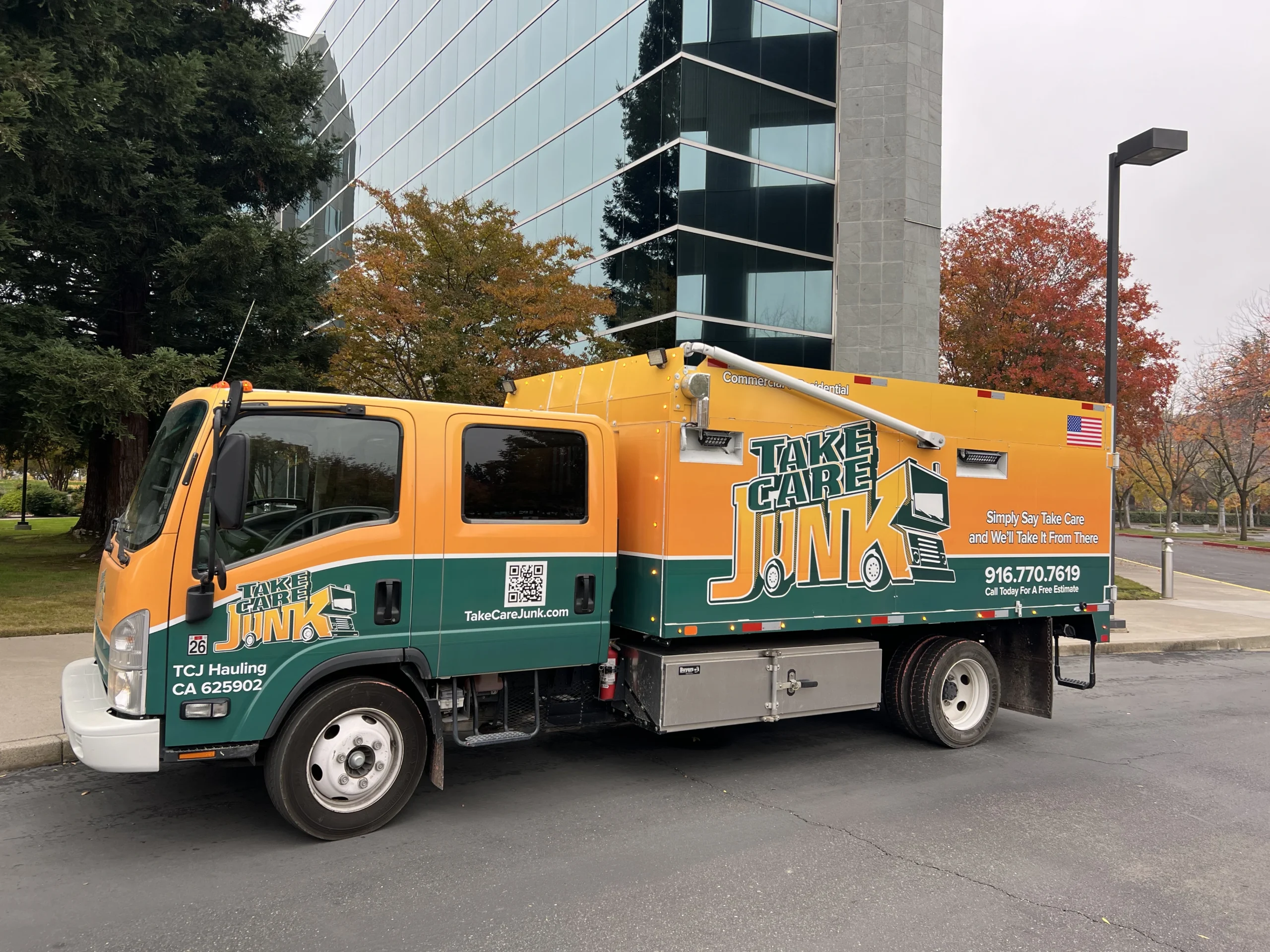
Instead of spending your precious pre-move time making multiple trips to the dump or trying to figure out complex recycling rules, a single call can solve the problem. A professional junk removal company like Take Care Junk serves the entire greater Sacramento region.
Benefits of using a junk removal service:
- Saves Time: They can clear out years of accumulated junk in a matter of hours, freeing you up to focus on packing and other move-related tasks.
- Saves Labor: Don’t risk injury by hauling heavy, awkward items yourself. The professionals have the training and equipment to do it safely.
- Handles All Types of Junk: From old appliances and e-waste to yard debris and old hot tubs, they can take almost anything.
- Proper Disposal: A reputable company is committed to responsible disposal. They will sort your items for recycling and proper disposal, keeping as much as possible out of the landfill. This is particularly important for e-waste and other hazardous materials.
Imagine pointing at everything you want gone and watching it disappear. The peace of mind this provides during a stressful move is priceless. The convenience of full-service junk removal makes the final stage of moving much easier.
Final Pre-Move Steps
In the final week before the movers arrive, your decluttering efforts will pay off. Your home should be significantly emptier, making the final stages of packing and cleaning much easier.
- Pack a “First Night” Box: This box stays with you, not the moving truck. It should contain essentials like toiletries, a change of clothes, medications, chargers, basic tools, and snacks.
- Confirm Your Junk Removal Pickup: If you have a pile of last-minute junk, schedule your pickup for a day or two before the movers arrive. This ensures your home is completely clear and clean for the moving crew.
- Do a Final Sweep: Walk through every single room, closet, and cabinet one last time to make sure you haven’t forgotten anything.
A cross-country move is your opportunity for a true fresh start. Don’t weigh yourself down by bringing the clutter of the past with you. By dedicating time to thoughtful decluttering, you can save money, reduce stress, and step into your new home feeling light and organized.
If you are in the Sacramento area and preparing for a big move, let us help you with the final, crucial step of clearing out the clutter. We provide fast, friendly, and professional junk removal services to make your transition as smooth as possible. Contact us today to get a free estimate and learn how we can help you take care of the junk, so you can take care of your move.