Upgrading your kitchen or laundry room brings excitement, but it also leaves you with a heavy problem. What do you do with the old refrigerator, washing machine, or microwave? Throwing these massive items out is incredibly wasteful and often illegal due to the hazardous chemicals they contain. If your old appliances still work, donating them is the smartest and most responsible choice you can make.
Donating your gently used household appliances helps local families, protects the environment, and clears out your home without the hassle of navigating local landfill restrictions. Sacramento is home to many incredible charities and organizations that gladly accept working appliances to fund their community programs.
Donating working appliances is one of the most effective ways to clear out your home while supporting local organizations and reducing waste
The Benefits of Donating Appliances
Choosing to donate your appliances rather than discarding them creates a powerful, positive impact. The benefits extend far beyond simply freeing up space in your garage or kitchen.
Environmental Impact and Waste Reduction
Large appliances take up a massive amount of space in landfills. Furthermore, items like refrigerators, freezers, and air conditioners contain refrigerants and cooling chemicals that harm the ozone layer if released improperly. By donating a working appliance, you extend its usable lifespan. This keeps heavy metals, plastics, and dangerous chemicals out of the local soil and water supply. You also participate in a sustainable cycle that reduces the massive energy demands required to manufacture brand-new appliances.
Supporting the Sacramento Community
Replacing a broken stove or refrigerator is a massive financial burden for many families in the Sacramento area. When you donate to local charities, thrift stores sell these items at deeply discounted prices. This makes essential household items accessible to lower-income families, seniors, and individuals transitioning out of homelessness. Your old washing machine could drastically improve the daily life of a family in your community.
Funding Crucial Charitable Programs
Charities do not just give away the appliances; they often sell them in retail centers like ReStores or family thrift shops. The money generated from your donation directly funds community programs. These programs include building affordable housing, funding addiction rehabilitation centers, and supporting job training initiatives. Your donated oven directly translates into financial support for causes that matter.
Potential Tax Deductions
Donating heavy appliances to a registered 501(c)(3) nonprofit organization allows you to claim a tax deduction. When you drop off your item or have it picked up by a charity truck, the driver or store attendant will hand you a tax receipt. You can deduct the fair market value of the appliance on your annual tax return. This puts a little extra money back in your pocket while rewarding your generous decision.
Where to Donate Appliances
Sacramento boasts several reliable organizations that will gladly take your working appliances off your hands. Each charity operates slightly differently, so it helps to know their specific guidelines before you load up your truck.
Habitat for Humanity ReStore Sacramento
Habitat for Humanity operates excellent ReStore locations that specialize in home goods, building materials, and appliances. The proceeds from their appliance sales go directly toward building and repairing affordable homes for families in the Sacramento region.
The ReStore is arguably the best place to donate large household appliances. They typically accept clean, 100% functional refrigerators, stoves, ranges, washing machines, and dryers. Appliances usually need to be under ten years old and free of rust or major dents. You can drop off your appliances at their Sacramento location during business hours, or you can schedule a large item pickup directly through their website.
The Salvation Army
The Salvation Army runs several Family Stores across the Sacramento region. Proceeds from the sale of donated household goods fund their Adult Rehabilitation Centers, providing housing, food, and counseling for individuals overcoming substance abuse.
They generally accept smaller appliances and some large appliances, provided they are in excellent working condition. The Salvation Army offers a highly convenient free pickup service. You can visit their donation website, enter your zip code, and schedule a date for their truck to come to your home. Ensure your appliances are on the ground floor or in the garage, as drivers cannot navigate stairs with heavy white goods.
Goodwill Sacramento Valley
Goodwill focuses on providing job training, employment placement services, and other community-based programs for people facing barriers to employment. You can find Goodwill donation centers scattered conveniently throughout Sacramento and its surrounding suburbs.
While Goodwill is an excellent destination for small kitchen appliances like blenders, toasters, and coffee makers, their policies on large appliances vary by location. Many standard Goodwill stores do not have the floor space to accommodate massive refrigerators or deep freezers. Always call your local Goodwill donation center before driving over with a heavy washing machine.
Local Community Centers and Shelters
Several smaller, localized charities and domestic violence shelters in Sacramento occasionally need working appliances for their transitional housing units. Organizations like WEAVE (Women Escaping A Violent Environment) or local refugee resettlement agencies sometimes accept direct appliance donations. Because their storage space is strictly limited, you must call them directly to see if they have a current, pressing need for the specific appliance you are trying to donate.
Types of Appliances You Can Donate
Charities appreciate your generosity, but they cannot accept everything. Thrift stores spend a large portion of their budget disposing of broken or unsellable items. Understanding what organizations will and will not take ensures your donation is actually helpful.
Large Household Appliances
If you have major appliances, charities will gladly take them as long as they function perfectly. Highly requested large appliances include:
- Refrigerators and Freezers: Must be clean, free of mold, and maintain proper temperatures.
- Washing Machines and Dryers: Both electric and gas dryers are usually accepted, though you must include all necessary power cords.
- Ovens and Stoves: Electric ranges are widely accepted. Gas ranges are sometimes declined due to safety liabilities regarding gas line connections, so call ahead to verify.
- Microwaves: Countertop microwaves in good condition are big sellers at thrift stores.
Small Kitchen Appliances
Small appliances are easy to donate and fly off the shelves at local charity shops. Popular small appliances include:
- Coffee makers and espresso machines
- Toasters and toaster ovens
- Blenders and food processors
- Slow cookers and pressure coolers
- Stand mixers
Items Usually Declined by Charities
Health regulations, safety liabilities, and high disposal costs force charities to decline certain appliances. You will likely need to find alternative recycling or disposal methods for the following:
- Dishwashers: Built-in dishwashers are notoriously difficult to sell because they require professional installation and often leak if seals dry out while sitting on a showroom floor. Most charities refuse them.
- Older or Inefficient Refrigerators: Units older than 10 to 15 years draw massive amounts of electricity. Many charities reject them to avoid passing high energy bills onto low-income buyers.
- Broken Appliances: Charities do not employ appliance repair technicians. If the oven does not heat up or the washer refuses to spin, do not donate it.
- Items with Frayed Cords: Any appliance with a damaged power cord poses a severe fire hazard and will be rejected immediately.
How to Prepare Your Appliances for Donation
Proper preparation ensures that your donation is accepted swiftly and can be sold to benefit the charity. Taking an hour to prep your appliance makes a massive difference in its resale value.
Cleaning and Sanitizing
Nobody wants to buy a dirty appliance. Wipe down the entire exterior with a gentle degreaser to remove cooking oils and fingerprints. For refrigerators, remove all food, take out the glass shelves, and wash them with warm, soapy water. Wipe down the interior walls and use a mixture of baking soda and water to eliminate lingering food odors.
For ovens, run the self-cleaning cycle if it works safely, or use an oven cleaner to remove baked-on grease. Clean the lint trap of your dryer thoroughly and wipe down the drum of your washing machine. A sparkling clean appliance guarantees a quick acceptance from the charity staff.
Disconnecting from Water, Gas, and Power
Before you move any large appliance, you must disconnect it safely. Unplug the unit from the wall and secure the power cord to the back of the appliance using heavy-duty tape so no one trips over it during transit.
If you are donating a washing machine or a refrigerator with an ice maker, turn off the water supply valves. Disconnect the hoses carefully and drain any remaining water into a bucket to prevent slipping hazards. Tape the hoses inside the drum of the washer or the crisper drawer of the fridge so they stay with the unit. If you are disconnecting a gas stove or gas dryer, you should ideally have a professional handle the shut-off valve to prevent dangerous gas leaks in your home.
Moving Heavy Appliances Safely
Appliances are incredibly heavy and awkwardly shaped. Never attempt to move a large refrigerator or washing machine by yourself. Rent or purchase an appliance dolly with a securing strap. Slide the dolly underneath the unit, strap it in tightly, and tilt it back carefully.
If you are moving a refrigerator, keep it in an upright position. Tilting a fridge too far back causes the compressor oil to flow into the cooling tubes, which destroys the appliance. If the fridge must be laid down for transport, the charity will need to let it stand upright for at least 24 hours before plugging it in, which complicates the donation process. Secure the doors of all appliances with stretch wrap or strong tape so they do not swing open while you are wheeling them out to your vehicle.
What to Do With Non-Working Appliances
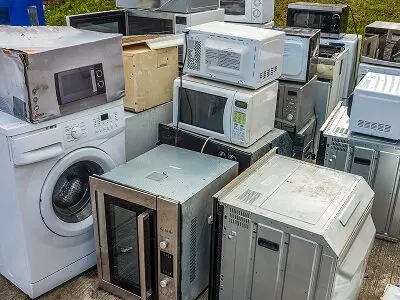
Despite your best efforts, some appliances simply reach the end of their lifespan. When a motor burns out, a compressor dies, or rust takes over, charities will no longer accept the item. Leaving a broken washing machine on your curb is an eyesore and will likely earn you a fine from the city. Fortunately, you have responsible options for disposing of dead appliances.
Appliance Recycling Options
Many components of your old appliances are highly recyclable. Steel, aluminum, copper wiring, and tempered glass can all be extracted and repurposed into new products. Local utility companies like SMUD or PG&E sometimes offer appliance recycling programs, where they will pick up your old, energy-wasting refrigerator and recycle it properly, occasionally offering a small rebate in return.
You can also transport your broken appliances to a designated county waste facility that handles electronic and appliance recycling. Keep in mind that you must still do the heavy lifting, load the broken appliance into a truck, and pay the appropriate drop-off fees at the recycling center.
What to Do With Non-Working Appliances
If you have a non-working appliance that cannot be donated, professional junk removal services can handle the heavy lifting and ensure the unit is recycled or disposed of properly. This allows you to clear out large items without sending unnecessary waste to the landfill.
Reclaim Your Space Today
Donating your working appliances in Sacramento is a deeply rewarding process. It clears your home of heavy clutter, protects our local environment from unnecessary landfill waste, and provides vital household necessities to families in need. By taking the time to clean your items, disconnect them safely, and coordinate with organizations like Habitat for Humanity or the Salvation Army, you make a tangible, positive difference in the community.
When you encounter appliances that have completely broken down and reached the end of their usable life, you do not have to struggle with the heavy lifting alone. Professional, eco-friendly removal teams are ready to help you finish your home upgrade quickly and responsibly.
Are you ready to get rid of that broken refrigerator, ancient washing machine, or dead chest freezer? If an appliance cannot be donated, professional junk removal can help handle the remaining items safely.